Showing posts with label Hispanics. Show all posts

Monday, August 22, 2022

Seven Healthy Kentucky Champions named by Foundation for a Healthy Kentucky; finalists for Friedell Award to be given Oct. 17

The Foundation for a Healthy Kentucky has announced its 2022 class of Healthy Kentucky Champions. The awards recognize individuals dedicated to improving the health of Kentuckians at a community level or state level; they are finalists for a statewide award to be announced in October.

“These seven Healthy Kentucky Champions are an inspiration to all working to better the health of our state,” said Ben Chandler, president and CEO of the foundation. “We owe them much gratitude for their dedication to addressing some of the health challenges Kentuckians face. The commonwealth is better because of these Healthy Kentucky Champions.”

The seven Healthy Kentucky Champions are nominees for the 2022 Gil Friedell Memorial Health Policy Champion Award, which comes with a $5,000 grant from the foundation to a Kentucky-based nonprofit of the winner’s choice. This year’s Friedell Award winner will be announced at the Howard L. Bost Memorial Health Policy Forum Oct. 17. The forum will focus upstream the social determinants of health on the connection between educational opportunities and health outcomes of Kentuckians. To learn more and register for this free, virtual event, click here.

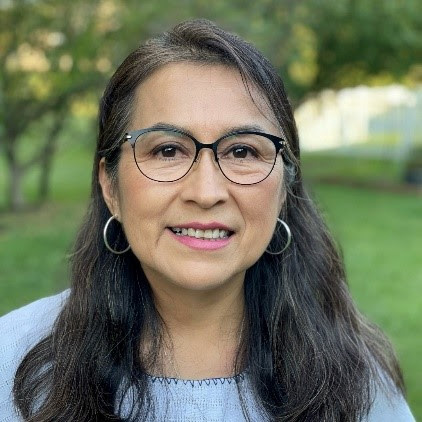
The Healthy Kentucky Champions are Dr. Patricia Bautista-Cervera of Louisville, Eric Crawford of Maysville, Terry Gehrke of Louisville, Denise Hall of Trimble County, Michelle Howell of Scottsville, Dr. Patrick Kitzman of the University of Kentucky and Mark Thomas of Todd County.

Dr. Patricia Bautista-Cervera
Dr. Patricia Bautista-Cervera is a pediatrician and pediatric allergist at the La Casita Center, an organization dedicated to enhancing the well-being of Louisville’s Latinx and immigrant community. As health empowerment coordinator, Bautista-Cervera works to promote health through workshops, informational videos, one-on-one communications, and other various means. During the COVID-19 pandemic, she delivered important information to the Spanish-speaking community through the online video series, “Consejos de Salud con la Dra. Paty.” She also was instrumental in developing virtual forums with stores and restaurants to educate the Hispanic community about the virus and promote preventive measures and vaccination. In 2020 she supported 994 Covid-19-positive patients, offering medical guidance and, through an empowering model, connecting them to LCC’s wrap-around services and other resources in the community.

Eric Crawford
Eric Crawford, a Maysville native, joined Kentuckians for Medicinal Marijuana in 2013. Crawford’s education in the endocannabinoid system and cannabis, as well as his experience as a quadriplegic, has fueled his passion for advocating for the legalization of medical marijuana in Kentucky. He has been involved in crafting legislation and has testified at the state Capitol about how cannabis improves his quality of life. He is a member of the Governor’s Medical Cannabis Advisory Committee and has also traveled the state with Kentuckians for Medicinal Marijuana for more than 50 medical cannabis educational seminars. Crawford remains active in the Maysville community by serving on the Lions Club and volunteering at a nursing home. He is a Finis Davis Fellowship recipient through the Kentucky Lions Eye Center and a past member of Kentucky Partners in Policymaking through the Commonwealth Council for Developmental Disabilities.

Terry Gehrke
Terry Gehrke has been in the fitness-wellness industry for more than 30 years. She founded Balanced Wellness LLC in 1999 in Jefferson County and still leads the organization as president and wellness consultant/health educator. Gehrke joined the Kentucky Diabetes Network in 2019 as executive director and has guided the organization to promote better health for Kentuckians at-risk for and living with diabetes. She leads KDN’s symposium committee each year to offer the largest professional education opportunity for diabetes training in the state, the Kentucky Diabetes Symposium. Gehrke’s background includes teaching in the University of Louisville Health and Sport Sciences Department and working with Southeast Christian Church’s Sports & Fitness Ministry. Gehrke is a member of several organizations including the National Wellness Institute, the National Physical Activity Society, and Exercise is Medicine.

Denise Hall
Denise Hall of Trimble County began working in the substance use prevention field in 1998 at Seven Counties Services. In 2003, she became coordinator for Trimble County Family Resource and Youth Services Center before writing two Drug Free Communities grants and directing them. The DFC grant is now in its 10th and final year. Hall’s work includes implementing a Drug Education Series in Trimble County and a Sources of Strength group at Trimble County Junior/Senior High School. She administers a survey to middle and high schoolers to understand the needs for substance-misuse prevention. Hall was crucial in getting vape detectors installed at the high school and is managing director of the Trimble CARES Coalition.

Michelle Howell
Michelle Howell co-owns Need More Acres Farm in Scottsville with her husband Nathan. She has an agriculture degree from Western Kentucky University and previously worked for University of Kentucky Cooperative Extension assisting tobacco farmers as they transitioned to fruit and vegetable production. She collaborates with local and state partners to increase equitable opportunities for farmers. Howell has also been involved in writing grants worth more than $2.4 million to benefit food access, women’s life courses, and urban-rural development. Need More Acres co-founded the Community Farmers Market in Bowling Green, which piloted several Supplemental Nutrition Assistance Program incentives. CFM was essential to growing Kentucky Double Dollars into a statewide program and CFM is one of the organization's pilots of the Fresh Rx MOMs program for expecting mothers on Medicaid. Both programs help under-resourced Kentuckians access fresh, healthy food from farmers markets. Additionally, Howell partners with UK, WKU and Kentucky State University for interactive professional development on diversity and inclusion.

Patrick Kitzman
Dr. Patrick Kitzman is a professor in the University of Kentucky Department of Physical Therapy. He’s also founding director of the Kentucky Appalachian Rural Rehabilitation Network, a team that develops strategies to reduce disability and improve the quality of life for individuals with neurological impairments living in underserved rural Appalachian counties. Kitzman and his team established projects CARAT and CARAT-TOP. In CARAT (Coordinating and Assisting the Reuse of Assistive Technology) students learn to refurbish used medical equipment and donate it to those in need in the community. CARAT-TOP (Coordinating and Assisting the Reuse of Assistive Technology- Together One Priority) is a training program created through a partnership with the UK Center of Excellence in Rural Health. It brings together community members and high-school students of all abilities to learn new skills to help individuals and communities affected by disability.

Mark Thomas
Mark Thomas, Todd County Schools superintendent, was instrumental in establishing the AXIS Program: Centering All Services in the district. In partnership with the Todd County Health Department, the program addresses students’ social and emotional well-being through mental-health case management. The program also assists with basic needs such as nutrition, clothing, toiletries, housing, transportation, and treatment for substance use disorder. Thomas played a crucial role in gaining needed buy-in of the program from staff and the community. Through his support, the program is expanding services to include parenting classes, prenatal classes, and mental health awareness programs for students and staff. Thomas began his career in Shelby County in 1996 as a middle school teacher. He has served in a number of school and district administrative roles across Kentucky before starting his current position in 2020.

Monday, February 8, 2021

As key metrics fall for 4th week in a row, Beshear says Ky. is still 'hot' due to strategy that kept hospitals from being overwhelmed

State Dept. for Public Health graph, adapted by Kentucky Health News; to enlarge, click on it.
By Melissa Patrick
Kentucky Health News

For the first time in the pandemic, new cases of the novel coronavirus have dropped in Kentucky for four weeks in a row. Likewise, the state's positive-test rate has also declined for the last four weeks.

"The trends are all moving in the right direction, and that only happens from your hard work," Gov. Andy Beshear said at a news conference. "We have more people wearing masks, we have more people social distancing, we're having fewer large gatherings at homes or out in public; we must keep this up because we do not want to lose this progress."

Asked if that means that it's time to relax some of the remaining restrictions on business and other activities, Beshear said it's too early for that, but if these trends continue to hold, he would consider it. 

"If we continue on this trend, that's something that we hope to be able to do," he said. "Think about two different levels, the vaccine numbers going up and the cases going down, and if that continues to happen, then yes, we hope to do that."

He said it's important to pay attention to the new, highly contagious variants and case numbers "are still pretty elevated," but if those numbers continue to drop, "Then we'll see what we can loosen."

He cautioned that these positive trends could easily turn the other way: "Remember, it's fragile. If we let our guard down, everything changes. There are variants out there that appear to spread more aggressively. We're moving in the right direction, we've just got to keep it up."

Kentucky's downward trend hasn't been as rapid as in the rest of the nation, so it remains among the top states in new cases per person. Beshear said that's a result of Kentucky's strategy to stop exponential growth in cases, to "push that curve down," delaying cases into the future in order to avoid overwhelming the health-care system. He said some states have had a "big peak" of cases that have since fallen as quickly as they went up. 

"So we're burning off a little slower than other places did because we prevented that massive spike that would have overwhelmed our health-care system," he said. "That's at least what we think it is. Obviously, we're humbled and knowing that there are things we don't know about the virus, and it may take time for us to be able to look back and tell."

Daily numbers: Beshear announced 1,003 new cases of the virus on Monday, bringing the state's seven-day rolling average to 2,047. That's the lowest it's been since Dec. 29, when it was 2,031. 

Kentucky has 1,163 people hospitalized with Covid-19, the lowest since Nov. 9; 274 are in intensive care, the fewest since Nov. 3; and 142 of those are on ventilators, just two more than yesterday. 

The share of Kentuckians testing positive for the virus in the past seven days is 7.78%, the lowest since Nov. 10. 
State Dept. for Public Health graph, relabeled by Ky. Health News; to enlarge, click on it.
Only 95 of the state's 120 counties are in the "red zone" for counties averaging 25 or more daily cases per 100,000 people over the last seven says. Beshear said it's not time to celebrate, but "let's just keep it up." 

The only trend not going down is deaths. Beshear reported 40 more Covid-19 deaths, 31 confirmed and nine probable after official reviews. He said most of them were from January and February, and one was from December. That brings the state's death toll to 4,091. 

Health Commissioner Steven Stack said about 10% of deaths have to go through a "very methodical process" to determine if Covid-19 contributed to them, and the process can take months. He said each death is reported in the state's daily records on the date the process is completed, but the date of death in the "historical record" remains the actual day that the death occurred.

In the last two weeks, the state has averaged 45.1 deaths per day, second only to the record 45.3 of Friday and Saturday. 

But even with such high death counts, Stack reminded Kentuckians that because "Team Kentucky pulled together and followed our guidance in so many ways," our death numbers are much lower overall than many other states, including some bordering the state.

Vaccines: Beshear said more than 460,000 Kentuckians, over 10% of the state's population, have received at least one dose of a coronavirus vaccine. He said the state has administered 91% of all of the first doses of vaccine that it has received.

Beshear encouraged Kentuckians who are eligible for vaccination to "keep trying" to make an appointment, noting that at this time the state is giving out vaccines faster than it is receiving them. Again, he called for patience, saying, "We can't give you a dose that we don't have."

Asked on KET about the shortage of vaccinations among employees of long-term-care facilities, Stack said the reluctance varies by geography, job description and other factors. He said efforts to get them comfortable and vaccinated "are going to have to escalate" as vaccine supplies increase.

Facebook "is expanding its ban on vaccine misinformation and highlighting official information about how and where to get Covid-19 vaccines," NPR reports.

Pfizer Inc. could cut its vaccine production time in half now that it has learned how to make the new messenger RNA vaccine more efficiently, USA Today reports.

Demographics: For the first time, Beshear shared demographic vaccine data, representing Kentuckians who have received a first dose. 

By far, Kentuckians 70 and older have received the most doses, 159,953 of them, followed by those 40-49 (66,073); 50-59 (65,183); 30-39 (57,619); 60-69 (54,949) and 16-29 (41,153).

People 70 and older, K-12 educators, first responders, and health-care workers continue to be the priority groups for vaccination. Nearly 75% of the state's Covid-related deaths are in those 70 and older. 

By far more women than men have received a first dose, 284,755 and 157,950 respectively, likely because teachers and healthcare workers, positions largely held by women, are top priority groups.  

The data also shows 336,318 of the first-time vaccines have gone to white Kentuckians and that 16,579, or only 4.3%, have gone to Black Kentuckians, who are about 8.5% of the population. Beshear said this disparity is "not acceptable" and his goal is to make sure that at least 8% of doses go to Blacks. About 1.1% of the vaccines where ethnicity is know have gone to Hispanics, who are nearly 4% of the population.

Stack said the state is committed to ensure equity of vaccinations. “We look forward to expanding that network and working to reach people who need access to this vaccine and require a little extra assistance for us to give it to them so they can have the same benefit as everyone else," he said.

Holladay with grandchildren
Memorial:
Beshear honored the life of Roy "Doc" Holladay of Paducah, who died of Covid-19 at age 73. He is survived by his wife of 52 years, Martha Holladay; his daughter Heather and her husband Jim, who are friends of Beshear. He said Holladay was a master electrician who loved the outdoors and served in Germany with the Air Force. 

"We're thinking about this entire family, their loss, a loss in the community, and realizing that their grief is felt by more than four thousand families out there," he said, noting the statewide death toll. "But we all grieve with you and care about you. And we'll continue to do the best we can to make sure we don't lose any other Doc's because everybody is special and everybody is irreplaceable."

In other coronavirus news Monday: 
  • The 40 fatalities were five Barren County women, 68, 70, 71, 82 and 82; two Barren County men, 55 and 73; a Boyd County woman, 76; three Butler County men, 70, 78 and 83; an Edmonson County woman, 68; a Fulton County man, 75; a Graves County woman, 94; a Hardin County woman, 44; a Hardin County man, 59; a Harrison County man, 63; two Hart County women, 69 and 94; a Hart County man, 82; a Hopkins County woman, 63; a LaRue County woman, 80; a Laurel County woman, 61; a Logan County woman, 73; a Marshall County woman, 69; a Meade County woman, 75; a Meade County man, 67; four Metcalfe County men, 63, 69, 71 and 78; a Russell County man, 77; a Scott County man, 49; a Simpson County woman, 68; two Simpson County men, 58 and 70; a Warren County woman, 68; two Warren County men, 69 and 85; and a Washington County man, 66.
  • Counties with 10 or more new cases were Jefferson, 205; Fayette, 69; Warren, 38; Campbell, 30; Bullitt, 26; Kenton and Madison, 25; Boone, Daviess and Shelby, 24; Graves and McCracken, 20; Allen and Hardin, 18; Franklin and Oldham, 17; Marion and Marshall, 15; Calloway, 14; Barren, Boyd, Greenup, Livingston and Pike, 13; Floyd, Nelson and Whitley, 12; Bourbon, Jessamine and Trigg, 10.
  • Two hospital-readiness regions have 80% or more of their ICU beds filled: the northeast region, at 81%; and Lake Cumberland, which has been running near full capacity, at 80%. 
  • In long-term care, 332 residents and 235 staff have an active case of the virus, with 19 new residents and 20 new staff testing positive for the virus today. Beshear said 10 more deaths can be attributed to Covid-19, bringing the total number of deaths in these facilities to 2,193
  • WDRB tells the story of how Louisville nurses are working to build trust for the coronavirus vaccine among Black communities in Louisville and in a separate story about the urgent call for a mass vaccination site in west Louisville.

Friday, November 6, 2020

Free webinar, "Shifting the Lens: Covid-19 Policy Lessons for Reducing Kentucky's Health Inequities," Nov. 19; pre-register

Health officials will explore what's behind the inequities that have made African Americans and other people of color disproportionately affected by the novel coronavirus at a webinar hosted by Kentucky Medical Association, the Foundation for a Healthy Kentucky and the University of Kentucky College of Public Health.

According to the Centers for Disease Control and Prevention, covid-19 hospitalization rates among non-Hispanic African-Americans and Hispanic or Latino people are both about 4.7 times the rate of non-Hispanic white people.

Statewide, as of Nov. 6, African Americans accounted for 11% of Kentucky's coronavirus cases and nearly 12% of covid-19 deaths, even though they comprise only 8.5% of the state's population. Hispanics accounted for 9% of cases and 3% of covid-19 deaths, and have nearly 4% of the population.

The webinar, "Shifting the Lens: Covid-19 Policy Lessons for Reducing Kentucky’s Health Inequities" will be held Thursday, Nov. 19 from 1:30-3 p.m. ET.

Presenters will speak to practices and policies that can be put in place, both short- and long-term, to improve health outcomes for persons of color in the commonwealth, says the release.

“We need to fully understand the reasons underlying the more devastating impact that covid has wreaked on our African American community, and implement the policies and practices that will help allow them to reach their best health,” Ben Chandler, president and CEO of the foundation. The program will open with two Black Kentuckians who have had covid-19.

The presentations include: “The Impact of Covid-19 on Racial and Ethnic Minority Groups," presented by Dr. Connie White, deputy commissioner for clinical affairs, state Department for Public Health; “Ensuring that Telemedicine Bridges, Rather than Deepens, the Gulf," by Dr. William C. Thornbury Jr., general family-medicine practitioner from Glasgow; and “Reducing Chronic Disease in African American Communities," by Dr. Karen Krigger, M.D., director of health equity at the University of Louisville School of Medicine.

Dr. Wayne Tuckson, host of "Kentucky Health" on KET, will moderate the program. Click here to register for the free program. 


Sunday, September 27, 2020

First webinar of annual health forum shows much work needed to improve the lives of Ky. children; effects of covid-19 still unknown

Kentucky has several very bad rankings when it comes to children's well-being. This was among the slides Kentucky Youth Advocates Executive Director Terry Brooks showed during the forum.
By Melissa Patrick
Kentucky Health News

The first of five webinars focusing on efforts to reduce disease and unhealthy behaviors that often begin in childhood opened with a slew of data that shows the state has much work to do, with an expectation that the pandemic is only going to make things worse.  

Nevertheless, Kentucky Youth Advocates Executive Director Terry Brooks offered a message of hope, saying that programs and policies to protect children generally have widespread support.

"I'm sure that we all are aware that there is an element of toxicity and bifurcation in Frankfort and Washington these days," said Brooks, referring to divided government in both capitals. "I frankly think that's an opportunity instead of an obstacle, because what we have consistently found is that kids . . . provide a common ground for legislators and the administration to work with."  

Brooks said KYA works to create a consensus agenda around children's issues that is based on a limited number of common-ground priorities before each legislative session, and for the last two or three years, it has been almost 100 percent successful in getting its priority bills passed, getting 90% of the votes in the House and Senate. "Things can get done," he said.

The webinar was the first in a monthly series that is serving as the Foundation for a Healthy Kentucky's annual policy forum, due to the coronavirus pandemic. The next webinar, "Intervening Early," will be held at 2 p.m. ET Monday, Oct. 19.

The foundation is partnering with KYA on this year's Howard L. Bost Memorial Health Policy Forum, which held its first webinar, titled "State of Child Health in Kentucky," Sept. 21. 

"We're focusing on programs and policies that help move Kentucky kids away from substance use, suicide and other risky behaviors and toward more natural, healthy behaviors that will benefit them throughout their lives," said Ben Chandler, president and CEO of the foundation.

Another KYA slide shows two of the best and worst things about Kentucky kids.
Brooks opened the meeting by painting a broad picture of what it means to be a child in Kentucky, citing data from the Kids Count Data Book on children's well being, released annually by the Annie E. Casey Foundation and KYA. The latest report shows Kentucky ranks 37th for overall child well-being.   

While the economic well-being of the state's children has shown slight improvement over the last few years, Brooks said Kentucky still has at least one in five children living in poverty and one-third of them live with parents who lack full time, year round employment -- and that's before the pandemic began. 

"It is a reasonable hypothesis that the pandemic will exacerbate current trend lines," Brooks said.

He noted that the figures have racial and ethnic disparities. While one-fifth of Kentucky's white children live in poverty, that is true of about one-third of the state's Hispanic and Black children. "There are clearly systemic factors at play when Black and Hispanic children are more likely than their white peers to be poor," he said.

Brooks also expressed concern about the pandemic's effect on education, which has forced schools into an extended period of virtual learning.

Brooks said there has been "too much happy talk and too little real talk" about education in Kentucky, noting that prior to the pandemic 65% of the state's fourth graders were not minimally proficient in reading and 71% of the state's eighth graders were not minimally proficient at math -- and that these numbers are even higher for Black and Hispanic children.

He noted that Kentucky has one of the nation's highest rates of children with incarcerated parents and the highest rate of children being raised by kin outside the foster-care system, almost 100,000 of them. Brooks reminded his audience that such events in the life of a child are "adverse childhood experiences" that have the potential for serious long-term impacts, including a shortened life, if not countered with protective factors that build resilience.  

He also pointed out that 38% of Kentucky's children between 10 and 17 are either overweight or obese, the second highest rate in the nation. He called for local and state action to address this issue that will have lasting effects on the state's children. 

More concern about teen suicide

Dr. Hatim Omar, a retired University of Kentucky professor and founder of the Stop Youth Suicide Campaign, said that before the pandemic there had been a sharp increase in the percentage of teens suffering from depression, anxiety, suicidal ideas and suicide attempts over the past few years. 

He said data from the latest Youth Risk Behavior Surveillance System survey is "the most disturbing since I've started working with preventing youth suicide 22 years ago," with 10 to 12 percent of Kentucky's kids saying they had attempted suicide over the past 12 months. He said suicide attempts among African American children have tripled in the last three years.

The pandemic can't help. Omar said that when teens are asked for one word to describe how they feel about it, the top three answers were anger, frustration and confusion. 

"The key for us as grownups, adult parents and teachers and anybody who deals with teens, the most important thing for us to remember, is that teenagers will not remember what we said, they will remember how we made them feel," Omar said.

From slide presentation by Dr. Hatim Omar
He urged parents to be authentic in interactions wit their teens, and hug them, saying that children that age don't usually like such physical contact with parents, but this is a time that they do.

"But most importantly," he said, "be available to our kids." 

Omar offered a list of things to pay attention to, and encouraged parents and guardians to not delay in seeking help. For example, he said seek help if your teen is sleeping too much, or barely sleeping at all; if they're eating too much or not eating at all; if they are more irritable than usual or are feeling sad and fearful; if they are thinking thoughts that scare you; if they can't find a way to relax; if they have no motivation to do anything; if they are isolated all of the time or spending all of their time on social media and not doing anything else; or if they are fighting with parents and friends or feeling unsafe. 

"Really, this is a time where we shouldn't wait long, we should seek professional help for our kids," he said. "Because if we don't, then ultimately we'll end up with increased levels of suicide." 

Some teens are health activists

Ben Robinson, a senior at Daviess County High School and a member of the KYA student advocate team, talked about the importance of youth involvement to improve the health of Kentucky's children. Robinson said he had lobbied to get the "Tobacco-21" bill passed and is working to get bills passed that would stop corporal punishment in Kentucky schools and raise the tax on electronic cigarettes.

Robinson said he has also worked to educate his fellow students about the dangers of e-cigarettes, and on projects to decrease childhood obesity in his community, such as the Longest Day of Play, which has 1,200 participants and 200 volunteers.

Dr. Henrietta Bada, maternal and child health director with the Kentucky Department of Public Health, told the webinar audience that many risk factors affect the health and well-being of children, but there are also numerous protective factors that can mitigate those threats, even at a very early age. 

For example, she pointed to the importance of a healthy pregnancy and creating wholesome attachments in a nurturing family and home environment as ways to mitigate risk and build resilience in children. 

Kentucky offers a voluntary home-visitation program called Kentucky Health Access Nurturing Development Services, or Kentucky HANDS, that is designed to help the state's high-risk mothers with these early interventions. 

Bada said "exposure to violence, trauma or adverse childhood experiences is the single most prevalent risk factor for children today" and that repeated exposure to such experiences creates 'toxic stress," decreases resilience and can lead to death and disabilities in adults. 

"Knowing what we know now we can do better in preventing, mitigating and treating toxic stress," she said.

Brooks, in closing remarks, said: "Let's make sure that among the takeaways of this 2020 Bost Forum is a profound recognition -- whether it's obesity or vaccines, hard-to-cover kids or little boys and little girls inundated with life's traumas -- we have to ensure that Kentucky's health policy attends to core issues and social determinants [of health]; that Kentucky's health policy for kids is about local action and state action; that health policy depends on big-time players like the foundation, but it also depends on each of us. And yes, that means you." 

Click here to register for the Oct. 19 webinar. The panelists will be state Medicaid Commissioner Lisa Lee; Anthony Zipple, senior associate, Open Minds; Allison Miller, family learning specialist, National Center for Families Learning; and Dr. Julia Richerson, a pediatrician at Family Health Center Iroquois in Louisville. The moderator will be Tracey Antle, chief operating officer of Cumberland Family Medical Center. The webinars are free, but registration is required for "attending" each one.
Friday, July 31, 2020

New virus cases up for 5th day; covid-19 patients' ICU use spikes; positive-test rate declines; studies don't look good for school

By Al Cross and Melissa Patrick
Kentucky Health News

New cases of the novel coronavirus in Kentucky increased for the fifth straight day, to 778, the fourth largest number yet, and the number of Kentuckians in intensive care for the virus's covid-19 disease rose to the highest in months.

Gov. Andy Beshear emphasized the third consecutive decline in the percentage of Kentuckians testing positive for the virus in the last seven days.

The 5.43 percent rate was slightly under the daily average for the week so far, 5.51%, and notably under the 5.81% reported Wednesday. Last week, the rate rose above 5 percent for the first time since testing became generally available, helping prompt Beshear to impose new restrictions.

"We still have too many cases and we need to do everything we can to try to decrease those," Beshear said in a press release. "We’re also seeing an increase of patients in the ICU."

The release didn't mention the intensive-care-unit numbers from the state's daily report: 150, up from 110 on Thursday, a 36% increase, and exceeding the recent ICU high of 145, reported July 22. Higher numbers were reported in the spring, during the pandemic's first surge in Kentucky.

Beshear continued to say the latest surge has slacked off to a plateau, based on weekly figures. He said it appears that this week will end with about the same number of cases that were reported last week. That is speculative, because two days remain in the reporting week, which runs from Monday through Sunday.

Two different snapshots of the data illustrate how different it can look. The state's seven-day rolling average stands at 609, close to where it has stood for the last five days. But the three-day average is at 685, the highest since the 748 recorded on July 25, when the state recorded its third-highest number of new daily cases, 836. Here are graphs of the three-day and seven-day averages this month:
Kentucky Health News graphs, based on daily reports from state Department for Public Health
Counties with more than 10 new cases Friday were Jefferson, 203; Fayette, 51; Warren, 45; Madison, 26; Graves, 23; Boone and Mercer, 19 each; Kenton, 17; Bullitt and Hardin, 16 each; Harlan and Pulaski, 15 each; Barren and Scott, 13 each; Campbell, McCracken ans Oldham, 12 each; and Shelby, 11.

Studies on virus spread by children have implications for schools

A study released today by the Centers for Disease Control and Prevention suggests that children of all ages are susceptible to the novel coronavirus, SARS-CoV-2, and can spread it to others. The study is one of the few that documents spread among children, so it could guide school officials as they decide when and how to resume classes.

"Asymptomatic infection was common and potentially contributed to undetected transmission, as has been previously reported," CDC said. "This investigation adds to the body of evidence demonstrating that children of all ages are susceptible to SARS-CoV-2 infection and, contrary to early reports might play an important role in transmission."

The study looked at an outbreak at an overnight camp in Georgia last month, where 260 children and staff got the virus. The median age of the campers was 12, all were required to test negative before arriving, and staff were required to wear masks, but the campers were not.

Another study has found that children under age 5 with mild to moderate covid-19 had as much or more virus in their their upper respiratory tract as adults, Dennis Thompson reports for MedicineNet. The authors wrote in a research letter in JAMA Pediatrics that "Young children can potentially be important drivers of SARS-CoV-2 spread in the general population."

The studies "could have massive impact when it comes to school reopenings," CNN's Jake Tapper reported. Dr. Michael Saag, professor of medicine and infectious diseases, University of Alabama at Birmingham, told him, "This is a giant experiment; we don't know what to expect."

In other covid-19 news Friday:
  • Kentucky's covid-19 death toll rose to 735, with the deaths of a 75-year-old man from Fayette County, an 86-year-old woman from Jefferson County, a 63-year-old man from Perry County and an 80-year-old woman from Taylor County.
  • "The $1 trillion coronavirus relief plan U.S. Senate Majority Leader Mitch McConnell and other Senate Republicans unveiled this week will not meet the needs of struggling Kentuckians, said a group Thursday representing restaurants, the homeless, education and local governments," Jack Brammer reports for the Lexington Herald-Leader.  Ryland Barton of WFPL also reports on critics of the plan, and USA Today breaks down what Democrats and Republicans want, along with easy to read graphs.  
  • Dr. Anthony Fauci, the nation's top infectious-disease expert, told the House Select Subcommittee on the Coronaviurs today that he was "cautiously optimistic" we could have a vaccine by late fall or early winter. A Herald-Leader story offers a short overview of the vaccine's progress. 
  • The Hispanic population in Kentucky has been particularly hard hit by the coronavirus.  Only 3.9% of the state's population is Hispanic, but 14.4% of coroanavirus cases and 4.19% of covid-19 deaths are among Hispanics. Louisville health officials plan to expand testing sites aimed at Hispanic communities, Deborah Yetter reports for the Courier Journal. 
  • The U.S. Food and Drug Administration offers a Q&A page on antibody, or serology, testing for the virus. Antibody tests can help identify people who may have been infected but had no symptoms. 
  • As scientists have converged on a theory that the virus is largely spread among people through large droplets expelled in sneezes or coughs, or through smaller aerolsolized droplets, like those created by talking, public-health experts have put more emphasis placed on wearing masks and social distancing, and less emphasis on extensive surface cleaning in public places, except in health-care settings. It is also important to remember the importance of keeping hands washed, Derek Thompson reports for The Atlantic. Emanuel Goldman, a microbiology professor at Rutgers New Jersey Medical School, told him, “Masks, social distancing, and moving activities outdoors. That’s it. That’s how we protect ourselves. That’s how we beat this thing.”

Friday, June 26, 2020

New cases drive up Ky. seven-day average for fifth straight day; Republican senators want Trump to get in the fight, wear a mask

Kentucky Health News chart shows daily cases for last two weeks and 7-day average for each day.
By Al Cross and Melissa Patrick
Kentucky Health News

The state reported 256 new coronavirus cases Friday, moving Kentucky's seven-day rolling average upward for the fifth day in a row. Hospitalizations rose slightly, to 387 from 377, but intensive-care cases declined, to 74 from 79.

Counties with more than five new cases Friday were Jefferson, 53; Fayette, 33; Warren, 29; Kenton, 17; Shelby, 9; Laurel, 8; Daviess, 7; and Mercer, 6.

Gov. Andy Beshear reported in a press release, announcing seven more deaths, raising the state's total to 553. The fatalities were a 90-year-old woman from Clark County; 85- and 88-year-old women and an 83-year-old man from Jefferson County; a 47-year-old man from Monroe County; and 92- and 97-year-old women from Warren County.

In other covid-19 news Friday:
  • Republican senators, fearing loss of their majority in the Nov. 3 election, urged President Trump's administration to step up its response to the coronavirus "and pushed Trump to start wearing a mask, at least sometimes," Politico reports. "Trump is still downplaying the virus’ impact, questioning the value of testing and ridiculing the idea of wearing a mask despite holding large-scale campaign rallies. . . . but mask-wearing has become virtually ubiquitous among GOP senators," led by Kentucky's Mitch McConnell.
  • "This is not as complicated as a ventilator, and this is a way to indicate that you want to protect others," McConnell said at Morehead's hospital Friday, the Courier Journal reports. "I see various events on television in which people are clearly not wearing masks, not taking it seriously and not doing others a favor," he continued. "We need to get past that in order to protect not only ourselves but our friends and colleagues and others until we get to a vaccine."
  • "Trump and Republican governors are pointing to fewer coronavirus deaths to suggest that the worst of the coronavirus pandemic has passed — and to blunt criticism that a surge of new infections in more than half the states is proof the country reopened too soon," Politico reports in another story. "But that’s a dangerous gamble. Death rates tell nothing about the current spread of the virus and only offer a snapshot of where the country was roughly three weeks ago."
  • As the number of coronavirus cases continues to spread among Lexington's Hispanic community at an alarming rate, Alex Acquisto reports for the Lexington Herald-Leader on how that affects contact tracing. Health department officials told her that right now, there are nearly 300 people the department must call each day. Of those, close to 80 are Hispanic and 50 prefer to speak in Spanish. Fayette County led the state in new cases Thursday, and officials said the Hispanic community and Keeneland Race Course, where many Hispanics work, were the main sources.
  • Planning to fly soon? WLEX-TV reports on which airlines are booking at full capacity, and which ones aren't. Forbes reports on four essential websites to help you plan a safer road trip. 
  • The Centers for Disease Control and Prevention has expanded its list of people at risk of severe covid-19 illness. These additions include asthma, high blood pressure, neurologic conditions such as dementia, cerebrovascular disease such as stroke, and pregnancy. They are in addition to kidney disease, obesity, heart conditions, COPD, sickle-cell disease, diabetes and those who are immuno-compromised. The CDC estimates that 60 percent of adults in the U.S. suffer from at least one of these conditions.

Wednesday, June 10, 2020

Beshear says spread of virus is controlled, but easy absentee voting and more polling places will be needed for Nov. election

Kentucky Health News chart shows coronavirus cases for the last four weeks and the seven-day rolling average accumulated on each day. For a larger version of the chart, click on it.
As news develops about the coronavirus and its covid-19 disease, this item may be updated. Official state guidance is at kycovid19.ky.gov.

By Al Cross and Melissa Patrick
Kentucky Health News

The recent upward trend in coronavirus cases in Kentucky is "within a range that is controlled" and "doesn't rise to the high-concern level," Gov. Andy Beshear said yesterday after reporting a number of new cases that made average for the last week 218 per day. The rolling seven-day average had hit a record of 256 last Saturday, the Louisville Courier Journal initially reported.

Beshear also said the November election will need the same expanded form of absentee voting being allowed for the rescheduled June 23 primary, and more polling locations. And he said that he wants to get everyone without health insurance covered, not just African Americans.

The governor reported 191 new cases of the virus yesterday, raising the state's adjusted total to 11,883, and seven more deaths, raising the state's toll to 482.

Jefferson County had 49 of the new cases, or 25.7 percent of the daily total, which Beshear said was the county's "lowest share in a while." Fayette County had 36, partly due to an outbreak at the federal prison there, and Warren County continued its "significant outbreak" with 22, the governor said.
State map, enhanced and labeled by Kentucky Health News; for a larger version, click on it.
Three of the deaths were of long-term-care patients from adjoining Logan County: a 78-year-old woman, a 66-year-old man and and 79-year-old woman. Other fatalities were a 55-year-old woman in adjoining Simpson County, a 63-year-old woman in LaRue County, and 83-year-old women in Jefferson and Hardin counties.

Beshear noted that more deaths have been reported recently among people in their 50s and 60s, which he said should remind people in at-risk categories (over 60 or with underlying medical conditions) that “just because things are open doesn’t mean you should be going to them.”

Asked if he felt pressure to relax business restrictions because adjoining states are doing so, he said, “Certainly we want our economy to be competitive with the economies of the surrounding states; by many indications we’re doing as well if not better addressing the coronavirus than some of our surrounding states. I don’t want to be the fastest; I want to be the safest. . . . Our state fair’s gonna be on while many others are not. While I believe we're being smart and deliberate and careful. I don’t think there are vast differences” with other states.

He reiterated the "absolutely critical" need for testing to reopen the economy safely, saying people should get a test if they have not had one; if they have not had one in a month or so; if they have recently gone back to work; or if they have been engaged in several activities, including protests.

People of color: The governor reported that 17 percent of Kentucky's covid-19 deaths have been among African Americans, just more than double their share of the state's population, the main reason he has cited for a special effort to get all of them covered by some form of health insurance. In 2018, 5.8% were not covered, compared to 5.6% of the total population.

Apparently responding to questions about the non-black uninsured, Beshear broadened his pledge: "While I’m governor, we’re gonna work to ensure that everybody across Kentucky has some form of health-care coverage. But when we've got people dying … at twice the makeup of the population, even more, we all ought to understand the priority of where we start signing people up."

Asked if he had considered focusing more attention on Hispanics, since their infection rate (but not their death rate) is much than the rest of the population, Beshear said many of those cases have been in meatpacking facilities and are being addressed by local and regional health departments.

At the end of his daily briefing, he said, "Remember, there is health-care coverage out there for everyone; we just have to connect you with what type of coverage is best for you."

Elections: Asked what Georgia's troubles with primary voting Tuesday say about Kentucky's voting, Beshear said the main problem appeared to be failure to get absentee ballots to voters in time. He said his own ballot took "about a week" to arrive in the mail, and "You have to do better than that in the last week," which will begin next Tuesday. "Right now I believe that they are on track" in county clerk's offices that send and receive the ballots.

The election is being held under an agreement between Beshear, a Democrat, and Secretary of State Michael Adams, a Republican, that the pandemic falls under the medical excuse for absentee voting, and each voter was mailed a postcard with instructions on how to apply for an absentee ballot.

Each county generally has just one polling location for the primary, but Beshear said the November election for president, Congress and other offices will attract many more voters, and "We would need more polling locations." He also said "This same form of absentee ballots is gonna be necessary" because "We’re basically disenfranchising people who could die from covid if we make them to go into a polling place if the virus is as aggressive as it is right now."

In other covid-19 news Wednesday:
  • Beshear and Health Secretary Eric Friedlander essentially dismissed a complaint by Kentucky's largest nursing-home operator, Signature HealthCare, that it has to lay off 100 employees in Louisville due to lack of state funding while the state was building a field hospital. Beshear said the two funding streams are not related; Friedlander said the state had taken financial steps to help nursing homes not taken by other states or that were as generous as any state.
  • The governor said the state is "doing better" at processing a record number of claims for unemployment benefits now that the Labor Cabinet is in charge of them, "but there’s still a large number of people out there who need to be helped."
  • Dr. Anthony Fauci, director of the National Institute of Allergy and Infectious Diseases, told biotech executives Tuesday that the pandemic is far from over, The New York Times reports. Fauci said that the broad range of severe effects caused by the virus is of concern, and that it is still unknown if survivors who were seriously ill will ever fully recover.
  • He said the virus has been a "double whammy" for African Americans, because they are more likely to be exposed to the disease by way of their employment in jobs that cannot be done remotely, and because they have higher rates of underlying conditions such as diabetes, high blood pressure and obesity. 
  • While many recover from covid-19, the road to full recovery is often long and hard, often taking months, reports Shari Rudavsky of the Indianapolis Star. She tells the story of recovery from the perspective of rehabilitation centers and several patients.  
  • Movie theaters opened June 1 in Kentucky, but are they safe? The Lexington Herald-Leader talked to experts about the risks, steps they're taking to keep you safe, and whether they will survive.
  • Holly Yan of CNN reports reports on where we stand on getting a coronavirus vaccine in an easy-to-read question and answer format.
  • Cleveland's public-health system has created a hotline that connects covid-19 patients not only with nurses and doctors, but also services that take care of a family's immediate needs if they are asked to quarantine at home. It started offering the hotline in mid-March to keep the hospital system from being overwhelmed by a surge of covid-19 patients, and is a model they hope to keep up even after the pandemic is over, Kaiser Health News reports.

Tuesday, May 5, 2020

Pandemic has created divides, socioeconomic and political

A GrubHub delivery is made in Washington, D.C. (Photo by Erik S. Lesser, European Pressphoto Agency)
Former labor secretary Robert Reich, a professor at the University of California, Berkeley, writes for Common Dreams that the pandemic has created four new socioeconomic classes. In The New Yorker, Robin Wright summarizes and elaborates on them:
  • “Remotes” are professional, managerial, and technical workers still at their jobs, usually remotely and usually for the same pay.
  • “Essentials” include health care, the food-supply chain, police and other first responders, and truck drivers, about 30 percent of workers, many of whom "are putting their lives at risk with limited physical or economic protection," Wright notes.
  • “Unpaids” are the growing numbers of the unemployed, the furloughed and personal-services workers whose task can't be done remotely. "So far in this crisis, 43 percent of adults report they or someone in their household has lost jobs or pay, according to the Pew Research Center," Reich notes.
  • “Forgottens” are migrant workers, the homeless, Native Americans, the disabled, the elderly, and the imprisoned. "Outbreaks in nursing homes, homeless shelters, and prisons have proved among the most merciless," Wright writes.
Reich concluded, "Not surprisingly, the Essentials, the Unpaid, and the Forgotten are disproportionately poor, black, and Latino. And they are disproportionately becoming infected. An Associated Press breakdown of available state and local data showed close to 33 percent of coronavirus deaths so far are African-American, despite representing only 14 percent of the total population in areas surveyed."

In Kentucky, African Americans have accounted for 18 percent of deaths from covid-19 though they are only 8.3 percent of the state's population, and Latinos have a higher rate of coronavirus cases than their population share.

Black, Latino and poor Americans "aren’t getting what they need to survive this crisis because they don’t have lobbyists and political action committees to do their bidding in Washington or state capitals," Reich argues. "The Remotes among us should be concerned, and not just because of the unfairness of the covid-19 class divide. If the Essentials aren’t sufficiently protected, the Unpaid are forced back to work earlier than is safe, and the Forgotten remain forgotten, no one can be secure. Covid-19 will continue to spread sickness and death for months, if not years to come."

Wright, after citing Reich's insights, writes of another split: "The most dangerous divide emerging from the pandemic is the oldest in American history—over the rights and duties of the states versus the power of the federal government. We fought a war over the issue a hundred and sixty years ago; it has flared again during the pandemic—and now threatens to tear the nation apart in new ways."

After citing President Trump's Twitter mischief aimed at governors in Michigan and other Democratic-led states, and his mixed signals about federal and state authority and responsibility, Wright warns:
"The impact could outlast the pandemic’s pathogens. The American social contract—based on the “inalienable rights” of “life, liberty and the pursuit of happiness” in the Declaration of Independence—was already eroding; the interpretations were being redefined, a process begun by Reaganism in the 1980s as part of a sustained attack on the role and meaning of government, David Blight, a Yale historian, told me. From the Civil War to the 1970s, government expanded its reach to try to insure the same rights for African-Americans, women, Native Americans, the disabled, veterans, the elderly, and the ill. 
Government grew to fight wars and secure the homeland, improve the economy, advance education, and institute the first environmental protections. “But part of our political culture has never really supported this long and seismic change and done the best to roll it back,” Blight, who grew up in Flint, Michigan, told me. During the pandemic, those opposed to expansive government have decried shelter-in-place orders as excessive and questioned the recommendations of the government’s top health officials. . . .

The existential but conflicting issues spawned by the pandemic—the right to life and physical health versus the right to liberty and economic health—have provided the perfect vector for new fissures in America. The gun-toting protesters may be a minority, but polls show that the President’s positions on the role of the state during the pandemic have solid public backing. In the midst of Trump’s skirmish with (Michigan Gov. Gretchen] Whitmer, his job-approval rating soared by six points, to 49 percent, according to a new Gallup poll released on Thursday. It tied for Trump’s personal best in Gallup’s polling data; 47% disapprove. America is a country evenly and bitterly divided. But Americans should remember, Blight added, “There won’t be any blue or red rooms in heaven.”

Thursday, January 21, 2016

U of L gets grant for care for seniors, Alzheimer's and Hispanics in Barren, Hart, Metcalfe, Bullitt, Shelby and Henry counties

The U.S. Department of Health and Human Services has awarded the Institute for Sustainable Health & Optimal Aging at the University of Louisville $2.55 million to create the Kentucky Rural & Underserved Geriatric Interprofessional Program.

The three-year initiative will include partnering organizations from six rural counties: Hart, Metcalfe and Barren in Southern Kentucky; and Bullitt, Henry and Shelby, counties in the Louisville metropolitan area with large rural populations.

The project will addresses the shortage of workers in geriatric and primary care, the need to train health-care providers for culturally appropriate services to Kentucky’s growing Hispanic population, the need to decrease the chronic disease burden in rural Kentucky, the lack of supportive environments to promote health among seniors, and the need for supportive education and resources in Alzheimer’s disease and related dementias.

The institute, created in 2014, will develop an interprofessional education center for geriatric education for students and professionals in medicine, nursing, social work, dentistry, pharmacy, community health and law; help primary care sites deliver integrated patient-centered geriatric primary care; and provide training and community engagement resources for Alzheimer's and other dementias in the six counties.

“This project is unique in its integration of community health teams and mental health specialists within geriatric primary care delivery systems,” Institute Executive Director Anna Faul said in a press release. “We are going to use a systemic approach of collaborative care and develop an inter-agency consortium that strengthen the links among related services for older adults.”

Partner sites in the first year will be Glasgow Family Medicine Clinic serving Barren, Hart and Metcalfe counties; Shelby Family Medicine and Mercy Medical in Shelby County; Kentucky River Medical Partners in Henry County and UofL Geriatrics Home Care Practice in Bullitt County.