Showing posts with label technology. Show all posts

Thursday, April 13, 2023

Catholic Health Initiatives hospitals in Kentucky suffer data breach, say 'no evidence that this information has been misused'

By Melissa Patrick
Kentucky Health News

Kentucky is one of 13 states with hospitals that have been affected by a ransomware attack on the CommonSpirit health-care system, which is the parent organization of Catholic Health Initiatives in Kentucky. 

Mary Branham, spokesperson for CHI Saint Joseph Health, said in an email that it started the notification process about this data breach in December, even as the review of the files was ongoing. 

"We have completed the review and identified additional current and past CommonSpirit locations associated with the data," Branham wrote. "Beginning in April 2023, we issued our last anticipated notification to potentially impacted individuals." 

According to an April 6 CommonSpirit update, these Kentucky facilities were included in the ransomware event:  Flaget Memorial Hospital, Bardstown; Saint Joseph Hospital, Lexington, Nicholasville; Saint Joseph Health Community Pharmacy, Lexington; Saint Joseph Berea; Saint Joseph East, Lexington; Saint Joseph London; Saint Joseph Mount Sterling; Saint Joseph Mount Sterling Outpatient Rehab; Saint Joseph Mount Sterling Outpatient Rehab, Flemingsburg; Continuing Care Hospital, Lexington; and CHI Saint Joseph Medical Groups in Central and Eastern Kentucky, as well as Jewish Hospital in Louisville and Saint Joseph Martin in Floyd County, which were formerly part of CHI. 

CommonSpirit, which has more than 1,000 care sites and 140 hospitals in 21 states, said the ransomware attack was detected Oct. 2 and an investigation determined an unauthorized third party gained access to the network between Sept. 16 and Oct. 3. The party obtained copies of some data, including two file-share servers containing information on individuals going back several years. 

Information in those files included "demographics such as name, address, date of birth, phone number(s), email address, as well as medical information such as dates of service, medical record number, health-care provider’s name, diagnosis/treatment information, medical billing/claims information, patient’s facility associated account/encounter number, and health insurance information," the update said. "For a small number of individuals, Social Security number was also involved."

Branham said, "We immediately took steps to secure the network, which included proactively taking certain systems offline, and began an extensive investigation with the assistance of leading external cybersecurity specialists and law enforcement. . . . We have no evidence that this information has been misused."

That said, the CommonSpirit update advises ongoing caution: “Though CommonSpirit has no evidence that the information has been misused as a result of this event, it is always prudent to review health care statements for accuracy and report any services or charges that were not incurred to the provider or insurance carrier.”

According to CommonSpirit’s most recent quarterly financial statement, the data breach cost the organization about $150 million, which includes lost revenues from the interruption to business and costs to remedy the issue, Modern HealthCare reports. It also reports that the  U.S. Department of Health & Human Services Office for Civil Rights reported that more than 623,700 people were affected.

Tuesday, May 12, 2020

Pandemic has made telehealth necessary, easier to get, and sure to continue as is; 7 to 8 years' worth of progress, official says

By Melissa Patrick
Kentucky Health News

Federal officials on a rural health webinar applauded the federal government's efforts to expand telehealth during the coronavirus pandemic, and predicted its uptick will continue long after the crisis is over.

Rural Health Information Hub graphic
"I can tell you from personal experience that we are never going back," said Dr. Jeff Colyer, a surgeon who chairs the National Advisory Committee on Rural Health and Human Services. "I've seen the majority of my patients via telehealth, and they like the convenience and the access that it gives them. And so we are going to see those changes continue on in the future."

Bette Brand, deputy undersecretary for Rural Development in the Department of Agriculture, said, "The coronavirus has made the need for telehealth even more urgent. Its life-saving convenience is now underscored by its lifesaving ability to limit travel and unnecessary exposure."

USDA has invested more than $751 million on its program to bring broadband to the 21 million Americans who lack high-speed internet access, 80 percent of whom are in rural areas, Deputy Secretary Stephen Censky said. He added that broadband is especially important as people are being asked to socially distance, and lets Americans "continue to access critical medical services remotely using telemedicine from their homes."

Censky pointed to a USDA summary of recent changes to the program by the Department of Health and Human Services. Deputy HHS Secretary Eric Hargan called the changes "historic" and said they include, among other things, eliminating some barriers to Medicare reimbursement, enabling waivers or reductions of cost sharing, and allowing the use of everyday technologies, like FaceTime and Skype, in health care.

"In just about a month and a half, I think we've seen about seven or eight years worth of progress on telehealth," Hargan said. "Really, it's a revolution provoked by necessity. I'm excited to see what the future looks like based on getting patients and providers acclimated to the idea of telehealth in this way," he said. "What sounds to many like dry, obscure flexibilities in regulations and reimbursement is translating into millions of Americans getting access to healthcare more safely."

Tom Morris, associate HHS administrator for rural health, said telehealth resource centers have seen a tremendous increase in use: "You would not believe the volume increase that they have had. . . . The increase in their volume was well more than 1,000 percent of this time a year ago. And so the funding will better help them respond to that moving forward."

The webinar was sponsored by the Rural Health Information Hub. Click here to learn more about Kentucky's telehealth program.

Two analysts and a fellow at the Brookings Institution came to many of the same conclusions after taking a detailed look at telehealth regulations and recent changes. They write:
Telehealth has proven itself a viable supplement to an already strained health-care system, where both medical providers and patients are seeking timely, effective, and robust tools for early detection, primary care, and long-term evaluation. While progress was being made before the coronavirus outbreak to adopt telehealth in states, the pandemic not only demonstrated its worth but also proved it necessary to avert larger meltdowns in hospital systems and among medical professionals—even those whose work was stopped due to social distancing.
The world will probably not return to the normalcy it once experienced before covid-19—and neither should health care. As Congress is charged with re-evaluating the leniencies permitted to health-care providers during this crisis, federal lawmakers should also see the benefits. The same holds true for states that will need to reconsider lifting boundaries on telehealth services to accelerate its transformational capabilities for patients and doctors.

Thursday, November 22, 2018

Ky. has a high premature birth rate, but 2 programs are reducing it; one stresses home visitations; the other uses data analysis

By Melissa Patrick
Kentucky Health News

One in nine Kentucky babies are born prematurely, one of the nation's highest rates – so high that the March of Dimes gave the state a "D" on its 2018 Premature Birth Report Card.

A baby is premature if born before 37 completed weeks of pregnancy, four weeks short of full-term. In 2017,  just over 11 percent of Kentucky babies were born preterm. The national average is just under 10 percent, a rate that has risen three years in a row.

Because important growth and development happens during the last weeks of pregnancy, preterm babies are at an increased risk of neurologic, respiratory and digestive problems. Complications from being born early is the main cause of newborn death, says the March of Dimes.

Preterm babies are also at risk for long-term challenges, including behavioral and social-emotional problems, learning difficulties, and increased risk of conditions like attention deficit-hyperactivity disorder and increased risk of Sudden Infant Death Syndrome. As adults, they are more likely to have chronic diseases such as heart disease, high blood pressure and diabetes, says UK Healthcare.

The March of Dimes says that while the cause of about half of premature births is unknown, there are common risk factors, including a multiple pregnancy (twins), smoking or drug use during pregnancy, being underweight, having diabetes or having preeclampsia, a condition that is characterized by high blood pressure and the presence of protein in the mother's urine.

What's Kentucky doing about it?

Several programs work to lower the number of preterm births in Kentucky.

One is a voluntary home-visitation program called Kentucky Health Access Nurturing Development Services. Kentucky's HANDS  serves first-time, high-risk mothers through local health departments. It received a $7.5 million federal grant in October.

The HANDS program provides assistance to overburdened parents from the prenatal period to the child's third birthday. It served about 4,000 people in more than 2,000 homes through nearly 56,000 home visits in 2017, according to a Cabinet for Health and Family Services news release.

Research published in the journal Maternal Child Health, shows that participants in the HANDS program had fewer preterm births and low-birthweight babies, and decreased incidences of child abuse and neglect, especially among those who received seven or more prenatal home visits.

The data shows the rate of preterm births among expectant mothers who received one to three prenatal visits was 12.1 percent, above the state's relatively high average, while the rate for those who received seven or more visits was 9.4 percent, below the national average. Similarly, the rate of low-birthweight babies dropped to 6.5 percent among mothers with seven or more visits, compared to 8 percent who had only one, two or three visits.

The study also found that women in the program had increased access to prenatal care and decreased maternal complications during pregnancy.

The home-visitation program provides the at-risk mother with a family support worker who tailors a plan to meet her needs, including linking participants to community services needed to support a healthy pregnancy and birth. And after the child is born, the program helps families nurture healthy growth and development in the child and teaches them how to create safe homes.

Courtney Embry, a nurse from the Grayson County Health Department, said a family support worker provides education about nutrition in pregnancy and can help expectant mothers sign up for the Women, Infant and Children nutrition program, help them find resources to quit smoking, or help them find transportation to get to their prenatal appointments.

"We see a lot of moms who don't have transportation, so therefore they are not actually getting to their OB appointments," she said. "So we will help them find transportation." She said they do that through community transportation programs, programs that offer gas vouchers or helping them to find employment.

"The HANDS acronym sums up what we do," said Shelly Lambert, director of early-childhood services for the Lincoln Trail District Health Department. "We are a helping hand for parents. We are there to support them, to help them, to nurture them and help with the development of their child."

Carter County HANDS coordinator Jana McGlone said one reason the program is so successful is because it explains the "why" of it all, Lisa Gillespie reported for Louisville's WFPL in October.

“Their doc might say, ‘You need to take your prenatal vitamin,’ but he may not tell them, ‘OK, this is why you should take this’,” McGlone told Gillespie. “When they get that understanding and knowledge, it makes them want to do it more."

CDC photo
Another effort to reduce preterm births in Kentucky is a Passport Health Plan program that uses a maternity-analytics platform to identify at-risk mothers. Passport manages the care of more than 310,000 Kentuckians on Medicaid. The analytics were developed by Lucina Health, a Kentucky-based obstetric data management firm.

In just six months, Passport was able to identify 85 percent of its high-risk pregnant mothers during their first two trimesters and provide them with a personalized care plan designed to reduce their risks, according to a Lucina news release. It says the program has reduced early deliveries by 13 percent, earning Passport millions of dollars.

"Identifying and communicating with at-risk mothers as soon as possible is critical to reducing preterm birth rates in the United States," the release says. "Reducing preterm birth, a national public health priority, can be accomplished by implementing strategies that target modifiable risk factors and provide access to care with potentially high social and financial impact."

November is Prematurity Awareness Month.

Tuesday, July 17, 2018

Half of parents in poll admit to indulging in risky behavior of using phone and texting while driving with children in the car

Alamy Stock Photo
About half of Americans in a survey said they talk on cell phones while driving with children aged 4 to 10. Worse yet, a third said they read text messages, a fourth of them sent such messages, and one out of seven said they used social media while driving with children.

"The study also found a correlation between cell phone use while children were in the car and other risky driving behaviors, such as not wearing a seat belt and driving under the influence of alcohol whether or not children were present in the car," said a press release from Children's Hospital of Philadelphia, which did the research with the University of Pennsylvania School of Nursing. It was published in the Journal of Pediatrics.

The study was conducted online among 760 adults in 47 U.S. states who said they were a parent or routine caregiver of a child between the ages of 4 and 10, and had driven their oldest child between those ages at least six times in the preceding three months. The poll found that 52.2 percent of parents had talked on a hands-free phone while driving with a young child in the car, while 47 percent had done so with a hand-held phone. It also found that 33.7 percent read text messages, 26.7 percent sent text messages, and 13.7 percent reported using social media while driving with children.

"The results from this research reinforce that risky driving behaviors rarely occur in isolation, and lay the groundwork for interventions and education specifically aimed at  parents who drive with young children in their cars," said lead author Catherine McDonald, of the hospital's Center for Injury Research and Prevention and the university's Community Health Department.

McDonald said doctors need to warn parents about such risky behaviors. "This type of education is especially pivotal today, as in-vehicle technology is rapidly changing and there is increased – and seemingly constant – reliability on cell phones," she said. "However, it is also important to note that even parents who did not engage in risky behaviors, such as not wearing a seat belt as a driver or driving under the influence of alcohol, still used their cell phones while driving."

Friday, December 2, 2016

UK researchers develop video game to teach agricultural safety to college and high-school students

Screen shot of "Hazard Ridge" video game
Researchers at the University of Kentucky are using a video game to educate young people about the dangers of agriculture, a line of work that has one of the highest rates of workplace fatalities in the U.S., Olivia McCoy reports for UKnow.

Since 2013 researchers at the UK College of Education and the Southeast Center for Agricultural Health and Injury Prevention, in UK's College of Public Health, have been teaching agriculture students and high-school students ag safety using a 3-D game called Hazard Ridge, which "simulates an injury that has occurred in a small rural town where teens are disappearing and the town is going bankrupt," McCoy writes.

"Players serve as the investigator of this issue and learn how agricultural injuries have negative effects on the town’s economy and citizens," McCoy writes. "The game teaches investigative skills and educates on how to conduct a financial analysis of injury."

Jennifer Watson, research coordinator for the Southeast Center for Agricultural Health and Injury Prevention, "said one of the goals for the game is to 'overcome the culture of comfort'," McCoy writes. Watson told McCoy, "Spending their entire lives around dangerous equipment lulls those working and living on farms into a false sense of safety and lessens their belief that they are at risk for injury." She said preventive measures, such as the game, reduces the risk of injury or death. (Read more)

Wednesday, August 10, 2016

Madisonville girl provides example of emerging teletherapy that can help overcome shortage of psychiatrists in rural areas

When Ron Gadley searched for a therapist who could help his daughter, Rebecca, with depression near their Madisonville home, he found that their options were shockingly limited.

The few child psychiatrists within driving distance told him that Rebecca would be waiting months for an appointment, and another refused to accept new patients at all, Emma Ockerman reports for Time magazine.

Gadley finally found someone who could see his daughter every week. Even better, the treatment could begin immediately. There was a catch, though: Rebecca and her therapist would be 250 miles apart. She would be able to hear and see her therapist like normal, but her "telehealth" appointments, therapy sessions conducted by video conference, meant that Rebecca might never see her therapist face to face.

Cincinnati Children's Hospital Medical Center
(Photo from theodysseyonline.com)
Gadley, a machinist for Warrior Coal, told Ockerman he had never heard of teletherapy before his daughter’s depression diagnosis. After struggling to find local treatment for her, he learned that his company’s relationship with Cincinnati Children’s Hospital Medical Center meant Rebecca could receive treatment for free.

Mental health advocates hope that teletherapy can ease some of the burden on psychiatrists, especially in rural areas like Rebecca's, which often lack such professionals. A shortage of child psychiatrists is of particular concern. Mental health advocates say the U.S. needs more than 30,000 child and adolescent psychiatrists, but has only 8,300. Advocates and therapists alike have been struggling for years for an answer to the complicated problem.

The American Telemedicine Association reported earlier this year that the number of states requiring private insurers to cover telemedicine in the same way they cover in-person services had doubled in the past four years. Kentucky law requires Medicaid and private insurance to cover "tele-mental health encounters," including appointments with licensed social workers.

As technology has become cheaper and more reliable, teletherapy has emerged as a practical approach to reaching more patients, Ockerman adds. However, teletherapy has its critics, who question whether computer-assisted appointments like Rebecca's are as effective as traditional sessions carried out in person.

A 2013 study in the American Journal of Psychiatry cautioned that video conferencing could affect the natural conversation and bedside manner that would normally occur between mental health provider and patient. The appointment might initially feel impersonal; the therapist might have to make up for that with small talk to encourage “feelings of connectedness in a clinical encounter,” Dr. Jay H. Shore, a Denver psychiatrist and author of the study, writes.

But when it comes to children, they are used to interacting with technology, Dr. Michael Sorter, director of child and adolescent psychiatry at Cincinnati Children’s, told Ockerman. Computers and smartphones are where they maintain relationships with friends. Because of that, Sorter says, it might not be so unusual for them to see a doctor the same way. “They seem like they can easily relate to the TV screen.”

Others take a middle ground, seeing teletherapy as just one promising part of what must be a broader, more comprehensive solution to the shortage of behavioral health care in rural areas.

"It is part of an evolving landscape that has to change to get kids the services they need, and this is one very good part of that,” Dr. Kathleen Myers, program director for telepsychiatry and behavioral health at Seattle Children’s Hospital, told Ockerman. “But if you take a child psychiatrist here and have them practice [telehealth], all you’ve done is redistribute the manpower. We really need more than that.”

For Rebecca's part, she says teletherapy has helped her in her battle against depression. "It helped me put a jumbled-up mess into perspective," she told Ockerman. "The therapy put everything everywhere I needed it to be in my life. I’m getting active, I talk to more people, I’m making more friends."

Friday, May 1, 2015

Kynect has an app for smartphones

Kentucky's state health benefits exchange, Kynect, is offering a free mobile app that will provide "on-the-go" access to the health-insurance marketplace.

The  smartphone app will allow you to log in to your account, browse plans, report changes in your circumstances, take photos of required verification documents and upload those photos directly to your account.

It can also help determine if you qualify for low-cost or free health coverage, get information about your coverage options, find out enrollment dates and learn how certain life events can qualify you to enroll now.

It allows you to log in to your Kentucky Online Gateway Account, look at the status of your health care plan or application, get more information about your current health care plan, access alerts, notifications or messages related to your account and view and update contact information.

And if you have further questions, it can connect you to an insurance agent or nearby "Kynector."

The app is available for download in the iTunes Store for Apple devices or in the Google Play Store for Android users.

Tuesday, February 11, 2014

Medical identity theft increasing; survey says 43% of leaks involve medical records

Modern technology has brought about an increase in identity theft and lately in a particularly dangerous form: medical identity theft. According to a survey conducted by the Identity Theft Resource Center, 43 percent of all record breaches in personal information in 2013 involved health records . That's more than those involved with banking and finance, education, the government and the military, Michael Ollove writes for Stateline.

Medical identity theft is deceptively obtaining another person's personal information—such as name, Social Security number and health-insurance number—to get medical services, reimbursements or prescription drugs. "Medical identity theft is a growing and dangerous crime that leaves its victims with little to no recourse for recovery," said Pam Dixon, World Privacy Forum's founder and executive director. "Victims often experience financial repercussions and worse yet, they frequently discover erroneous information has been added to their personal medical files due to the thief's activities."

The Patient Protection and Affordable Care Act has caused even more concern about the privacy of medical information. Some people worry that online marketplaces could compromise confidentiality, and with the increased push for digitized medical records comes questions about the level of security of the computer networks. "Edward Snowden, the former National Security Agency contractor who has disclosed the agency's activities to the media, says the NSA has cracked the encryption used to protect the medical records of millions of Americans," Ollove writes.

According to Sam Imandoust of the Identity Theft Resource Center, thieves can obtain medical information by stealing laptops or hacking into computer networks. "With a click of a few buttons, you might have access to the records of 10,000 patients. Each bit of information can be sold for $10 to $20," he said. Over half of the security breaches result from a stolen electronic device, 20 percent result from a person's obtaining unauthorized access to information or giving it to someone who shouldn't have it and 14 percent result from hacking.

The Health Insurance Portability and Accountability Act and the Health Information Technology Act are the two federal laws that mandate the confidentiality of medical records. A business, institution or provider can be charged between $100 and $50,000 for failing to meet privacy standards, and a person who violates HIPAA could be charged a fine of $50,000 and serve up to a year in prison.

Even if the breach is discovered, that doesn't undo all the damage, Ollove writes. "It's almost impossible to clear up a medical record once medical identity theft has occurred," said James Pyles, a Washington, D.C., lawyer who has dealt with health issues for more than 40 years. "If someone is getting false information into your file, theirs gets laced with yours, and it's impossible to segregate what information is about you and what is about them." The U.S. has "a regulated industry that is saddled with laws with so many loopholes that they don't know what they are responsible for and a public that doesn't believe their health information is being protected." (Read more)

Wednesday, October 30, 2013

University of Louisville announces global licensing agreement with Novartis for collaboration to help transplant patients


The University of Louisville's Suzanne Ildstad 
is shown with research coordinator Thomas Mille
The University of Louisville announced Wednesday a research collaboration agreement between one of its researchers, Suzanne Ildstad, representing Regenerex LLC, with Novartis. The agreement will provide access to stem cell technology that could help transplant patients avoid taking anti-rejection medicine for life and may also serve as a platform for treatment of other diseases.

This global licensing agreement between Regenerex and Novartis will significantly enhance the university’s ability to carry out cutting edge research related to the Facilitating Cell, a novel cell discovered by Ildstad, CEO of Regenerex and director of U of L's Institute for Cellular Therapeutics, says a U of L news release.

"Being a transplant recipient is not easy. In order to prevent rejection, current transplant recipients must take multiple pills a day for the rest of their lives. These immunosuppressive medications come with serious side effects with prolonged use including high blood pressure, diabetes, infection, heart disease and cancer, as well as direct damaging effects to the organ transplant," Ildstad said in the release. "This new approach would potentially offer a better quality of life and fewer health risks for transplant recipients."

Ildstad published results of "Facilitating Cell Therapy," which is undergoing Phase II trials, in March 2012 in Science Translational Medicine. The results say the therapy enables five of eight kidney transplant patients to stop taking about a dozen pills a day to suppress their immune systems; this is the first study in which the donor and recipient did not have to be biologically related or immunologically matched.

Ildstad was originally recruited to U of L under the state's "Bucks for Brains" initiative for endowed professorships, advanced in by then-Gov. Paul Patton in 1998. Along with her research team, she began examining the facilitating cell platform technology for the treatment of kidney transplant recipients.

"Dr. Ildstad was among the first faculty members hired utilizing seed funds from the state to help us attract highly talented researchers through the Bucks for Brains program," U of L President Dr. James Ramsey said. "Regenerex demonstrates the potential for that vision to be realized bringing new jobs to the city, adding to the revenue from the Tax Increment Financing district and providing funding to U of L in support of our academic mission," he said.

The collaboration with Novartis provides for investments in research and applications of new technology as well as milestones and royalty payments from Regenerex to the university.

"The 'holy grail' of transplantation is immune tolerance, that is making the body recognize a transplanted organ as 'self' and not reject it as foreign tissue, but without the need for immunosuppressive drugs with their numerous serious side effects," said Dr. David L. Dunn, executive vice president for health affairs at U of L. "Dr. Ildstad and her team may well have solved this puzzle."

Friday, August 9, 2013

Congressman visits Telehealth Primary Care Clinic in Campton

U.S. Rep. Andy Barr
U.S. Rep. Andy Barr, a freshman Republican from the Sixth District, recently visited the Telehealth Primary Care Clinic in Campton. The clinic, one of two in Kentucky funded by federal telehealth grants, opened in August 2012, and "provides access to primary and specialty care for the community through network established by KentuckyOne Health, the largest health system in the Commonwealth," reports KyForward.

Shelley Neal of KentuckyOne told KyForward, “We established these clinics to make quality health care accessible to the communities in and surrounding Powell and Wolfe counties. If we are to be successful in our mission to create a healthier Kentucky, we must continue to implement new technologies and services to reach our state’s medically underserved communities.”

The clinics minimize "the need to travel to see a specialist therefore reducing the costs of care," KyForward writes. The newest addition is a social worker, who serves both clinics. Through the first six months of this year the social worker "helped 185 patients complete financial assistance paperwork to obtain drug assistance for 1,804 medication orders." During that same span, the clinic saw 1,417 patients from 34 counties. The clinics, which have specialists in cardiology and pulmonology, plan to add specialists in urology, obstetrics and gynecology, endocrinology, neurology and psychiatry. (Read more)

Wednesday, November 7, 2012

Norton Healthcare implements a mobile application that allows doctors to monitor patients, especially expectant mothers

Norton Healthcare is the first health-care provider in Kentucky to implement a patient monitoring system that allows obstetricians to monitor expectant mothers while they're in labor via the physician's smart phone or tablet. The real-time application uses wave-form technology and works with iPhones, Androids, BlackBerrys and a variety of Windows Mobile devices. Its use has been cleared by the U.S. Food and Drug Administration.

The implications are vast for doctors in busy urban settings as well as for those in rural areas where doctor shortages may limit a physician's personal attention to individual patients. According to Norton Healthcare press materials and their obstetrician spokesperson, Dr. Reed Netter, the application allows the doctor to view "the same patient information that he or she would see at the patient’s bedside, looking at the monitor for heartbeat, contraction patterns, or signs of distress." This could save valuable time when a fetus is in trouble or if nurses see something that worries them.

The applications of the technology are evident for use in ambulances, in intensive care units, operating and emergency rooms, said Steve Heilman, Norton's system vice president and chief medical information officer for Norton Healthcare. (Read more)

Tuesday, October 30, 2012

Here are the seven factors driving health care cost increases

Escalating health care costs are everybody's problem and no one entity's fault. Julie Appleby at Kaiser Health News reports that the United States spends about18 percent of its gross domestic product -- or about $2.6 trillion a year -- on health care costs. So what's making that figure rise? A Bipartisan Policy Center study took on the task of finding out and came up with it believes are seven major factors:

1. Paying our doctors, hospitals and other medical providers in ways that reward doing more, rather than being efficient. Even insurers like Medicare pay on a fee-for-service system. New efforts in the federal health law look to change that.
2. Growing older, sicker and fatter as a nation. Medicare is set to grow by an average of 1.6 million people annually. With two-thirds of adults are either overweight or obese, lots of additional medical spending looms.
3. Wanting the latest drugs, technologies, services and procedures. Prices for newer treatments are often higher than for the products they replace.
4. Employers and employees get tax breaks on health insurance, and it costs employees little to seek care. Appleby writes, "The majority of people with insurance get it through their jobs. The amount employers pay toward coverage is tax deductible for the firm and tax exempt to the worker, thus encouraging more expensive health plans with richer benefits, the report says. How that coverage is designed also plays a role: Low deductibles or small office co-payments can encourage overuse of care, the report says. Increasingly, however, employers are moving toward high-deductible coverage as a way to slow premium growth and require workers to pay more toward the cost of care."
5. Not having enough information to make decisions on which medical care is best for us.
6. Hospitals increasingly gain market share through consolidation and demand higher prices.
7. Legal issues complicate efforts to slow spending. Doctors sometimes prescribe tests or treatment out of fear of facing a lawsuit, the report says. Fraudulent billing is another concern. The report notes that laws sometimes limit the ability of medical professionals to do work for which they are trained but that more highly paid doctors must do. (Read more)

To read the entire Bipartisan Policy Center report here.

Thursday, September 27, 2012

Tenn. study suggests rural residents have as much access to care as anyone, if they're insured and don't mind the drive

A health-care study in Tennessee, which started with the premise that people in rural areas have less access to care than urban dwellers, ended with a rather surprising conclusion: They don't. Not if they have health insurance. "When it comes to commercially insured patients, there’s little disparity in access to health care between residents of rural communities and urban areas in Tennessee," said Dr. Steven L. Counter, president of the BlueCross BlueShield of Tennessee Health Institute.

How can this be? The study found that almost half of rural residents pass up the hospitals closest to their homes to go to larger urban hospitals, even if the same services are available locally, writes Getahn Ward of The Tenneseean. "The conclusion we came to is that we’re living in a very mobile society, and the distance is not necessarily a determinant factor in whether people get care or not," said Coulter.

Because the survey did not include consumers, it's only a guess about why they chose to take the time and trouble to go to the big town, but experts says it's a combination of services not being available or a perception that they aren't, even if they are. This raises, again, age-old questions about the viability of rural hospitals, some of which often don’t have the money for capital-intensive technology and services. However, Coulter told the Tennessean that "a recent increase in alliances between rural hospitals and larger hospitals and urban health systems raises hopes that non-urban hospitals may be able to expand their menus of services."

Such partnerships between non-profits and for-profit chains are becoming more common, reports Ward, and some say those efforts will change the perception of those in far-flung regions that great medicine is being practiced close-by. This could be especially important, said Wes Littrell, chief strategy officer and president of Nashville-based Saint Thomas Health, in the new world of health reform. “We expect that when you get more into population management that you need to take care of the patient closer to home in the lower-cost setting,” he said. (Read more)

Monday, February 6, 2012

Facebook app personalizes message to women about getting cervical cancer screening and HPV vaccine

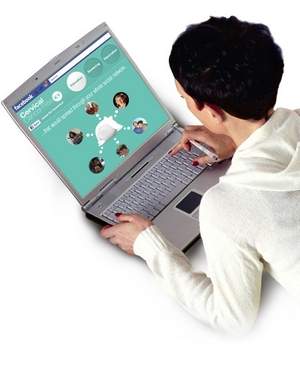
To raise awareness about cervical cancer and ways to avoid getting it, the Cervical Cancer-Free Kentucky Initiative has created a Facebook application that "incorporates pictures of users' Facebook pals into an educational video on cervical cancer," reports Darla Carter of The Courier-Journal.

"We want to get the message [to] where we know people are getting their information, and Facebook, Twitter and websites are 'the things'," said Dr. Baretta R. Casey, director of the University of Kentucky initiative.

The application can be found at www.causethemovement.org. "Their friends' and family's faces will actually come up into the video," Casey said, to make the subject resonate more with the viewer.

The goal is to educate women about cervical cancer, which can be prevented through screening and the HPV vaccine. The disease is more likely to occur in women over the age of 30, according to the Centers for Disease Control and Prevention. There are 12,170 new cases of cervical cancer each year and 4,220 deaths, according to the National Cancer Institute. The American Cancer Society states there will be 180 new cases in Kentucky this year.

The most common cause of the cancer is the human papilloma virus, which is transmitted sexually. Two HPV vaccines, Gardasil and Cervarix, have been approved by the U.S. Food and Drug Administration.

"Right now, this is the only vaccine on the market that can prevent a cancer," Casey said. "I have a daughter and I have a granddaughter, and they have both received the HPV immunization because I don't ever want them to come and look at me and say, 'Mom, why didn't you give me this shot? I wouldn't be going through treatment for cervical cancer now.'"

Women can be screened for the disease with a Pap test, which detects abnormal cells that could lead to cancer. (Read more)

Monday, January 23, 2012

UK opening new operating rooms, including high-tech hybrid

The region's first hybrid operating room, one that adds imaging and robotics to traditional surgery, is opening this week at the University of Kentucky Albert B. Chandler Hospital. The only other hybrid OR in Kentucky is at the Trover Clinic in Madisonville, according to Kristi Lopez of UK Public Relations.

News media are being invited to see demonstrations and tour the facility, as well as eight new operating rooms opening in the next phase of the hospital's construction, on Wednesday afternoon. Those on the 1:30 p.m. tour will include Dr. Michael Karpf, UK's executive vice president for health affairs; Ann Smith, the hospital's chief administrative officer; Dr. Joseph "Jay" Zwischenberger, UK HealthCare surgeon-in-chief; Dr. Bernard Boulanger, surgical services director; Dr. David Minion, a vascular and endovascular surgeon; and Dr. Justin Fraser, a neurosurgeon.

"Advantages to a hybrid operating room include greater accuracy of surgical procedures, reduced recovery time, and reduced risk of postoperative complications," a UK press advisory said. "Vascular and endovascular surgeries will begin being performed in the new OR in the next few weeks."

Journalists wanting to take the tour and watch the demonstrations should park in the UK HealthCare parking garage at South Limestone and Transcript Avenue and meet university public-relations representatives promptly at 1:30. For more information or assistance, call or text Lopez at 859-806-0445.

Saturday, January 14, 2012

Electronic health records are helping nurses provide better care, big study finds

Electronic health records are helping nurses get better health outcomes and are improving nursing care, the first big study on the subject has found.

The study conducted by the University of Pennsylvania School of Nursing involved 16,000 nurses at 316 hospitals in California, Florida, Pennsylvania and New Jersey. It found that "implementation of an EHR may result in improved and more efficient nursing care, better care coordination, and patient safety," wrote lead author Ann Kutney-Lee, a health-outcomes researcher at Penn Nursing.

The study, which was published in the Journal of Nursing Administration, also found, "having a basic EHR was associated with better outcomes independently of nurse staffing, indicating that they both play an important role in quality of care."

Nurses in hospitals that had comprehensive EHR systems were "significantly less likely to report unfavorable patient safety issues, frequent medication errors, and low quality of care," research-reporting service Newswise reports.

The most current estimates show just 12 percent of U.S. hospitals have an EHR system in place, but that will change with the Health Information Technology for Economic and Clinical Health Act. Starting in 2011, hospitals and physicians received incentive payments from Medicare and Medicaid to switch over to EHRs. The study did not measure outcomes in rural vs. urban settings "although we do know from other studies that hospitals that used electronic health records during this time period were less likely to be in rural areas," Kutney-Lee said. (Read more)

Friday, January 6, 2012

Device lets diabetics get blood-sugar levels using Web, iPhone

Starting next week, diabetics will be able to test their blood-sugar levels using a device that instantly sends their readings to an online database that can be accessed by the patient, doctor or caregiver. “This system charts the results to highlight trends and spot problems, and can be accessed via a Web browser or an iPhone app,” writes Walt Mossberg in a column in The Wall Street Journal.

With 366,000 adults in Kentucky already diagnosed with diabetes, the technology could signal a big change in diabetic care and could be a boon for diabetics living in rural areas.

Mossberg, a Type 2 diabetic, used the new device, made by Maryland-based Telcare, and assessed it uses. Looking like a “thick, old cellphone,” it works like a traditional meter, requiring the user to prick their finger to get a drop of blood and touch a test strip to it. That information is then sent to an online database. “Because it automatically logs results and allows real-time sharing, I believe diabetics who use this new system will be less likely to skip readings, or to fudge the numbers, especially if they allow doctors and other caregivers to see the results instantly. And that could mean an improvement in their health,” he writes.

Monday, October 31, 2011

Cyber predators have easier access to children because of phones, video games

Child predators have it easier than ever to entice their young victims, due to the ever-growing accessibility of the Internet. "It's a lot easier now than everybody has the Internet in their pocket," Lexington Police Detective David Flannery told Karla Ward of the Lexington Herald-Leader. "Every day that we think of a way to combat it, people are thinking of a way to get around us," Flannery said. "It changes every day, and you have to keep up with it."

Using the World Wide Web to lure children for sex acts has skyrocketed since 1998, when the National Center for Missing and Exploited Children received 707 reports of people trying to entice children via the Internet. In 2008, there were 8,787 reports.

"Computers and cell phones remain the primary means of communication, but game systems including Xbox 360, Nintendo DS and Wii also can be connected to the Internet, giving predators another way to gain access to children," Ward reports.

Though parents are becoming more aware, more education is needed, said Erin May Roth, an assistant U.S. attorney and the Project Safe Childhood coordinator for the Eastern District of Kentucky. "What they don't really think about is the fact that their kids are going to sleep with their phone," she said.

Flannery is the only police officer in Lexington assigned full-time to investigate Internet crimes against children. While he does not go into detail about his methods to track down predators, the concept involves pretending. "Anything that a kid can do, we can do," Flannery said.

Sometimes officers from several agencies and departments work together. The Kentucky State Police administers an Internet Crimes Against Children Task Force, the state attorney general's office has a similar unit, and, because cases can involve a number of jurisdictions, sometimes the Federal Bureau of Investigations, the U.S. Postal Service, the Secret Service and U.S. Immigrations and Customs Enforcement are involved.

Mother Frieda Curry, right, discovered her 14-year-old daughter was entangled with a 38-year-old man who initially pretended to be 16. She contacted the Richmond Police Department and found more than 40 text messages and 10,000 pages of messages and videos on the computer. "I was frantic," she said. "I was in the worst state I've ever been in." (Photo by H-L's David Perry)

But Curry, whose daughter is now in college, dealt with the problem and the predator was sentenced in U.S. District Court to 10 years in prison. Thinking about the crimes can be difficult, but "only by shining a light on the problem will we ever hope to find a solution for it," said Assistant Commonwealth's Attorney Lou Anna Red Corn. (Read more)

Tuesday, August 30, 2011

Appalachian Regional Commission conference in Prestonsburg Sept. 7-9 to focus on improving access to health care

Featuring the insight of 42 federal, state and local health experts, officials and community leaders, the Appalachian Regional Commission's Healthy Families: Healthy Future conference will be held Sept. 7-9 in Prestonsburg.

The keynote address will look at different ways access to quality health care can be expanded. It will be given by Marcia Brand, deputy administrator of the Health Resources and Service Administration. HRSA is the primary federal agency for improving access to health-care services for people who don't have insurance, are geographically isolated, or are medically vulnerable.

Other conference topics include childhood obesity and diabetes; substance abuse in adolescents; improving access to dental care for children; health information technology; and Appalachian perspectives on infant mortality reduction.

The conference will be at Jenny Wiley State Resort Park in Prestonsburg. To register, click here. Online registration ends Wednesday, Aug. 31.

Friday, June 3, 2011

Pediatrics academy tells parents to monitor kids' online activities

A report from the American Academy of Pediatrics stresses children's physicians can play a vital role in educating parents about setting limits for kids when it comes to technology like texting and Facebook.

"Pediatricians are in a unique position to help families understand these sites and to encourage healthy use," the report says. The academy recommends that parents communicate often with their kids about time spent on computers, both to make sure it is not harmful to them and it doesn't conflict with family time. "I think even in the tween years, this has to be happening because ... more and more, pop culture is percolating down to tweens," Dr. Kathleen Clarke-Pearson, a North Carolina pediatrician and co-author of the report, told The Courier-Journal's Darla Carter.

Parents should look for signs of sleep deprivation and "Facebook depression," which can happen when children spend a lot of time on social media sites. Parents should also have a plan regarding when electronics should be allowed to be used at home, during dinner or at bedtime, for example. Parents should also talk to their children about how to be a "responsible digital citizen," Clarke-Pearson said, which involves talking about subjects like sexting, cyberbullying or posting inappropriate matter or comments.

Kids and teens can be influenced by social media and other websites to try risky behavior, such inhaling chemicals or trying the choking game, experts say. "The mantra basically is it's not going to happen to me, so they will do these things because everybody else is," Dr. Hatim Omar, a pediatrics professor at the University of Kentucky, told Carter.

Earlier this year, the academy reported about one in five teens log onto their favorite social media site more than 10 times a day, and more than half log on more than once a day. "It also notes that 75 percent of teens own cell phones and 25 percent use them for social media while 54 percent use them for texting and 24 perfect use them for instant messaging," Carter notes. (Read more)