Showing posts with label health insurance. Show all posts

Sunday, August 11, 2024

13 of Kentucky's 71 rural inpatient hospitals at risk of closing, with six of them at immediate risk, a national policy center estimates

Center for Healthcare Quality and Payment Reform map
By Melissa Patrick
Kentucky Health News

Thirteen of Kentucky's 71 rural inpatient hospitals are at risk of closing, and six of those are at immediate risk of closing, according to the latest analysis of Hospital Cost Reports by the Center for Healthcare Quality and Payment Reform, a policy center that says it works toward patient-centered, affordable health care. 

The report does not name the 13 hospitals, but it does offer a wealth of financial information about most rural hospitals in Kentucky and every other state, including critical access hospitals and rural emergency hospitals that are not designated as rural.  

The center says its analysis is based on financial data from the most recent cost reports that hospitals must submit annually to the Centers for Medicare and Medicaid Services. The financial report shows rural hospitals' operating margins, profits and losses on patient services and revenues and costs on patient services and those that are not directly tied to patient care. 

Low reimbursement rates from Medicare and Medicaid are often blamed for why rural hospitals have such ongoing financial troubles, but the center expands that list to all types of insurance, saying in the report, "losses on private insurance patients are the biggest cause of overall losses" in at-risk hospitals. 

"The only way to prevent more closures of services and hospitals is for all health insurance plans, including Medicare Advantage plans, commercial insurance plans, and Medicaid programs, to pay rural hospitals enough to cover the higher costs of delivering services in rural areas," the center says in a news release. 

The center also states that the federal  Rural Emergency Hospital program, which forces rural hospitals to eliminate inpatient services in order to receive large federal grants, "is not a solution to these problems" because it eliminates much-needed services in a community. Kentucky has one such hospital, Crittenden Community Hospital in Marion, Ky. 

Instead, the center calls for change in how rural hospitals are paid and proposes a method of payment that calls for all payers to start providing "standby capacity payments" to rural hospitals to cover the fixed costs of essential services such as emergency care, inpatient care and maternity care. 

What the numbers show

According to the center's "Data on Rural Hospitals" financial status report, using data from the three most recent years for which Hospital Cost Reports are available, 15 rural hospitals in Kentucky lost money (defined as "negative total margin");  19 others lost money on patient services, but not overall; and 10 lost money on patient services and overall. 

The 15 listed with negative total margins are in Fulton, Pineville, Irvine, Carlisle, Madisonville, Shelbyville, Albany, Manchester, Owenton, Mount Sterling, Marion, Burkesville, South Williamson, Campbellsville and Russellville.  

The 10 cited that lost money on patient services and overall are in Pineville, Irvine, South Williamson, Marion, Mount Serling, Shelbyville, Albany, Owenton, Manchester and Fulton. 

The 19 listed that lost money on patient services, but not overall are in Martin, Columbia, Prestonsburg, Benton, Hazard, Paintsville, Danville, Greenville, McDowell, Harlan, Salem, Middlesboro, West Liberty, Carrolton, Russell Springs, Monticello, Tompkinsville, Hardinsburg and Whitesburg.

The report explains several ways that a hospital could lose money on patient services, but not overall. 

"Many hospitals have managed to remain open despite losses on patient services because they receive local tax revenues or state government grants," says the report. "However, there is no guarantee that these funds will continue to be available in the future or that they will be sufficient to cover higher costs." 

For example, the report notes that the federal assistance many hospitals received during the pandemic has ended, which has resulted in more than one-third of rural hospitals losing money overall in 2022-23. 

It also says that some hospitals have financial reserves to offset the loss of inpatient services, adding that "the hospitals at greatest risk of closing have more debts than assets . . . to offset their losses on patient services for more than a few years."

What's Kentucky doing? 

The previous report said 16 rural Kentucky hospitals were at risk of closing and 10 of those at immediate risk of closure, higher than this year's 13 and six, respectively.  

More information is needed to know why the number of at-risk hospitals in Kentucky is lower than they were in last year's report, but what is known is that Kentucky legislators have passed laws to help support them. 

Kentucky Cabinet for Economic Development table 
For example, in 2020 they created the Kentucky Rural Hospital Loan Program, a revolving loan fund for distressed rural hospitals, and in 2021, funding of $20 million. 

The original bill allows the Cabinet for Economic Development to provide loans to struggling hospitals to maintain or upgrade facilities; maintain or increase staff; or provide health services not currently available. The low-interest loans can run up to 20 years and are available to hospitals in counties with fewer than 50,000 people.

So far, eight Kentucky hospitals have been approved for projects, with $7.2 million in funds authorized. They are Pineville Community Health Center, Baptist Health Deaconess Madisonville, Rockcastle Hospital & Respiratory Care Center in Mount Vernon, Trigg County Hospital in Cadiz, Crittenden Community Hospital in Marion, Ohio County Hospital Corporation in Hartfort, Deaconness Union County Hospital in Morganfield and ARC Health Systems in Ashland.  

Of this list, the hospitals in Pineville and Madisonville and the Rural Emergency Hospital in Marion have negative total margins. 

Laws have also been passed to allow Kentucky hospitals to get more money from Medicaid, basing payment on the "average commercial rate" instead of the current Medicaid rate, which is often below that amount. This legislation was passed under two bills -- the first in 2021 that addressed higher rates for inpatient care and the second, passed in 2023, that addressed higher payments for outpatient care, which is the one that is most beneficial to rural hospitals. 

More recently, the Kentucky Hospital Association gave a detailed overview of the 340B drug discount program at the July 30 Interim Joint Committee on Health Services and asked for help to secure these payments with contract pharmacies as a way to ensure rural hospitals can keep providing many of the programs they support. 

KHA President Nancy Galvagni explained that the 340B program requires pharmaceutical companies to sell drugs to covered hospitals and their contract pharmacies at their best price, allowing Kentucky hospitals to then invest their 340B savings to provide patient services that otherwise would not be available. 

For example, she said the savings from the 340B program allows some hospitals to "keep the doors open." Others, she said, use it to offer low-cost medications for the uninsured, cancer programs and hepatitis C clinics, and to support their charity care.   

Galvagni added that because some hospitals don't have in-house pharmacies, they contract with local pharmacies to provide the medications covered by the 340B program. 

"The problem we face is the large pharmaceutical manufacturers have refused to deliver the medications covered by the 340B program to our contract pharmacies," she said. "That refusal by these large, highly profitable multinational corporations to deliver medications to the contract pharmacies creates massive losses for the critical programs our patients need. Without the savings from the 340B program, critical health services will become unaffordable, and hospitals simply won't be able to provide the care that is funded from the 340B savings." 

In closing, Galvagni asked the General Assembly to enact legislation to require the delivery of these 340B medications to contract pharmacies in Kentucky, as six other states have already done and 19 more are working on. 

The center's figures can be downloaded at https://ruralhospitals.chqpr.org/Data1.html.

Friday, August 2, 2024

Lawmakers join Ky's largest addiction treatment provider to oppose Medicaid payment cuts; centers trying to negotiate cuts

By Deborah Yetter and Tom Loftus
Kentucky Lantern

The state’s largest provider of drug and alcohol treatment is warning that looming cuts in Medicaid reimbursement to some providers could damage efforts to curb addiction that has engulfed Kentucky — just as the state is showing improvements.

Matt Brown
“Kentucky has made significant strides in access to treatment,” Matt Brown, chief administrative officer for Addiction Recovery Care, or ARC, told a legislative committee Tuesday. “With these cuts, it could completely set back addiction treatment in our state 20 years.”

A handful of companies that provide substance use disorder treatment, including ARC, have been notified they face cuts of 15% to 20% from some private insurers that handle most Medicaid claims, Brown told the committee.

Brown noted that overdose deaths in Kentucky have declined for the past two years after years of rising. Kentucky also has the most treatment beds per resident, most of them through ARC, he said.

The state’s latest annual overdose report, released in June, shows a decrease in deaths to 1,984 from 2,200 the year before, a decline of 9.8%.

Brown was joined by Deron Bibb, chief financial officer for Stepworks, a recovery program based in Elizabethtown, and ARC executive John Wilson, also executive director of the Kentucky Association of Independent Recovery Organizations, speaking to the interim joint Health Services Committee about the cuts.

“This will likely result in higher overdose rates, higher recidivism, more crime and incarceration,” Bibb said. “We need to understand the full scope and impact of these cuts.”

The cuts have been announced by three of the six managed care organizations, or MCOs, private insurance companies that handle claims for most of the state’s $16 billion-a-year Medicaid program, Brown said.

Under their contracts with the state, the MCOs generally have authority to set rates they pay providers. The state pays MCOs a fixed amount per member to cover Medicaid costs.

One company also has begun notifying patients it will no longer cover addiction services at ARC effective Sept. 30, Brown said.

He did not identify the MCOs that have announced cuts and declined to do so after the hearing, saying ARC and other companies are still attempting to negotiate with them.

The Kentucky Association of Health Plans, which represents the MCOs, said in a statement released Thursday by spokesman Tyler Glick, that its members “are proud to work collaboratively with quality, trustworthy providers of behavioral health and substance use disorder treatment” and access to those services is “top of mind” to ensure those in need receive care.

“Health plans strive for the best networks possible and are encouraged by the state to prioritize plan member outcomes and value-based care,” it said.

Sen. Stephen Meredith, R-Leitchfield and co-chairman of the health committee, said Tuesday the lawmakers likely would seek more testimony on the subject, including from the MCOs.

“I know there’s two sides to every story,” he said.

Wellcare, with 420,000 members, is the largest of the six MCOs followed by Passport by Molina, Aetna, Anthem, Humana and United HealthCare. Together they oversee payment of Medicaid claims for about 1.4 million Kentuckians.

Wilson said the recovery organization he represents wants to make sure lawmakers are aware of the situation and already has asked them to voice concerns.

“There’s going to be real world consequences and I think it’s important to let legislators know what’s taking place,” he said.

Some defenders benefitted from owner’s largesse

Several lawmakers have signed letters urging that the MCOs suspend any cuts to substance use treatment until the General Assembly can further review the matter. They include some in key leadership positions and some who have benefited from campaign donations from ARC founder and owner Tim Robinson and his employees.

ARC, a for-profit company based in Louisa, has emerged as the state’s largest and fastest growing provider of addiction services, financed largely by Medicaid, the government health plan with the majority of funds from the federal government. Growth took off after 2014 when substance use treatment was included in the Medicaid expansion authorized by the Affordable Care Act.

The Lantern reported the company took in about $130 million last year in Medicaid funds and was by far the largest recipient of the about $1.2 billion the state spent on substance use treatment.

The company and Robinson also have become among Kentucky’s major political donors with more than $500,000 in contributions over the last decade — with funds divided among Republican causes and those of Gov. Andy Beshear, a Democrat, the Lantern reported earlier this month, citing campaign finance and other public records.

Sen. Phillip Wheeler, R-Pikeville, who has received $19,900 in contributions from Robinson, his wife Lelia and ARC employees since 2016, on July 9 sent a letter to Kentucky Medicaid Commissioner Lisa Lee urging the cuts for addiction services be suspended “until the legislature fully understands the reasons behind them.”

“Kentucky has made great progress in tackling the addiction crisis that has touched so many of our constituents, neighbors, colleagues, friends and family members,” Wheeler said.

Cutting reimbursement now “could negatively affect some of our most vulnerable citizens and prevent us from seeing these positive trends continue,” his letter said.

A similar letter addressed to “to whom it may concern” was signed by Rep. Patrick Flannery, R-Olive Hill, who has received about $17,000 in campaign contributions from Robinson and ARC employees.

Another letter was signed jointly by Senate President Robert Stivers, R-Manchester, House Speaker David Osborne, R- Prospect, Rep. Kimberly Moser, R-Taylor Mill and Meredith. Moser and Meredith are co-chairs of the joint Health Services Committee which heard from ARC and other treatment officials Tuesday.

Republican supermajorities control the Kentucky House and Senate.

Robinson has given $10,000 to the Kentucky House Republican Caucus, and $15,000 to the Kentucky Senate Republican Caucus in the last four years.

Robinson also has given other contributions to campaigns of Republican state legislators in the past decade including $4,100 to Moser and $2,000 to Osborne.

From 2021 through 2023, ARC companies and employees gave about $252,000 to a political committee supporting Beshear, whom Robinson, a Republican, has said he admires and would like to see run for president.

Bibb, Stepworks’ chief financial officer, gave $500 to Flannery in December 2023 and $2,500 to the Kentucky House Republican Caucus in October 2022, according to Kentucky Registry of Election Finance records.

Not asking for more money, just no cuts, says company official

Brown said that one concern of the MCOs is the cost of treatment, in particular long-term treatment for addiction.

ARC understands concerns about costs, but experience shows people with addiction benefit the most from long-term services, Brown told the committee.

“It is not just about surviving from their addiction but thriving in their communities,” he said. “Long-term treatment is vital.”

Without quality treatment, costs to the state will rise elsewhere, Bibb said.

“These costs will not go away,” Bibb said. “They simply will shift back to the emergency room, the judicial system, foster care, homelessness.”

ARC is willing to work with the MCOs and the state to ensure it is using money efficiently and effectively, Brown said after the hearing.

“Everybody’s got to be good stewards,” he said. “We’re committed to helping provide a solution.”

Brown and Wilson said representatives of treatment providers plan to meet with MCOs and state officials in coming weeks to try to resolve their differences.

“We’re not asking for more money,” Brown said. “We’re asking for no cuts.”

Wheeler, in an interview, said he appreciates the support of Robinson, a longtime friend since college together at the University of Kentucky, but that’s not why he sent the letter.

Rather he’s concerned about the impact of cuts of up to 20% on ARC’s services, which he said have helped many people in the region including a brother who benefited from its treatment program.

Also, he said, ARC is a major employer in the area where jobs have been scarce and also trains its clients for jobs.

Tuesday, July 2, 2024

Recovering alcoholic built Kentucky's largest substance-use treatment provider, which has 1,800 beds and 1,350 employees

Map from Addiction Recovery Care website, via Kentucky Lantern, adapted by Ky. Health News
By Deborah Yetter
Kentucky Lantern

LOUISA, Ky. — Around the office at Addiction Recovery Care, Vanessa Keeton is still known as “Client One” — marking her status as the first client of the first recovery center ARC opened as a group home in Lawrence County.

But her official title is vice president of marketing, where she has worked since 2012, a little more than a year after she entered the program known as Karen’s House — choosing it over jail for a string of drug and alcohol-related offenses.

Vanessa Keeton
(Lantern photo by Matthew Mueller)
“Dec. 2, 2010, that was my first day,” she said. “That’s a day I’ll never forget as long as I live. That’s the day that everything changed.”

ARC, too, has changed dramatically since it started as a treatment home for women run by volunteers, based largely on Bible study and prayer.

It now operates as a for-profit company paid $130 million last year by Medicaid, the federal-state health plan which in 2014 expanded access to addiction treatment, or substance-use disorder, as it’s now known.

Gov. Andy Beshear has praised ARC for helping Kentucky — ravaged in recent years by addiction and overdose deaths — become the state with the most treatment beds per resident in the nation, according to an East Tennessee State University study.

“With the help of organizations like ARC, we are working to build a safer, healthier commonwealth for our people,” Beshear said, speaking at an ARC ribbon-cutting for a new facility in March.

Owned by founder and CEO Tim Robinson and his wife, Lelia, the company provides the couple an annual income of about $533,400, according to a 2022 tax-filing by Odyssey Inc., a non-profit affiliated with ARC.

Tim Robinson (Lantern photo by Matthew Mueller)
Robinson said he and his wife struggled financially for years while establishing the treatment business — facing potential foreclosure on their home and repossession of their car. He doesn’t think that income is unreasonable.

“We took a lot of risks,” said Robinson, 48, a lawyer and recovered alcoholic who says he has been sober since 2006 — two years before he started building the faith-based treatment business that would become ARC. “I’m living the American dream. I’m doing better than I ever thought I could be doing financially.”

Kentucky’s largest provider

The fast-growing company is by far the state’s largest substance-use treatment provider, with 1,800 residential beds in 24 Kentucky counties, and reaches hundreds more clients through outpatient services. ARC, which estimates it provides 75% of treatment beds in Kentucky, also is planning programs in Ohio and Virginia.

Earlier this year, ARC opened a 40-bed behavioral health unit with plans to expand to 300 at the former Our Lady of Bellefonte Hospital in Ashland, which closed in 2020. In 2020, ARC opened its largest center — with a capacity for 700 — on the campus of St. Catharine College in Springfield, which closed in 2016.

ARC is no longer simply a treatment organization, said Matt Brown, a former ARC client who overcame addiction and now serves as ARC’s chief administrative officer and president of ARC Healthcare. “We view ourselves as a behavioral health system,” Brown said.

While Christian faith remains at the heart of its mission, ARC relies on professional therapists, medical specialists including nurses and doctors, a structured treatment program and medication such as Suboxone to reduce the cravings of some patients for drugs and help them maintain sobriety, Robinson said.

Its religious component — which includes tracking how many clients decide “to follow Christ” (1,320 in 2023) — is strictly voluntary, according to Robinson, who said he was able to get sober in 2006 with the help of a local pastor and friend who “led me to the Lord.”

More importantly, he said, is that the number of clients who agree to stay in long-term treatment up to six months has increased steadily, which he thinks is the best indicator of effectiveness of the program.

Medicaid, which funds the majority of substance treatment, doesn’t require programs to measure outcomes.

But ARC measures its own outcomes, which it reports to Medicaid quarterly, Robinson said. That includes a retention rate of around 70% of its clients in treatment for up to six months and even longer through periodic contact with a case manager.

“I’ve been in this a long time,” Robinson said. “Long-term residential treatment is the reason people recover.”

As an indicator of success in addressing addiction, the Beshear administration points to the decline, for the second year in a row, of overdose deaths in Kentucky.

The state’s latest overdose report, released in June, shows a decrease in deaths to 1,984 from 2,200 the year before, a decline of 9.8%.

Last year, ARC received about $130 million in payments from Kentucky’s Medicaid program — more than double the amount of its closest competitor, Spero Health, a Nashville- based company that received $60 million in Kentucky Medicaid funds in 2023, according to the Cabinet for Health and Family Services, which licenses and oversees treatment facilities and Medicaid.

ARC accepts private insurance, but Robinson and Brown said almost all of the company’s revenue is from Medicaid, since their clients generally have lost jobs and any health insurance because of addiction.

The state spent $1.2 billion on substance-use-disorder services in the fiscal year that ended June 30, 2023, with most funds coming from the federal government, according to the cabinet.

Robinson, a former county prosecutor who started his business from a home office in Louisa, has emerged as a major political donor and well-connected business leader who recently joined the Kentucky Chamber of Commerce board.

Beshear singled out Robinson for recognition in his State of the Commonwealth speech in January, calling him “an essential partner in our fight against addiction.”

Robinson, a lifelong Republican, is effusive in praise for Beshear, a Democrat, in part because of the governor’s emphasis on addiction treatment and the governor’s frequent references to his own religious faith.

“I’ve never been for anybody like I’ve been for Andy Beshear,” Robinson said. “I hope he runs for president.”

‘Treatment on demand’

ARC employs 1,350 people, 500 at its headquarters in Louisa, population 2,600, perched above the forks of the Big Sandy River, across from West Virginia. The company is Lawrence County’s largest employer, even more than the school system.

About 40% of its workers are “graduates” of its treatment program, Robinson said, and most of its upper management — himself included — are in recovery from addiction.

ARC promises “treatment on demand,” and operates a 24-hour hotline people can call to identify help within 15 minutes, including transportation, if needed, to one of its centers. Last year it served more than 12,000 individuals from 119 of Kentucky’s 120 counties.

Tim Robinson in front of one of his buildings in 
downtown Louisa (Lantern photo by Deborah Yetter)
It has developed a network of job-training programs including welding, automotive repair, lawn service, culinary arts, chaplaincy and food service. As part of that, ARC has rebuilt more than a block of rundown buildings in downtown Louisa into a coffee shop, commercial kitchen, community theater and an event space.

It offers clients a chance to get certification toward a trade and get college credit for some training.

ARC owns a pharmacy used to provide medication to clients, a laboratory for medical testing and operates a health clinic in Louisa. Also, Tim and Lelia Robinson founded the private Millard School, a Christian academy in Louisa attended by some children of their employees.

Vanessa Keeton and her husband James live in Louisa and their son attends the Millard School. James, a 2011 ARC graduate, manages the Second Chance garage which repairs and restores vehicles for the public as well as maintaining an ARC fleet of about 200. “We restore cars and we restore lives,” he said.

ARC runs a sophisticated marketing program complete with a website, billboards, television and radio commercials, a social media presence, sponsorships and news releases, contracting with the Louisville-based public relations firm, RunSwitch. Scott Jennings, a CNN commentator and Republican political consultant, is one of RunSwitch’s founding partners. ARC spends about 4.5% of its revenue, or about $5.8 million a year on marketing.

Vanessa Keeton said the marketing is important to promote awareness of its services to those in need, “to meet people where you are.”

‘Dangerously brilliant’?

Some outsiders criticize ARC for its rapid growth, its size and Robinson’s political giving, including Mark La Palme, the founder and former CEO of Isaiah House, a treatment program based in Harrodsburg.

La Palme, now retired, said he worked with Robinson on a project in the mid-2000s but parted ways over disagreement with practices including designating clients as “interns” in ARC programs for low pay while in treatment, saving the company the cost of paying a regular employee.

He calls ARC “huge,” has called it a “bully” in a social media post and questions its rapid expansion. La Palme also questions the prolific giving of Robinson and ARC entities, which rank among the state’s major political contributors.

“It seems like you’re buying political influence,” he said.

But he acknowledges that Robinson has been highly effective in building ARC into the state’s largest treatment system: “He’s dangerously brilliant.”

Robinson said he considered La Palme a friend and colleague but they parted ways after a proposed collaboration fell through. Robinson said ARC’s programs meet all state standards, are accredited and the company works to provide high quality care.

He said internships are a way of introducing people to job skills they will need to succeed once they leave treatment and interns in various job training programs receive a paycheck either through ARC or an outside employer.

Robinson said he doesn’t apologize for political giving, seeing it as a way to support causes and politicians he believes in.

And he doesn’t think ARC is too big, saying that the company had to expand to remain viable within the constraints of Medicaid reimbursement, which pays for most of its clients. “We had to grow to survive,” he said.

The Robinson employees who spoke with Kentucky Lantern, including Brown, are highly enthusiastic about the boss.

Brown, trained as a physical therapist, battled addiction for 18 years before coming to ARC as a patient and remaining as an employee.

Robinson is “a visionary,” Brown said during a tour of ARC properties in Louisa, “He sees things in people before they see it in themselves.”

‘Papaw taught me’

Robinson said he grew up in adjoining Martin County, in “the poorest part” of a poor county. His introduction to business came from his grandfather who owned a country store. “He put me on a pop carton to run the cash register,” he said. “Papaw taught me about business.”

Another boyhood business venture of Robinson’s — selling baseball cards — would provide a life-changing entrée into college and law school, when he was befriended by Inez banker and businessman Mike Duncan, a former Republican national chairman and mentor to many young people in Martin County.

Robinson said he and Duncan crossed paths when he began selling baseball cards to Duncan's son, Robert M. “Rob” Duncan, who was appointed U.S. attorney for Eastern Kentucky under Donald Trump. Duncan is now the top deputy to state Attorney General Russell Coleman.

Robinson said he considers both Duncans friends but remains closest to Mike Duncan, a trusted friend and adviser. He said Mike Duncan, showed interest in his boyhood baseball-card venture and became a mentor, encouraging Robinson to go to college — a prospect he hadn’t considered.

“Nobody in my family ever went to college,” Robinson said.

But with Duncan’s encouragement, Robinson graduated from the University of the Cumberlands in Williamsburg, earned a law degree from the University of Kentucky and was elected student body president at both institutions.

Good times and bad times

“He helped me through the good times and the bad times,” Robinson said.

Among the worst times: Robinson’s 2003 indictment for felony vote fraud while he was student body president at UK, after some 750 voter registration cards collected during a student government drive were never turned in. Apparently forgotten, they were later found in a student-government office, according to a 2003 Lexington Herald-Leader story.

“It was devastating,” Robinson said. “I thought my whole life was over.”

Instead, with the help of his lawyers, Robinson pleaded guilty to a lesser misdemeanor charge of failing to turn in the registration cards and paid $90 restitution. Robinson said he dropped out of law school during the legal case, but was readmitted and graduated.

But that ordeal, plus the death of his mother while he was at UK, “finished my mental health off,” Robinson said. He returned home to Eastern Kentucky to work but alcohol by then had a powerful hold on his life.

Back in Lawrence County, Robinson joined in law practice with a friend and became an assistant county attorney but by then said he had become a “raging alcoholic” though still somehow able to perform his job.

He would drink on weekends, come to work on Mondays hung over and avoid alcohol on days he had to be in court. Toward the end of the week, Robinson said, he’d resume drinking and stay drunk till the following Monday. “I was leading kind of a double life,” he said.

That continued until a deputy sheriff at the courthouse where Robinson worked intervened. The deputy, also a pastor and a recovering alcoholic, helped Robinson stop drinking through prayer and support — taking him with him to nightly events where he would preach and play Bluegrass music.

Though Robinson said he knew nothing about treatment or programs such as Alcoholics Anonymous, he decided he needed to expand services in the region that in the mid-2000s offered little.

“I was convinced God was calling me to stop practicing law and start a recovery center,” Robinson said.

So he did, leaving his law job and starting out of a home office on Nov. 3, 2008.

Robinson got help from Rev. Ralph Beiting, a Catholic priest who founded the Christian Appalachian Project. Together they opened a recovery house for women in Lawrence County called Karen’s House.

It was a makeshift operation run by volunteers with donated goods, including some old Army cots. Meanwhile, Robinson was taking men to the closest treatment center, Chad’s Hope in Clay County, getting occasional funding from Operation UNITE, launched in 2003 by U.S. Rep. Hal Rogers to help Kentucky battle rising addiction — in particular the tide of opioid pain pills engulfing the state.

But broke and discouraged, Robinson was close to quitting when he contacted a consultant who suggested he expand by opening a second recovery center for men. He located a site in Fleming County and in 2013, Belle Grove Springs was opened by the company that would become ARC.

Brown, now ARC’s chief administrative officer, was among the first clients admitted to the men’s center.

The following year, under the expansion authorized by the Patient Protection and Affordable Care Act, Medicaid began funding substance use disorder services and a reliable funding stream opened. Kentucky was among the first states to include addiction as a service covered by Medicaid.

While the income was welcome, it wasn’t enough to finance ARC’s operation and Robinson said the company’s only choice was to expand and recoup more money through a higher volume of clients. “People thought we were growing because we were booming but we had to grow to survive,” he said. “You cannot make it on a couple of small facilities.”

ARC didn’t show a positive cash flow until 2019, he said.

‘Take our time’

While ARC expansion has slowed, Robinson said the company is still looking at other opportunities, including expansion into Virginia, which has far fewer treatment beds than Kentucky. “We’re going to take our time,” he said.

ARC also was flagged in a budget item this year by the state General Assembly with a $12 million allocation over two years directed to the Life Learning Center in Covington, an organization aimed at helping people develop skills to improve their lives “through gainful employment.”

The budget line says the funds are to be distributed to the center to support “treatment, rehabilitation, and community reintegration in partnership with Odyssey Inc.,” the non-profit arm affiliated with ARC.

Robinson said he expects Odyssey to submit a proposal as treatment provider for a program the center plans to establish in Somerset.

And while his work has expanded statewide and beyond, Robinson said he’s committed to staying in Louisa and keeping his company headquartered there.

“I’m where I’m going to be,” he said. “This is my adopted hometown.”

Saturday, June 15, 2024

Independent pharmacists start ads asking Congress for relief from pharmacy benefit managers, ask Supreme Court to hear a case

Photo by Getty Images via The Commonwealth Fund
Kentucky Health News

Independent community pharmacists have begun an advertising campaign to get Congress to rein in pharmacy benefit managers, the middlemen between drug and health-insurance companies. They are also challenging a court ruling that could negate the PBM reforms made by Kentucky and other states.

The ad campaign was launched Thursday, June 13, by the National Community Pharmacists Association. Its CEO, B. Douglas Hoey, said "Eighty percent of all prescriptions in the U.S. are controlled by just three pharmacy benefit managers, and they are all owned by or affiliated with the largest insurance companies in the country. These are Fortune 15 corporations that behave like monopolies, and they are hurting patients with higher prescription costs and killing off small businesses at the average rate of one every day. There is broad bipartisan support in Congress for reform, and we are determined to get it passed before the end of the year."

On Friday, June 14, NCPA joined other pharmacy groups in asking the U.S. Supreme Court to reverse a recent decision from the Tenth Circuit Court of Appeals against a 2019 Oklahoma law than bans PBMs from requiring patients to pick up their prescriptions from PBM-affiliated pharmacies. The groups say the ruling "imperils laws enacted in almost every other state following the 2020 Supreme Court ruling" that approved state regulation of PBMs, reports Gabrielle Wanneh of Inside Health Policy.

In 2023, the Kentucky General Assembly passed Senate Bill 188, aimed at keeping the state's independent pharmacies from closing. It sets dispensing fees, bans PBMs from forcing patients to get their drugs through mail order, and keeps them from steering patients to pharmacies that they own. The PBMs argued that the law will cause insurance premiums to increase and its mandates in the bill won't allow businesses to gain from savings that PBMs offer.

Independent pharmacies say they are losing money because of low fees paid by PBMs. The bill sets a minimum dispensing fee of $10.64 per prescription for the state's independent pharmacies until a study of dispensing costs is completed by the state Department of Insurance. This "gap-fill payment floor" will not be available to chain pharmacies. The results of the study will eventually dictate what the dispensing fee should be going forward. The study is to be repeated every two years, with fee adjustments made accordingly.

The law, sponsored by Sen. Max Wise, R-Campbellsville, also prohibits a PBM from reimbursing a pharmacy that it owns at a higher rate than a community pharmacy, or from keeping a community pharmacy from filling a 90-day prescription for a maintenance drug. And a PBM will not be able to penalize a community pharmacy from sharing information with a patient on the cheapest option to pay for their medications.

Friday, May 10, 2024

17 Ky. schools have free online mental health wellness course

Kentucky Health News map; for a larger version, click on it
More than 1,500 students in 17 Kentucky schools recently gained access to a free digital course on mental wellness, provided by the Medicaid program of Anthem Inc., one of the health insurers that manages the federal-state health program in Kentucky.

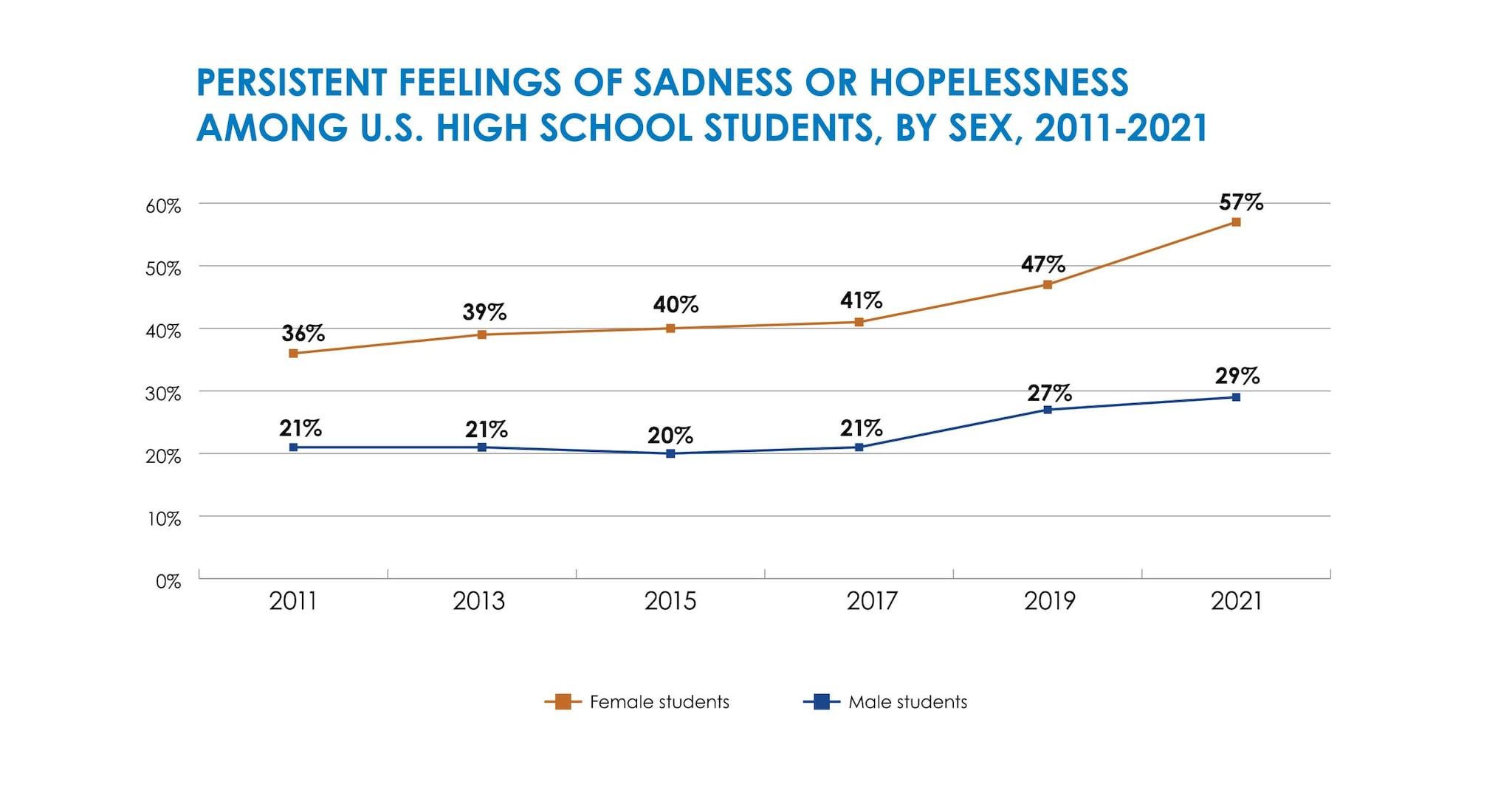
"The announcement comes during Mental Health Awareness month and as more adolescents, especially girls, report depressive symptoms," notes Sarah Ladd of the Kentucky Lantern.

The 17 schools in the program are Clay County Middle School, Daviess County High School, Estill County High School, Grant County Middle School, Graves County High School, Grayson County Middle School, Hazard Middle School, Henderson County High School, Bazzell Middle School in Allen County, Jenkins Independent School in Letcher County, Lewis County Central Elementary School, Marion County High School, Murray Middle School in Calloway County, Ohio County Middle School, Owensboro Middle School, Russell High School in Greenup County and Webster County High School.

The program has been launched in these schools and will continue into the 2024-25 academic school year, according to Quin Welch, media contact for Anthem Medicaid.

“Understanding Mental Wellness” is a course for students in grades 8, 9 and 10. It has six 15-minute lessons, according to Blackbaud, the digital-services firm that designed the course. 

Anthem says the course exposes students “to the experiences of others in order to develop awareness and empathy, reduce stigma, and provide facts on the prevalence and symptoms of mental health conditions.”

Students then “explore their own mental health, identify challenges they may face, and develop concrete strategies for managing those challenges while increasing their awareness of resources and empowering them with the knowledge, skills, and language necessary to identify and support a peer in need or at risk.”

Ladd reports, "Online previews of the course show a tour of mental health through the program, starting with a lesson on what mental health is and ending with the chance to create a personal wellness plan.

"Since the onset of Covid-19, mental health has worsened. In 2021, the Centers for Disease Control and Prevention found that sadness and hopelessness had increased from pre-pandemic levels, especially for teen girls. In 2017, 41% of female high school students and 21% of male high school students felt sad or hopeless. By 2021, those statistics were at 57% and 29%, respectively."

“Young people need resources and education from trusted sources to protect their mental health,” said Leon Lamoreaux, market president for Anthem Medicaid. He said the program “will help us reach students from all over the Commonwealth and equip them with tools and strategies that will make a positive difference in their lives for years to come.”

Tom Davidson, the CEO of Everfi, said the goal of the program is to help “those who are impacted by mental-health challenges, those who want to build and maintain positive mental health and those who have the opportunity to positively impact the mental health of a friend or peer.”

Friday, May 3, 2024

2% fewer Ky. children were on Medicaid a year after pandemic re-enrollment began; total enrollment, including adults, dropped 9.5%

Top half of Georgetown University table, adapted by Ketucky Health News; to enlarge, click on it.
By Melissa Patrick
Kentucky Health News

Medicaid enrollment of Kentucky's children fell 1.6 percent since the continuous-coverage protections of the pandemic were lifted last year. That was one of the smallest declines in the nation.

Coverage of U.S. children fell 10% in the "unwinding" process, says the report from the Georgetown University Center for Children and Families, based on data from the Centers for Medicare and Medicaid Services.

Kentucky hasn't started the re-enrollment process for children yet because, unlike most states, it worked with the federal government to delay the restart of renewals for children until this September. So did North Carolina.

"The story of Georgetown's report is an incredible good news story that speaks to how well Kentucky did things for kids," said Priscilla Easterling, outreach coordinator for Kentucky Voices for Health, a coalition of health-care advocacy groups.

Nationwide, 4.16 million children were dropped from from Medicaid and the Children's Health Insurance Program, and most would likely still be eligible, says the report. The numbers do not reflect individual children, but the change in total enrollment, which fluctuates from month to month for various reasons.

In Kentucky, 10,477 fewer children were covered than the 648,865 who were enrolled in either Medicaid or KCHIP before the unwinding -- the gradual resumption of annual Medicaid coverage renewals. Renewals in Kentucky began in April 2023.

Overall, Kentucky's Medicaid rolls have declined 9.5 percent in the last year. The number enrolled in April was 1,561,400. County-by-county figures are available from the Cabinet for Health and Family Services.

Cabinet spokesperson Brice Mitchell told Kentucky Health News in an email that Kentucky was the first state to request and get approval to automatically grant children 12 months of continuous coverage, without needing to go through a renewal during the unwinding. 

"The state sought this flexibility to ensure our children kept access to the coverage they need and deserve," Mitchell said. 

The only way a child may be disenrolled during the 12-month continuous coverage period is if the child turns 19, a parent or guardian requests disenrollment, or if the child moves out of state, Mitchell said. 

Easterling said it is expected that the children's renewal period that begins in September will go smoothly since the state will have already processed the adult renewals. 

She also noted that it would be great if the state took advantage of an existing program that would allow continuous coverage for children up to age 3 as some other states have done.  

"We know that kids losing coverage and being uninsured negatively impacts their health and their family's finances, with the risk of big medical bills . . . that a family can't afford to pay," Easterling said.

Wednesday, May 1, 2024

New official recommendation: Women should start every-other-year mammograms at age 40; some groups favor annual scans

Photo illustration from Medical News Today
By Carla K. Johnson
Associated Press

Regular mammograms to screen for breast cancer should start younger, at age 40, according to an influential U.S. task force. Women ages 40 to 74 should get screened every other year, the group said.

Previously, the task force had said women could choose to start breast cancer screening as young as 40, with a stronger recommendation that they get the exams every two years from age 50 through 74.

Tuesday's announcement by the U.S. Preventive Services Task Force makes official a draft recommendation announced last year. It was published in the Journal of the American Medical Association.

“It’s a win that they are now recognizing the benefits of screening women in their 40s,” said Dr. Therese Bevers of MD Anderson Cancer Center in Houston. She was not involved in the guidance.

Other medical groups, including the American College of Radiology and the American Cancer Society, suggest mammograms every year — instead of every other year — starting at age 40 or 45, which may cause confusion, Bevers said, but “now the starting age will align with what many other organizations are saying.”

Breast-cancer death rates have fallen as treatment continues to improve. But breast cancer is still the second most common cause of cancer death for U.S. women. About 240,000 cases are diagnosed annually and nearly 43,000 women die from breast cancer.

The nudge toward earlier screening is meant to address two vexing issues: the increasing incidence of breast cancer among women in their 40s — it’s risen 2% annually since 2015 — and the higher breast cancer death rate among Black women compared to white women, said task force vice chair Dr. John Wong of Tufts Medical Center in Boston.

“Sadly, we know all too well that Black women are 40% more likely to die from breast cancer than white women,” Wong said. Modeling studies predict that earlier screening may help all women, and have “even more benefit for women who are Black,” he said.

Here are more details on what’s changed, why it’s important and who should pay attention.

When should I get my first mammogram? Age 40 is when mammograms should start for women, transgender men and nonbinary people at average risk. They should have the X-ray exam every other year, according to the new guidance. Other groups recommend annual mammograms, starting at 40 or 45.

The advice does not apply to women who’ve had breast cancer or those at very high risk of breast cancer because of genetic markers. It also does not apply to women who had high-dose radiation therapy to the chest when they were young, or to women who’ve had a lesion on previous biopsies.

What about women 75 and older? It’s not clear whether older women should continue getting regular mammograms. Studies rarely include women 75 and older, so the task force is calling for more research.

Bevers suggests that older women talk with their doctors about the benefits of screening, as well as harms like false alarms and unnecessary biopsies.

What about women with dense breasts? Mammograms don’t work as well for women with dense breasts, but they should still get the exams.

The task force would like to see more evidence about additional tests such as ultrasounds or MRIs for women with dense breasts. It’s not yet clear whether those types of tests would help detect cancer at an earlier, more treatable stage, Wong said.

Does this affect insurance coverage? Congress already passed legislation requiring insurers to pay for mammograms for women 40 and older without copays or deductibles. In addition, the Affordable Care Act requires insurers to cover task-force recommendations with an “A” or “B” letter grade. The mammography recommendation has a “B” grade, meaning it has moderate net benefit.

The Associated Press Health and Science Department receives support from the Howard Hughes Medical Institute’s Science and Educational Media Group. The AP is solely responsible for all content.

Tuesday, April 30, 2024

Legislative lobbying reports for last session rank pharmacy-benefit managers fifth, hospitals sixth, Altria 11th, Anthem 17th, docs 18th

The legislature meets in the Kentucky State Capitol.
By Al Cross
Kentucky Health News

The trade association for pharmacy benefit managers, which act as middlemen between drug and health-insurance companies, was the fifth largest reported spender on lobbying the state legislature in the first three months of the year, according to a compilation by the Kentucky Legislative Ethics Commission. 

The Pharmaceutical Care Management Association reported spending $94,694 on lobbying the General Assembly from January through March. The session began Jan. 2 and was over for most purposes by the end of March.

On March 28, the legislature gave final passage to Senate Bill 188, which is intended to keep the state's independent pharmacies from closing. It sets dispensing fees, bans PBMs from forcing patients to get their drugs through mail order, and keeps them from steering patients to pharmacies that they own. The PBMs argued that the law will cause insurance premiums to increase and its mandates in the bill won't allow businesses to gain from savings PBMs offer.

Independent pharmacies say they are losing money because of low fees paid by PBMs. The bill sets a minimum dispensing fee of $10.64 per prescription for the state's independent pharmacies until a study of dispensing costs is completed by the state Department of Insurance. This "gap-fill payment floor" will not be available to chain pharmacies. The results of the study will eventually dictate what the dispensing fee should be going forward. The study is to be repeated every two years, with fee adjustments made accordingly.

The law, sponsored by Sen. Max Wise, R-Campbellsville, also prohibits a PBM from reimbursing a pharmacy that it owns at a higher rate than a community pharmacy, or from keeping a community pharmacy from filling a 90-day prescription for a maintenance drug. And PBM will not be able to penalize a community pharmacy from sharing information with a patient on the cheapest option to pay for their medications.

Several other major lobbying interests dealt with health-care issues. The biggest spender was the Kentucky Chamber of Commerce, at $151,010, followed by the American Civil Liberties Union of Kentucky, at $139,599. Among many other things, the ACLU wants the legislature to enact exceptions to the state's near-total abortion ban.

Ranking sixth, just behind the PBM lobby, was the Kentucky Hospital Association, at $85,835. In 11th place was Altria Client Services, a cigarette company, at $73,309; it supported the successful bill to limit legal sales of vaping products to those approved by the U.S. Food and Drug Administration.

Ranking 17th was Elevance Health and Affiliates doing business as Anthem Inc., at $59,946. The health-insurance firm was followed by the Kentucky Medical Association, the main lobby for physicians, at $54,051, and the Kentucky Primary Care Association, a trade group for health clinics, at $49,416.

Overall, spending on legislative lobbying for the first three months of 2024 was a record of $9.719 million, the Ethics Commission reported Tuesday: "The previous record for the same period was $9.343 million, set last year; 933 businesses and organizations registered to lobby in Kentucky, spending $9.427 million; 727 lobbyists were paid $8.289 million in compensation, and also reported $291,942 in expenses."

Wednesday, April 24, 2024

National report on health-system performance ranks Kentucky low, but disparities among its racial and ethnic groups are also low

Commonwealth Fund graph (click to enlarge) shows Kentucky with low performance but low disparity.
By Melissa Patrick
Kentucky Health News

A new report from The Commonwealth Fund, a New York-based foundation, shows racial and ethnic disparities persist in health-care access, quality, and outcomes in Kentucky and across the nation.

"In every state we find wide disparities in health and health-care experiences for people of different racial and ethnic backgrounds," David Radley, a senior scientist for The Commonwealth Fund, said during an online press conference. "And that health system performance is markedly worse for people of color when compared to the experience of white people." 

The Commonwealth Fund, which says it aims to promote a high-performing health-care system, issued its 2024 State Health Disparities Report on April 18. 

The report used 25 measures to determine health-system performance, evaluating states on health-care access, quality, use of services, and health outcomes for people of different races and ethnicities in each state. It then gave a health-system performance “score” for each racial and ethnic group.

In Kentucky, white people had the highest score,in the 52nd percentile among all population groups nationally, making them about average. Hispanic Kentuckians had the state's lowest health-system performance, scoring in the 22nd percentile. Black Kentuckians scored in the 32nd percentile.

Despite those health disparities, when compared to other states in the Southeast, Kentucky has smaller disparities among its racial and ethnic groups. That's largely because Kentucky's whites rank lower than whites in all states except Wyoming, Arkansas, Oklahoma, West Virginia and bottom-ranking Mississippi.

The report says health disparities are influenced by a number of factors, including a lack of affordable, quality health-care options, and whether a person has health insurance or a primary-care provider. It is also influenced by social determinants, such as whether a person lives in an area of high crime, has access to transportation or lives in poverty. And it is also influenced by whether they have to deal with racism and discrimination in healthcare settings. 

“Where a person lives matters, and this is especially true for people of color,” Radley said. “We also see big differences in people’s abilities to access care. Not only do uninsured rates vary from state to state, we also find big differences within states where we see large coverage gaps between people from different racial and ethnic groups.”

The researchers said their work points out that only looking at how a state performs overall can mask the "profound inequities" that many people experience. 

Dr. Laurie Zephyrin, senior vice president for advancing health equity at The Commonwealth Fund, said improving health equity will require policy action and health system action. 

"One key area is around insurance coverage and affordability. Insurance coverage is a key part of this. It is however the floor in terms of ensuring that everyone has access to health care. And it is really critical," Zephyrin said. "When we look at the data about 25 million people in the United States are still uninsured, and they're disproportionately people of color. And even for people who are insured about a quarter of working age adults are underinsured." 

Kentucky made a big policy decisions to increase access when it expanded Medicaid in 2014 to people with incomes up to 138% of the federal poverty line under the Patient Protection and Affordable Care Act. 

Nevertheless, 28% of Hispanic adults in Kentucky have no health coverage, compared to 8% of Black adults and 6% of white adults. Having no insurance, or having plans that require high out-of-pocket costs relative to a person's income, cause people to not seek care when they need it.

Two of the nine health-outcome measures that the researchers looked at were premature treatable and preventable deaths before the age of 75.

In Kentucky, Blacks had the highest death rate for treatable conditions,171 per 100,000 people. This was followed by Whites with 119 deaths per 100,000, Hispanics with 57 per 100,000, and Asian American, Native Hawaiian and Pacific Islander (AANHPI), with 58 per 100,000.  

Black Kentuckians also led the state for deaths before the age of 75 from preventable causes per 100,000 people, with 402 deaths per 100,000. This was followed by whites, at 328; Hispanics, 173; American Indian and Alaska Native, 111; and AANHPI, 104. 

"Premature preventable mortality rates are higher for both Black and White residents in several Southern and South Central states — Arkansas, Mississippi, Louisiana, Tennessee, Kentucky, and Missouri — compared to most other parts of the country," says the report.  

Compared to other states, Kentucky's health system performance for Black people was better than average, ranking 18th of the 39 states where calculation of a Black rate was statistically reliable. 
 
Kentucky's health-system performance was ranked worse than average for Hispanics, ranking 29th of 47 states.

And with a ranking of 46th of 51 states, Kentucky's health system performance for white people was considered among the worst compared to other states. 

The researchers said the hope is that policymakers, health system leaders and community stakeholders will use this information to inform future policy that will ensure a more equitable health care system in the future. 

The report offered four policy options toward this goal, with detailed suggestions for each of them on how to accomplish them. The policy options would ensure universal, affordable and equitable health coverage; strengthen primary care and improving the delivery of services; reduce inequitable administrative burdens affecting patients and providers; and  invest in social services.

"This analysis will give policymakers and health-care leaders a critical roadmap to enact targeted policies and make the key investments to eliminate disparities and achieve health equity," said Dr. Joseph Betancourt, president of The Commonwealth Fund. "Just as deliberate choices have been made that have put us in the situation, we can now be deliberate about promoting high quality equitable health care for all. This undoubtedly will create healthier, more resilient communities that would ultimately benefit the entire nation." 

Sunday, April 14, 2024

Bills to become law on vaping, pharmacy reform, vaccinations, drugs, at-home blood testing, coverage of cancer screening, more

Kentucky State Capitol (Photo via Wikipedia)
By Melissa Patrick
Kentucky Health News

In its 2024 session the Kentucky General Assembly has passed dozens of health-related bills that address a range of topics. With one day left in the session, here are some of them: 

Vaping: House Bill 11 limits legal sale of vaping products to those approved by the U.S. Food and Drug Administration. It also creates a database of retailers that sell the products and sets fines for retailers, manufacturers and wholesalers who violate the law.

HB 142 requires school districts to adopt specific policies that penalize students for possession of "alternative nicotine products, tobacco products or vapor products" and report nicotine-related incidents to the state Department of Education. Changes in the Senate, accepted by the House, allow schools and their governing bodies to apply for grants related to nicotine usage and remove the mandate that schools suspend students with a third possession violation. 

Pharmacy reform: Senate Bill 188 changes laws governing commercial pharmacy benefit managers, with requirements aimed at saving the state's independent pharmacies from closing.  It provides for dispensing fees, bans PBMs from forcing patients to get their drugs through mail order, and keeps them from steering patients to pharmacies that they own.

The bill, sponsored by Sen. Max Wise, R-Campbellsville, also prohibits a PBM from reimbursing a pharmacy that it owns at a higher rate than a community pharmacy, or from keeping a community pharmacy from filling a 90-day prescription for a maintenance drug. And a PBM will not be able to penalize a community pharmacy from sharing information with a patient on the cheapest option to pay for their medications.

Reducing barriers to screening

Cancer detection: HB 52 will require health-insurance plans to cover all preventive cancer screenings and tests that are consistent with nationally recognized clinical practice guidelines without requiring patients to pay any cost-sharing requirements, including a deductible charge for the services.

The sponsor, Rep. Deanna Frazier Gordon, a Republican from Richmond, told Kentucky Health News in February that the cost for screenings is often a barrier for people who often don't get screened because they don't have symptoms.

HB 115 will eliminate co-payments and cost-sharing requirements for high-risk individuals who need follow-up diagnostic imaging to rule out breast cancer. Currently, screening mammograms are covered by insurance, but follow-up exams are often not. 

“Thousands of Kentuckians require diagnostic and supplemental breast imaging every year, yet many forgo them due to out-of-pocket costs. Not any more,"  Molly Guthrie, vice president of policy and advocacy at the breast-cancer foundation Susan G. Komen, said in a news release. "This life-saving legislation means they will now receive the breast imaging they require, leading to an earlier breast cancer diagnosis and often better health outcomes."

Vaccines and drugs  

Vaccinations: HB 274 will allow Kentucky pharmacists to order and administer vaccinations to children as young as 5. The state's routine vaccination rates for kindergarteners remain below pre-pandemic levels.

Pseudoephedrine: HB 386 will raise the annual purchase limits on pseudoephedrine to help people with chronic allergies legally obtain enough of the medication to meet their needs. The bill changes the current 24-gram annual limit to an 86.4 grams, and remove the limit on the number of packages per transaction, said sponsor Robert Duvall, R-Bowling Green.

Kratom: HB 293 will regulate kratom, a natural herbal supplement that is not currently regulated. It is often used for anxiety, pain, PTSD and opioid withdrawal. The bill defines kratom, prohibits sales to people under 21, puts it behind the counter and provides guidelines for manufacturing and labeling. It also says federal law supersedes state law on the matter. 

Blood thinners: HB 31 allows Medicaid patients in Kentucky who are on blood thinners to use at-home machines to test their blood. Patients on some blood thinners, like warfarin, now require a weekly trip to the doctor's office for blood work that looks at how fast their blood clots.

Amanda Crabtree, a registered nurse at University of Kentucky Chandler Hospital, told WKYT-TV that she hopes that other states will follow Kentucky's example in this legislation. Crabtree said she expects that Medicaid patients could receive their at-home machines as soon as this summer.

Health-care business issues

Provider liability: HB 159 will protect health-care providers from criminal liability when a medical error harms a patient unless the harm results from gross negligence or wanton, willful, malicious or intentional misconduct. 

This effort was led by the Kentucky Nurses Association, which said the bill "will prevent health-care professionals from being charged criminally for making a medical error; that makes it good for nurses and nursing, and puts Kentucky at the forefront of developing laws to protect health-care workers." 

Workplace violence: HB 194 extends to contract workers, such as travel nurses, the law that makes violence against health-care workers a third-degree assault. It also extends this protection, now limited to hospitals, to contract employees at health clinics, doctor offices, dental offices and long-term care facilities. 

Sepsis: HB 477 establishes diagnostic criteria for sepsis allow hospitals to preserve current rules used for reimbursement of sepsis care, which allow payment when it is detected early, instead of only allowing reimbursement after organ failure occurs. 

"We know that if sepsis is caught early, the likelihood of survival is great," Jim Musser, vice president for policy with the Kentucky Hospital Association, told Kentucky Health News in March. "But for every hour that we wait, the chance of mortality increases by 7 percent." In sepsis, "The body responds improperly to an infection," says the Mayo Clinic. "Sepsis may progress to septic shock . . . When the damage is severe, it can lead to death."

Other health bills that passed

Youth medical records: HB 174 allows parents have access to their child’s medical records until they turn 18. Right now, children 13 and older must sign a waiver for parents to have access to them. HB 174 also updates the state's Medical Orders for Scope of Treatment form, which defines a person's end-of-life wishes.

Veteran suicide prevention: HB 30 calls on the state Department of Veterans Affairs to create a suicide prevention program for service members, veterans and their families.

Stuttering: SB 111 eliminates some insurance coverage limits on speech therapy for stuttering. It was promoted by former UK basketball star Michael Kidd-Gilchrist, who has overcome stuttering.

Medicaid: SB 71 is designed to keep people from coming to Kentucky to establish residence so that they can sign up for drug treatment to be paid for by Medicaid. One challenge resulting from this practice, according to Rep. Shane Baker, R-Somerset, is that when they leave the program, they are often homeless. 

SB 280 will allow Level II trauma centers that partner with a  university to get the university-hospital rate for services delivered as part of that residency program.

Saturday, April 6, 2024

Legislature, Beshear pass law to protect independent pharmacies in Kentucky from commercial pharmacy benefit managers

By Melissa Patrick
Kentucky Health News

A bill to address an unfair playing field between commercial pharmacy-benefit managers and independent pharmacists has been signed into law and will take effect Jan. 1, 2025. 

Rosemary Smith, co-founder of the Kentucky Independent Pharmacist
Alliance in her store (Lexington Herald-Leader file photo by Silas Walker)
As the final vote for Senate Bill 188 was made late on March 28, Rosemary Smith, co-founder of the Kentucky Independent Pharmacist Alliance, said she received at least 100 texts while watching it unfold on Kentucky Educational Television, many from pharmacists saying they were crying tears of joy and relief. 

"They were in tears for their businesses, for their patients and for, you know, their profession. . . . We were fighting for pharmacy," she said. "It was a huge victory. . . Our legislators listened to the truth and they voted. And it was just amazing." 

Pharmacy benefit managers deal between insurance companies and drug manufacturers; they determine what drugs are offered, how much someone pays for the drug, and how much the pharmacists are paid.

Smith, who owns six independent pharmacies in Eastern Kentucky with her husband, Luther, said getting SB 188 passed was the "fight of the century."

"It was so much harder to get through than Senate Bill 50" in 2020, she said. "It was in the Senate for 48 days. . . . I mean, they fought us with everything," she said of the pharmacy benefit managers' lobby. 

State Sen. Max Wise
Both bills were sponsored by Sen. Max Wise, a Republican from Campbellsville. SB 50 required the state to hire a single PBM for the state's Medicaid program, resulting in savings of $282 million.

SB 188 addresses commercial PBM reform. It sets a minimum dispensing fee of $10.64 per prescription for the state's independent pharmacies until a study of dispensing costs is completed by the Kentucky Department of Insurance. This "gap-fill payment floor" will not be available to chain pharmacies.

The results of the study will eventually dictate what the dispensing fee should be going forward. The study is to be repeated every two years, with fee adjustments made accordingly. 

"That's huge," Smith said, "because right now we're getting sometimes a 15 cents dispensing fee and it (can) cost more than $10.64 to fill a prescription. They are paying us below our costs, so you can't stay in business."

The bill also says PBMs can no longer force patients to get their drugs through mail order, nor can they steer patients to the pharmacies that they own. "This was really big," Smith said.

The bill's opponents told Senate and House committees that the legislation will cause insurance premiums to increase and its mandates in the bill won't allow businesses to capitalize on savings that PBMs provide. 

Smith called Medicaid PBM reform a "game changer" for many independent pharmacists, but said it is not enough on its own to save local pharmacies because Medicaid only makes up about a third of most pharmacy's business, with commercial insurance taking up another third and Medicare Part D the final third. 

She said in the last two years, 69 independent pharmacies have closed in Kentucky. 

"They either close or they sell to CVS or Walgreens because they don't have a choice," she said. "They've taken money out of their 401-Ks. . . . They weren't getting reimbursed the cost to stay in business." 

As for the ones that sold, she said, "They sold for pennies on the dollar. They didn't have a choice. They were forced out by their competition." 

The bill passed the Senate March 26 with a committee substitute and a floor amendment on a vote of 35-1. Majority Floor Leader Damon Thayer, R- Georgetown, cast the only "no" vote. It passed out of the House 97-0 March 28 and Gov. Andy Beshear signed it into law on April 5. 

Wise said in a Senate floor speech that SB 188 is an "attempt to protect patients and community pharmacies against predatory PBM practices in the commercial market."   

SB 188 also prohibits a PBM from reimbursing a pharmacy that it owns at a higher rate than a community pharmacy or to prohibit a community pharmacy from filling a 90-day prescription for a maintenance drug. Nor can a PBM penalize a community pharmacy from sharing information with a patient on the cheapest option to pay for their medications. 

Smith said West Virginia, Tennessee and Arkansas are the only other states that have done such commercial PBM reform and "Ours is the most comprehensive."

"I think it's the strongest commercial PBM reform bill in the country and I think it will be the model for a lot of other states," she said.  

Wise said, "I'm very proud of this bill. I've carried some pharmacy bills in the past; this was the toughest one I've ever dealt with before. I'm hoping it will solve a lot of the issues." 

But he added that it's time for Congress to tackle the issue on a federal level. To his point, Smith said, "We still have work to do on the federal level and we are going to be involved in that."