Showing posts with label education. Show all posts

Friday, June 21, 2024

Huge grant fails to reduce ODs by 40%; does show a 9% drop over four states, saving an estimated 483 lives, but few in Ky.

The National Institues of Health’sNational Institute on Drug Abuse and the Substance Abuse and Mental Health Services Administration funded the study through the NIH HEAL Initiative.
By Melissa Patrick
Kentucky Health News

A four-state, $350 million research grant that included Kentucky fell far short of its goal of reducing opioid overdose deaths by 40% over four years, instead showing an estimated 9% drop in such deaths. 

"That translates into an estimated 483 opioid-overdose deaths that were averted in the communities that received the intervention," said Patricia Freeman, part of the HEALing Communities Study research team and an associate professor of pharmacy at the University of Kentucky.  

Another model, comparing those to communities to a control group of counties with similar charcteristics, showed a 15% average reduction in opioid-overdose deaths in the intervention communities, which Freeman said was "very close to reaching statistical significance."

"It's still consequential even though it didn't reach statistical significance," said Freeman. "An estimated 483 lives were saved. And just because it didn't reach statistical significance doesn't mean that it was not a meaningful public-health impact." 

In Kentucky, there was no real difference in the adjusted rate of opioid-related overdose deaths between the intervention counties and the control-group counties, with 59.8 deaths per 100,000 residents in the intervention communities and 59.3 per 100,000 in the control communities. 

The study compared the control and intervention communities for one year, July 2021 through June 2022. 

"In retrospect, I think people will say that the 40% was a very ambitious goal," said Freeman. The researchers in the paper said likewise, adding, "The trial may have been underpowered to detect substantially smaller yet clinically meaningful differences."

An underpowered study does not have a sufficiently large sample size to answer the research question of interest,"  says the National Library of Medicine. according to L.D. Case and W.T. Ambrosius in an article titled "Power and Sample Size," published in Topics in Biostatistics.

The study, published June 16 in The New England Journal of Medicine, found no differences in estimated opioid-overdose deaths among the four states, nor any statistical differences between urban and rural communities, by age, by sex or among racial and ethnic groups. 

The research paper identifies several unforeseen challenges that likely diminished the impact of the interventions. Those include the Covid-19 pandemic, which began just two months after the start of the study’s intervention, an increase in the prevalence of fentanyl in illicit drug markets, and a 10-month implementation period, which may have been too short for communities to fully implement and see the effects of their efforts, says a UK news release.  

The four-year study, launched in 2019, included 67 communities affected by opioid abuse, including 16 Kentucky counties. UK  received $87 million from the National institutes of Health for the study, the largest competitive award UK has ever received. 

The other participants were Boston Medical Center in Massachusetts, Columbia University in New York City and Ohio State University. 

The Kentucky counties where interventions were made were Boyd, Boyle, Clark, Fayette, Floyd, Franklin, Kenton and Madison. The control-group counties were Bourbon, Campbell, Carter, Greenup, Jefferson, Jessamine, Knox and Mason.

Freeman noted that the published study results don't reflect county-level data, but the impact of the interventions in all 67 communities.  

The interventions involved increasing education about overdoses; increasing overdose-prevention education and distribution of the anti-overdose drug naloxone; increasing access to and retention of medications to treat opioid-use disorder, including methadone and buprenorphine; safer opioid prescribing, dispensing and disposal practices; and reducing the stigma of addiction.
 
"Specific efforts in Kentucky included partnering with 145 organizations to distribute more than 40,000 naloxone units," the news release says. "Strategies to help people find and stay in treatment deployed 26 peer-recovery coaches and 16 care navigators and provided $411,848 in transportation support.

"Other activities included partnering with 35 pharmacies to install permanent medication-disposal drop boxes, which has resulted in the incineration of more than 6,500 pounds of leftover medication. Efforts to reduce stigma and increase awareness of treatment resources produced 64 communication campaigns, resulting in 73 million engagements."

The study's principal investigator, Sharon Walsh, a professor in the College of Medicine and College of Pharmacy and director of the UK Center on Drug and Alcohol Research, said in the release, “Our findings demonstrate that implementing these evidence-based practices through community-engaged strategies and partnerships can make a meaningful impact on combating overdoses, even amid the rapidly evolving opioid epidemic and unprecedented disruptions like the Covid-19 pandemic,”  

Freeman said researchers are continuing to analyze the data to look at the impact of each strategy used in the study, and have written a paper that is under peer review, looking at how naloxone distribution changed in the intervention and control communities.

She said they will also continue to analyze the impact of the interventions on non-fatal overdoses, the impact on overdoses that involved opioids and other substances, since this study was specific to opioids, among other things.

Also coming are results from the control communities, which received the interventions after the comparisons between the control communities and intervention communities were complete.

"We'll be trying to really understand what were the strategies that were the most impactful in our communities," Freeman said. 

Looking forward, Freeman said she thought Kentucky could see some long-term benefits from this study because of the infrastructure, technical assistance and training that was set up with the agencies and organizations to implement the study. "I'm interested to see what's going to be a longer term impact," she said. 

The good news is that Kentucky has experienced two years of declines in overdose deaths. In  2022, it was one of only eight states that saw a decrease in drug overdose deaths, and in 2023, it saw a 10% drop in such deaths, according to the state's Office of Drug Control Policy.

Updated 06/25/24: This article has been updated to reflect the correct attribution for the definition of an "underpowered study" to be  L.D. Case and W.T. Ambrosius in an article titled "Power and Sample Size," published in Topics in Biostatistics.

Friday, June 14, 2024

Kentucky ranks 38th in child well-being, two slots higher than in 2023; latest report shows big jump in child and teen deaths in '22

Table from Kids Count 2024 Data Book
By Melissa Patrick
Kentucky Health News

Kentucky, where nearly one in four people are children, ranked 38th among states for the overall well-being of its children, rising two slots from the last report, according to the 2024 Kids Count Data Book. 

The 35th annual Data Book, released June 10 by Kentucky Youth Advocates and the Annie E. Casey Foundation, rates children's overall well-being through 16 indicators in four major domains: health, economic security, education and family and community.

Overall, Kentucky improved in six of the 16 indicators, but went backward in six others, including all four indicators used to measure education. The most recent data are from 2022. Here's a look at each domain:

Health: Kentucky's health ranking improved to 36th in this year's Data Book, up from 40th last year, even though two of the indicators used to measure health worsened. 

The latest report shows a big increase in the rate of deaths of children aged 2 through 18. It rose to 37 deaths per 100,000 residents in 2022, up from 29 per 100,000 in 2019.

The percentage of low birth-weight babies (less than 5.5 pounds at birth) also inched up to 8.9% in 2022, from 8.7% in 2019. The national average was 8.6% in 2022. 

New data were not available for the percentage of Kentucky's children and teens who are overweight or obese. That rate was 38% in 2021-22, much higher than the national average of 33%. 

As in some prior years, the only good news in the health category was that the percentage of children without health insurance stayed the same in 2022, at 4%. The national rate is 5%, reflecting the fact that 10 states have still not expanded Medicaid as Kentucky has.

For larger, clearer versions of these tables, click on them.
Economic well-being
: Kentucky ranked 36th in the Economic Well-Being domain, up from 41st last year. Kentucky's children remained the same in two of the indicators used to measure economic well-being, including children living in households with a high housing-cost burden (23%) and teens not in school and not working (8%). The state saw  improvements in the percentage of children living in poverty (21%) and the share of children whose parents lack secure employment (28%). 

Family and Community
:  Kentucky ranked 43rd in this domain, down one slot from last year. The state showed improvement in all indicators, including children living in single-parent homes (34%), children in families where the household head lacks a high school diploma (10%), children living in high-poverty areas (11%) and teen births per 1,000. In 2022, there were 22 teen births per 1,000 females aged 15-19. In 2018, that number was 25 per 1,000. In 2022, the national rate was 14 per 1,000. 

Education
: Kentucky ranked 33rd in the Education domain, down from 29th in the last report. All four of the indicators used to measure education worsened. 

The biggest change was seen in the percentage of eighth graders not proficient in math, increasing to 79% in 2022, up from 71% in 2019. The percentage of fourth-graders not proficient in reading also increased, to 69%, up from 65%. The report also shows that the percentage of children ages 3 and 4 not in school also increased slightly, to 61% in 2018-22, up from 59% in 2013-17. 

“To meet educational milestones, kids of all ages must have what they need to learn – from enough food and sleep, to a safe way to get to school, to supports such as tutoring and mental-health services," Terry Brooks, executive director of KYA said in a news release. "And they must be in schools where there is a qualified and well-supported teacher in every classroom. ” 

The release says learning losses from the Covid-19 pandemic have cost the state decades of progress in education. 

Brooks points to a time in Kentucky when public education was a place where Kentuckians found common ground and that Kentucky schools were the "envy of the nation" in the early 90s. 

"We need to re-claim that legacy. We need to move from where we are – when seemingly public education is the most politized and divisive policy issue in Frankfort – and reclaim the ethos of Kentuckians joining together when it comes to K-12 classrooms,” he said in the release. “That kind of common ground agenda is essential for our children and just as critical in building a strong workforce and economy for the future. That means resources for sure, but it also means engagement by us all and a fundamental restructuring of how we do ‘school’ in Kentucky.”

Further, it points to chronic absences that have increased, particularly among children living in poverty. The Data Book shows that 25% of  the state's children were chronically absent in 2021-22. 

Adverse childhood experiences also effect a child's ability to learn. In Kentucky, the report says 47% of the state's children in 2021-22 had experienced one or more ACEs.

And while the percentage of the state's high-school students graduating on time dropped one percentage point, to 90% in 2020-21, from 91% in 2018-19, that's still better than the national rate of 86%. 

This year's report focuses on how to help children get back on track when it comes to education. 

KYA and the Casey Foundation offer recommendations for how to make sure children can thrive in the classroom, including the need for "access to low- or no-cost meals, a reliable internet connection, a place to study, and time with friends, teachers, and counselors." 

Other recommendations are to deepen investments in school wraparound services to address chronic absences, to expand access to intensive tutoring and to utilize all of the allocated pandemic relief funding to prioritize the social, emotional, academic and physical well-being of students.

Monday, October 23, 2023

Beshear defends pandemic work as Cameron cites learning loss, makes false claim about founder of Planned Parenthood

Candidates' supporters at KET Monday night (Kentucky Lantern photo by Matthew Mueller)
By Al Cross
Kentucky Health News

In their next-to-last debate before the Nov. 7 election, Gov. Andy Beshear defended his response to the Covid-19 pandemic against criticism from Republican Attorney General Daniel Cameron. Appearing for an hour on KET, the candidates also debated each other's positions on abortion, and Cameron made  a false claim about the founder of Planned Parenthood.

Moderator Renee Shaw opened the "Kentucky Tonight" forum by asking Cameron how he would have handled the pandemic that hit the state in March 2020. He said he would have "done like other red-state governors" and tried to get businesses "open as quickly as possible."

Asked if he would have shut down schools at any point, he did not say, but said "I wouldn't have infringed on your constitutional rights." That was a reference to court decisions, some successfully sought by Cameron, that said a few of Beshear's state-of-emergency restrictions went too far.

Beshear was asked if he had any misgivings about the strength and duration of his restrictions, specifically the application on Easter Sunday of his ban on mass indoor gatherings.

He did not address that specific point, but said, "This is about leadership. I showed people during the pandemic I was willing to make the hard decisions, even if it cost me. I put politics out the window, and I made the best decisions I could to save as many lives as possible.”

Asked if he would do it all over again the same way, Beshear didn't answer directly, but said "I believe we made the best decision we did with the information we had," and said he was the first governor to prioiritized teachers for immunizations when vaccines for Covid-19 became available.

Cameron claimed that Beshear "said he had no regrets," and said he would not admit regret "because of pride."

Noting repeatedly that Beshear closed schools, Cameron said "Your kids are behind because of this short-sighted decision," and noted his "catch-up plan" to help them.

Beshear, asked if he has a strategy for that, said he does, but tried to spread blame to the Republican-controlled legislature: "This is something that was happening before the pandemic, primarly because of not enough educators," due to low pay causing teacher shortages.

He also shifted blame when asked if he would take responsibility for the huge backlog in unemployment claims during the pandemic. He noted the downsizing of the agency under his GOP predecessor and said "If we'd had the resources that were there in the last administraton we could have done much better."

Abortion

Cameron has said that if the legislature sent him a bill to put rape and incest exceptions into the state's abortion ban, he would sign it. Asked to say "yes or no" if he personally favors such exceptions, he repeatedly declined to answer, and made a false claim about the founder of Planned Parenthood.

Cameron, an African American, noted the organization's strong support of Beshear, and said its founder, Margaret Sanger, favored the extermination of his race. This claim has been made and debunked several times, but Cameron said Sanger "said I didn't deserve to live." UPDATE, Oct. 25: In a debate Tuesday night, Cameron put it another way: "Margaret Sanger wanted to destroy the Black community," and said 79% of abortion clinics are in Black neighborhoods. 

Sanger believed in eugenics, which taught white superiority and discouraged reproduction of races and ethnicities it deemed inferior. In 1939 she started a project to expand birth-control services for African Americans in the South. In a letter, she told a director of the program that it should hire African American doctors and ministers to gain trust in Black communities because “We do not want word to go out that we want to exterminate the Negro population ...”

That was “inartfully written” but was “frequently taken out of context to suggest Sanger was seeking to exterminate blacks,” The Washington Post reported in 2015. The Reuters news service said in a fact check last year, "Sanger’s concern was to avoid a suspicion that the program’s objective was to stop Black people having babies, which having white people in charge could create."

Sanger's full quote was, “We do not want word to go out that we want to exterminate the Negro population, and the minister is the man who can straighten out that idea if it ever occurs to any of their more rebellious members.”

During the debate on abortion, Shaw noted that Cameron and 18 other attorneys general signed a letter in June opposing a proposed federal privacy rule that would keep state officials from getting information on any reproductive health-care services that in-state residents obtained outside the state, and asked if he wants to criminalize women seeking abortions.

"Absolutely not," Cameron replied, returning to the attack: "Andy Beshear is trying to gaslight you tonight. . . . He wants no limits on abortion." Not so, Beshear said.

Asked if a woman be allowed to terminate a pregnancy at any point, Beshear said his long-held position is that "I am in favor of reasonable restrictions on abortion, especially late-term abortions. . . . He signed a letter saying that he should be able to come after your medical record if you go out of state for care."

On another hot-button social issue, Beshear was asked about an early campaign commercial in which he said that transgender surgeries are not performed on minors in Kentucky. A letter from UK HealthCare, written in March but not released by state Rep. James Tipton, R-Taylorsville, until August, said UK had “a small number of non-genital gender reassignment surgeries on minors, such as mastectomies for older adolescents.”

Shaw asked Beshear if he knew that when he made the ad. He said, "No, I didn't know."

Numerous pro-Cameron commercials have used the ad and the letter to argue that Beshear was lying. Immediately after Beshear answered, Cameron claimed, "The governor just told you a lie," because Beshear vetoed this year's Senate Bill 150, which banned transition surgeries for minors after the legislature overrode the veto.

Beshear said the bill "had a lot more in it" than the ban, but "Our parents should be able to make complicated medical decisions, rather than the government . . . This was all passed just for political points."

The candidates' final debate is scheduled for 7 p.m. ET Tuesday on Lexington's WKYT-TV and on sister Gray Television stations in Evansville, Ind., and Bowling Green.

Wednesday, October 18, 2023

Election prompts a look at Beshear's pandemic restrictions, and Cameron's challenges to them; Kentucky fared better than feared

Gov. Andy Beshear, right, and Dr. Steven Stack, the state’s public-health commissioner, at a news conference in the governor's Capitol suite in May 2020. (Photo by Sarah Ladd, Kentucky Lantern)
By Sarah Ladd
Kentucky Lantern
     
On March 6, 2020, a Kentuckian tested positive for the novel coronavirus, Covid-19, and Gov. Andy Beshear declared a state of emergency.

The United States had been under a public health emergency for more than a month by then. Five days after Kentucky’s first confirmed case, the World Health Organization said COVID-19 was officially a pandemic.

The NCAA canceled March Madness rather than “contribute to spread” of the virus. The Metropolitan Museum of Art and the Museum of Modern Art shuttered temporarily. NASCAR suspended racing.

We had entered a time like nothing Americans had experienced since the flu epidemic of 1918. In other words, it was “uncharted territory,” said Dr. Paul McKinney, the University of Louisville’s interim dean of the School of Public Health and Information Sciences, in a September interview with the Kentucky Lantern.

Over the next three years, around 2 million Covid-19 tests came back positive in Kentucky. More than 19,000 Kentuckians died.

Beshear issued more orders, including restricting mass gatherings, closing schools and releasing some medically at-risk prisoners.

Now some Republicans are urging Kentuckians to make Beshear a one-term governor based on his handling of the Covid-19 pandemic.

“Andy Beshear has failed us,” says an ad by Republican nominee and Attorney General Daniel Cameron. “He locked our schools and unlocked our jails. We can do better.”

A pro-Cameron PAC is running ads accusing a “criminal coddling governor” of having unleashed dangerous criminals on Kentuckians.

To help voters navigate the criticisms, the Lantern is looking back at the pandemic, a time of economic upheaval, rapidly changing guidance and rampant misinformation.

‘Flying blind’

At the beginning, the response to Covid-19 was “a blunt instrument,” said UofL’s McKinney, “because what could we do at that point? We had no antiviral medications to use, we didn’t have a vaccine. We didn’t have adequate testing; we didn’t have enough (personal protective equipment) to go around. All we had was basically the ability to trace contacts of people who were exposed and to … implement social distancing.”

Tim Veno, CEO of an organization of nursing homes and assisted living facilities in Kentucky, agreed.

“We were pretty well flying blind,” he said. “We had no test or any way to determine who may or may not have had Covid.”

Until the science caught up, social mitigation was the only option.

In March 2020, Beshear, who had been governor three months, issued a variety of recommendations and orders based on guidance from public-health authorities, meant to slow the virus’ spread.

Almost as quickly, Attorney General Cameron began challenging some of the orders in court.

Not all of Beshear’s orders were restrictive. He streamlined the process for out-of-state nurses to work in Kentucky, suspended evictions and expanded eligibility for unemployment benefits.

The unemployment system was quickly overwhelmed by the influx of applications, and people waited months for help. Meanwhile, Louisville’s WDRB reported that Lt. Gov. Jacqueline Coleman texted the head of the Office of Unemployment Insurance to get attention to her hairdresser’s application, as well as that of a “friend of a friend.” The administration maintained that there was no abuse of power.

Beshear also began holding daily, virtual news conferences, broadcast across the state, to share information about the virus. Health experts praised this move, but it rankled some of his political opponents.

And, he encouraged Kentuckians to light their homes green in memory of those lost to Covid-19.

Spring 2020: A ‘somber’ experience

When Beshear recommended that schools close for a few weeks, Louisville high-school freshman Spandana Pavuluri, now 18, remembers thinking the time would be “just like an extended spring break.” Two weeks to catch up on homework, nothing more.

Before the end of March, though, the virus closed all public-school buildings in the U.S., according to Education Week.

The extended remote learning and loss of social connections in a pivotal time of her life “hit me like a truck,” Pavuluri said, describing the time as “somber.”

Her bedroom, where she did school, became a “place of … stress,” not relaxation. The “really social person” was suddenly very alone, a sentiment reflected back to her from other students in research she helped conduct with the Kentucky Student Voice Team.

On top of school closures, in April 2020, Beshear halted elective surgeries so medical staff and supplies could be fully employed in addressing Covid-19. He closed the Natural Bridge and Cumberland Falls state resort parks and suspended overnight stays at other resort parks.

When several individuals sued the state challenging Beshear’s restrictions on interstate travel, Cameron took their side in court. A federal judge in a different case ruled that parts of the travel order were unconstitutional. Beshear lifted it before Memorial Day.

The state shut down visits to nursing homes except in end-of-life situations. Leaders feared that visitors would bring Covid-19 to the most vulnerable.

“That, of course, was devastating to some families,” said Veno, president and CEO of LeadingAge Kentucky.

“After that, we mobilized very quickly in setting up remote communication, iPads and other connected devices so that we could immediately, at least, at the very minimum, allow residents and families to talk via the internet,” Veno said. “Those were all very difficult decisions to make.”

Despite “some political blowback” from those moves, Veno said, “in my view, that action saved lives.”
 
On churches, did the governor go too far?

After Beshear banned gatherings of more than 10 people, and a religious revival in Hopkins County was linked to at least 28 cases of the virus and two deaths, some churches kept holding in-person services.

Maryville Baptist Church in Bullitt County gathered on Easter Sunday despite the order. The pastor found nails in the parking lot before the service. And attendees found notices placed by state troopers on their windshields telling them to quarantine.

The church and Tabernacle Baptist Church in Nicholasville sued Beshear. As attorney general, Cameron joined their lawsuits.

Two federal district judges ruled that Beshear’s ban on religious gatherings was unconstitutional and that the churches could hold in-person services while observing precautions against spreading the virus. But the 6th Circuit U.S. Court of Appeals disagreed, allowing the restriction on in-person services to stand. The appeals court did block Beshear’s ban on drive-in services.

By then Beshear had agreed to allow places of worship to gather. But many chose to wait. The Rev. Kent Gilbert, pastor of historic Union Church in Berea, told the Lexington Herald-Leader at the time, “No pastor wants to race back to church to do more funerals.”

Todd Gray, the executive director of the Kentucky Baptist Convention, told the Lantern that the denomination’s pastors and church leaders “made their own decisions” about protecting congregants. They “sought to be good citizens working in cooperation with recommendations from the Centers for Disease Control and from Frankfort,” he said.

The theological belief that Christians must gather together also factored into some congregations coming back to in person services “as quickly as possible,” said Gray.

“While most Kentucky Baptist churches sought to cooperate with the governor’s recommendations as much as they could,” Gray said, “most, if not all, believed the governor went too far when he specifically targeted churches while some businesses such as liquor stores remained open.” Beshear's order did not mention churches.

Politicizing a pandemic

In May 2020, angered over the shutdowns, protesters opposed to Covid-19 restrictions hanged Beshear in effigy outside the state Capitol and marched to the governor’s mansion demanding he resign.

Attached to the effigy was a sign with the words “sic semper tyrannis,” Latin for “thus ever to tyrants,” the motto of Virginia, which John Wilkes Booth famously said after shooting President Abraham Lincoln.

Republicans and Democrats alike decried those actions. Secretary of State Michael Adams, a Republican, tweeted at the time that “The words of John Wilkes Booth have no place in the Party of Lincoln.”

There were other protests of the shutdowns and social-distancing and masking measures. Misinformation was rampant, including a claim that the pandemic itself was a hoax. The politicization of the pandemic made it harder for health care workers do their jobs, they said.

“It was extremely difficult for hospitals,” said Deborah Campbell, the vice president for clinical strategy and transformation at the Kentucky Hospital Association.

In early 2021, when vaccines became available, Kentucky gave first priority to health care workers and staff in long-term care and assisted-living facilities followed by those over 70, first responders, K-12 school personnel and child care workers.

Many, including some health care workers, refused vaccination against the virus. Once vaccines were mandated by the Center for Medicare and Medicaid Services, those who refused the shots could no longer work in hospitals, Campbell said.

“It was terribly painful. It was painful for the staff, it was painful for the hospital leadership,” Campbell said,  but precautions did save lives. They also kept hospitals running better than if no mitigation measures had been in place.

Fewer sick people “means more staff were not sick and able to take care of patients in the hospital, which means they got better care, which means they did better,” she said.

Still, health-care workers often bore the brunt of people’s anger.

Some hospital visitors and even patients treated health care workers in a “demoralizing” way, said Campbell. They spit on and cursed them.

“People were threatened. Workplace violence increased in our hospitals, particularly around visitation, and any personal-freedom restrictions,” Campbell said. “Those visitation restrictions were heart-wrenching. But at some point … I think it was pretty clear it was the right thing to do.”

Veno said that in his 20 years working in health care, “I’ve never seen this kind of public reaction, anti-vaccination reaction as I saw with Covid.”

All of this helped feed burnout and exacerbated an already worsening medical workforce crisis.
 
On the economy

About 18% of Kentucky’s businesses had to close because of a government mandate during 2020, according to the U.S. Bureau of Labor Statistics. That’s similar to the nationwide share of about 19%.

The state designated workers as “essential” and “nonessential” to determine which employers could stay open with more flexibility. Grocery workers, for example, were deemed essential. Jewelry and clothing stores were not.

The designations remain a sore spot for some. Cameron has said he wants to make Beshear “not essential” come Election Day.

The Kentucky Center for Economic Policy reported in May that the state lost 294,900 jobs in just the first two months of the pandemic. Businesses permanently closed left and right. Thousands across the country shuttered.

“In the three years since, Kentucky has experienced a remarkable recovery,” Kentucky Policy said. It reported Kentucky had 53,800 more jobs than before Covid-19 hit the state.

Cameron said in October that, had he been governor at the time, he would not have closed small businesses and health spaces like chiropractor’s offices. He criticized what he called “inconsistency” in Beshear’s decisions.

“There are a lot of small businesses right now that have not been able to recover,” Cameron said. “Several of them closed their doors for good.”

Prisons: a ‘public health failure’

Among other steps to stifle Covid-19’s spread, Beshear closed restaurants to in-person traffic, suspended out-of-state travel for state employees, and stopped prison visits.

Beshear commuted the sentences of 1,870 inmates who were medically vulnerable and who had not been convicted of violent or sexual offenses and were withing six months of their release date.

Cameron and his allies have criticized Beshear’s pre-release vetting. They’ve cited data from the Administrative Office of the Courts that shows about half of 1,700 commutation recipients were charged with another crime by July 2023.

The Courier Journal of Louisville and the Herald-Leader have reported, though, that many of those re-offenders would have been free to commit their alleged subsequent crimes because their original prison sentences would have expired by then anyway. Beshear says they were "the vast majority."

Prison Policy Initiative, a Massachusetts-based national nonprofit that researches criminalization in the United States, reported in April that Kentucky’s overall incarceration population decreased 13% from January 2020 to December 2021. The national average in that perios was 15%.

Wanda Bertram, a communications strategist with Prison Policy Initiative, says the real mistake by Kentucky and most states was not releasing more prisoners — despite warnings that prisons would become “hotbeds for coronavirus spread” and “endanger not just people who are inside and people who are working inside but also the entire community that surrounds the prison.”

Kentucky, like most states, continued to imprison people for technical violations of probation and parole, Bertram said. “We actually did prove that mass incarceration probably added at least half a million Covid cases nationwide in the summer of 2020 alone,” she said.

In 2021, Bertram's group gave states letter grades based on their treatment of incarcerated populations during the pandemic. Kentucky, along with many others, received an F.

“Beshear’s commutations of 1,800 incarcerated people is a bright spot in what, otherwise, I would consider to be a complete public health failure when it comes to protecting incarcerated people and the communities that surround prisons,” Bertram said.

Kentucky had the nation’s third highest rate of Covid infections and deaths among prisoners from March 2020 to June 2021, according to the Marshall Project, which collaborated with The Associated Press to keep track. The numbers are an undercount because inconsistent testing caused infections to go undiagnosed, especially early in the pandemic, according to the report.

During those 15 months, Kentucky prisons recorded 7,909 cases — 6,503 cases per 10,000 prisoners, lower than only Michigan and Arkansas — and 48 deaths, or 39 per 10,000, lower than only Nevada and New Mexico.

Eight state prison staff in Kentucky died of Covid-19, the Department of Corrections said earlier this month.

Learning loss

By the start of the 2020-21 academic year, four states had ordered schools to open in person, but in Kentucky most schools continued remote learning. In November, a deadly “third wave” struck and Beshear announced that public and private K-12 schools would close.

Danville Christian Academy and Cameron challenged the school closing order and won before U.S. District Judge Gregory Van Tatenhove. But the Sixth Circuit U.S Court of Appeals upheld Beshear’s order, saying it treated all schools, religious or otherwise, the same.

The appeals court took note of one of Beshear’s justifications: “Kentucky leads the nation in children living with relatives other than their parents — including grandparents and great-grandparents, who are especially vulnerable” to the virus. The U.S. Supreme Court refused to hear the case.

By early 2021, a year into the pandemic, most Kentucky schools had returned to in-person instruction.

Some research suggests school closures helped keep Covid-19 transmission lower than if the doors had stayed open, but children suffered from the disruption in their education.

Many children suffered learning loss during remote and hybrid classes in 2020 and 2021 across the country, according to a 2022 study at Harvard University’s Center for Education Policy Research.

In Kentucky, reading and math proficiency dropped during the pandemic when comparing 2018-19 assessments with 2021-22 data.

At the time of that October 2022 report, Education Commissioner Jason Glass said “The Covid-19 pandemic has had a profound impact on our students and our schools as they continue to recover from the interrupted learning that occurred over the past two years.”

Cameron has said that should he be elected governor, he will institute a “catch-up” plan with tutoring to bring kids up to speed.

Looking back at her high-school experience, Pavuluri, now a piublc-policy student at Vanderbilt University, says that despite the disruptions in her education, school closures and other restrictions were worth it.

Because her mother is a geriatrician who works with older adults, she felt more empathy toward people at higher risk. “That was always in my mind and Covid was something I feel like I took pretty seriously,” she said. “I didn’t necessarily have someone very … immunocompromised in my family. (But) I think I really … empathize with the students who do.”

“There was obviously … negatives to the experience,” she added, “but I think just the massive negative would have been to … lose someone.”

In 2021, Harvard Medical School researchers found that while most children who contracted Covid-19 were only mildly symptomatic or had no symptoms at all, they could still carry the virus on to others. 

How did Kentucky compare to other states?

Kentucky is famously one of the sickest states — ranked third most unhealthy by Becker’s Hospital Review in January ahead of only West Virginia and Mississippi.

“Everyone had a reason to expect that we would be absolutely devastated” by Covid, said UofL’s McKinney.

Kentuckians suffer high rates of heart disease, diabetes and cancer. And the state’s population is shifting older. All these factors mean a lot of Kentuckians went into the pandemic with at least one “comorbidity” — a pre-existing condition putting them at higher risk for Covid-19 complications and death.

“Among our neighbor states, we were much more vulnerable than almost all of them,” said McKinney.

And yet CDC mortality data, which only includes 2020 and 2021, shows Kentucky’s death rate was lower than Tennessee’s and West Virginia’s, and higher than those of Indiana, Ohio and Virginia.

McKinney credits measures “implemented by the leadership and state” for saving Kentucky lives.

A study published in April in the international medical journal The Lancet took into account age and health when comparing states. and found that Kentucky’s death rate was lower than the national average.

Kentucky’s unadjusted Covid-19 death rate from January 2020 through July 2022 was 472 deaths for every 100,000 residents, higher than the national average. After adjusting for age and comorbidities, the rate was 341 deaths per 100,000 population, lower than the national rate of 372.

The state with the lowest adjusted death rate was Hawaii (147 per 100,000 residents). The highest was Arizona (581 per 100,000).

In April 2020, professors in the University of Kentucky's Gatton College of Business and Economics released research estimating that the state would have been much worse off without social-distancing measures early in the pandemic.

UK did not make those researchers available to the Lantern for this story. At the time, they estimated Kentucky would have had 45,000 Covid-19 cases by April 25, 2020, had the state not closed communal businesses like gyms and restaurants. Instead, the state had around 4,000.

The researchers also estimated that, a month into the pandemic, those actions saved about 2,000 lives.

A more comprehensive study by The Royal Society in London examined the effectiveness of non-pharmaceutical interventions like social distancing and mask wearing during across the globe.

The August 2023 report found that social strategies like mask wearing and physical distancing helped reduce virus spread. However, scientists found that this was most true when powerful variants like Delta and Omicron, which were particularly good at evading protective barriers, weren’t spreading.

McKinney asked, “Could they have … relaxed restrictions more rapidly? Could they have … let us get to a normal life faster? That’s a tough call. You have to play it a little bit by ear. And, again, you’re trying to probably err on the side of protection of human life.”

He added, “Everything’s clearer in hindsight. . . . I think that the leadership of both the commissioner of public health and the governor, who worked closely together in implementing policy, the primary concern was preservation of lives.

“Freedom of the population is very important. But if you’re dead, you can’t be free. So if you preserve life first, and then . . . worry about how tight the controls have to be later. I think that was the general plan: to be as tight as possible to hopefully stop the progress of the virus.” 

Lessons for the future

Kentucky’s response to Covid-19 wasn’t perfect, experts say, and there is much the state can learn from it for the future.

For example, Kentucky needs more vigorous respiratory-virus surveillance, automated data reporting and well-maintained stockpiles of personal protective equipment.

The ability to produce vaccines quickly will ease government reliance on social mitigation measures as well, McKinney said.

Kentucky — and the nation — will need to guard against complacency, McKinney said. Although “hopefully” there won’t be another pandemic in the near future, “there’s no guarantee.”

Kentucky also must rebuild its health-care workforce. The pandemic “taxed” health care workers “beyond belief,” said Veno, with LeadingAge. And the staffing challenges this caused continue.

Pavuluri said leaders must keep in mind that students need social connections, mentorship and relationships. Many lacked that during NTI learning and will need it for the next public health crisis, she said.

And, even though the emergency years of the Covid-19 have ended, “staffing remains a huge problem,” said Campbell, with the state hospital association.

“We are incredibly concerned as hospitals and the hospital association about trying to increase the pipeline and retain the staff that we have,” she said.

Before the pandemic hit, she said, there was already a concerning trajectory of an aging nursing workforce. “Then we had Covid, which caused burnout.”

Looking to the future, climate change is a concern.

“Warming of the climate will affect … a lot of disease transmission,” McKinney said. “If winter weather that wipes out the mosquito population every year did not do so, and they survived and thrived and carried something like malaria … throughout that time, it would be … a big concern, obviously, for the nation.”

Covid-19 is shifting more into an annual flu-like nuisance, public health experts have said. People will still get sick, but the science is there to manage large waves.

For now, many facilities are still using universal precautions–like wearing personal protective equipment–during outbreaks. They also use screening tools to keep the spread low.

“Make no mistake about it,” said Veno, of LeadingAge. “We’re still dealing with Covid, and we’re going to be dealing with Covid for quite some time.”

Jamie Lucke and McKenna Horsley contributed to this story.

Friday, March 24, 2023

Beshear vetoes bill that would ban gender-affirming care for Kentuckians under 18; Republicans are expected to override it

Gov. Andy Beshear (State photos)
By Melissa Patrick
Kentucky Health News

Gov. Andy Beshear has vetoed a far-reaching bill that would ban transgender minors' access to gender-affirming care and sets strict rules for teaching in Kentucky's schools about sexuality. 

Senate Bill 150 would ban gender-affirming treatment for Kentuckians under 18, including surgeries and puberty-blocking hormones, even if parents want the treatment for their children.

It would bar schools from requiring teachers to use a transgender student's preferred pronouns, keep trans students from using bathrooms that fit their gender identity, and bans instruction that explores "gender identity, gender expression or sexual orientation," among other sex-education requirements. 

State Sen. Max Wise
The veto came as no surprise. Beshear, a Democrat running for re-election, has been consistent in his disapproval of the bill, sponsored by Sen. Max Wise, R-Campbellsville, who is running for lieutenant governor on a slate headed by Kelly Craft of Lexington.

"I think I've been clear on how I feel about it," Beshear said the day before he vetoed the bill. "I believe Senate Bill 150 tears away the freedom of parents to make important and difficult medical decisions for their kids. It tears away the freedom of parents to do what those parents believe is best for their kids, and instead has big government making those decisions for everyone -- even if the parents disagree."

Beshear's veto message says SB 150 "allows too much government interference in personal healthcare issues and rips away the freedom of parents to make personal family decisions." He wrote that it turns educators and administrators into investigators who must report to parents about how students behave and/or refer to themselves or others. 

He also wrote, "My faith teaches me that all children are children of God and Senate Bill 150 will endanger the children of Kentucky," citing data to support his concerns.

"In a 2022 National Survey on LGBTQ youth mental health, 45% of LGBTQ youth seriously considered suicide in the past year and nearly one in five transgender youth attempted suicide," he wrote. "The American Medical Association reports that receipt of care dramatically reduces the rates of suicide attempts, decreases feelings of depression and anxiety, and reduces substance abuse. Improving access to gender-affirming care is an important means of improving health outcomes for the transgender population. Senate Bill 150 will cause an increase in suicide among Kentucky's youth." 

Lawmakers will reconvene March 29 and 30, when the majorities of Republicans in the House and Senate are expected to easily override the veto. Republicans were quick to criticize it. 

Wise's statement said Beshear "puts party over Kentuckians' wish to eliminate woke ideologies in our children's schools." He said the goal of the bill "is to strengthen parental engagement and communication in their children’s education."

He added, "Parents should look at this veto as a slap in the face. . . . I look forward to the legislature overriding this veto, and protecting children from the irreparable harm of gender-transition surgeries by making SB 150 law.”

Wise also issued a joint statement with Craft, saying “Time and time again, Gov. Beshear has proven he is out of step with what Kentuckians are talking about at their kitchen tables: communication and engagement with their children’s schools. A Craft-Wise administration will ensure our children are protected, make sure parents are heard, and empower teachers to focus on providing a world-class education that teaches our children how to think, not what to think.”

Republican Party of Kentucky spokesman Sean Southard also criticized the veto and looked ahead to the election.

“Is Andy Beshear the governor of Kentucky or California?” Southard asked. “Kentucky voters will have an opportunity this fall to rid our state of this far-left governor and replace him with a Republican who will work to protect children. Once this campaign is over, today may very well be remembered as the day Andy Beshear lost his bid for re-election.”

Attorney General Daniel Cameron, the apparent front-runner in the May 16 Republican primary, criticized news-media coverage of the bill and said “chemical castration and genital mutilation . . . is the exact opposite of how we should support children experiencing gender dysphoria or mental-health struggles. My administration will protect our youth from dangerous ideologies and defend Kentucky’s values.”

Others issued statements praising the veto. 

"By vetoing this hateful legislation, Gov. Beshear has demonstrated his commitments to protect Kentucky parents’ rights to raise their children as they see fit, and to keep medical decisions where they belong: between providers and patients," said Angela Cooper, communications director for American Civil Liberties Union of Kentucky.   

Chris Hartman, executive director of the Fairness Campaign, said "SB 150 will only lead to disaster and despair for transgender Kentucky kids and their families. . . . We urge state lawmakers to read the governor's veto message, listen to medical professionals and sustain Gov. Beshear's veto." 

Kentucky Voices For Health said in its newsletter that it joined more than 500 organizations, providers and individuals in signing a letter of opposition to SB 150, and urged citizens to call their legislators' offices at 502-564-8100.

Thursday, January 19, 2023

Youth-led study reveals mental-health, social challenges of Covid

Teachers gathered as students ate at socially distanced tables in Medora Elementary School in Louisville on March 17, 2021, the day Jefferson County Public Schools re-opened for in-person learning with new Covid-19 procedures. (Photo by Jon Cherry/Getty Images)
By Sarah Ladd
Kentucky Lantern

A new study on how Kentucky’s youth have coped with Covid-19 reports mental-health challenges, negative views toward remote learning, and more.

The report was published Wednesday by the Kentucky Student Voice Team, a youth-led nonprofit with a goal of creating “more just, democratic Kentucky schools and communities as research, policy and advocacy partners.”

Researchers interviewed 50 Kentuckians and conducted a survey. It was analyzed by the Student Voice Team and University of Kentucky researchers.

They found that many students felt “heavily negative” about online learning. Students felt like their opinions did not matter enough to administrators. Youth experienced strained mental health during the pandemic. Finally, many reported they struggled with loss of social interactions and milestones.

They described “shock and grief at the loss of the social aspects of learning,” which ranged from jokes in a group project to prom. And, students praised their teachers for helping them cope.

Still, challenges brought on by the pandemic were relentless.

‘Give them options’

One student said they felt that in Zoom classes, a lack of requirement that cameras be on was a barrier to learning. Another said they needed better instruction and didn’t get much out of watching videos.

“Give them options,” the report quotes one student as saying. “That’s what I would have liked last year, that’s what I would have liked this year, and that’s what I would have liked or will like for every year that we’re dealing with something like this.”

Students expressed “almost universal frustration” with administrators, who they said made them feel like their opinions did not matter when they were difficult to reach.

One student described contradicting guidance on masking in schools from the principal and superintendent: “It was just very messy and everyone chose sides and it affected our education.”

Students described mental-health fallout from studying in the same place they slept. That caused at least one student to form an obsession with school. It was the one thing they could control, they told researchers.

The student said, “I would spend just hours at a time without going to the restroom or eating or anything, just working on schoolwork. And it was really unhealthy. And so that wasn’t necessarily just because of Covid. But I think it definitely did enable me to feed into those bad habits a lot more.”

The Centers for Disease Control and Prevention reported last March that 37% of high-school students reported poor mental health in 2021. Additionally, 44% “reported they persistently felt sad or hopeless during the past year.”

The National Suicide Prevention and Crisis Lifeline is 988 – and anyone can call or text it for mental health help.

“Students almost felt ‘stranded’ in a sense where online schooling was not set up in a comprehensive way meant to stimulate learning,” said researcher Esha Bajwa. “Instead, it was mostly an afterthought to sending people home with many feeling that there was no real way of feeling connected and/or engaged with school.”

Researchers said the long-term effects of mental-health fallout should continue to be studied: “Whether the pandemic was the inciting event or merely an amplifier, its effects on mental health for students were devastating and deserve to be studied for years to come.”

Amid all the concerns, one student said, “But in the meantime, it's those small moments, those memories, that laugh, that joke, that little small project that you had with your classmates, that class project that we had, that is what makes school meaningful and important right now. It's those moments. It's those moments that make school what it is. It always has been.”
 
Policy and practice recommendations

Researchers made policy and practice recommendations for the future:
  • Prioritize students’ mental health by adapting workload and class structure.
  • Advocate for better awareness and access to mental health counselors.
  • Add mental health days, check-in surveys and mindfulness opportunities.
  • Allow for more transparency in understanding material and provide additional support for students, such as reviewing material and adding peer tutoring.
  • Demonstrate care for students’ vast and varied circumstances, including being aware of equity. Humanize the struggles during and after the pandemic.
  • Consider health precautions through a new perspective, clearly communicate exposures and accommodate those who are immunocompromised.
  • Actively seek to involve students in the decision-making processes by adding voting student members to school boards.
  • Implement equity-oriented positive reinforcement systems to celebrate student achievements and foster supportive school climates
  • Create an environment where students can connect with each other and teachers and prioritize social connection in the classroom.
  • Challenge the normative notion that a students’ value is tied to academic successes. Celebrate student achievements beyond a solely academic context. Also, diversify grading methods.
  • Utilize more interactive teaching practices and focus on group work.
The first part of the study came out in Spring 2020. It found, among other things, that students felt the meaningfulness and manageability of their schoolwork declined during the first semester of pandemic-induced remote learning.

Tuesday, December 20, 2022

After Russell County school employees were educated about adverse childhood experiences, suspensions dropped by half

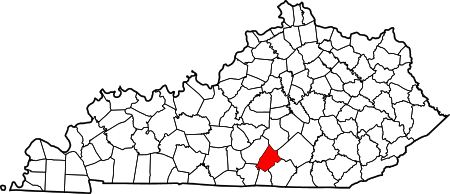
Russell County (Wikipedia map)
Suspensions of elementary-school students in Russell County have dropped by half since 2019, when teachers, staff, counselors, and bus drivers began getting intensive training on the effects of childhood trauma on students' mental and physical health, reports Nadia Ramlagan of Public News Service.

"More kids report feeling safe, cared for, and feel they 'belong' at school," Ramlagan reports, citing the Foundation for a Healthy Kentucky, which provided a grant for the project.

The foundation's senior policy and advocacy officer, Amalia Mendoza, told Ramlagan that rural communities face challenges in reducing behavior problems from adverse childhood experiences.

"We're talking about toxic stress, we're not talking about just any adversity," Mendoza said. "There's really that kind of stress that is ongoing, and that can produce changes even in the brain and in the immune system."

According to the Child and Adolescent Health Measurement Initiative, nearly 40% of American children have had at least one adverse childhood experience (ACE): neglect or abuse, living with someone with a drug, alcohol or serious mental-health problem, the death of a parent, or exposure to violence or discrimination in the home or community.

Tracy Aaron, director of health education for the Lake Cumberland District Health Department, told Ramlagan that adverse childhood experiences have been linked to heart disease, stroke, diabetes, cancer and mental-health problems in the 10-county district. "If you look at the data that backs up ACEs," she said, "we have a very high rate of poverty, we have teen pregnancy. Substance use is an issue."

Russell County School Supt. Michael Ford told Ramlagan that schools can't fix family problems, but can remove barriers that affect academic performance and provide spaces where students see de-escalation, self-care and effective problem-solving techniques, and healthy relationships.

Ford said, "We want our kids to be resilient, right? Number one, we want to prevent anything that we can help prevent. Kids, regardless, are going to have ACEs, but ACEs do not have to hold them back."

He said successful strategies in the district include parent and grandparent training on how to build kids' resilience, increasing support for school counselors, and changing discipline policies.

Friday, December 2, 2022

Pandemic stress caused premature aging in teenagers' brains; long-term effect uncertain, but some parents say impact will last

Shutterstock photo
American teenagers' brains prematurely aged by three years during the pandemic due to the stress of lockdowns, a study has found.

The researchers found changes similar to those seen in "children who have faced chronic stress and adversity," reports Katherine Reynolds Lewis of The Washington Post.

"The study, published Thursday in Biological Psychiatry: Global Open Science, was the first to compare scans of the physical structures of teenagers’ brains from before and after the pandemic started, and to document significant differences, said Ian Gotlib, lead author on the paper and a psychology professor at Stanford University."

Axios, citing Gotlib, reports, "Accelerated aging of the brain itself is not necessarily a bad thing," and quotes him: "These are 16-, 18-year-olds. They're not atrophying in the alarmist sense. For me, the cause for concern is their higher rates of depression and anxiety and sadness … it makes it even more important that we address that."

Gotlib had pre-pandemic images because he and his colleagues started the work eight years ago, with the goal of "better understanding gender differences in depression rates among adolescents," Lewis reports. "The researchers recruited 220 children ages 9 to 13, with a plan to take MRI scans of their brains every two years."

Then the pandemic hit, interrupting the third set of scans, but presenting an opportunity. Gotlib said they knew teens had higher “levels of depression, anxiety and fearfulness” than “before the pandemic. But we knew nothing about the effects on their brains. We thought there might be effects similar to what you would find with early adversity; we just didn’t realize how strong they’d be.”

The researchers "compared MRI scans of a group of 128 children, half taken before and half at the end of the first year of the pandemic, the researchers found growth in the hippocampus and amygdala, brain areas that respectively control access to some memories and help regulate fear, stress and other emotions," Lewis reports. "They also found thinning of the tissues in the cortex, which is involved in executive functioning. These changes happen during normal adolescent development; however, the pandemic appeared to have accelerated the process, Gotlib said."

Premature aging of children’s brains can make them more vulnerable as adults "to depression, anxiety, addiction and other mental illnesses, they can raise the risk of cancer, diabetes, heart disease and other long-term negative outcomes," Lewis notes. "Prior research has found dramatically higher levels of anxiety, depression, suicidality and other mental illnesses in adolescents since the onset of the pandemic."

Gotlib said, “The takeaway for me is that there are serious issues with mental health and kids around the pandemic Just because the shutdown ended doesn’t mean we’re fine.”

Jason Chein, professor of psychology and neuroscience and the director of the Temple University Brain Research & Imaging Center, said the study is important but he "cautioned against making broad interpretations based on the changes the researchers observed," Lewis reports. "brain regions can show nonlinear patterns of growth, so simply seeing a thinner cortex or larger amygdala volume doesn’t necessarily indicate an older brain, he said."

But there are anecdotal examples. "Stacy Gittleman, 54, of West Bloomfield, Mich., saw the pandemic derail one of her children," Lewis writes. "An aspiring musical theater actor, he was a junior in high school when school and theater shut down." Gittleman said, “So much of how my son thrives depends on moving, acting, doing hands-on work and interacting with others. He spent much of his time in bed, which was very painful as parents to watch, as my son before the pandemic was so lively and social.”

While "managing his mental health will be a lifelong task, she said," her son's older siblings, now 24 and 26, weren't as affected by the pandemic. “In the long term, the adversity thrown at the feet of our teenagers I believe will make them stronger and more resilient,” she said.

"Other parents aren’t so sure," Lewis writes, quoting Meg Martin, 55, of Gaithersburg, Md., whose son intended to apply to a four-year residential college, but now feels unmotivated and disengaged from school after years of online and hybrid learning: “I really think the way his high-school years unfolded are going to have ripple effects for years to come.”

Sunday, October 16, 2022

Connections between education and better health to be examined in Foundation for a Healthy Ky.'s day-long online forum Monday


The annual health-policy forum of the Foundation for a Healthy Kentucky, to be held online all day Monday, Oct. 17, will examine the connections between education and better health.

The Howard L. Bost Memorial Health Policy Forum will run from 9:30 a,m. to 4:30 p.m. ET and is free. To register, click here.

“There are many facets of education – often well beyond the four walls of a school building – that impact the long-term health of Kentuckians,” said Ben Chandler, president and CEO of the foundation, promising “a productive conversation around the situation here in Kentucky, including where there are gaps and potential solutions.”

The forum will begin with presentation of the foundation's annual Gil Friedell Health Policy Award, followed by:

9:45 a.m. Making the Case for Funding: Education and Beyond: Considering education as a social determinant of health, panelists will discuss school funding, social safety-net programs’ impact on education, and real examples from urban and rural schools. Mark Neikirk, executive director of the Scripps Howard Center for Civic Engagement at Northern Kentucky University, will moderate a panel of Pam Thomas, senior fellow, Kentucky Center for Economic Policy; Collin Groth, executive vice president of strategy and development, StriveTogether; and Supts. Mike Borchers of Ludlow Independent Schools and Patricia L. Sheffer of Union County Schools.

11:20 a.m. Keynote address from Willie Carver, academic advisor, University of Kentucky Gatton College of Business & Economics, and the 2022 Kentucky Teacher of the Year. (Lunch break follows.)

12:30 p.m. Literacy for Life: Critical Lessons for Positive Health: They’re lessons most don’t receive in school but can mean the difference between addressing and overcoming life’s challenges or becoming overwhelmed. Panelists will discuss mental health and emotional literacy, financial literacy and navigating systems, and how nutrition education impacts hunger long-term: Matthew B. Courtney, state Department of Education; Nichole Huff, Extension specialist for family finance and resource management, UK; and Heather Gibbs, Department of Dietetics & Nutrition, University of Kansas; moderated by Stephanie Gastauer, director, Stober Drives, Maysville.

1:45 p.m. Linked But Addressable: Helping Families Overcome Obstacles: A look at how family income plays a critical role in the academic outcomes of students, and therefore, the lifelong health of individuals. Brad Hershbein, senior economist, W.E. Upjohn Institute for Employment Research; Felicia C. Smith, president and CEO, National Center for Families Learning (moderator) and Ashley Spalding, research director, KCEP.

3 p.m. Breaking Down Barriers: Real Examples of Kentucky Communities Making Positive Change: Panelists will share about connecting families with early childhood intervention services; public schools and public health collaborating on mental health services; and, how a community is working to chart paths for non-traditional career building: Ashley Brandt, director of early care and education, Metro United Way; Jen Harris, director, Todd County Health Department; Dr. Robert Boone, chief officer, National Workforce Solutions, Career Team, Bowling Green; moderated by Rufus Friday, executive director, the Hope Center, Lexington.

4:15 p.m. Closing session, led by Allison Adams, vice president for policy, Foundation for a Healthy Kentucky.

The forum was created in memory of Dr. Howard L. Bost, a notable health economist and founding member of the foundation’s board of directors.

Monday, August 22, 2022

Seven Healthy Kentucky Champions named by Foundation for a Healthy Kentucky; finalists for Friedell Award to be given Oct. 17

The Foundation for a Healthy Kentucky has announced its 2022 class of Healthy Kentucky Champions. The awards recognize individuals dedicated to improving the health of Kentuckians at a community level or state level; they are finalists for a statewide award to be announced in October.

“These seven Healthy Kentucky Champions are an inspiration to all working to better the health of our state,” said Ben Chandler, president and CEO of the foundation. “We owe them much gratitude for their dedication to addressing some of the health challenges Kentuckians face. The commonwealth is better because of these Healthy Kentucky Champions.”

The seven Healthy Kentucky Champions are nominees for the 2022 Gil Friedell Memorial Health Policy Champion Award, which comes with a $5,000 grant from the foundation to a Kentucky-based nonprofit of the winner’s choice. This year’s Friedell Award winner will be announced at the Howard L. Bost Memorial Health Policy Forum Oct. 17. The forum will focus upstream the social determinants of health on the connection between educational opportunities and health outcomes of Kentuckians. To learn more and register for this free, virtual event, click here.

The Healthy Kentucky Champions are Dr. Patricia Bautista-Cervera of Louisville, Eric Crawford of Maysville, Terry Gehrke of Louisville, Denise Hall of Trimble County, Michelle Howell of Scottsville, Dr. Patrick Kitzman of the University of Kentucky and Mark Thomas of Todd County.

Dr. Patricia Bautista-Cervera
Dr. Patricia Bautista-Cervera is a pediatrician and pediatric allergist at the La Casita Center, an organization dedicated to enhancing the well-being of Louisville’s Latinx and immigrant community. As health empowerment coordinator, Bautista-Cervera works to promote health through workshops, informational videos, one-on-one communications, and other various means. During the COVID-19 pandemic, she delivered important information to the Spanish-speaking community through the online video series, “Consejos de Salud con la Dra. Paty.” She also was instrumental in developing virtual forums with stores and restaurants to educate the Hispanic community about the virus and promote preventive measures and vaccination. In 2020 she supported 994 Covid-19-positive patients, offering medical guidance and, through an empowering model, connecting them to LCC’s wrap-around services and other resources in the community.

Eric Crawford
Eric Crawford, a Maysville native, joined Kentuckians for Medicinal Marijuana in 2013. Crawford’s education in the endocannabinoid system and cannabis, as well as his experience as a quadriplegic, has fueled his passion for advocating for the legalization of medical marijuana in Kentucky. He has been involved in crafting legislation and has testified at the state Capitol about how cannabis improves his quality of life. He is a member of the Governor’s Medical Cannabis Advisory Committee and has also traveled the state with Kentuckians for Medicinal Marijuana for more than 50 medical cannabis educational seminars. Crawford remains active in the Maysville community by serving on the Lions Club and volunteering at a nursing home. He is a Finis Davis Fellowship recipient through the Kentucky Lions Eye Center and a past member of Kentucky Partners in Policymaking through the Commonwealth Council for Developmental Disabilities.

Terry Gehrke
Terry Gehrke has been in the fitness-wellness industry for more than 30 years. She founded Balanced Wellness LLC in 1999 in Jefferson County and still leads the organization as president and wellness consultant/health educator. Gehrke joined the Kentucky Diabetes Network in 2019 as executive director and has guided the organization to promote better health for Kentuckians at-risk for and living with diabetes. She leads KDN’s symposium committee each year to offer the largest professional education opportunity for diabetes training in the state, the Kentucky Diabetes Symposium. Gehrke’s background includes teaching in the University of Louisville Health and Sport Sciences Department and working with Southeast Christian Church’s Sports & Fitness Ministry. Gehrke is a member of several organizations including the National Wellness Institute, the National Physical Activity Society, and Exercise is Medicine.

Denise Hall
Denise Hall of Trimble County began working in the substance use prevention field in 1998 at Seven Counties Services. In 2003, she became coordinator for Trimble County Family Resource and Youth Services Center before writing two Drug Free Communities grants and directing them. The DFC grant is now in its 10th and final year. Hall’s work includes implementing a Drug Education Series in Trimble County and a Sources of Strength group at Trimble County Junior/Senior High School. She administers a survey to middle and high schoolers to understand the needs for substance-misuse prevention. Hall was crucial in getting vape detectors installed at the high school and is managing director of the Trimble CARES Coalition.

Michelle Howell
Michelle Howell co-owns Need More Acres Farm in Scottsville with her husband Nathan. She has an agriculture degree from Western Kentucky University and previously worked for University of Kentucky Cooperative Extension assisting tobacco farmers as they transitioned to fruit and vegetable production. She collaborates with local and state partners to increase equitable opportunities for farmers. Howell has also been involved in writing grants worth more than $2.4 million to benefit food access, women’s life courses, and urban-rural development. Need More Acres co-founded the Community Farmers Market in Bowling Green, which piloted several Supplemental Nutrition Assistance Program incentives. CFM was essential to growing Kentucky Double Dollars into a statewide program and CFM is one of the organization's pilots of the Fresh Rx MOMs program for expecting mothers on Medicaid. Both programs help under-resourced Kentuckians access fresh, healthy food from farmers markets. Additionally, Howell partners with UK, WKU and Kentucky State University for interactive professional development on diversity and inclusion.

Patrick Kitzman
Dr. Patrick Kitzman is a professor in the University of Kentucky Department of Physical Therapy. He’s also founding director of the Kentucky Appalachian Rural Rehabilitation Network, a team that develops strategies to reduce disability and improve the quality of life for individuals with neurological impairments living in underserved rural Appalachian counties. Kitzman and his team established projects CARAT and CARAT-TOP. In CARAT (Coordinating and Assisting the Reuse of Assistive Technology) students learn to refurbish used medical equipment and donate it to those in need in the community. CARAT-TOP (Coordinating and Assisting the Reuse of Assistive Technology- Together One Priority) is a training program created through a partnership with the UK Center of Excellence in Rural Health. It brings together community members and high-school students of all abilities to learn new skills to help individuals and communities affected by disability.

Mark Thomas
Mark Thomas, Todd County Schools superintendent, was instrumental in establishing the AXIS Program: Centering All Services in the district. In partnership with the Todd County Health Department, the program addresses students’ social and emotional well-being through mental-health case management. The program also assists with basic needs such as nutrition, clothing, toiletries, housing, transportation, and treatment for substance use disorder. Thomas played a crucial role in gaining needed buy-in of the program from staff and the community. Through his support, the program is expanding services to include parenting classes, prenatal classes, and mental health awareness programs for students and staff. Thomas began his career in Shelby County in 1996 as a middle school teacher. He has served in a number of school and district administrative roles across Kentucky before starting his current position in 2020.