Showing posts with label grants. Show all posts

Saturday, August 10, 2024

Grant applications open to nonprofits that work with substance-use disorder and mental health in underserved communities

Foundation for a Healthy Kentucky photo 
By Melissa Patrick
Kentucky Health News

The second round of Foundation for a Healthy Kentucky grants to expand services and programming for substance use recovery and mental heath support in minoritized communities is open through Sept. 13. 

The Funding for Recovery Equity and Expansion program, dubbed FREE II, will provide at least 10 grants in the amount of $50,000 to nonprofit organizations, with priority given to grass-roots organizations, Black-led organizations and organizations that primarily work in minoritized, under-resourced and BIPOC communities. BIPOC stands for Black, indigenous and people of color. 

Among other things, the program aims to fund projects that work toward expanding services and programing for substance use recovery and mental health support in marginalized communities and to reduce the stigma associated with assessing evidence-based interventions that support substance use recovery and mental health. 

"With this project, we aim to reduce overdose deaths and increase the overall well-being of these historically under-resourced Kentucky communities," says the release.

This program is in partnership with the Kentucky Opioid Response Effort and the Kentucky Department for Health and Family Services

According to the website, the collaboration will only fund projects that:
  • Use a trauma-informed and resilience-informed care approach to reduce premature death of BIPOC Kentuckians
  • Provide culturally responsive, evidence-based prevention, mental health treatment and recovery support services to BIPOC Kentuckians
  • Strengthen treatment and prevention infrastructure through collaborative projects centering BIPOC voices
Go to healthy-ky.org/free-program to learn more  about the program and to access the application. 

Thursday, July 4, 2024

Saint Joseph hospitals in Lexington, London and Mount Sterling seek applications for grants to improve well-being, health equity

By Melissa Patrick
Kentucky Health News

The CHI Saint Joseph Health hospitals in Kentucky are accepting applications for local nonprofit organizations to apply for grants aimed at supporting services to improve well-being and health equity in their service areas. 

The grants are part of the Community Health Improvement Grants program, which was created in 2019 when Catholic Health Initiatives and Dignity Health came together to create the national health system CommonSpirit Health.

Grants through Saint Joseph Hospital and Saint Joseph East in Lexington, and Saint Joseph London, can be as small as $20,000 and as large as $100,000. Grant opportunities are also available at Saint Joseph Mount Sterling to serve that area, ranging from $10,000 to $19,500.  Click here for the link to the application website. 

"Grant applications must include collaborating partner organizations helping to deliver services and not be solely about one agency’s work,” Michael Bilton, CommonSpirit Health's senior director for community health and benefit, said in a news release. 

The application period is open through Aug. 16. Grants are available to nonprofit organizations that address substance-use disorders, mental health, and issues involving weight, physical activity and nutrition. All projects must be planned for calendar year 2025. 

The priorities were identified in the hospitals' most recent community health needs assessment, which is conducted every three years. 

“We are deeply committed to the well-being of our community," Christy Spitser, interim market president of CHI Saint Joseph Health, said in the release. "Providing grants to local nonprofits is a vital part of our mission to give back and make a tangible difference in the lives of those we serve.” 

Interested organizations can learn more about the grant program, including eligibility criteria, how to apply, and a local contact for questions, by visiting https://www.commonspirit.org/communitygrants.

Thursday, June 20, 2024

Coleman details $12 million in opioid grants, says his opposition to syringe exchanges is greater if they don't have one-to-one rule

Attorney General Russell Coleman talks to DV8 Kitchens
owners Rob and Diane Perez. DV8 Kitchens is getting
one of the prevention grants. (Photo by Melissa Patrick)
This story has been updated. 

By Melissa Patrick
Kentucky Health News

Attorney General Russell Coleman issued details Thursday of more than $12 million in grants from the state's opioid settlements for prevention, enforcement, treatment and recovery.

One of the grants will expand a syringe exchange, and was not supported by Coleman's appointees to the commission. He confirmed at an event Thursday that he opposes the exchanges.

"I'm extremely concerned that needle exchange further perpetuates drug use, and it will not be supported by me or this administration," he said in response to questions at an event he held to highlight the grants.

Coleman said the 51 grant recipients, chosen from 160 applicants, represent "bold ideas" aimed at trying to "save lives and tackle this crisis," with a focus on the three-legged stool of prevention, treatment and enforcement.

“We’re building programs and services that help Kentuckians for the next generation,” he said.

The announcement was made at DV8 Kitchens in Lexington, which employs people in recovery and is getting a $151,730 prevention grant to establish an employee-success mentorship program. 

“By connecting those in recovery with meaningful employment, we can give them a second chance at success,” DV8 owner Rob Perez said in a news release from Coleman's office. 

At the event, Perez stressed that while DV8 is "for people," its success is also good for the community. "Every time one person doesn't return back to addiction, we saved $37,000 as a community," he said.

Coleman's office oversees the Kentucky Opioid Abatement Advisory Commission, which the legislature created in 2021 to distribute the state's portion of the $900 million in settlements with opioid manufacturers and distributors, which are being paid in installments. The commission has awarded $55 million in 110 grants, including $10.5 million the legislature allocated in 2022 for behavioral-health treatment as an option to incarceration in 11 pilot counties. 

Coleman said its important to remember where this settlement money comes from. “This is blood money, purchased by pain and devastation of families across this commonwealth, which is why we must be such stewards of this money,” Coleman said. "We're honoring those we've lost by our stewardship and how we use this money effectively." 

Half of the settlement monies go to the state and the other half goes to cities and counties. The commission is housed in the attorney general's office and is headed by Chris Evans, a former chief operating officer for the U.S. Drug Enforcement Administration.

Syringe exchanges

Evans was one of the Coleman appointees who did not support a grant to the Boyle County Agency for Substance Abuse Prevention at at the June 4 commission meeting. In passing on the vote, he revealed Coleman's position on syringe exchanges.

The grant was approved by a majority vote. Coleman took office in January and has not yet made all of his five appointments; those members serve two-year terms. The other voting members are appointed by the University of Kentucky or serve by virtue of their office, including Coleman, who has designated Evans to hold his seat.

Two of the five positions that are appointed by Coleman were reappointed in June 2023, before he took office, with their terms expiring June 30, 2025. They included Karen Butcher and Von Purdy, both representing citizens at-large. Coleman appointed Darren "Foot" Allen, representing law enforcement, in February and that term will expire June 30, 2025. The other two positions to be appointed by Coleman expire at the end of this month. At this time Van Ingram, representing the drug treatment and prevention community, and Jason Roop, representing victims of the opioid crisis, fill those positions.

Asked if Coleman will make decisions about future appointments to the commission dependent on the person's view of syringe exchange programs, spokesperson Kevin Grout answered "No" in bold letters in an email.

Kentucky Health News asked Coleman if his lack of support for syringe exchanges for intravenous drug users, which are supported by research, could put a chilling effect on future applications for these programs.

He replied, "There's been no grant that has been blocked because of my personal opposition." He went on to say, "I don't support needle exchange. I support very robustly prevention, treatment and enforcement."

Asked if he had research to support his opinion, he said, "I'm a strong proponent of Narcan [an anti-overdose drug] and I'm a strong proponent of prevention. I'm very concerned that particularly when there's not a one-to-one ratio, a one-to-one return on needles that it is an enabler versus the harm reduction that we're actually seeking."

Some syringe exchanges have a one-for-one requirement, but regional health official Scott Lockard said in 2016 that most exchanges at that time used a "patient negotiation model," giving the user as many needles as they need for one week to assure they use a clean needle each time, often up to a capped amount.

"The goal is that they use a clean needle for each time they inject," Lockard said then. He said it is impossible to adhere to a strict one-for-one requirement. For example, he said users don't always keep up with their syringes or sometimes will tell you they are sharing them.

Coleman said he is a very strong advocate for wide distribution of Narcan, "given the nature of the threat we're seeing. . . . Narcan needs to be as ubiquitous as a fire extinguisher given this threat. But it always has to be Narcan plus a pathway to treatment, Narcan plus education. Because Narcan itself can be an enabler in some contexts. We want to make sure it's always coupled with treatment, coupled with prevention." 

Coleman also talked about his plans to build a statewide drug prevention program, with a goal of rolling it out this next school year. 

“We exist in a commonwealth where as little as one pill can and is taking our sons and our daughters,” he said. “But yet we lack a statewide prevention effort in our commonwealth. That will change.”

Coleman's office declined to release details of the grants until Thursday's event. Here's a summary of how the 23 new prevention grants will be used: 
Anderson County Agency for Substance Abuse Prevention, $171,100 for expansion of school-based prevention efforts and law-enforcement training.
Appalachian Research & Defense Fund (Legal Aid), $125,000 for legal support and wraparound services that help stabilize people in recovery by addressing employment barriers and other destabilizing civil legal issues.
Big Brothers Big Sisters of the Bluegrass, $185,301 for a high-school mentoring program, to empower high school students to become positive role models for younger students.
Boys and girls Clubs of Kentuckiana, $200,000 for an innovative program aimed at opioid prevention for youth aged 6-18.
Carter County Public Library, $101,500 to hire resource specialists to prtovide greater access to recovery-oriented programming.
Covington Partners, $225,450 for prevention programming that includes out-of-school-time programs, school-based health services, mentoring, drug and violence prevention and family engagement.
Cumberland Trace Legal Services (Legal Aid), $125,000 for legal support and wraparound services that help stabilize people in recovery by addressing employment barriers and other destabilizing civil legal issues.
DV8 Kitchen Vocational Training Foundation and DV8 Kitchens, $151,730 for the mentorship program, which will focus on removing barriers, supporting career-path development and job readiness while supporting recovery and wellness.
Girl Scouts of Kentucky Wilderness Road Council, $59,052 to launch the Building the Bridge to K-12 Girls Leadership Project, a community-based prevention program that focuses on increasing girls’ positive childhood experiences.
Jewish Family and Career Services, Louisville, $77,207 for enhancement of wraparound services for youth, to include opioid addiction screening and active prevention.
Legal Aid Society, $125,000 for legal support and wraparound services that help stabilize people in recovery by addressing employment barriers and other destabilizing civil legal issues.
Legal Aid of the Bluegrass, $125,000, same as above.
Mercy Health – Lourdes Hospital, $76,552 for a hospital-based, pharmacy-led tapering program, which slowly resudes doses of a drug over time to reduce withdrawal symptoms.
Operation Parent, $87,011 for prevention education of parents of 4th, 6th and 9th grade students in several Kentucky counties.
The Safety Blitz Foundation, $126,335 for a pilot version of The Coaches vs. Overdoses™ program, which addresses youth opioid misuse, the proliferation of synthetic opioids including illicit fentanyl, through prevention, education, awareness and community drug-disposal programming.
Scott County Sheriff’s Office, $91,847 for Drug Abuse Resistance Education in 5th and 9th grades.
Taylor County Schools, $208,824 for a school-based prevention program.
Three Rivers District Health Department, Owenton, $320,803 for a partnership with the Planet Youth program to implement a population-wide primary prevention process designed to take informed actions to increase protective factors, decrease risk factors and ultimately change the environment of children and youth.
University of Kentucky Research Foundation, $380,572 for development of prevention coalitions in Fayette County, educating 4th through 12th grade students and building community capacity and engagement around prevention efforts.
Operation UNITE, $751,850, for continuation and expansion of its Educate. Empower. Prevent. Program, which provides prevention training to students from 4th through 12th grades.
Wanda Joyce Robinson Foundation, Frankfort, $90,472 to start a youth substance intervention and prevention program that prevents substance use and abuse and promotes positive youth development and stronger families. The foundation helps children with incarcerated parents.
WestCare Kentucky, $100,404 for Camp Morilla, a free addiction prevention and mentoring day camp program for youth ages 9-12 and their families who have been impacted by family opioid use.
Young Men’s Christian Association of Greater Louisville, $248,487 for the YNOW Mentoring Program, which focuses on helping youth develop healthy drug-and violence-free lives.

Here is a summary of how the 28 new treatment and recovery grants will be used: 
Appalachia Regional Healthcare, $94,572 for expanding its peer recovery team so peer recovery coaches can be placed in four more hospitals.
Backroads of Appalachia, $167,025 for women in recovery with workforce training and employment opportunities.
Boyle County ASAP, $282,610 for expansion of its harm reduction program (including a syringe exchange), resilient-kids programming and case management efforts.
Celebrate Recovery Fairdale, $30,004 for weekly recovery meetings.
Center for Employment Opportunities, $255,109 for expansion of employment services for justice-impacted individuals in treatment or recovery.
Chrysalis House, Lexington, $227,273 for treatment for pregnant and parenting women.
Comprehend, Inc., $426,087 for opening a buprenorphine clinic in a community mental health center.
Eastern Kentucky Concentrated Employment Program, $450,000 for career and support services for people who are in recovery and comorbid polysubstance use who are interested in entering or re-entering the workforce.
Family Nurturing Center of Kentucky, $221,937 for services to children impacted by their caregiver’s opioid use and provides needed support to parents in recovery.
Family Scholar House, $245,110 for a five-step approach revolving around wrap-around services during and post-treatment to progress individuals from ‘crisis to stability’ targeting single parents, foster alumni, individuals facing reentry and post-secondary students.
Grin Grant, Lexington, $361,251 for expansion of dental restoration scholarships and peer support services and launch of a new recovery program.
Hope Center, $680,280 for in-patient, residential treatment for men.
Hope Springs Church, $50,462,Supports regular recovery support meetings and events.
Horsesensings, Inc., Bagdad, $115,219 for therapeutic job training in the horse industry and housing for those in recovery.
Isaiah House, $250,000 for recovery housing and job training aftercare opportunities for those in long-term recovery.
Kentucky Hospital Research and Education Foundation (Ky. Hospital Assn.), $250,000,Supports expansion of a program that ensures patients have 24/7 access to care.
Lake Cumberland Area Development District, $277,552 for case management and supportive services to individuals in recovery seeking to re-enter the workforce.
Life Learning Center, Covington, $498,500 for "a cutting-edge, technology-enhanced system designed to fill existing gaps in recovery services by providing continuous, real-time data, support and accountability."
Mercy Health-Marcum and Wallace Hospital, Irvine, $179,834 for recovery services for individuals with criminal justice involvement.
Natalie’s Sisters, $88,356 for expansion of services for women who have been sexually exploited or trafficked.
Northeast Kentucky Regional Health Information Organization, $331,997 for the Career Ready Workforce Project, which will focus prevention efforts on high-school students preparing to enter the workforce, individuals struggling with addiction ,and local agency staff members seeking to increase employable skills.
Ramey-Estep Homes, Rush, $222,801 for teen prevention-education programming, expansion of first-responder trauma-treatment programming and expansion of treatment and recovery access.
Recovery Café Lexington, $276,278 for expansion of recovery support model to a third location in Frankfort.
Transitions, Inc., Covington, $156,000 for expansion and enhancement of treatment services, as well as expansion of community education and prevention activities in the African American community.
Voices of Hope-Lexington, $538,021 to increase the quantity and quality of recovery support services for people in or seeking recovery.
Volunteers of America Mid-States, $664,587, for two recovery community centers in Lincoln and Pulaski counties.
Four Rivers Behavioral Health, Paducah, $232,251 for a mobile recovery support vehicle program that provides services to adults.
Young People in Recovery, Louisville, $301,440 for peer-led chapter and life-skills curriculum programs for people seeking recovery and a youth prevention program for middle- and high-school-aged children and their parents in five communities.

Friday, June 14, 2024

In third round of grants from opioid settlements, director passes on one, saying Coleman opposes syringe-exchange programs

Russell Coleman announced Chris Evans's
appointment on Dec. 19. (WKYT image)
By Melissa Patrick
Kentucky Health News
 
The leader of the agency that makes grants from the state's opioid settlements declined to vote for a grant with more money for a syringe-exchange program, saying Attorney General Russell Coleman does not support such programs -- which are considered a key tool for reducing harm to people who inject drugs.

Kentucky Opioid Abatement Advisory Commission Director Chris Evans, who works for Coleman, passed on a June 4 vote that approved a grant to the Boyle County Agency for Substance Abuse Prevention, one of 119 such county agencies.

"This application does increase outreach, which includes educational training, Narcan distribution and referrals to treatment," Evans said. "However, the request does increase the funding of the syringe-service position, which the Office of the Attorney General does not support syringe exchange programs. So I will be passing on the vote of this application."

Asked later why Coleman opposes syringe-exchange programs, Coleman spokesman Kevin Grout said in an email, "Attorney General Coleman is committed to supporting effective prevention, treatment and enforcement efforts. He strongly supports the distribution of Naloxone and other overdose reversal drugs. However, he cannot support syringe-exchange programs, which he believes enable drug use without effectively promoting recovery."

Syringe exchanges are supported by research. The Centers for Disease Control and Prevention says injection drug users who have access to syringe exchanges are five times more likely to get treatment than those who don’t. Another study says the exchanges do not encourage drug use or increase the frequency of drug use among current users.

The exchanges were authorized by the state's 2015 anti-heroin law, in an effort to thwart the spread of HIV and hepatitis C, which are commonly spread by the sharing of needles among intravenous drug users. As of March 14, the state had 80 operational syringe exchange programs in 65 counties.

Later voting against the grant request because of their opposition to syringe exchange programs were commission members State Treasurer Mark Metcalf and retired Master State Trooper Darren "Foot" Allen, whom Coleman appointed to fill a slot representing law enforcement.

Allen said, "There's some people that I trust that tell me this is okay. However, I'm just not in favor of needle exchange. I suspect that this time next year, I won't change my position but I am open to looking at that option," he said. 

Despite the opposition, Boyle County's ASAP grant request for $282,610 passed with a 6-2 majority vote. The commission is comprised of nine voting and two non-voting members from the legislature.

Third round of grants approved

The Boyle County grant was the only one put up for a vote that had any opposition at the commission's June 4 meeting. In all, the commission members approved 51 organizations to receive just over $12 million in grant money. 

The legislature created the commission to distribute the state's portion of the approximately $900 million in settlements with opioid manufacturers and distributors, half of which goes to the state and the other half goes to cities and counties. The commission is housed in the attorney general's office and is headed by Evans, a former chief operating officer for the U.S. Drug Enforcement Administration.

Of the $12 million in this round of grant money, 28 of the awards were given for treatment and recovery, and 23 were given for prevention. This is the third round of state grants, with $32 million awarded to 59 groups in the first round and $13.9 million awarded to 34 groups in the second round.

Asked for brief details of each grant, Grout said they would be announced next Thursday at a press conference at DV8 Kitchen-East End in Lexington, one of the grant recipients.

The 28 new treatment and recovery grants are:
Appalachian Regional Healthcare, $94,572.
Backroads of Appalachia, $167,025.
Boyle County ASAP Board, $282,610.
Celebrate Recovery Fairdale, $30,004.
Center for Employment Opportunities, $255,109.
Chrysalis House, $227,273.
Comprehend Inc., $426,087.
Eastern Kentucky Concentrated Employment Program, $450,000.
Family Nurturing Center of Kentucky, $221,937.
Family Scholar House, $245,110.
Grin Grant, Lexington, $361,251.
Hope Center, Lexington, $680,280.
Hope Springs Church, $50,462.
Horsesensing Inc., $115,219.
Isaiah House, $250,000.
Ky. Hospital Research and Ed. Foundation (Ky. Hospital Assn.), $250,000.
Lake Cumberland Area Development District, $277,552.
Life Learning Center, $498,500.
Mercy Health - Marcum and Wallace Hospital, Irvine, $179,834.
Natalie's Sisters, $88,356.
Northeast Kentucky Regional Health Information Organization, $331,997.
Ramey-Estep Homes, $222,801.
Recovery Café Lexington, $276,278.
Transitions Inc., $156,000.
Voices of Hope - Lexington, Inc., $538,021.
Volunteers of America Mid-States, $664,587.
Four Rivers Behavioral Health, $232,251.
Young People in Recovery, $301,440.

The 23 new prevention grants are:
Anderson County ASAP, $171,100.
Appalachian Research & Defense Fund (Legal Aid), $125,000.
Big Brothers Big Sisters of the Bluegrass, Inc., $185,301.
Boys and Girls Clubs of Kentuckiana, $200,000.
Carter County Public Library, $101,500.
Covington Partners, $225,450.
Cumberland Trace Legal Services (Legal Aid), $125,000.
DV8 Kitchen Vocational Training Foundation and DV8 Kitchens, $151,730.
Girl Scouts of Kentucky Wilderness Road Council, $59,052.
Jewish Family and Career Services, $77,207.
Legal Aid Society, $125,000.
Legal Aid of the Bluegrass, $125,000.
Mercy Health - Lourdes Hospital, $76,552.
Operation Parent, $87,011.
The Safety Blitz Foundation, $126,335.
Scott County Sheriff's Office, $91,847.
Taylor County Schools, $208,824.
Three Rivers District Health Department, Owenton, $320,803.
University of Kentucky Research Foundation, $380,572.
Operation UNITE, $751,850.
Wanda Joyce Robinson Foundation, $90,472.
WestCare Kentucky, $100,404.
Young Men’s Christian Association of Greater Louisville, $248,487.

The grant application portal is closed until the commission opens it for the next round of awards.

Tuesday, March 12, 2024

Coleman wants opioid commission to shift focus to prevention, especially among youth; leaves small door open to ibogaine

By Melissa Patrick
Kentucky Health News 

Kentucky Attorney General Russell Coleman laid out his mission for the next phase of the Kentucky Opioid Abatement Advisory Commission Tuesday, calling on them to focus on building a "gold-standard statewide prevention program" with settlements paid by opioid makers and distributors.

Attorney General Russell Coleman (Photo provided
"It's a plan of zealous collaboration, zealous collaboration," he said. "To be successful, the Office of the Attorney General and this commission must have a strong partnership. We must also further connect this body with organizations throughout our commonwealth . . . to focus on that necessary three-legged stool of treatment, prevention and enforcement." 

Coleman called on the commission to focus on prevention as it considers the coming round of grant applications. "I encourage you to place a strong emphasis on boosting Kentucky’s critically needed prevention efforts," he said.

Coleman added that his office is in the midst of developing new youth prevention initiatives that focus on education.  

"When we're in an environment where children are experimenting with these dangerous substances as early as 11 – we're seeing it in late elementary school – we have to have conversations with our kids earlier and earlier," he said. Later adding, "It's our responsibility, yours and mine, to prepare them for this threat they are facing in a new threat environment." 

When asked what his vision for a statewide prevention program would look like, Coleman told reporters that it will be important to look at what states such as Georgia, Tennessee, Virginia and Mississippi are doing. 

He said Virginia has a robust "one pill can kill" prevention effort and Mississippi had rolled out a "very creative approach that uses name, image and likeness of Ole Miss players to be able to engage and get that message out there, to permeate in the social media space. I would love to institute a program here that looks a lot like what is ongoing in the state of Mississippi." 

As for treatment and enforcement, Coleman said Kentucky is doing a great job in most of the state when it comes to treatment beds, and he told reporters that the drug cartels in Mexico are doing a great job of getting these substances into the U.S., which means collaboration is key, saying there is a need to "tear down the silos between federal, state and local" enforcement efforts.

"Again, we have to do very strong enforcement piece, but it has to be alongside a stronger prevention effort and continuing to treat our addicted neighbors," he said. 

In Kentucky, half of the nearly $900 million in settlement money is being distributed among cities and counties, and the other half is controlled by the commission, which is housed in Coleman's office.

So far, the commission has awarded 59 grants totaling about $21.5 million, with 23 aimed at prevention, totaling about $8 million; and 36 toward treatment and recovery, totaling about $13 million – but in addition to $10.5 million the legislature allocated in 2022 for behavioral-health treatment as an option to incarceration in Clark, Christian, Daviess, Greenup, Hopkins, Kenton, Knox, Mason, McCracken and Warren counties.

So, only about a fourth of the total state funding from the settlements has gone to prevention, which Coleman wants to emphasize.

Ibogaine

Coleman asked the commission to drop a proposal by its previous director to fund research aimed at legalizing the psychedelic drug ibogaine for drug treatment, saying he had given the idea "careful study, thorough consideration and honest conversation." 

"In that spirit, I respectfully ask this commission to step back from previous proposals to allocate $42 million to ibogaine research and the unproven, expensive clinical trial for a psychedelic that is, as you know, currently a Schedule 1 drug in the United States."

Noting that some call the settlements "blood money," he said "This is too precious to gamble away with that degree of risk at that amount."

He said he will ask Commission Director Chris Evans to propose a $5 million pool of resources for research and innovation grants that could be open to applications for funding research on ibogaine. 

"If someone brings forward an ibogaine research proposal that fits the criteria of this new innovative grant proposal, I hope this commission will give it full and fair consideration," he said. "It's not zero sum."

Ibogaine is a psychedelic derived from the African iboga plant. It is illegal everywhere except Mexico and New Zealand and has been reported to reduce or eliminate drug-withdrawal symptoms, but comes with some risk to the heart in some people. 

The proposal to commit about 5 percent of the settlement money on clinical trials that could lead to federal approval of the ibogaine for treatment of opioid-use disorder was led by former director Bryan Hubbard, who had been appointed by then-Attorney General Daniel Cameron.

Hubbard is continuing this effort in Ohio. The Lexington Herald-Leader reported in late February that he has signed a contract with the State of Ohio. Hubbard told the newspaper he is working for the state to “deliver novel treatment access and research opportunities for veterans and opioid-dependent individuals” and is partnering with an Ohio-based foundation to “create the framework for ibogaine clinical trials in Ohio.”

Bipartisan praise from commission

Commission member Karen Butcher, whose son died of an opioid overdose, told Coleman that she was pleased that ibogaine could still be considered for clinical research. "It's no secret that I've been the loudest proponent for that," she said. 

State Health Secretary Eric Friedlander, after describing himself as on the other end of the spectrum in support of ibogaine, praised the vision of Coleman, who is a Republican.

"I want to thank you. You're laying out a vision for us. You're here with us today. You are really taking the bold step and the responsible step and the brave step of putting yourself out there. Giving us a vision around prevention, addressing head-on some of the things that we haven't agreed on in this committee," said Friedlander, who works for Democratic Gov. Andy Beshear.

Commission member Jason Roop, a pastor who has said he is in recovery, called on Coleman to not lose sight of the fact that addiction is generational, saying it is important to tackle this problem holistically and not in silos: "I would encourage all of us to consider addiction from a holistic standpoint, prevention, treatment, law enforcement, all of it kind of going together to represent our efforts."

Tuesday, January 16, 2024

Seven mobile crisis-response grants aim for 'better treatment, a lot quicker' for people undergoing mental-health crises

Kentucky Health News

Seven local-government organizations are getting grants to start community crisis co-response programs, which form partnerships between behavioral-health professionals, law enforcement or other first responders and local governments in order to lower the distress of individuals in crisis and avoid unnecessary hospitalizations and incarcerations while extending crisis services to communities.

The money comes through a state Cabinet for Health and Family Services grant. The recipients are Boyle County, Christian County, the Cynthiana Police Department, the Lexington Fayette Urban County Government, the Maysville Police Department, the Perry County Ambulance Authority and the Warren County sheriff, in Bowling Green.

Perry County EMT Scott Helle (Image from WYMT) 
Perry County EMT Scott Helle told Hazard's WYMT that in a mental-health crisis, taking a patient to a hospital can be a burden on hospital staff and adding “wait time for their patients to be able to see a mental-health provider.” The grant will allow the ambulance service to add a community paramedic, peer support specialist or case manager to its staff.

Helle said “It will give us the opportunity to give them better treatment, a lot quicker,” and the pilot grants will help other communities create similar teams.

Mike Rogers, director of Boyle County Emergency Medical Services, said in a state news release that the grant “will ease the burden on our law enforcement, hospital, judicial system and emergency services.”

Robert Peak, assistant police chief in Cynthiana, said This will be an invaluable resource to the most vulnerable members of our citizenry. Realizing that mental health and chemical dependency cannot be fully addressed by traditional police strategies is key to implementing programs such as this.”

Warren County Sheriff Brett Hightower said, “Having qualified professionals working alongside our team of law enforcement will help expedite and assess the needed care for those in crisis, which better serves our community.”

Several recipients sent the state videos about what they hope the funding will do in their communities. To see the video provided by Maysville police, click here. To see a video from Boyle County, click here. To see Helle's video, go here.

Sunday, January 14, 2024

Scott County Schools to launch pilot to support bereaved children; one in nine Kentucky children lose a parent by the age of 18

Scott County Schools will launch a pilot to support bereaved students with a Kentucky Association of Health Plans grant through the Kentucky Center for Grieving Children & Families. From left: Liz Yandell, the schools' assistant director of student services; Supt. Billy Parker; Leila Salisbury, founder and executive director of the center; and Tom Stephens, president and CEO of KAHP. (KAHP photo)
By Melissa Patrick
Kentucky Health News

The Kentucky Center for Grieving Children & Families, launched in 2021, has received a big grant that will allow it to team up with Scott County Schools for a pilot program to support children experiencing grief and bereavement, to begin later this month. 

“This initiative is a great opportunity to support the mental health and well-being of our students, a goal that is very important to our district, schools, and community," Supt. Billy Parker said in a news release

Parker told Spectrum News of a student who lost both parents to overdoses: "That was the first student I thought of when I thought about the fact we were getting this grant. Sometimes, I don't think people realize until they start digging into what the root cause of some of the issues for our students are."

The two-year, $90,000 grant is from the Kentucky Association of Health Plans, the trade group for companied offering health insiurance in the state. It will allow the center to offer 16 school-based, 11-week, facilitated grief-support groups for students at all levels in Scott County Schools. It will also include district-wide staff training on best practices for grief support in the classroom and the school setting at large, says the release. 

“Studies have connected childhood bereavement to poorer physical health outcomes (including early death), increased incidence of depression, mental health issues, and far higher levels of substance use and juvenile justice involvement,” Tom Stephens, president and CEO of KAHP, said in the release. “By providing these school-based services, the goal is to decrease the feelings of isolation in students with death losses and to provide coping skills that can help students manage the emotional distress caused by these losses.”

Bereavement is the state of having lost a significant other to death and Grief is the personal response to the loss, according to  the U.S. Department of Veteran Affairs

According to state data modeling, one in nine Kentucky children will lose a parent or sibling by the age of 18, with 25% of parental bereavements caused by overdose. "This represents more than 40,000 Kentucky children, enough to fill Rupp Arena nearly twice over," says the release. 

“We appreciate the generosity of KAHP,” Leila Salisbury, founder and executive director of the center, said in the release. “This grant helps create a service model for school districts around Kentucky.”

Salisbury, former director of the University Press of Kentucky, launched the center in 2021 with a mission of "supporting children, youth and families as they grieve and grow," according to the nonprofit's website.

The site says the center offers free school-based grief support groups in several Fayette County schools; free community-based grief support groups for children along with concurrent parent and caregiver support groups at Tates Creek Christian Church; a teen-led online peer-led grief support group for teens aged 13-18 called Peer Healing; and an online anine grief support group for young adults aged 18-30 through a partnership with Kate's Club of Atlanta. 

It also offers training and education in youth bereavement and provides community and mental health referrals for additional services and support. And, it offers a webpage that includes resources about coping with grief.

Friday, December 1, 2023

11 Kentucky nonprofits get grants to work on substance-use-disorder awareness and prevention in underserved communities

Foundation for a Healthy Kentucky photo illustration
By Melissa Patrick
Kentucky Health News

Eleven nonprofit organizations have been selected to receive as much as $50,000 each from the Foundation for a Healthy Kentucky's Funding for Recovery Equity and Expansion Program. 

The FREE Program provides grants ranging from $10,000 to $50,000 to organizations that raise awareness about overdose prevention, reduce the stigma associated with substance-use disorder and improve greater access to harm reduction, treatment and recovery support services for people with substance use disorders.

“We are eager to see all that these organizations will accomplish with these funds,” Ben Chandler, president and CEO of the foundation, said in a news release. “Their knowledge of their respective communities and established relationships are a vital resource. We believe these projects will be able to reach underserved individuals in need and address some of the overdose disparities we are seeing in Kentucky.”

The organizations receiving funds and amounts are:
  • Appalachian Kentucky Health Care Access Network, $21,999: Based in Lexington, and working statewide, it will train 100 community health workers and multiple Black, Indigenous and people of color (BIPOC)-serving organizations on drug-use stigma reduction. 
  • Change Today, Change Tomorrow, $24,000. Located in Louisville, this group will distribute hygiene kits, Naloxone, safe-use kits, and fentanyl testing strips in West Louisville while training individuals and community partners how to safely react to an overdose emergency.
  • Hope Center, $50,000. This Lexington facility will employ a mobile case coordinator who will engage monthly with at least 25 individuals who use drugs to connect them to harm-reduction services and provide referrals to medical care.
  • Joshua Community Connectors, $50,000: JCC’s Removing Roadblocks to Recovery Project, in Louisville, will provide people with substance use disorders with access to a licensed mental health professional, housing options and case management services.
  • Louisville Pride Foundation, $50,000: The foundation's "Caution to Care" program will focus on addressing substance use disorders within the LGBTQ community through a range of activities that utilize LGBTQ ambassadors who are trained as community health workers.
  • Mental Health America Northern Kentucky & Southwest Ohio, $40,000: This organization is headquartered in Newport, but works statewide. It aims to fill vacancies for peer support specialists by recruiting and training more than 150 of these paraprofessionals and connecting them to job openings with service providers.
  • New Legacy Reentry Corp., $50,000: This Louisville organization will use this funding to build out an inpatient and outpatient recovery center that specifically serves formerly incarcerated citizens who struggle with substance use and mental-health issues.
  • Pathways Inc., $48,258.50: Working all over Eastern Kentucky, this Ashland-based group will conduct a digital marketing campaign and  two community-outreach events focusing on reducing the stigma of drug use and recovery in the BIPOC population.
  • People Advocating Recovery, $49,252.50: PAR is based in Louisville, but works statewide. It will build community with minority populations, then build and disseminate empowerment storytelling training materials that are more inclusive of all populations and experiences. From these materials, it will produce videos for a stigma-reduction campaign on social media.
  • Recovery CafĂ©, $50,000: This Lexington nonprofit will use this funding to make full-time its minority-outreach specialist position. 
  • Voices of Hope, $49,991: VOH, located in Lexington, will use this funding to provide staff with diversity/equity/inclusion training and work with communities of color to create video and print materials, inclusive of Black and Latinx individuals, that provide education about drug overdoses, substance-use trends, and community resources for recovery.
The FREE program is structured to break down barriers that often make it more difficult for grassroots and smaller nonprofits to compete for funding, according to the news release. In addition to the grant funds, the program includes support from the foundation, the Kentucky Opioid Response Effort and the Kentucky Department for Public Health to help the recipients utilize their resources, build organizational capacity and prepare for future growth.

"We must address addiction and its impacts for everyone, but especially for our underserved communities," state Cabinet for Health and Family Services Secretary Eric Friedlander said in the release. "What happens to any one of us impacts all of us." 

This project is supported by the health deparyment's Office of Health Equity with funding from the Centers for Disease Control and Prevention as well as the Kentucky Opioid Response Effort via the federal Substance Abuse and Mental Health Services Administration.

Tuesday, December 20, 2022

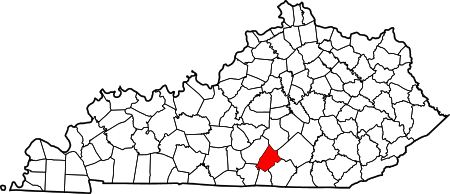
After Russell County school employees were educated about adverse childhood experiences, suspensions dropped by half

Russell County (Wikipedia map)
Suspensions of elementary-school students in Russell County have dropped by half since 2019, when teachers, staff, counselors, and bus drivers began getting intensive training on the effects of childhood trauma on students' mental and physical health, reports Nadia Ramlagan of Public News Service.

"More kids report feeling safe, cared for, and feel they 'belong' at school," Ramlagan reports, citing the Foundation for a Healthy Kentucky, which provided a grant for the project.

The foundation's senior policy and advocacy officer, Amalia Mendoza, told Ramlagan that rural communities face challenges in reducing behavior problems from adverse childhood experiences.

"We're talking about toxic stress, we're not talking about just any adversity," Mendoza said. "There's really that kind of stress that is ongoing, and that can produce changes even in the brain and in the immune system."

According to the Child and Adolescent Health Measurement Initiative, nearly 40% of American children have had at least one adverse childhood experience (ACE): neglect or abuse, living with someone with a drug, alcohol or serious mental-health problem, the death of a parent, or exposure to violence or discrimination in the home or community.

Tracy Aaron, director of health education for the Lake Cumberland District Health Department, told Ramlagan that adverse childhood experiences have been linked to heart disease, stroke, diabetes, cancer and mental-health problems in the 10-county district. "If you look at the data that backs up ACEs," she said, "we have a very high rate of poverty, we have teen pregnancy. Substance use is an issue."

Russell County School Supt. Michael Ford told Ramlagan that schools can't fix family problems, but can remove barriers that affect academic performance and provide spaces where students see de-escalation, self-care and effective problem-solving techniques, and healthy relationships.

Ford said, "We want our kids to be resilient, right? Number one, we want to prevent anything that we can help prevent. Kids, regardless, are going to have ACEs, but ACEs do not have to hold them back."

He said successful strategies in the district include parent and grandparent training on how to build kids' resilience, increasing support for school counselors, and changing discipline policies.

Saturday, June 11, 2022

Kentucky's intensive-care units will give new parents insurer-funded kits so new parents can learn how to give CPR to infants

Training kit for giving infants cardiopulmonary resuscitation
The Kentuckiana American Heart Association and the Kentucky Association of Health Plans, the association for companies selling and managing health insurance in the state, and have introduced a new initiative to equip thousands of new Kentucky parents with kits to teach them how to give cardiopulmonary resuscitation to an infant. 

The initiative is funded by a $95,000 grant from KAHP. The AHA will distribute 3,000 Infant CPR Anytime Training® Kits to newborn intensive-care units throughout the state. The kits include an inflatable manikin along with a video course designed to provide infant choking and CPR training in about 20 minutes. 

 “We’re excited to provide funding for this partnership with the American Heart Association. This is an extremely effective tool that will increase the chances of survival in the face of an emergency and equip new parents with the confidence to administer lifesaving techniques," Katherine Kington North, director of external affairs for KAHP, said in a news release.
 
The release notes that the at-home kits will fill voids created by staffing problems related to the Covid-19 pandemic. They will be available in English and Spanish. The AHA began deliveries of the kits in mid-May, with 1,900 distributed to date, says the release. The KAHP gift capped off National CPR Awareness Week, which ran from June 1-7 this year.

“With preterm infants, there are twice as many cardiovascular malformations as those born at full term, so the kits are especially important to those families,” Dr. Sandra Guerra, chief medical director for KAHP member WellCare of Kentucky and board chair of the Kentuckiana AHA, said in the release. 

She added, “Premature infants may also have breathing difficulties due to an underdeveloped respiratory system, and should it be necessary, parents will have the know-how to administer aid before an ambulance arrives. The physical practice that these kits provide is tremendous.”

In 2020, there were 5,705 preterm births in Kentucky, representing 11% of live births, according to the March of Dimes.

Tuesday, April 19, 2022

Kentucky gets $4.19 million to expand AmeriCorps work in public health, with the hope it will funnel more people into such work


Kentucky has received nearly $4.2 million to expand the public-health role of the AmeriCorps program in the state. The grant comes from the American Rescue Plan Act, last year's pandemic relief bill.

"This funding will support the recruitment, training and development of a new generation of public health leaders,” Gov. Andy Beshear said in a news release. “The funding will support the addition of community health workers with coordination from Serve Kentucky, the agency committed to engaging Kentuckians in volunteerism and service to positively impact our communities.”

This new public health initiative is the result of a partnership between AmeriCorps and the Centers for Disease Control and Prevention. Nationwide, the initiative will fund up to 5,000 public-health positions over the next five years. 

Public Health AmeriCorps will help meet public-health needs of local communities by providing surge capacity and support while also creating pathways to public health-related careers, says the release. 

Health Commissioner Steven Stack pointed to the many public-health challenges caused by the pandemic, noting that it has been "neither easy nor without loss" to get to our current low rates of transmission. 

"This grant allows us to plan for future public health emergency responses," he said. "Creating a standing corps of public health personnel to manage surge capacity and respond to crises will enable Team Kentucky to stand ready to support Kentuckians when emergencies arise." 

Funding from the grant will  to the Kentucky Health Departments Association and Family Scholar House. 

The KHDA will get $1,367,986 to add 75 AmeriCorps members as community health workers in local health departments. They will work in programs such as the Health Access Nurturing Development Services, (HANDS), the Women, Infant and Children (WIC) program, and harm-reduction programs.

AmeriCorps members will not replace any existing health-department staffers, Susan Dunlap, spokeswoman for the Cabinet for Health and Family Services, told Kentucky Health News in an e-mail. 

"AmeriCorps members will be used to bolster the local public health workforce in Kentucky to expand the number of services delivered at local health departments currently available," Dunlap said. "Additionally, AmeriCorps members will receive training to become certified as community health workers, which are in short supply at local health departments throughout Kentucky."

Family Scholar House, which oversees the annual grant competition that awards funding to AmeriCorps State and other community service programs, says it works to provide a comprehensive, holistic continuum of care for low-income families and youth to help them reach their educational, career and family goals. It will get $2,825,124 to offer additional services.

Dunlap said, "FSH applied for the grant due to their familiarity with AmeriCorps, and because the grant will enable participants to receive training and support to enter the public-health field (in addition to the living allowance and education award) – which aligns with FSH’s priorities of health, educational support, and career pathways."

FSH's grant will allow it to leverage 200 AmeriCorps members who will provide health-care support to seniors and disabled individuals in health care facilities across Kentucky, says the news release. 

"FSH AmeriCorps member activities will include support with basic clinical assistance, activities for socialization, infection control, and dietary and patient services," said Dunlap. "FSH AmeriCorps members will develop their healthcare knowledge and complete credentialing coursework—enabling them to work in memory care, skilled nursing, assisted living, and other healthcare related environments." 

Eric Friedlander, secretary of the cabinet, which administers and oversees Serve Kentucky, said this initiative will serve as a steppingstone to get more people into the public-health field.

“After their year of service, we expect more than 200 AmeriCorps members will pursue future engagement in the public-health sector,” Friedlander said in the release. "AmeriCorps and the CDC believe that Public Health AmeriCorps provides a unique way to expose those interested in learning more about public health and its various careers.”

Joe Bringardner, executive director of Serve Kentucky, said, "Adults of all ages and education backgrounds are eligible to serve in Public Health AmeriCorps."

Wednesday, November 24, 2021

Kentucky is one of seven states to get grants from Bloomberg to fight the record-setting epidemic of opioid overdoses

Kentucky is among seven states that will get millions of dollars from Bloomberg Philanthropies to fight the opioid-overdose epidemic.

Gov. Andy Beshear announced the $10 million grant to the state "with the goal of reducing overdoses and saving lives by increasing access to medications and expanding preventative services," a news release said.

Michigan, New Jersey, New Mexico, North Carolina, Pennsylvania and Wisconsin are also getting grants over five years. "The Bloomberg Philanthropies Overdose Prevention Initiative also includes partners such as Johns Hopkins University, the U.S. Centers for Disease Control and Prevention, The Pew Charitable Trusts and more," the release said.

Michael R. Bloomberg
Former New York Mayor Mike Bloomberg, founder of Bloomberg Philanthropies, said in the release, “The overdose epidemic is one of the worst public-health crises we’ve ever faced; 254 Americans die every single day from drug overdoses. It’s tearing families apart across the country, and we need bolder, nationwide action, especially from the federal government – but we can’t afford to wait until that happens.”

Kentucky's overdose deaths fell 15 percent from 2017 to 2018, more than the national decline, but started going back up in late 2019. In 2020, overdoses killed 1,964 Kentuckians, the most ever in a 12-month period; it was a 49% increase over the prior year.

The increase has largely been driven by synthetic opioids such as fentanyl. "The presence of fentanyl analogues in other substances, including stimulants and pressed pills, has also exacerbated the crisis," the release said. "While an increase in mortality rates were observed across all genders, age brackets, races and regions of the state, the largest increase in drug overdose deaths has been among Black Kentuckians, at 64%."

State Cabinet for Health and Family Services Secretary Eric Friedlander said, “There is no single cause or cure. The disease of addiction is complex, multi-factorial and intersects with many long-standing priorities and challenges related to health, wellness, economic security and justice. We look forward to this collaborative partnership, lives saved and the recovery of many more Kentuckians.”

Sunday, January 24, 2021

Primary Care Association builds out new data system to become more efficient, with help of $250K grant from UnitedHealthcare

The Kentucky Primary Care Association is developing a new data system for its member clinics, with the help of a $250,000 grant from UnitedHealthcare, a major insurance company.

"The Centralized Healthcare And Revenue data Leading Innovation (CHARLI) is a value-based data system that provides a full view of care being provided to a patient from as many points of service as possible to close care gaps," the association said in a press release. "It will connect KPCA member clinics to managed-care organizations," which handle care for Medicaid patients, and the state's Kentucky Health Information Exchange.

It will serve more than 90 clinics in 86 counties that serve more than 1 million Kentuckians, including nearly 400,000 Medicaid recipients, the release said" "CHARLI will be implemented by Federally Qualified Health Centers (FQHC), or Community Health Centers, and Rural Health Clinics (RHC)."

By aggregating data from laboratories, hospitals, primary-care settings, specialists and any insurance claims, the release said, CHARLI will allow providers to "avoid unnecessary testing and can reach out to other health-care providers to coordinate patient care."

“This platform will reduce administrative costs to benefit payers and providers, but most importantly, it will provide value to the patients we serve,” said David Bolt, CEO of the Primary Care Association. “I want to thank UnitedHealthcare for its recognition of the value that CHARLI provides. Presently, we have more than 30 clinics in the process of onboarding the CHARLI platform. The system is now closing care gaps, with approved, certified data, on a monthly basis.”

KPCA spokesman Doug Hogan said in an email that the association is investing more than $750,000 in the project.  

“UnitedHealthcare is proud to support the improvement in systems integration and interoperability with KPCA,” Keith Payet, CEO of UnitedHealthcare Community Plan of Kentucky, said in the release. He said it would improve efficiency “while allowing us to better address the needs of our members and the community we are privileged to serve.”

Friday, November 1, 2019

Kentucky and Ohio researchers get $5.7 million grant to improve Appalachian colorectal cancer screening and follow-up care rates

Researchers in Kentucky and Ohio have received a $5.7 million grant from the National Cancer Institute to increase colororectal cancer screenings and follow-up care among under-served people in Appalachia.

The research will be led by the cancer centers at the University of Kentucky and The Ohio State University. "We are excited to have the opportunity to take on the challenge of promoting colorectal cancer screening and follow-up in rural communities that have an elevated burden of this disease," said Mark Dignan, co-leader of the Cancer Prevention and Control Research Program at UK'.

The five-year study is designed to help community health centers and communities implement multi-level evidence-based strategies to increase their rates of colorectal cancer screenings, as well as follow-up and referral-to-care for patients between the ages of 50 and 74.

Kentucky has doubled its colorectal screening rates in the past 20 years, "but more work is needed to increase access to screening and follow-up care in the Appalachian region," says the news release.

"Rates of colorectal cancer incidence and related mortality in Appalachia are among the highest in the United States, and far too many people in this region do not receive potentially life-saving colorectal cancer screening," said Electra Paskett, co-leader of the cancer research program at OSU.

In Appalachian Kentucky, for every 100,000 people, 50.6 colon and rectum cancer cases were reported in 2012-16; the non-Appalachian counties everaged 57.9 cases per 100,000, according to the Kentucky Cancer Registry.

In that same period, 4,275 Kentuckians died from colon and rectal cancer, according to the Centers for Disease Control and Prevention. For every 100,000 people in Kentucky who died from these cancers, 19.8 of them lived in Appalachian counties and 15.4 of them lived outside the region.

The study was piloted in Lewis County, Kentucky and Guernsey County, Ohio, with activities rolling out to 10 other counties over the next three years, including Breathitt, Carter, Lawrence, Morgan and Powell counties in Kentucky and Adams, Belmont, Hocking, Lawrence and Morgan counties in Ohio.

Friday, September 6, 2019

Pikeville Medical Center gets $4.78 million from federal abandoned-mine fund to establish a regional children's hospital

The Pikeville Medical Center will receive a $4.78 million federal grant to establish a regional children's hospital.

“The grant will provide a children’s hospital that will fill the gap in the region’s health care network with a complete continuum of care from birth through adulthood," Donavan Blackburn, the hospital's CEO, said in a news release. "This investment in Eastern Kentucky will help us reach out beyond the walls of the hospital to broaden the scope and deepen the value of what we can provide the region’s youth."

"The grant was included in $34.4 million in funding for various projects highlighted at the annual Shaping Our Appalachian Region, or SOAR, summit in Pikeville," Bill Estep reports for the Lexington Herald-Leader. He details how the money was allocated, adding that the grant was the largest of 20 revealed by U.S. Rep. Hal Rogers and Gov. Matt Bevin, who is seeking re-election.

The grants are part of the U.S. Department of the Interior's Abandoned Mine Land Economic Development Pilot Program, which was "shepherded" by Senate Majority Leader Mitch McConnell and Rogers, who have since helped secure $105 million from it for Kentucky projects, like the one to establish the children's hospital, says the release.

“As a top-notch pediatric facility, the PMC Children’s Hospital will provide care to Kentucky children in the heart of Appalachia and help them develop a lifetime of healthy living,” McConnell said in the release. “Today’s announcement is an investment in the future of Eastern Kentucky and its families, and its benefits will be enjoyed for years to come.”

The hospital announced its plans last November to invest $7 million to relocate and expand its pediatric clinic into a children's hospital, saying it would create about 200 jobs.

At the time of the original announcement, Hazard's WYMT-TV reported that the first step of the project would be to expand the PMC Pediatrics Clinic. WYMT reported "the facility will include 17 state-of-the art examination rooms, along with in-patient beds and services."

Friday, July 26, 2019

UK gets $11 million grant to decrease cervical cancer in Eastern Ky. with focus on risks: smoking, HPV and low rates of screening

The University of Kentucky has been awarded a five year, $11 million grant to work toward reducing the rates of cervical cancer in Eastern Kentucky, a region that has some of the highest rates of incidence and deaths from it in the nation.

The research will address three of the risk factors that contribute to these high rates -- smoking, the human papillomavirus (HPV) and low rates of cervical-cancer screenings among women in the region, according to the news release.

The first project in the program will work to reduce smoking among women in rural communities through various interventions, including strategies to help women who are not quite ready to quit, the lead investigator of this project told Alex Acquisto of the Lexington Herald-Leader.

"Instead of ignoring the smokers who are not ready to quit today, we're going to work with them anyway," said Jessica Burris, an assistant professor of psychology and a member of UK's Markey Cancer Prevention Control Program.

Eastern Kentucky has some of the highest rates of smoking in the nation, which contributes to its likewise high rates of cervical cancer. Smoking not only causes cancer almost anywhere in the body, it can also block your body from fighting it once you have it, says the federal Centers for Disease Control and Prevention. And women who smoke are about twice as likely as non-smokers to get cervical cancer, according to the American Cancer Society.

Mark Dignan, professor in the UK College of Medicine and co-leader of the Markey Cancer Prevention and Control Program, will lead two projects that focus on the human papillomavirus, or HPV, which the CDC attributes to 90 percent of all cervical cancers.

"We really shouldn't have cervical cancer," Dignan told Acquisto. "We know what causes it, we can detect it, and we can treat it." It is the only cancer for which there is a vaccine, but Kentucky's children are among the least vaccinated for HPV, one of the most common sexually transmitted diseases.

The grant will fund a project to improve HPV vaccination rates among people between 11 and 26. The other will mail HPV self-testing kits to women in the region who are not being screened for cervical cancer or are "underscreened."

In addition to cervical cancer, HPV can also cause cancers in the vagina, vulva, penis, anus, rectum and the back of the tongue and throat. Among these cancers caused by HPV, more than 90% could be prevented by the vaccine, according to the CDC.

Burris and Dignan told Acquisto that they expect around 70,000 Kentuckians to be impacted by their project, which is scheduled to start in a couple of months.

The project is funded by the National Cancer Institute and involves a collaboration by the Markey center with Ohio State University, the University of Virginia and West Virginia University. It will involve 10 health systems in Appalachia, including two in Kentucky: Big Sandy Health Care, which operates seven clinics in Eastern Kentucky, and Juniper Health, which has locations in Wolfe, Lee, Breathitt and Morgan counties.

Sunday, June 30, 2019

Ky. Hospital Assn. gets grant for emergency-room software that tracks patient histories from other sites; could thwart 'ER hopping'

By Melissa Patrick
Kentucky Health News

The Kentucky Hospital Association has been awarded a $250,000 grant to equip Kentucky's emergency departments with software designed to help physicians have access to patient information from multiple sources in real time.

The grant for the software, called EDie, came from Anthem Foundation, the philanthropic arm of Anthem Inc., a major health insurer.

“Information is a powerful tool in medicine, especially emergency medicine when life and death decisions must be made quickly,” Harold C. Warman, president of Highlands Regional Medical Center in Prestonsburg, the first hospital in Kentucky to go live with the software, said in a news release. “EDie instantly consolidates information from multiple sources that would otherwise take hours to obtain, and lets emergency physicians make faster, more informed clinical decisions.”

EDie works by collecting data from thousands of hospitals, urgent cares, clinics and health plans and then packages the data and delivers it to emergency room physicians in real time.

"In one concise report, the ED team can see patient history, visit summaries, medical providers, security events, and even care recommendations like preferred language and drug allergies," says the release.

The grant funds, combined with discounts from Collective Medical Technologies, a Salt Lake City firm that developed the software, will cover one year's costs for nearly every hospital in the state, said Ginger Dreyer, director of communications for the hospital association.

"There are also separate grants to pay the cost for small, rural hospitals to have access to the EDie solution," Dreyer said.

The release says 10 Kentucky hospitals have adopted the technology and 28 others are in the process of installing it.

Dreyer said six five of the 10 that have adopted the program are actively using it, In addition to Highlands Regional, they are Breckinridge Memorial Hospital in Hardinsburg; Hardin Memorial Health in Elizabethtown; Wayne County Hospital in Monticello; and St. Claire Regional Medical Center in Morehead. ; and Twin Lakes Regional Medical Center in Leitchfield.

The release notes that this software will help hospitals identify and support high-risk patients across care settings, with the goal of reducing avoidable readmissions and further enabling statewide efforts to address the opioid epidemic,

“One particularly powerful application of this technology is in fighting Kentucky’s opioid epidemic,” KHA President Nancy Galvagni, said in the release. “Emergency-room hopping is a serious obstacle in helping people suffering from addiction and this software can tell a treating physician if the patient has a history of ER visits for pain treatment. EDie can be the difference between enabling addiction and treating it.”

Saturday, May 25, 2019

Ky. ranks in top 10 for adverse childhood experiences; $200,000 grant will address child trauma in Lake Cumberland area

The Louisville-based Bounce Coalition has been awarded $200,000 to work with Russell County Schools and the Lake Cumberland District Health Department to help children who deal with violence, addiction and other trauma.

The Foundation for a Healthy Kentucky grant will be used to create a rural program in Russell County and nine surrounding counties to address adverse childhood experiences, or ACES, which the federal Centers for Disease Control and Prevention defines as a term used to describe all types of abuse, neglect and other potentially traumatic experiences that occur to people under the age of 18.

The Bounce Coalition was launched in 2014 with another grant from the foundation to focus on ACES in Jefferson County Public Schools.

"The Bounce program helps build children's resilience to toxic stressors, which can lead to chronic illnesses as they grow into adulthood and keep them from thriving throughout their lives," Ben Chandler, president and CEO of the foundation, said in a news release. "Our initial work with Bounce in an urban setting showed highly promising results, and now we're going to pilot the program in a rural setting. Our goal is to create a blueprint for addressing ACEs in school settings across the commonwealth."

According to America's Health Rankings, Kentucky is in the top 10 states for ACEs, with 27% of its children having experienced two or more stressful or traumatic events on a list of 10. Kentucky Health Commissioner Jeff Howard said the national average is less than 22 %.

"This means our children are starting their lives at a disadvantage compared to kids in other states, which is why this program focusing on ACEs and childhood trauma is vital," Howard said in the release. "In order to have a better and brighter future, it is imperative that we address ACEs."

Bounce Coalition Leader Joe Bargione added that the good news is that trauma doesn't have to define these children's lives. According to the news release, research shows that children with resilience skill sets are three times more likely to be engaged in school than their peers who have no skills or whose skills are underdeveloped.

"There is a growing body of knowledge that helps individuals and organizations recognize and respond to trauma, building protective factors and shifting the perspective from 'What is wrong with this child?' to 'What happened to this child?'"he said in the release.

The Bounce program in Russell County will include professional development for teachers, staff and bus drivers, in-class observation and role-modeling, classroom discussions, peer support groups for students, and education for parents, caregivers and the entire community.

In the second year of the program, Bounce will work with the health department to deploy "train-the-trainer" programs to create a system of self-sufficiency for the community. The program will begin in August.

"This is such an exciting opportunity for Russell County Schools' staff and students," Supt. Michael Ford said in the release. "We know that when our students' emotional needs are met, they are better able to participate in the learning that is taking place in their classrooms."