Showing posts with label youth. Show all posts

Tuesday, July 30, 2024

State judge dismisses constitutional challenge to anti-vaping law

Kentucky State Capitol Building
By Sarah Ladd

Kentucky Lantern

Franklin Circuit Judge Thomas Wingate has dismissed a lawsuit challenging the constitutionality of a 2024 law banning the sale of some vaping products.

Wingate sided with the lawsuit’s defendants — Allyson Taylor, commissioner of the state Department of Alcoholic Beverage Control, and Secretary of State Michael Adams — who filed a motion to dismiss. The law designates the ABC as its enforcement agency.

The Kentucky Smoke Free Association, which represents vape retailers, had argued that the law was too broad and arbitrary to be constitutional because it is titled “An act relating to nicotine products” but also mentions “other substances.” The state constitution says a law cannot relate to more than one subject.

In his opinion, Wingate said the law doesn’t violate the state constitution.

The law’s title “more than furnishes a clue to its contents and provides a general idea of the bill’s contents,” he wrote.

The law’s “reference to ‘other substances’ is not used in a manner outside of the context of the bill, but rather to logically indicate what is unauthorized,” Wingate wrote.

The lawsuit centers on House Bill 11, which passed during the 2024 legislative session and is scheduled to take effect Jan. 1. Its backers said it will curb underage vaping by limiting sales to “authorized products” or those that have “a safe harbor certification” based on their status with the U.S. Food and Drug Administration.

Opponents have said it will hurt small businesses and favor big companies, and could drive youth to traditional cigarettes.

Altria, the parent company of tobacco giant Philip Morris, lobbied for the bill and is pushing similar bills in other states. Altria, which has moved aggressively into e-cigarette sales, markets multiple vaping products that have FDA approval.

“The sale of nicotine and vapor products are highly regulated in every state, and the court will not question the specific reasons for the General Assembly’s decision to regulate and limit the sale of nicotine and vapor products to only products approved by the FDA or granted a safe-harbor certification by the FDA,” Wingate wrote in a Monday opinion. “The regulation of these products directly relates to the health and safety of the commonwealth’s citizens, the power of which is vested by the Kentucky Constitution in the General Assembly.”

Thursday, July 25, 2024

With fall sports around the corner, it's time for a sports physical

Centers for Disease Control and Prevention photo
By Dr. Scott Black

University of Kentucky

The potential benefits of letting your child participate in sports are innumerable, but sports also come with inherent risks -- many of them that can be avoided with a sports physical. 

From the intensity of competitive play to the physical demands of training, athletes face potential injuries that could range from mild strains to more serious issues like an irregular heartbeat.

That’s why a sports physical should be at the top of every annual preseason checklist. Not only are sports physicals often required by states and schools prior to athletic participation, they’re also essential for injury prevention and catching preexisting conditions that could keep an athlete off the field.

What happens at a sports physical? While a sports physical should not substitute for an annual checkup or well-child visit, sports physicals are similar in that a medical provider will perform a physical examination of your child to evaluate if they can safely take part in sports.

The health-care provider may inquire about your child’s medical history by asking about any known medical problems like asthma or diabetes, past injuries like concussions or broken bones, allergies, medical issues that may run in the family, medications your child is taking, including over-the-counter medicines or supplements and their diet. 

The provider will also typically record your child’s height and weight, check their blood pressure, listen to their breathing and heartbeat, examine their reflexes and muscle, bone and joint health and test their vision

If the doctor determines your child’s health is fit for the field, they’ll clear them for competition. Should they identify anything of concern, the provider might offer a treatment plan or refer your child to a specialist for further evaluation.

It’s recommended to schedule your child’s sports physical several weeks prior to the start of the school year. That way, if there is an issue, your child can begin treatment well before the beginning of the season.

Where should we go for a sports physical? Many families go to their primary care providers to get their sports physicals done. Some schools or clinics may offer free sports physicals on a particular day, but that examination may be less personal, especially if your child doesn’t already know the provider.

Do we still need to do a check-up? While a sports physical is similar to an annual checkup, they’re not the same. Annual check-ups are crucial to making sure your child’s development is on track, is up to date on vaccinations and that your child is generally healthy.

A sports physical can’t replace a check-up, but you can ask your provider’s office if they can be done at the same time.

Dr. Scott Black is clinical director of the University Health Service at the University of Kentucky.

Monday, July 22, 2024

Messaging campaign to encourage back to school vaccines is underway; Kentucky vaccination rates are below U.S. average

Lexington-Fayette County Health Department graphic
By Melissa Patrick
Kentucky Health News

With just weeks left before school starts, it's time to make sure your school-aged children are up to date on required immunizations.  

Toward this effort, the Kentucky Association of Health Plans, the trade group for health insurers in the state, and Kentucky Voices for Health, a coalition of health advocacy groups, have partnered to roll out a messaging campaign to help educate families and improve student immunization rates. The partnership involves a 3-year, $360,000 grant from KAHP to be used toward building a stronger safety net in Kentucky.

"This back-to-school season is the perfect opportunity to talk to a provider and ensure that your family is caught up on recommended immunizations. If you or someone in your family has fallen behind, trust me, you are not alone," Kelly Taulbee, director of communications and development at KVH, said at a press conference to announce the partnership. " We encourage families today to work with providers and get the additional resources and an immunization schedule that's right for you and your children." 

Taulbee said the messaging campaign will involve TV commercials, radio ads and occasionally print. Asked if they would be targeting any certain region of the state, Taulbee said, " It's a relatively equal approach across the board as far as how we're messaging." 

Many Kentucky children are still catching up with routine vaccinations that were missed during the pandemic. The state's vaccination rates remain below the national average. 

"That puts our children at unnecessary risk and it strains our healthcare system," Tom  Stephens, president and CEO of KAHP, said at a press conference. 

Stephens noted that the recent outbreak of whooping cough in Lexington "underscored the urgency of this issue."  Last week, the state Department for Public Health reported 138 cases of whooping cough, known medically as pertussis, and said this level of infection had not been seen in Kentucky since 2016-17. 

"This outbreak is a stark reminder of what can happen when immunization rates fall," Stephens said. "It's not just about individual protection. It's about community immunity."

"Community immunity" occurs when enough people have been immunized against a disease to protect others who are not immunized. Some can't get vaccinations because their immune systems are too weak to allow them to get vaccinated, or because they are too young. 

Children can get their routine vaccinations at health clinics, health departments, pharmacies and doctor's offices, but it's important to make those appointments soon because school typically starts in August and students are required to provide up-to-date immunization records at the beginning of each school year, unless exempted for religious or medical reasons.

Taulbee noted that a law passed during the last legislative session allows pharmacists to continue administering immunizations down to the age of 5. "It's such a simpler access point that we want families to keep in mind," she said. 

Families can find a provider, including those that offer free immunizations through the Vaccines for Children program, by calling the Kentucky Infectious Disease & Vaccine Call Center at 855-598-2246, Monday-Friday, 8 a.m. to 5 p.m. ET 

Asked about vaccine hesitancy, which has been fueled by the Covid-19 vaccine, Taulbee and Stephens both encouraged families to talk to their provider if they have any questions or concerns about immunizations. 

A recent Pew Research Center survey of more than 10,000 adults found that 88% of Americans believe the overall benefits of the measles, mumps and rubella vaccine outweighs the risks, compared to 62% who believed the Covid-19 vaccine benefits outweigh the risks. Further, the survey found a drop in support for vaccine requirements for healthy children in schools, with 70% of those surveyed supporting the requirement, down from 82% in 2019 and 2016. 

Data from the School Immunizations Survey dashboard, which includes data for each school, show that during the 2023-24 school year, nearly 85% of kindergartners were up to date with all vaccines, 80% of seventh graders were, and nearly 54% of 11th graders were. 

The KAHP-KVH partnership will also focus on keeping children signed up for Medicaid as Medicaid renewals resume for them.  

"The renewal process is going to begin soon for the first time in four years for our children," Taulbee noted. "We encourage families to take this very seriously. Check your mail, watch and make sure you understand eligibility standards and keep your children covered." 

Saturday, July 20, 2024

34 counties have had cases of whooping cough this year; state health department says highest level of infection since 2016-17

By Melissa Patrick
Kentucky Health News 

In about a month, cases of whooping cough in Kentucky increased nearly 82%, indicating an elevated rate of infection, according to the state Department for Public Health. 

On July 19, DPH reported 138 cases of whooping cough, known medically as pertussis, in Kentucky this year, On June 14, Kentucky Health News reported there had been 76 cases in 2024. 

Statewide, 34 of the 120 counties have reported cases this year, up from 25 reporting cases on June 14. The state had 35 cases in 2022 and 84 in 2023. 

2024 pertussis cases by county
(Table by state Department for Public Health)
DPH says this level of infection has not been seen in Kentucky since 2016-17 when when 463 and 449 cases were reported, respectively.

“Anyone can get pertussis, though infants are at greatest risk for life-threatening illness,” Dr. Steven Stack, DPH commissioner, said in a news release. “Fortunately, vaccinations are available to help prevent serious disease.”

Whooping cough is a highly contagious respiratory illness spread by coughing and sneezing. Infected people can spread the disease from the start of symptoms and at least two weeks after coughing begins.

Early symptoms of whooping cough look like a common cold, including runny nose, sneezing, mild cough and low-grade fever. After one to two weeks, long coughing spells develop, which often occur in explosive bursts, sometimes ending with a high-pitched whoop and vomiting. This can go on for up to 10 weeks or more, according to the Centers for Disease Control and Prevention.

Babies younger than one year old are at greatest risk of getting whooping cough and having severe complications from it. And people with pre-existing health conditions that may be worsened by whooping cough are at high risk for developing a severe infection. 

And because some people have mild symptoms and don't know they have it, the disease can be spread unknowingly.  Many babies are infected this way, says the release.

DPH reports that this year in Kentucky, "at least eight cases have resulted in hospitalization – four infants, one school-aged child and three adults – and there have been no known deaths at this time. The majority of identified cases have occurred in school-aged children. Additional cases have been identified in infants/toddlers and adults."

The best way to prevent whooping cough is through vaccination. The childhood vaccine is called DTaP. Infants should receive a series of DTaP immunizations at 2, 4, and 6 months, with boosters at 15-18 months and 4-6 years. Children should then get a single dose of the booster, called Tdap, at 11 or 12. Boosters are required every 10 years to maintain efficacy.

In addition, pregnant women should be immunized with every pregnancy to protect their babies, says DPH. 

The pertussis vaccine, which is combined with tetanus and diphtheria vaccines, is required for Kentucky school children.

New state health laws are in effect; one to regulate herbal drug kratom is in limbo due to lack of funding, Beshear says

Kentucky Capitol (Wikipedia photo)
By Melissa Patrick
Kentucky Health News

A number of new state health laws took effect July 15, ranging from measures on maternal health to improved access to a commonly used allergy medication.

The General Assembly passed more than 200 bills during its 60-day session. They become law 90 days after adjournment of the legislature unless they have a defined effective date, are general appropriation bills, or are passed with an emergency clause. This year, the effective date was July 15.

Some of the health measures that are now law are:

Health Care Liability: House Bill 159, sponsored by Rep. Patrick Flannery, R-Olive Hill, protects health-care providers from criminal liability when a medical error harms a patient. The bill does not apply to harm resulting from gross negligence or wanton, willful, malicious or intentional misconduct.

Kratom: HB 293, sponsored by Rep. Kim Moser, R-Taylor Mill, aims to regulate kratom, an herbal drug frequently sold online and in convenience stores. The bill prohibits sales to people under 21 and provides guidelines for manufacturing and labeling the product.

This bill was included in a list of 22 laws mentioned in an April letter from Gov. Andy Beshear to legislators saying there is a lack of funding to implement them, so that puts this new law in limbo, Liam Niemeyer reports for the Kentucky Lantern.

Maternal health: Senate Bill 74, sponsored by Sen. Shelley Funke Frommeyer, R-Alexandria, aims to support maternal and infant health and reduce the high mortality rate for mothers in Kentucky. Several sections of the bill took effect July 15, including one that will provide more information about breastfeeding and safe sleep to at-risk parents. Others establish a state maternal-fatality review team and require Medicaid to cover lactation consulting, breastfeeding equipment, and in-home and telehealth services. The bill also requires state health officials to compile an annual report about the number and types of delivery procedures performed at each hospital. Other sections of the bill will not take effect until 2025. This bill includes the “Momnibus” bill, which was originally filed as HB10 by Moser.

Medical cannabis: HB 829, sponsored by Rep. Jason Nemes, R-Middletown, updates some aspects of Kentucky’s upcoming medical cannabis program. It allows schools to ban medical cannabis from their campuses and allow local governments to apply a small fee to the program, among other changes. Three sections of the bill related to applications for business licenses, state enforcement and patient pamphlets will not take effect until 2025.

Pseudoephedrine: HB 386, sponsored by Rep. Robert Duvall, R-Bowling Green, eases purchase limits on pseudoephedrine to help people with chronic allergies legally obtain enough of the medication to meet their medical needs.

Vaping in schools: HB 142, sponsored by Rep. Mark Hart, R-Falmouth, bans all tobacco, alternative nicotine and vapor products in Kentucky public schools. It also requires school districts to adopt disciplinary procedures for students who violate the bans.

Veteran suicide prevention: Under HB 30, sponsored by Rep. Michael Meredith, R-Oakland, the Kentucky Department of Veterans Affairs will create a suicide prevention program for service members, veterans and their families.

Youth medical records: HB 174, sponsored by Rep. Rebecca Raymer, R-Morgantown, stipulates that parents have access to their child’s medical records. Prior to this law, children ages 13 and older had to sign a waiver for parents to have access.

Alzheimer's education: HB 459, sponsored by Moser, requires advanced practice registered nurses and physician assistants who primarily work with Kentuckians ages 50 years and older to undergo continuing education related to the detection and treatment of Alzheimer’s and other forms of dementia. This language was added from SB 211, sponsored by Sen. Stephen Meredith, R-Leitchfield, in the final days of the session. The bill also involves the APRN national certification exam and Kentucky Board of Nursing appointments.

News releases from the Legislative Research Commission contributed to this story.

Sunday, July 14, 2024

Cigarette tax collections in Ky. jumped, then dropped, after tax increases; state's smoking rate has also been on the decline

Kentucky Health News graph from state data
By Melissa Patrick
Kentucky Health News

Increasing state cigarette taxes has proven to be an effective policy to decrease smoking rates, and it appears that is also true in Kentucky.

Nearly 30 percent of Kentucky adults smoked in 2011, two years after the legislature had doubled the cigarette tax to 60 cents a pack. Following a 50-cent increase to $1.10 in 2018, the state's adult smoking rate fell to 17.4% in 2022, the last year for which a rate is available. 

Shannon Baker, the American Lung Association's advocacy director for Kentucky and Tennessee, said that while she could not point to something definitive to explain why Kentucky's smoking rate has been decreasing, as has also been the case in the nation, she could speak to the impact of raising cigarette taxes:

"When taxes increase, smoking rates decline. We should take advantage of that, for goodness sake, and increase the cigarette tax in Kentucky by at least $1 and then tax all other nicotine products at parity with the cigarette tax." 

After an initial boost in cigarette-tax revenue from the rate hikes in 2011 and 2018, revenue from the tax declined 24% from 2019 to 2024.

The legislature increased the tax to 30 cents from 3 cents in 2005, but smoking rates before 2011 should not be compared with those after that because of a change in survey methodology, says the Behavioral Risk Factior Surveillance System, a continuing federal-state poll of Americans' habits.

Baker stressed that its important to take advantage of all policies that are known to decrease smoking. Beyond raising taxes, she said it's important to fund the state tobacco-control program and enforce the law against underage sales, which she said would result in fewer youth becoming addicted to nicotine and growing up to be lifelong smokers, and all the health issues that come with that. 

The new report on state General Fund receipts for the fiscal year that ended June 30 showed a 1.5% increase in receipts from other tobacco products, such as electronic cigarettes or vapes.

Asked about the impact of vaping on decreasing smoking rates, Baker focused her comments on young people, who are more likely to vape than smoke.

"We really have to get a handle on this youth vaping problem," she said, noting that Kentucky is one of about 10 states that doesn't require tobacco retailers to be licensed. "We don't even know where all of these shops are in order to enforce the law against underage sales."

Baker added, "We really need a better method of enforcing the law against underage sales. And what that looks like is licensure and routine regular enforcement opportunities that result in significant penalties all the way up to license suspension and revocation, for scofflaws that routinely violate the law. We're not talking about any onerous policy on those who are compliant with the law. We're simply talking about those who violate the law and violate it routinely." 

The 2023 Youth Risk Behavior Survey found that 5.3% of Kentucky high-school students said they currently smoked cigarettes and 19.7% said they used electronic vapor products. Among middle schoolers, the 2.2% said they smoked cigarettes and 12.8% used a vapor product. "Current use" is considered having used a product on at least one day during the 30 days prior to the survey.

Asked if she thought the new law that bans retailers from selling unauthorized vapor products would be effective in decreasing youth vaping, as it has been touted to do, Baker said, "House Bill 11 turned into . . . an industry market-share grab and nothing more; it is not a protection for kids. What we saw was a bill passing that, in effect would, if it's upheld in court, remove certain products, primarily imported products, from the market shelves, which in and of itself is not a bad thing. But, it certainly doesn't protect kids who will just switch to the other products that remain on the shelves." 

The law has been challenged in court. If it holds up, it will go into effect January 2025.

Baker also wanted to make sure people know that the funds for the state's tobacco control program come from the Master Settlement Agreement with cigarette manufacturers, not from the cigarette tax.

"We need to increase funding for tobacco control because . . .  Kentucky has the highest lung-cancer incidence and mortality rates in the entire nation and most of that is due to our high smoking rate," Baler said. "So even though the smoking rate may be declining, it isn't gone. It isn't good, even."

Monday, June 24, 2024

U.S. Supreme Court agrees to hear case challenging laws like Kentucky's that ban gender-affirming health care for minors

Photo illustration by Shutterstock Creative
By Mark Sherman
The U.S. Supreme Court on Monday jumped into the fight over transgender rights, agreeing to hear an appeal from the Biden administration seeking to block bans on gender-affirming care like the one in Kentucky.

The justices’ action comes as Republican-led states have enacted a variety of restrictions on health care for transgender people, school sports participation, bathroom usage and drag shows. The administration and Democratic-led states have extended protections for transgender people, including a new federal regulation that seeks to protect transgender students.

The case involves a Tennessee law that restricts puberty blockers and hormone therapy for transgender minors. The federal appeals court in Cincinnati allowed the law and a similar one in Kentucky to take effect after lower courts had blocked them. The high court took only the Tennessee case, but a ruling in it will control the Kentucky case, lawyers for the Kentucky plaintriffs told Alex Acquisto of the Lexington Herald-Leader.

In their appeal, lawyers for the transgender teens in Tennessee told the justices, “Without this Court’s prompt intervention, transgender youth and their families will remain in limbo, uncertain of whether and where they can access needed medical care.” Arguments will take place in the fall.

Last month, South Carolina became the 25th state to adopt a law restricting or banning gender-affirming medical care for transgender minors, even though such treatments have been available in the United States for more than a decade and are endorsed by major medical associations.

Most of the state bans face lawsuits. The justices had previously allowed Idaho to generally enforce its restrictions, after they had been blocked by lower courts.

Kentucky and at least 23 other states ban transgender women and girls from competing in certain female sports competitions. At least 11 states have adopted laws barring transgender girls and women from girls’ and women’s bathrooms at public schools, and in some cases other government facilities.

The nation’s highest court has only rarely taken up transgender issues. In 2020, the justices ruled that a landmark civil-rights law protects gay, lesbian and transgender people from discrimination in employment.

Gender-affirming care includes a range of medical and mental health services to support a person’s gender identity, including when it’s different from the sex they were assigned at birth.

The services are offered to treat gender dysphoria, the unease a person may have because their assigned gender and gender identity don’t match. The condition has been linked to depression and suicidal thoughts.

Gender-affirming care has counseling and treatment with medications that block puberty, and hormone therapy to produce physical changes. Those for transgender men stop periods, increase facial and body hair and deepen voices, among other things. The hormones used by transgender women can slow growth of body and facial hair and increase breast growth.

Gender-affirming care can also include surgery, including operations to transform genitals and chests. These surgeries are rarely offered to minors.

Every major U.S. medical group, including the American Academy of Pediatrics and the American Medical Association, has opposed the bans and said that gender-affirming treatments can be medically necessary and are supported by evidence.

But around the world, medical experts and government health officials are not in lockstep. Some European countries in recent years have warned about overdiagnosis of gender dysphoria. England’s health service stopped prescribing puberty blockers to children with gender dysphoria outside of a research setting.

Contributing: Geoff Mulvihill and Carla K. Johnson, AP.

Saturday, June 22, 2024

FDA OKs menthol e-cigs made by firm Altria recently bought, thus supporting its smoking-cessation claims; health advocates object

By Matthew Parrone
Associated Press

The Food and Drug Administration on Friday authorized the first menthol-flavored electronic cigarettes for adult smokers, acknowledging that vaping flavors can reduce the harms of traditional tobacco smoking.

Njoy menthol product
The FDA said it authorized four menthol e-cigarettes from Njoy, the vaping brand recently acquired by tobacco giant Altria, which also sells Marlboro cigarettes.

The decision lends new credibility to vaping companies’ longstanding claim that their products can help blunt the toll of smoking, which is blamed for 480,000 U.S. deaths annually due to cancer, lung disease and heart disease. E-cigarettes have been sold in the U.S. since 2007 but in recent years their potential benefits for smokers have been overshadowed by their use by adolescents and teens.

Parents and anti-tobacco groups immediately criticized the decision, which follows years of advocacy efforts to keep menthol and other flavors that can appeal to teens off the market.

“This decision could mean we’ll never be able to close the Pandora’s box of the youth vaping epidemic,” said Meredith Berkman, co-founder of Parents Against Vaping E-cigarettes. “FDA has once again failed American families by allowing a predatory industry to source its next generation of lifetime customers — America’s children."

Youth vaping has declined from all-time highs in recent years, with about 10% of high schoolers reporting e-cigarette use last year. Of those who vaped, 90% used flavors, including menthol.

In Kentucky polling in 2021, 45% of high-school students said they had used an electronic vapor product, 22% were current users, 8% were frequent users, and 7% used the products daily. Among Kentucky middle-school students, 24% said they had used an electronic vapor product, 11% said they were current users, nearly 3% said they were frequent users, and 2% said they used daily.

All the e-cigarettes previously authorized by the FDA have been tobacco, which isn't widely used by young people who vape.

Njoy is one of only three companies that previously received FDA's OK for vaping products. Two of the four FDA-approved products are "sealed, pre-filled, non-refillable pods that are used with a previously authorized Njoy device, and two are disposable e-cigarettes with a prefilled, non-refillable e-liquid reservoir," reports Jessica Karins reports of Inside Health Policy.

Njoy’s products accounted for less than 3% of U.S. e-cigarette sales in the past year, according to Nielsen. Vuse, owned by Reynolds American, and Juul control about 60% of the market, while hundreds of disposable brands account for the rest.

Most teens who vape use disposable e-cigarettes, including brands like Elf Bar, which come in flavors such as watermelon and blueberry ice.

Altria's data showed Njoy e-cigarettes helped smokers reduce their exposure to the harmful chemicals in traditional cigarettes, the FDA said. The agency stressed the products are neither safe nor “FDA approved,” and that people who don’t smoke shouldn’t use them.

Friday’s action is part of a sweeping FDA review intended to bring scientific scrutiny to the multibillion-dollar vaping market after years of regulatory delays. The U.S. market includes thousands of fruit- and candy-flavored vapes that are technically illegal but are widely available in convenience stores, gas stations and vape shops.

The FDA faced a self-imposed court deadline at the end of this month to wrap up its yearslong review of major vaping brands, including Juul and Vuse.

Those brands have been sold in the U.S. for years, awaiting FDA action on their scientific applications. To stay on the market, companies must show that their e-cigarettes provide an overall health benefit for smokers, without significantly appealing to kids.

“Based upon our rigorous scientific review, in this instance, the strength of evidence of benefits to adult smokers from completely switching to a less harmful product was sufficient to outweigh the risks to youth,” said Matthew Farrelly of FDA’s Center for Tobacco Products.

Richmond-based Altria previously took a $13 billion stake in Juul in 2018, when the brand controlled most of the U.S. vaping market. But Juul's value plummeted after it was hit with lawsuits and investigations over its role in sparking a national spike in underage vaping.

Several longtime health-advocacy groups criticized the decision.

American Lung Association CEO Harold Wimmer wrote, “The tobacco industry has been using menthol and other flavors to attract kids for decades - this opens up a legal pathway for Njoy to market their highly addictive products.”

Lisa Lacasse, president of the American Cancer Society Cancer Action Network, noted that the move comes less than two months after the Biden adminisration announced an indefinite delay in FDA’s proposed rule to ban menthol cigarettes and flavored cigars, which had bene pending for two years.

"FDA has been more closely scrutinized by Congress over its e-cigarette regulation approach in recent months," Karins notes. "Lawmakers in both parties agree FDA isn’t doing enough to combat illegally imported e-cigarettes, but a partisan divide is emerging on whether the agency should respond by approving more domestic products. Some Republicans have suggested the agency should approve more applications for American companies’ products while Democrats largely want those products off the market as well."

In its announcement, "FDA appeared to respond to criticisms," Karins writes. Center for Tobacco Products Director Brian King said, “This action is further reinforcement that authorization of an e-cigarette product is possible when sufficient scientific evidence has been submitted to the agency to justify it.” 

King said Njoy submitted evidence "showing a benefit to adult smokers relative to the company’s previous tobacco-flavored products that is sufficient to outweigh risks of the products, including potential appeal to youth."

Karins notes, "FDA’s statement says authorization of the products does not mean they are safe, adding that people who do not use nicotine products shouldn’t start. It also says the agency remains concerned about youth vaping. It will monitor the marketing of the Njoy products levels of use of the products among youth and former smokers, and the number of smokers who are able to completely switch to the products."

Under the FDA rule, Njoy may not "use most advertising methods," and ads "cannot include cartoon images, images of food or fruit, or depictions of people who appear to be younger than 45," Karins reports. "Retailers must place Njoy products only in non-self-service areas of stores."

Monday, June 17, 2024

Surgeon general wants health warnings on social-media platforms, which he blames for mental illnesses among youth

Surgeon General Vivek Murthy (AP photo by Susan Walsh)
By Michelle Chapman
Associated Press

The U.S. surgeon general has called on Congress to require warning labels on social media platforms and their effects on young people’s lives, similar to those now mandatory on cigarette boxes.

In a Monday opinion piece in the The New York Times, Dr. Vivek Murthy said that social media is a contributing factor in the mental-health crisis among young people.

“It is time to require a surgeon general’s warning label on social-media platforms, stating that social media is associated with significant mental health harms for adolescents. A surgeon general’s warning label, which requires congressional action, would regularly remind parents and adolescents that social media has not been proved safe,” Murthy said. “Evidence from tobacco studies show that warning labels can increase awareness and change behavior.”

Murthy said that the use of just a warning label wouldn’t make social media safe for young people, but would be a part of the steps needed.

Social media use is prevalent among young people, with up to 95% of youth ages 13 to 17 saying that they use a social media platform, and more than a third saying that they use social media “almost constantly,” according to 2022 data from the Pew Research Center.

“Social media today is like tobacco decades ago: It’s a product whose business model depends on addicting kids. And as with cigarettes, a surgeon general’s warning label is a critical step toward mitigating the threat to children,” Josh Golin, executive director at Fairplay, an organization that is dedicated to ending marketing to children, said in a statement.

Actually getting the labels on social media platforms would take congressional action — and it’s not clear how quickly that might happen, even with apparent bipartisan unity around child safety online. Lawmakers have held multiple congressional hearings on child online safety and there’s legislation in the works. Still, the last federal law aimed at protecting children online was enacted in 1998, six years before Facebook’s founding.

“I am hoping that would be combined with a lot of other work that Congress has been trying to do to improve the safety and design and privacy of social media products,” said Dr. Jenny Radesky, a developmental behavioral pediatrician at the University of Michigan and leader at the American Academy of Pediatrics. “Those two things would have to go hand in hand, because there’s so much that Congress can do to follow the steps of the United Kingdom and the European Union in passing laws that take into account what kids need when they’re interacting with digital products.”

Even with Congressional approval, warning labels would likely be challenged in the courts by tech companies.

“Putting a warning label on online speech isn’t just scientifically unsound, it’s at odds with the constitutional right to free speech,” said Adam Kovacevich, CEO of the tech-industry policy group Chamber of Progress. “It’s surprising to see the U.S. surgeon general attacking social media when teens themselves say it provides an important outlet for social connection.”

Last year, Murthy warned that there wasn’t enough evidence to show that social media is safe for children and teens. He said at the time that policymakers needed to address the harms of social media the same way they regulate things like car seats, baby formula, medication and other products children use.

To comply with federal regulation, social media companies already ban kids under 13 from signing up for their platforms — but children have been shown to easily get around the bans, both with and without their parents’ consent.

Other measures social platforms have taken to address concerns about children’s mental health can also be easily circumvented. For instance, TikTok introduced a default 60-minute time limit for users under 18. But once the limit is reached, minors can simply enter a passcode to keep watching.

Murthy believes the impact of social media on young people should be a more pressing concern.

“Why is it that we have failed to respond to the harms of social media when they are no less urgent or widespread than those posed by unsafe cars, planes or food? These harms are not a failure of willpower and parenting; they are the consequence of unleashing powerful technology without adequate safety measures, transparency or accountability,” he wrote.

In January the CEOs of Meta, TikTok, X and other social media companies went before the Senate Judiciary Committee to testify as parents worry that they’re not doing enough to protect young people. The executives touted existing safety tools on their platforms and the work they’ve done with nonprofits and law enforcement to protect minors.

Murthy said Monday that Congress needs to implement legislation that will protect young people from online harassment, abuse and exploitation and from exposure to extreme violence and sexual content.

“The measures should prevent platforms from collecting sensitive data from children and should restrict the use of features like push notifications, autoplay and infinite scroll, which prey on developing brains and contribute to excessive use,” Murthy wrote.

Sens. Marsha Blackburn (R-Tenn.) and Richard Blumenthal (D-Conn.) supported Murthy’s message Monday.

“We are pleased that the surgeon general — America’s top doctor — continues to bring attention to the harmful impact that social media has on our children,” the senators said in a prepared statement.

The surgeon general is also recommending that companies be required to share all their data on health effects with independent scientists and the public, which they currently don’t do, and allow independent safety audits.

Murthy said schools and parents also need to participate in providing phone-free times and that doctors, nurses and other clinicians should help guide families toward safer practices.

While Murthy pushes for more to be done about social media in the United States, the European Union enacted groundbreaking new digital rules last year. The Digital Services Act is part of a suite of tech-focused regulations crafted by the 27-nation bloc — long a global leader in cracking down on tech giants.

The DSA is designed to keep users safe online and make it much harder to spread content that’s either illegal, like hate speech or child sexual abuse, or violates a platform’s terms of service. It also looks to protect citizens’ fundamental rights such as privacy and free speech.

Officials have warned tech companies that violations could bring fines worth up to 6% of their global revenue — which could amount to billions — or even a ban from the EU.

Murthy’s focus is on teens and social media, but Radesky noted that adults could use a warning label too.

“What we’ve heard from teens is that they want their parents to be on social media less and on their devices less,” she said. “That’s another behavior change we hope that parents will reflect on and think about — ‘where could I cut down or create some boundaries to create more family time or sleep time?’ — and not only hyper-focusing on what teens are doing, but really what all of us as a society are doing in terms of healthy relationships with technology.”

UPDATE, June 19: "
Some scientists who study youth mental health say the evidence does not support the notion that social media is harmful per se," The New York Times reports.

Friday, May 31, 2024

Today is World No Tobacco Day; youth group coordinated by UK pharmacy student aims for tobacco-free future for Kentucky

Members of the #iCANendthetrend Youth Advistory Board and
and UK coordinator Griffin Nemeth pose with Gov. Andy Beshear
outside the state Capitol. (UK College of Pharmacy photo)
By Rosa Mejia-Cruz
University of Kentucky

On this World No Tobacco Day, May 31, the importance of educating and engaging youth in tobacco use prevention cannot be overstated. The theme of this year's observance, "Protecting children from tobacco industry interference," emphasizes the vital role young people play in promoting healthier lifestyles and positive community change.

According to the World Health Organization, an estimated 37 million youths aged 13–15 use tobacco globally, with children surpassing adults in elecgtronic-cigarette usage in all regions. 

Griffin Nemeth, a student at the University of Kentucky College of Pharmacy and coordinator for the #iCANendthetrend Youth Advisory Board, exemplifies the significant impact young people and pharmacists can have in this public-health mission.

Nemeth's involvement in tobacco prevention began his sophomore year of undergraduate studies through his role as a college facilitator with #iCANendthetrend, a youth e-cigarette prevention and empowerment initiative. Project Director Melinda Ickes, a professor in the UK College of Education, worked with students to bring a near-peer prevention approach to decrease initiation of tobacco use by youth, support those who are already dependent on tobacco, and ensure that student voices are at the forefront of prevention and policy advocacy.

Since 2019, the team has reached more than 20,000 Kentucky youth. The advisory board, a group of 10 high school advocates from across Kentucky, fosters a generation of changemakers dedicated to educating peers, community members and policymakers about the negative health outcomes of vaping and tobacco use.

“I am thrilled to see young people engage in something they traditionally haven't been involved in, especially in the policy sphere,” said Nemeth. “Witnessing our Youth Advisory Board advocate for their communities and interacting with local leadership is immensely rewarding."

A key element of Nemeth's work is the comprehensive, yearlong training program he helps coordinate for younger Kentuckians. Each summer, new members of the Youth Advisory Board gather at UK for an in-person training session, followed by bimonthly virtual meetings throughout the year. This training includes online modules, skill-building opportunities and sessions led by near peers who are part of #iCANendthetrend. Each year, the Youth Advisory Board selects a project to work collaboratively on throughout the year to equip them with the knowledge, skills and confidence to effectively support their goals.

The #iCANendthetrend program's efforts have earned significant recognition. The Campaign for Tobacco-Free Kids named the board the 2024 Group Advocates of the Year, highlighting the critical contributions of youth in tobacco prevention and the necessity for ongoing support.

Pharmacists are uniquely positioned to support tobacco cessation efforts. With most people in the U.S. living within five miles of a pharmacy, trained pharmacists can bridge the gap in treatment resources, particularly in rural areas.

"Even if patients are unsure they want to begin treatment, pharmacists can ask, advise and refer, which can make a significant difference for a patient who might otherwise continue to smoke for years until a severe health condition develops,” Nemeth said. “Pharmacists can play a crucial role in early intervention.”

As Nemeth advances in his pharmacy studies, he remains committed to advocacy. He envisions a future where his role as a pharmacist intersects with his passion for public health. "There's a significant health disparity in tobacco prevention and use, especially in Kentucky. Learning about the science and treatment in pharmacy school has further prepared me as an advocate," Nemeth explained.

For those looking to reduce or quit tobacco use, pharmacists offer invaluable support. Many pharmacies provide resources and counseling for smoking cessation, including nicotine replacement therapies and other medications to manage withdrawal symptoms. Pharmacists can also offer personalized advice and support, making it easier for individuals to navigate their cessation journey.

World No Tobacco Day 2024 is a call to action for health care providers, communities and individuals to support tobacco prevention and cessation efforts. By combining the power of youth advocacy, the accessibility of pharmacists and the collaboration of health-care providers, educators, policymakers and community leaders, Kentucky can move toward a tobacco-free future. This comprehensive approach, which includes prevention, education, policy advocacy and accessible treatment resources, is essential for ensuring healthier lives for generations to come.

Thursday, May 30, 2024

Expert panel finds screen use impairs the sleep health of youth; National Sleep Foundation offers advice to reduce impact

Getty Images photo via Stony Brook University
Kentucky Health News

An expert look at research around screen use at bedtime, which has ballooned since the emergence of smartphones in 2007, found that pre-bedtime use of the devices impairs the sleep health of children and adolescents. 

The international panel of sleep experts, led by Professor Lauren Hale of Stony Brook University in New York, were selected by the National Sleep Foundation. After assessing 574 peer-reviewed published studies on screen time and its effects on children, adolescent and adult sleep, the panel created a consensus statement about digital screen use and sleep, says a university news release. 

The consensus statement, titled “The Impact of Screen Use on Sleep Health Across the Lifespan: A National Sleep Foundation Consensus Statement,” is published in Sleep Health, the journal of the NSF. 

The release said the consensus found that "on general, screen use impairs sleep health among children and adolescents; the content of screen use before sleep impairs sleep health of children and adolescents, and behavioral strategies and interventions may attenuate the negative effects of screen use on sleep health." 

“Upon review of the current literature, our panel achieved consensus on the importance of reducing pre-bedtime digital media to improve sleep health, especially for children and adolescents,” Hale said in the release. “We also identified the gaps in the literature and the need for future research.”

The NSF offers recommendations for best practices to reduce the impact of screen use on sleep, including: 
  • Near bedtime, avoid material thay is stimulating or upsetting
  • Have early, regular, and relaxing bedtime routines without screens
  • Set time limits on screen use, especially in evening and at night
  • Talk with kids about how using tech and screens can impact sleep
  • Model appropriate nighttime screen use for children

Sunday, May 19, 2024

Kentucky tobacco-free advocates win Campaign for Tobacco-Free Kids' national Group Youth Advocates of the Year award

The Campaign for Tobacco-Free Kids named the #iCANendthetrend Youth Advisory Board Group Youth Advocates of the Year. Front, from left: Saumya Sikhwal, Jasmin Hernandez, Sarah Larkin and Philena Ash. Back: Jordan Joslin, Chloe Brady, Ksenia Miller, Relena Aispuro and Olivia Hardigree.
By Melissa Patrick
Kentucky Health News

The University of Kentucky's #iCANendthetrend Youth Advisory Board has been named the Campaign for Tobacco-Free Kids' 2024 Group Youth Advocates of the Year.

The Campaign for Tobacco-Free Kids says it is the leading advocacy organization working to reduce tobacco use in the United States and around the world. 

The group was recognized for its advocacy summit at the state Capitol, where over 100 youth came together to push for stronger enforcement of Kentucky’s law prohibiting the sale of tobacco products to anyone under the age of 21. This event was held Feb. 15, following its second Kentucky Youth Tobacco Control Conference the day before. 

The #iCANendthetrend Youth Advisory Board is made up of high school students from across the state who applied to join the group, which works on empowering young people to prevent tobacco and e-cigarette use.

The board is part of UK's #iCANendthetrend program, which utilizes college-student facilitators who offer presentations in schools across the state about the dangers of tobacco and electronic-cigarette use.

The program was started in 2019 and the students found such passion from the high-school students that they created a program for them in 2021, said Griffin Nemeth, the group's coordinator and a student  at UK's College of Pharmacy.

Board member Saumya Sikhwal, a senior at South Warren High School, said one of the board's biggest projects this year was to advocate for compliance checks and enforcement of the law barring sales to those under 21. 

"So my main thing was to advocate for having stricter policies and compliance checks . . . holding retailers accountable for selling nicotine products to underage youth," Sikhwal said. 

She said that for most of the students, including herself, it was the first time they had talked directly to the legislators and that they got both positive and negative feedback to their requests. 

Board member Ksenia Miller, a freshman at Villa Madonna Academy in Kenton County, said students at the conference were educated about the tobacco laws in Kentucky and how they are enforced and were then able to talk with legislators the next day "about putting in more laws to further enforce the laws."

"It was a really, really big project to work on," she said. "But it was definitely a fun one."

The students who attended the awards ceremony in Washington, D.C. and accepted the award on behalf of the group, spoke about their work in a video. Sikhwal and Miller were joined by board member Jasmin Hernandez, a junior from Casey County High School.

Asked about their experience, Miller said she enjoyed sharing the hard work that the Youth Advisory Board did and meeting fellow advocates. "It was a really great experience," she said. 

Sikhwal agreed. "It was definitely not just an award, it was more of an experience where you get to learn from others," she said. " I did not know how big Campaign for Tobacco Free Kids was. Just seeing people from across the world being there and advocating for tobacco prevention was really eye opening for me, and more inspiring. And it motivated me to do more advocacy work as I go into my next college years. " 

Sikhwal added that she was moved by Campaign for Tobacco-Free Kids' President and CEO Derrick Johnson's words, when he said we should put "people above the profits."

She said, "I will remember that for a long time."

Nemeth said, "It really just goes to show the amazing work of all the young advocates."

Friday, May 10, 2024

17 Ky. schools have free online mental health wellness course

Kentucky Health News map; for a larger version, click on it
More than 1,500 students in 17 Kentucky schools recently gained access to a free digital course on mental wellness, provided by the Medicaid program of Anthem Inc., one of the health insurers that manages the federal-state health program in Kentucky.

"The announcement comes during Mental Health Awareness month and as more adolescents, especially girls, report depressive symptoms," notes Sarah Ladd of the Kentucky Lantern.

The 17 schools in the program are Clay County Middle School, Daviess County High School, Estill County High School, Grant County Middle School, Graves County High School, Grayson County Middle School, Hazard Middle School, Henderson County High School, Bazzell Middle School in Allen County, Jenkins Independent School in Letcher County, Lewis County Central Elementary School, Marion County High School, Murray Middle School in Calloway County, Ohio County Middle School, Owensboro Middle School, Russell High School in Greenup County and Webster County High School.

The program has been launched in these schools and will continue into the 2024-25 academic school year, according to Quin Welch, media contact for Anthem Medicaid.

“Understanding Mental Wellness” is a course for students in grades 8, 9 and 10. It has six 15-minute lessons, according to Blackbaud, the digital-services firm that designed the course. 

Anthem says the course exposes students “to the experiences of others in order to develop awareness and empathy, reduce stigma, and provide facts on the prevalence and symptoms of mental health conditions.”

Students then “explore their own mental health, identify challenges they may face, and develop concrete strategies for managing those challenges while increasing their awareness of resources and empowering them with the knowledge, skills, and language necessary to identify and support a peer in need or at risk.”

Ladd reports, "Online previews of the course show a tour of mental health through the program, starting with a lesson on what mental health is and ending with the chance to create a personal wellness plan.

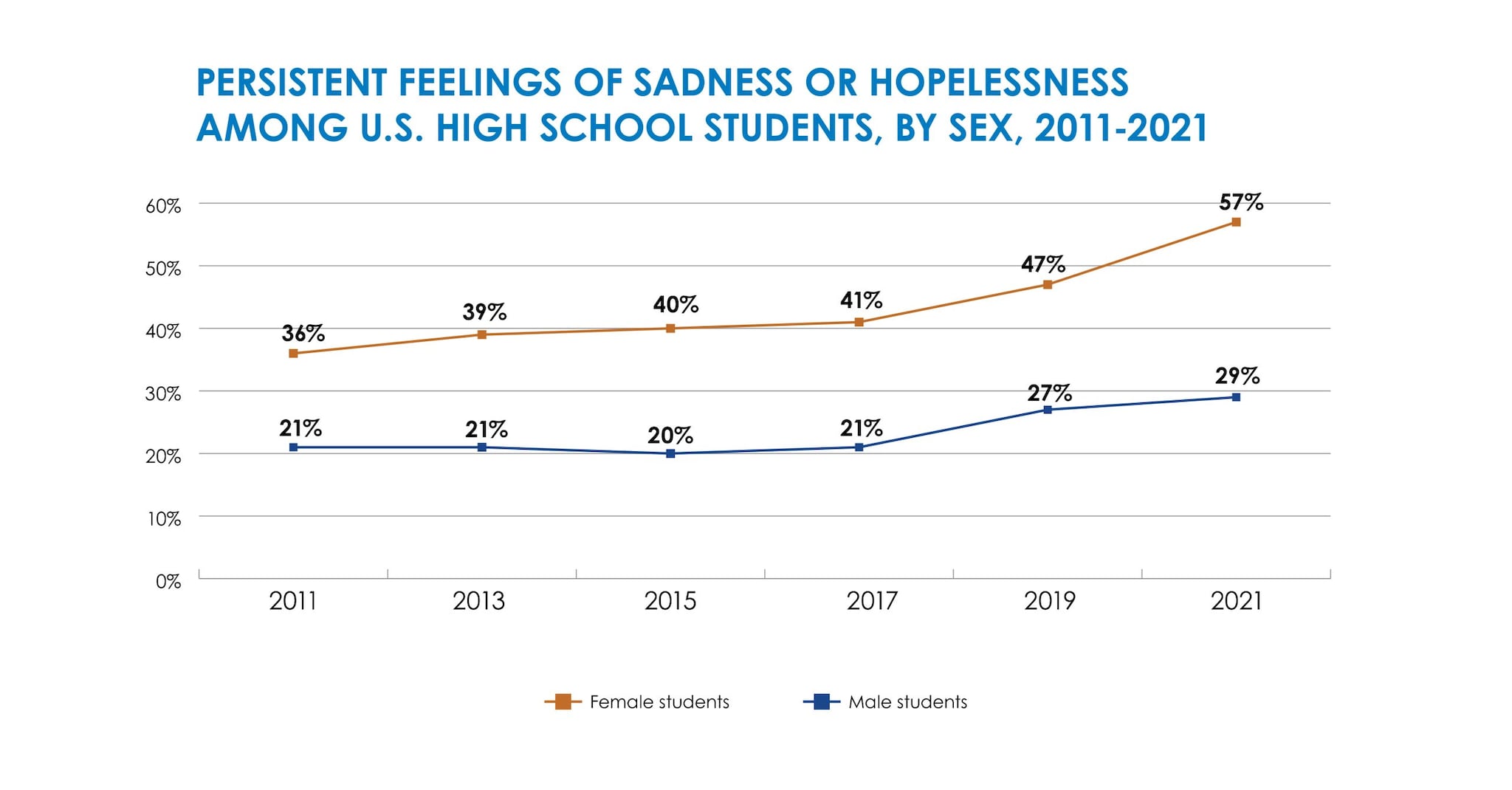
"Since the onset of Covid-19, mental health has worsened. In 2021, the Centers for Disease Control and Prevention found that sadness and hopelessness had increased from pre-pandemic levels, especially for teen girls. In 2017, 41% of female high school students and 21% of male high school students felt sad or hopeless. By 2021, those statistics were at 57% and 29%, respectively."

“Young people need resources and education from trusted sources to protect their mental health,” said Leon Lamoreaux, market president for Anthem Medicaid. He said the program “will help us reach students from all over the Commonwealth and equip them with tools and strategies that will make a positive difference in their lives for years to come.”

Tom Davidson, the CEO of Everfi, said the goal of the program is to help “those who are impacted by mental-health challenges, those who want to build and maintain positive mental health and those who have the opportunity to positively impact the mental health of a friend or peer.”

Sunday, April 28, 2024

Vaping and substance use in Kentucky schools has spiked in the last five years, especially in the younger grades; up 147% overall

Kentucky Department of Education graph from Infinite Campus data; the overall increase was 147%.
By Melissa Patrick
Kentucky Health News

The number of drug, alcohol and tobacco events recorded by schools have increased in schools at all levels across Kentucky, according to data collected by Infinite Campus, an online student information tracking system.

A look at the data from 2017-28 through 2022-23 found that Kentucky's elementary schools saw a 475% increase in drug, alcohol and tobacco events, from 140 events to 805. Kentucky middle schools saw a 281% jump, from 2,336 to 8,912. High schools saw a 107% increase, from 8,995 to 18,651. 

"The biggest increases are with the younger students. So it tells us like forecasting ahead, what we need to be thinking about as we develop the guidance that goes around this," said Florence Chang, with the Kentucky Department of Education's Division of Student Success. "Parallel with this, it would be irresponsible to not also mention that correlated and associated with the increase in substance abuse and vaping that there's also been this increase in psychological distress." 

The data were shared at an April 24 Education Department Student Advisory Council meeting, where students discussed the increase in substance use and what they thought were reasons for it. One said that the real vaping numbers are likely higher because many incidents or events are not recorded.

Department of Education graph from Kentucky
Incentives for Prevention survey of students
Information from the latest Kentucky Incentives for Prevention survey shows an association between serious psychological distress and substance abuse. The study found that students who experienced and reported having psychological stress were 2.5 times more likely to vape, 2.5 times more likely to use cannabis, 2.2 times more likely to binge drink and 3 times more likely to use cigarettes. 

The students suggested several reasons beyond psychological distress for the increases in vaping, including peer pressure, an increase in use of social media among elementary students, and easy accessibility to the products. 

Another student suggested it was a learned behavior. “We see a lot of adults in our lives, said Ava Benson, a senior at Henderson County High School. “They've had a rough day at work, so they're going to have a glass of wine or they smoke cigarettes because of stress." 

Judi Vanderhaar of the Education Department's Division of Student Success said the department's recommendations for districts and schools include implementing prevention efforts, supportive responses for students and updating school policies.

During its recent session, the General Assembly passed House Bill 142, which requires school districts to adopt specific policies that penalize students for possession of "alternative nicotine products, tobacco products or vapor products" and report nicotine-related incidents to the Education Department. Senate language, adopted by the House, allows schools and governing bodies to apply for grants related to nicotine usage and remove the requirement that schools suspend students with a third possession violation.

London police told Phil Pendleton of WKYT that they have been called to schools to investigate serious situations because of vaping. “We have had several instances where EMS was called to schools, and it came out as an overdose, but it turned out it was more to do with vaping,” London Officer Hobie Daugherty told Pendleton.

Saturday, April 20, 2024

UK hosts national meeting to raise immunization rate for vaccine against cervical and other HPV cancers, in which Ky. leads U.S.

Kentucky Department for Public Health illustration
By Melissa Patrick
Kentucky Health News

Kentucky leads the nation in the rate of cases of and deaths from cervical cancer, a disease that is largely preventable by a vaccine.

The vaccine targets the human papillomavirus, which can cause cancers of the cervix, genitals, anus, neck and head. Kentucky also leads the nation in cancers caused by the HPV.

"The good news is that the HPV vaccine can prevent the vast majority of those cancers, but not everybody knows about it," said Pamela Hull, associate director of population science and community impact for the University of Kentucky's Markey Cancer Center. 

Between the HPV vaccine and cervical screening, cervical cancer could be virtually eliminated, Hull said. The combination wouldn't prevent all cases, she said, but "Within the next few decades, we can eliminate cervical cancer as a public-health threat in this country." 

Cervical cancer screening is done through a pap smear, which looks for cancerous cells on the cervix, which connects the uterus and vagina. It can also find precancerous changes that have not yet developed into cancer. Screenings usually begin at age 21 or three years after the first sexual intercourse.

The HPV vaccine protects against six cancers: cervical, anal, penile, vaginal, vulvar and head or neck. According to the Centers for Disease Control and Prevention, it can prevent over 90% of sexually transmitted cancers caused by the HPV from ever developing, 

Hull said these cancers cause 36,000 new cancer cases every year in the U.S. in men and women, but only about half of Kentucky teenagers have received it because state law does not require it.

The vaccine's greatest obstacle appears to be that that it is associated with a sexually transmitted disease. Researchers have said improving the vaccination rate depands on changing the perception that the vaccine is something that prevents STDs to the knowledge that it primarily prevents cancer.

Conference discusses anti-HPV strategies

Raising awareness about the importance of HPV vaccination was the focus of a national conference held in Lexington on April 16-17 by the Markey center and the National Cancer Institute. 

Hull, who spke with reporters before the conference, said researchers all over the country are collectively working to answer this question: "How can we work with health-care providers and community organizations and parents to make sure more and more kids get vaccinated to protect them from cancer as they grow older?" 

A "social organization" program called "Operation WIPE OUT Cervical Cancer Alabama" aims to do just that through a program that involves a number of community partners, Isabel Scarinci of the University of Alabama at Birmingham told attendees at the conference in Lexington. 

Scarinci said the program first engaged the support of the Rotary Club of Birmingham and the state health department. Together, they launched a program to increase HPV vaccination rates in the Alabama county that had the highest rates of cervical cancer in the state.

She said through the involvement of groups in the county and the local school superintendent, they started an education program in the school system that resulted in the students organizing an HPV vaccination campaign, which has become part of an official plan for the state. 

Scarinci said there is no official funding for the program because they "want this to belong to everybody." Thus, funding comes from a number of sources. 

According to a post on the Alabama health department website, the program offers free HPV immunizations for children and adults; provides free cervical cancer screenings for low-income and uninsured women; and provides follow-up tests for those who need it. All services are offered through county health departments.   

HPV vaccines and Kentucky

While the HPV vaccine is not required in Kentucky, it is given around the time students enter middle school and are required to get an initial vaccine for meningitis and a booster for diphtheria, tetanus and pertussis (more commonly known as whooping cough), collecitvely called TDaP.

The timing of the two required vaccines and the HPV vaccine create a good opportunity to include it in the children's immunizations. "Even though it's not required," Hull said, "we really, really strongly encourage it because it's one tool that parents can use to prevent cancer for their children."  

Two doses of the HPV vaccine are recommended for all 11- and 12-year-olds, but the series can begin at 9. It is also recommended for those 13 to 26 if unvaccinated; three doses are recommended for people who get their first dose at 15 or later, and for people with certain conditions that weaken immunity.

In addition, it is also recommended that anyone between 27 and 45 who is not vaccinated should talk to their health-care provider about their risk of infection and the benefits of getting vaccinated.

Asked why boys and girls as young as 9 should get the vaccine, Hull said they have a better immune response than older chuildren. As a person gets older, she said, they need an extra dose of the vaccine for protection against the cancers because it takes more of the vaccine to build up their immunity.

"We really want to see our rates of HPV vaccination go up in Kentucky," Hull said. "Right now, just over half of teenagers have gotten the vaccine, all the doses of the vaccine, and we really want to get that up to, closer to, 80% or even higher." 

In 2022, Kentucky ranked 44th in HPV vaccination, with only 55% of teens 13-17 having received all recommended doses, according to America's Health Rankings. That was a decline from the 57% reported in 2021 and well below the national average of 63%.

"What I like to explain to a parent is . . . you're not going to put your seatbelt on after you get in a car accident, you have to have it on before," Hull  said. "So age for the vaccine is really important to get it early, build up the body's defenses so then one day when the body is exposed to the virus, it is ready to fight it." 

Hull said there is an emphasis on getting more people vaccinated in rural areas because HPV vaccination rates are lower in rural areas, and they have higher rates of HPV cancers.

Monday, April 15, 2024

Legislature rejects pleas, cuts tobacco-prevention spending; passes vape bill that some say could spur youth smoking

Letter requesting much more state funding of tobacco prevention
UPDATE, April 16: Senate President Robert Stivers and Majority Floor Leader Damon Thayer told Kentucky Health News that no one spoke to them about more money for tobacco prevention, and they had no duscussions with the tobacco industry during the session.

By Sarah Ladd
Kentucky Lantern

In a year when the American Cancer Society asked the Kentucky legislature to greatly increase spending on tobacco prevention, lawmakers cut it and passed an anti-vaping bill that some say could increase cigarette use in the state.

The allocation for tobacco prevention in the next two-year state budget — about $8 million shy of advocates’ ask — “certainly is not” enough to combat use in the state, said Doug Hogan, the government relations director in Kentucky for the cancer society and its Cancer Action Network.

The cancer society and others — including the Kentucky Hospital Association, Foundation for a Healthy Kentucky and the Kentucky Chamber of Commerce — signed onto a letter in January asking for a $10 million investment in the state’s Tobacco Prevention and Cessation Program.

Also writing in support of the $10 million for prevention and cessation were Dr. B. Mark Evers, director of the Markey Caner Center at the University of Kentucky, and Jason Chesney, director of the Brown Cancer Center at the University of Louisville.

“A well-funded fact-based tobacco control program is needed to counteract the $251 million per year that tobacco companies are spending to market their deadly and addictive products in Kentucky,” that letter stated. “As Big Tobacco has been working hard to addict future generations with e-cigarettes and other tobacco products, the need for more funding for tobacco prevention programs has never been greater.”

According to that letter, Kentucky sees $55 savings for every $1 it spends on tobacco control programs.

This session, lawmakers passed a bill touted as a way to curb underage vaping. The bill limits vaping products that can be sold in Kentucky to those that have approval from the U.S. Food and Drug Administration, have applied for FDA approval or are challenging denial of FDA approval.

Advocates said that by limiting available vaping products, the bill could result in more Kentuckians turning to cigarettes. Tobacco cigarettes are worse for bodily health.

Vaping has eclipsed traditional smoking among Kentucky youth, advocates say, though Kentucky’s rates for both are higher than the national average.

“The only effective strategy is to adequately fund evidence-based programs,” the Cancer Society’s Hogan said, “that have a meaningful, measurable track record of success.”

Alicia Whatley, policy and advocacy director for Kentucky Youth Advocates, said the state needs a “comprehensive” battle against nicotine use in general. The roughly $2 million going toward cessation is “not nearly enough” to accomplish that goal.

“​​We don’t just want a database of who’s selling vape products,” she said. “We want something comprehensive that tells us who’s selling any of those products” — traditional cigarettes, chew tobacco, nicotine patches, vapes, she said.

Under a new law, the Kentucky secretary of state is required to keep a list of retailers that sell vaping products. That law, HB 11, is meant to curb underage vaping by limiting sales to “authorized products” or those that have “a safe harbor certification” based on their FDA status.

In the final days of the session, this bill absorbed Senate Bill 344, which created an e-cigarette registry. The combined bill was signed into law by Gov. Andy Beshear on April 5. It goes into effect Jan. 1.

“It really should be more comprehensive, but I did not see that that was the case this year,” Whatley said. “I saw a lot of people just talking about vaping.”

Another new law, HB 142, directs boards of education to distribute tobacco prevention and cessation materials to students every year. It also requires schools to confiscate tobacco and vaping products and allows them to suspend students for subsequent violations of the ban on smoking and vaping on school property. It was delivered to Beshear in late March and he signed it on April 9. 

What’s in the state budget for tobacco prevention?

The legislature’s two-year budget slightly cut funding for tobacco control in 2025, according to Cara Stewart, the director of policy advocacy at Kentucky Voices for Health. The funding then flattens out in 2026.

Right now, there’s about $2 million per year set for tobacco prevention efforts, said Hogan. That number drops by about $130,000 for the first year of the new budget. Then, for 2025-2026, it is restored to $2 million.

“Quite frankly, it’s outrageous that lawmakers ignored the urgent need for a significant investment in tobacco prevention and cessation,” Hogan told the Lantern in early April. “Lives are at stake. The health of our next generation is at stake with e-cigarettes and other products.”

Citing Centers for Disease Control and Prevention data, Stewart said Kentucky should be putting closer to $56.4 million every year into tobacco control, considering the state’s population and smoking rate.

Two bills that did not advance this session — HB 813 and SB 335 — would have assisted that goal by moving Juul settlement dollars from the General Fund to the Department for Public Health to support the Smoking and Vaping Cessation Program. Both were dead on arrival.

Public health advocates think that money should indeed be spent on tobacco prevention.

“Tobacco use is our number one preventable cause of disability, disease and death,” said Stewart. “Every single county in the state has a smoking rate above the national average.” 

‘All smokers want to quit’

The CDC reports that “most” vaping products have nicotine in them, an “addictive” chemical that is “toxic to developing fetuses.”

Vaping products can also harm lungs and brain development in youth, the CDC says. E-cigarettes are not safe, the CDC says, though they’re safer than smoking traditional cigarettes, which the CDC reports is a leading cause of preventable death in the country.

Some research suggests vaping can help people quit traditional smoking. That hope helped push Louisville businessman Troy LeBlanc into the vape business.

About 11 years ago, it worked in getting — and keeping — him off cigarettes.

“All smokers want to quit,” LeBlanc said. “I went through Chantix. I did the gum. I did the patches. I did cold turkey. I did all these different things that never worked. Well, you know what did work? Vaping.”

“The whole point of electronic cigarettes” is to get people weaned off, he said, by tapering down their intake over time, eventually stopping.

“I cannot say that every person that walks into my store is doing it with this specific plan to quit vaping,” he said. But he has seen “multiple people quit vaping completely.”

LeBlanc told a legislative committee that the new law’s limits on vaping products “is essentially creating a monopoly for Juul,” an e-cigarette company. 

Will anti-vape bills help public health?

It remains to be seen what effect anti-vaping legislation like HB 11, which takes effect Jan. 1, will have on public health.

Some in the vaping industry say it will drive consumers back to traditional tobacco products — an assertion buttressed by reports from Altria, the parent company of tobacco giant Phillip Morris USA, the leading manufacturer of cigarettes in the United States.

Altria is lobbying legislatures around the country to enact laws like the one Kentucky just passed. Altria also has moved aggressively into marketing its FDA-approved e-cigarette products.

In a February earnings call. Altria CEO Billy Gifford said that “illicit e-vapor” sales last year reduced Phillip Morris cigarette sales by 1.5% to 2%.

The February earnings report said a successful clampdown on disposable e-cig growth could increase Altria’s earnings per share between 5 cents and 15 cents, according to an analyst for Barclays, “if cigarette volumes improve and e-cigs decline or remain steady.”

Since January 2022, Altria has spent more than $500,000 lobbying the Kentucky legislature, according to reports filed with the Legislative Ethics Commission.

“To the extent that this drives people back to smoking, how does this help public health?” said Greg Troutman, a lawyer for the Kentucky Smoke Free Association, which represents vape retailers.

Troutman said the new law will “blackmarket” vape products that have unknown ingredients.

People who smoke increase their risks of heart disease and strokes, according to the CDC. But it doesn’t hurt just them. Nonsmokers who breathe secondhand smoke are much more likely — 20% to 30% — to end up with heart disease or stroke, the CDC says. Kentucky already has dismal rates of heart disease mortality and stroke.

In 2021, a California-based study found that when flavored e-cigarettes were banned, minors turned to traditional cigarettes. At that time, researchers foundthat “reducing access to flavored electronic nicotine delivery systems may motivate youths who would otherwise vape to substitute smoking.”

At the time of publication, study author and assistant professor of health policy at Yale School of Public Health Abigail Friedman, urged caution when passing legislation attacking vapes only.

“While neither smoking cigarettes or vaping nicotine are safe per se, the bulk of current evidence indicates substantially greater harms from smoking, which is 
responsible for nearly one in five adult deaths annually,” said Friedman. “Even if it is well-intentioned, a law that increases youth smoking could pose a threat to public health.”