Showing posts with label prevention. Show all posts

Tuesday, July 16, 2024

Study to help reduce risk of heart disease and diabetes, to be done via Zoom, is looking for participants in 16 Kentucky counties

Kentucky Health News map
By Gia Mudd-Martin
University of Kentucky

Heart disease and Type 2 diabetes are often preventable, but Kentucky has the nation’s ninth-highest rate of heart disease and the fifth highest rate of diabetes. Plus, many Kentuckians have pre-diabetes but don’t know they have it.

A team of at the University of Kentucky is leading a health study called “Heart of the Family” to help people learn to reduce their risk for these illnesses, and the team is inviting participants to join.

What do participants get?  
  • “Heart of the Family” participants receive eight one-on-one, personalized health education sessions based on their risk factors and health. The sessions are over Zoom — no travel required.
  • Free screenings to check health measurements such as blood pressure and cholesterol; these can be done in your home community (team members can come to you) or at an off-campus UK office
  • Gift card for participation
Who can join? You may be eligible to participate if you are:
  • At least 18 years old
  • Do not have heart disease or diabetes
  • Live in one of these Kentucky counties: Anderson, Bourbon, Boyle, Casey, Clark, Franklin, Garrard, Harrison, Jessamine, Lincoln, Madison, Marion, Mercer, Pulaski, Scott, Woodford
  • Have two or more of these risk factors: family history of heart disease or diabetes; personal history of gestational diabetes or polycystic ovarian syndrome; little or no exercise; unhealthy diet; high blood pressure; high cholesterol; elevated blood sugar; stress; depression; overweight; cigarette smoker
Some participants will be invited to have a friend or family member join with them as a “study buddy,” so make sure you have someone willing to participate with you. They can participate even if they have diabetes or heart disease. Study buddies will receive the same benefits listed above.

What is required of participants? Participants should be willing to complete eight virtual health-education sessions, share health information with the study team, and have blood drawn. All your information will be kept completely confidential, just like in regular medical care.

How can I get involved? If you’re interested in learning more or joining, contact Emily Cravens at emcravens@uky.edu or 859-218-6827. Learn more about participating in research at UKClinicalResearch.com.

Saturday, July 13, 2024

Kentucky is a national leader in lung-cancer screening, but still has a long way to go to get all eligible people screened

American Cancer Society photo illustration
By Melissa Patrick
Kentucky Health News

Kentucky ranks second among states for lung-cancer screening, but experts say many more Kentuckians need to be screened. Only 10.6% of those at high risk have received screening; the national rate is 4.5%.

A recent study led by American Cancer Society researchers, published in the Journal of the American Medical Association Internal Medicine, shows fewer than one in five eligible individuals in the United States were up-to-date with recommended lung-cancer screening. 

"This research does show an improvement over screening rates reported for previous years. But we clearly, still have a long way to go. We must push harder to move the needle in the right direction,” Dr. Priti Bandi, ACS's scientific director for risk factors and screening-surveillance research, said in a news release.

The U.S. Preventive Services Task Force and ACS recommend annual low-dose CT scans for lung-cancer screening for individuals who:
  • are 50 to 80 years old
  • smoke or have quit smoking within the past 15 years
  • have at least a 20 pack-year smoking history, which means a pack a day for 20 years or two packs a day for 10 years, and so on. A pack year is the number of packs smoked per day multiplied by the number of years the person smoked. 
Jennifer Redmond Knight, who serves as co-principal investigator for the lung-cancer screening project under the Kentucky Lung Cancer, Education, Awareness, Detection, Survivorship Collaborative, said one reasons lung-cancer screening remains low is because it is a relatively new cancer screening. The first recommendations for annual screenings were issued in 2013 and the eligibility for screenings expanded in 2021. 

"What that means is more people are now eligible for screening, which means the percentage of people who have been screened has gone down because there are more people eligible," Knight said. 

Another challenge is stigma, said Knight, who is also an assistant professor in the University of Kentucky's College of Public Health and a member of the UK Markey Cancer Center's Prevention and Control Research Program.

For years, Knight said people with a "significant smoking history" have felt shamed when their health-care providers ask them if they've quit smoking and they haven't, so when their provider encourages this new screening, there are often trust issues.

Knight said much work is being done in Kentucky to reduce stigma associated with lung cancer, largely through the Lung Cancer Screening Program the legislature created in 2022. Knight is on the program's advisory board.

"Kentucky is actually leading the way in many ways with quality lung-cancer screening and addressing the stigmas and helping lung-cancer screening programs throughout the state work in that space," Knight said.

She also talked about the value of early detection, which lets cancer be treated more effectively. Early screening is also important because it can often identify cancer before it spreads or causes symptoms. 

"We have hope now with lung cancer that we never had before," Knight said. "The story used to be if you get lung cancer, you're not going to make it very long. But now there's a story of hope that has to be changed. . . . So there's a lot of cultural shifts around this." 

The cancer society's research found that screening was much less common in persons without health insurance or a usual source of care, and in Southern states, which have the highest lung-cancer burden. Lung cancer is the leading cause of cancer deaths in Kentucky.

Most Kentuckians can pay for lung-cancer screenings through insurance or a program that offers low-cost screenings. Most Kentuckians have access to health insurance because the state expanded Medicaid in 2014, under the Patient Protection and Affordable Care Act, to include people making up to 138% of the federal poverty level. 

"If you meet the eligibility criteria, lung-cancer screening is covered by Medicare, Medicaid and most private insurance plans without cost-sharing. In rare instances where insurance coverage is unavailable, many programs including UK’s Lung Cancer Screening Program, offer screenings at a relatively low cost," Dr. Timothy Mullett of UK wrote in an article to debunk myths about such screenings.

The state Department for Public Health offers a service called Quit Now Kentucky to help Kentuckians of all ages quit smoking. To learn more go to QuitNowKentucky.org, text QUITKY to 797979 or call 1-800-QUIT-NOW.

Monday, July 8, 2024

Coleman reappoints two members to state opioid commission

By Melissa Patrick
Kentucky Health News

Attorney General Russell Coleman has reappointed two members to the state opioid commission, thus not changing the balance of votes on the issue of syringe-exchange programs, which he says he opposes.

Those members are Jason Roop, an assistant professor of business and theology at Campbellsville University, who represents victims of the opioid crisis, and Van Ingram, who works for Gov. Andy Beshear as executive director of the Kentucky Office of Drug Control Policy and fills a slot representing the drug treatment and prevention community. Each of their terms expires in 2026. 

The Kentucky Opioid Abatement Advisory Commission has nine voting and two non-voting members. The legislature created the commission in 2021 to distribute the state's portion of the $900 million in settlements with opioid manufacturers and distributors, with half of the money going to the state and the other half going to local governments. 

The money is provided in installments and so far, the state has awarded 110 grants worth more than $55 million for treatment, prevention and recovery.

Attorney General Russell Coleman
Coleman's opposition to syringe exchanges was revealed when Chris Evans, the commission's executive director and a Coleman employee, passed on a vote approving a grant for the Boyle County Agency for Substance Abuse Prevention because it included help for a syringe exchange. 

In passing, Evans said Coleman doesn't support the exchanges. Coleman, a Republican who was elected in November, later said that was especially the case for programs that are not limited to one-for-one exchanges. His spokesman said Coleman would not base commission appointments on the issue.

As of February, 41 Kentucky counties had syringe-exchange programs that operate under a one-to-one rule and 24 counties have needs-based exchanges, according to the state Department for Public Health. It estimates that the overall return rate of syringes is 85% to 90%. 

Syringe exchanges are supported by research. The Centers for Disease Control and Prevention says injection drug users who have access to exchanges are five times more likely to get treatment than those who don’t. Another study says the exchanges do not encourage drug use or increase the frequency of drug use among current users.

Exchanges were authorized by the state's 2015 anti-heroin law, in an effort to thwart the spread of HIV and hepatitis C, which are commonly spread by the sharing of needles among intravenous drug users. 

They also work to reduce overdose deaths by distributing naloxone; reduce medical harms such as skin, blood stream, and heart valve infections that severely injure substance users and incur large health care costs for society; and connect substance users to treatment and recovery supports in order to achieve sustained abstinence.

Patricia Freeman, a University of Kentucky pharmacy professor, has also been reappointed to the commission – by UK as a representative of the HEALing Communities study team, which is working on reducing drug-overdose deaths. Her term will expire in 2026. 

Two new non-voting members have also been appointed. State Rep. Chris Fugate, R-Chavies (Perry County), was appointed by House Speaker David Osborne to replace retiring Rep. Danny Bentley, R-Russell. Karen Kelly, chief of staff to U.S. Rep. Hal Rogers, R-5th District, was appointed by Senate President Robert Stivers to replace Carlos Cameron. 

Other members of the commission are Republican state Treasurer Mark Metcalf, who also passed on the Boyle County vote; Cabinet for Health and Family Services Secretary Eric Friedlander, who works for Beshear; Von Purdy, a vice president of Simmons College in Louisville, representing citizens at large; Darren "Foot" Allen, a retired state trooper, representing law enforcement; and Karen Butcher, representing citizens at large.

Monday, July 1, 2024

Your Local Epidemiologist says gun violence is public-health issue

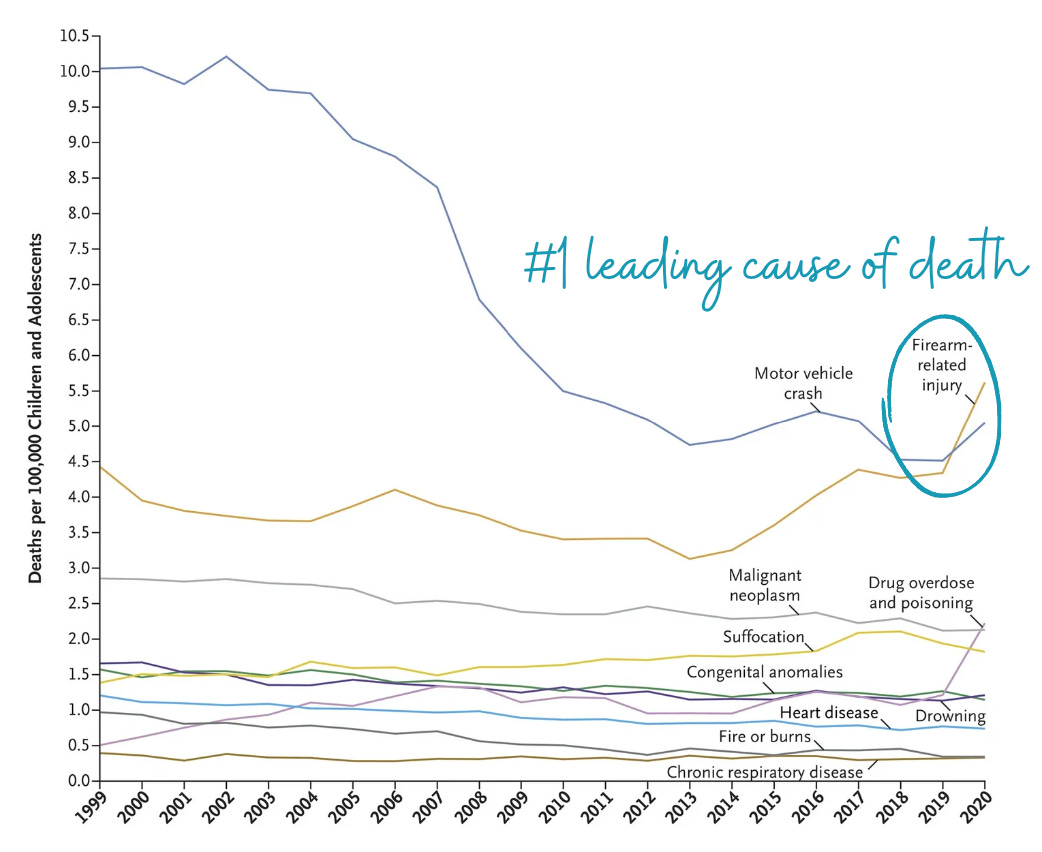
Graph from New England Journal of Medicine; Annotated by Your Local Epidemiologist
OPINION By Katelyn Jetelina
Your Local Epidemiologist

On June 24, U.S. Surgeon General Vivek Murthy declared gun violence a public-health crisis. Many narratives immediately pushed back that this isn’t public health’s lane.

Let me say this loud and clear: Gun violence is absolutely in the purview of public health. And until society accepts it as such, we will continue to lose tens of thousands of Americans annually, leaving behind massive ripples in the community. Thankfully, momentum is changing.

What is public health? It’s broader than you might think. Public health—also called population health—came into the limelight with Covid-19, but it’s much broader than a pandemic or infectious diseases. It is the science of protecting and improving the health of people and their communities.

Public health is everywhere—think seatbelts, non-smoking areas, vaccines, airbags, clean drinking water, cleaner indoor air, food security, and cancer prevention. Experts are in health departments, nonprofits, government agencies, academic institutions, and the private sector. That’s because public health is most effective when combining science, education, policy, advocacy, and innovation.

Epidemiology, one subset of public health, is charged with finding patterns: Who is impacted? What predicts certain health outcomes? Because if it’s predictable, it’s preventable.

Violence epidemiology was born out of a case study a few decades ago, which showed that clusters of cholera in Bangladesh mirrored clusters of gun violence in Chicago. This meant gun violence wasn’t random; certain factors predispose a person or community. The field has grown to study suicide, child abuse, domestic violence, and, yes, gun violence.

Gun violence patterns—who are being impacted, where, and why—have slowly emerged, providing hints about tangible and effective public health solutions. For example:
  • Firearm injuries are the leading cause of death in children. It surpassed motor vehicle crashes in 2020 for the first time.
  • 2 out of 5 homes have at least one firearm.
  • 4.6 million kids live with unlocked, loaded gun.
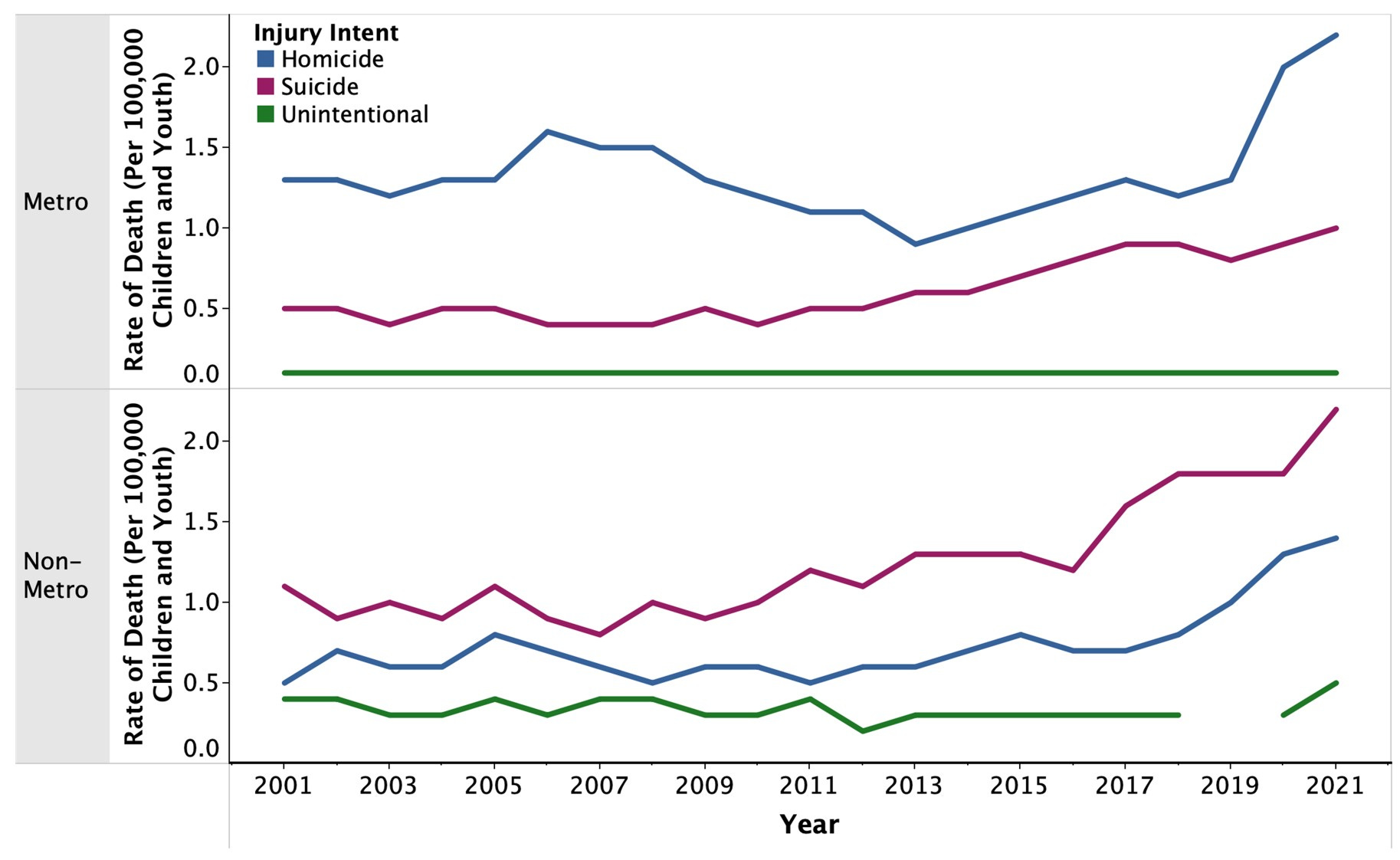
  • 1 in 3 youth suicides and unintentional deaths can be prevented by securing guns.
  • 8 out of 10 children that used a firearm say it belonged to a family member.
These patterns suggest safe storage and education for parents, for example, could (and are) move the needle.

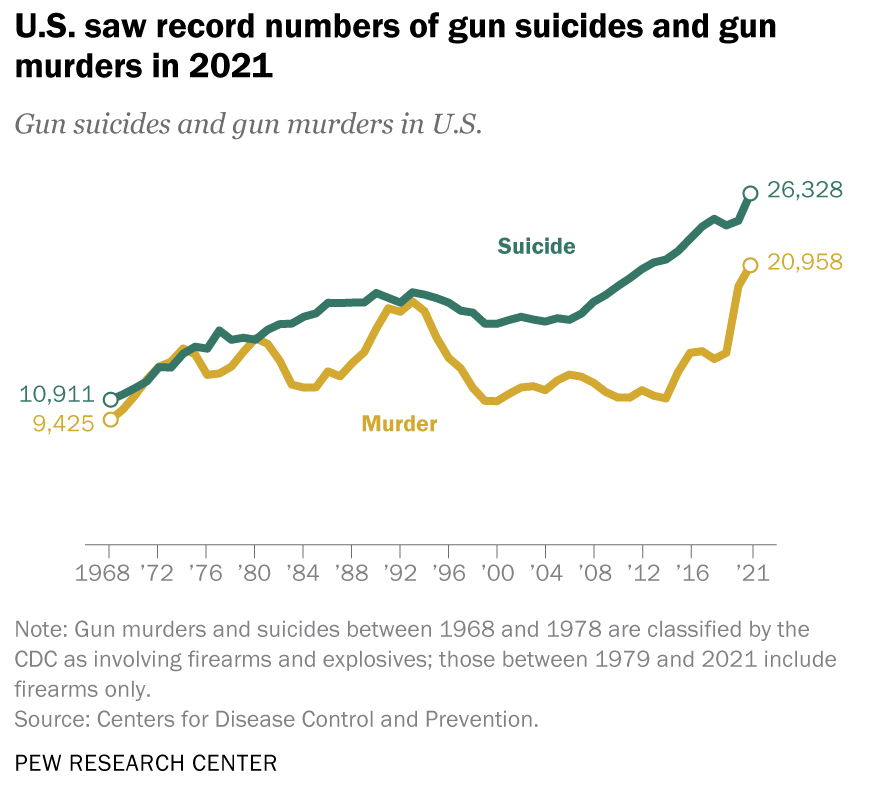
Suicides account for most gun deaths, followed by homicides. This is why some states have passed bipartisan legislation, like red-flag laws, to temporarily remove firearms from people who have been deemed a threat to themselves. It’s estimated one suicide is prevented for every 10–20 red flag orders issued.

Cause and risk are not uniform. Gun injuries and deaths differ by race/ethnicity, physical location, age, and many other factors. This suggests who and how we engage with matters to make an impact.

There are ripple effects. A single neighborhood murder can impact as many as 200 people in a community. Randomized control studies have shown that community-level interventions, like replacing vacant spaces with green spaces, break cycles of violence.

Finding answers has been a slow crawl. Although we’ve found some patterns, we’ve only scraped the surface. Progress has been plagued by an unfortunate series of events.

Rewind to 1993. A famous study published in the New England Journal of Medicine found that having a gun in the home increased the risk of homicide in the home. This set off a political domino effect, and three years later, Congress inserted the Dickey Amendment into the CDC spending bill. The provision stated, “None of the funds made available for injury prevention and control at the Centers for Disease Control and Prevention may be used to advocate or promote gun control.” The language was unclear; the epidemiologist on the 1993 study famously said, “Precisely what was or was not permitted under the clause was unclear. However, no federal employee was willing to risk his or her career or the agency's funding to find out. Extramural support for firearm injury-prevention research quickly dried up.”

This set gun violence research back decades, as it was completely reliant on nonprofits and philanthropy support. This is helpful but not enough to match the scope of the problem.

But, momentum is shifting. We see this from several angles:
  • Engagement from the bottom up. A plethora of public-health experts have partnered with groups directly impacted by gun violence. For example, working with gun owners and gun ranges to curb suicide or communities (see Cure Violence) to build solutions.
  • Funding for research. In 2020 —for the first time in 25 years—our federal budget included $25 million for the CDC and NIH to research reducing gun-related deaths and injuries. This is a start, but to be clear, it’s estimated that we need $1.4 billion to curb this epidemic. (For context, NIH gets $6.56 billion allocated for cancer research.)
  • State and federal initiatives. For example, the Office for Violence Prevention was established in 2023 to focus on key legislative actions. You may be surprised to hear that many policies have bipartisan support. Earlier this month, the office hosted 160 hospital executives and leaders to discuss the importance of using health system data to better understand patterns.
Gun violence is absolutely in the public-health lane. This is what we do. We’ve been able to do unimaginable things and save millions of lives by approaching problems with a public-health lens, like cigarettes and motor-vehicle crashes. Public health can help reduce gun violence in the U.S., and we will. But only at the speed at which society recognizes and supports it.

Tuesday, June 25, 2024

Cervical-cancer screening declined in pandemic, UK study finds

A Pap test (Photo by Rabizo, iStock/Getty Images Plus)
By Elizabeth Chapin
University of Kentucky

New research at the University of Kentucky reveals concerning declines in cervical cancer screening rates among women in the U.S. during the Covid-19 pandemic, especially in rural areas.

The study, led by UK Markey Cancer Center researcher Ty Borders, analyzed nationally representative survey data from the National Cancer Institute to examine Pap test screening rates before and during the pandemic. A Pap test (or Pap smear) is a screening method that can detect cervical cancer or cell changes that may lead to cervical cancer, allowing for early detection and treatment.

The analysis showed that the odds of a woman receiving a Pap test in the past year were 30% lower in 2022 compared to 2019, before the pandemic began.
research published in JAMA Network Open 

The substantial decline is concerning, given that cervical cancer is largely preventable with regular screening and early intervention says Borders, a professor in the UK College of Nursing and director of the Rural and Underserved Health Research Center.

The study also found increased disparities in screening rates between rural and urban women. In 2022, only 48.6% of rural women reported receiving a Pap test in the past year, compared to 64% of urban women.

Women from rural areas have historically had higher rates of cervical cancer incidence and mortality, so a widening urban-rural gap in screening during the pandemic is particularly troubling, Borders says.

“The findings point to a need to expand access to cervical cancer screenings among all women, but especially those residing in rural areas, to prevent a possible uptick in future cervical cancer incidence and mortality,” said Borders.

Disruptions to health care services during Covid-19 lockdowns likely contributed to the declines in screening, as many clinics temporarily suspended or scaled back routine procedures like Pap tests.

Based on the results, health care providers may want to consider extra measures to ensure patients are up to date with recommended screenings, including expanding the availability of appointments for cervical cancer screenings and reminding patients of screening due dates.

The research was published in JAMA Network Open, a publication of the American Medical Association. 

Saturday, June 22, 2024

Community event at church addresses health needs in Frankfort

A variety of health-focused vendors set up tables in the parking lot of First Baptist Church Frankfort on June 14 to share information and host activities with attendees. (UK photos by Lindsay Travis)
By Lindsay Travis
University of Kentucky

Coretta Scott King said, “The greatness of a community is most accurately measured by the compassionate actions of its members.”

On a warm Saturday in June, First Baptist Church Frankfort opened its doors to more than 500 individuals in the community to put an emphasis on their well-being. It was part of the fourth annual Dr. Rosby L. Glover Unity in the Community event — a day of fun, food, music and raising awareness.

The fruits of this effort are an extension of collaborations with key community partners, including Capital City Activity Center, Meals on Wheels Greater Frankfort, Kentucky State University Cooperative Extension and the University of Kentucky.

“The day is an effort to bring the whole community together, to not only just have fellowship, but to bring awareness to physical health, diabetes and other health issues,” said Bishop Tiangello Hill, senior pastor of the church. “It means that we're doing our job. It means that we are reaching beyond the four walls and being a help to all mankind.”

The event is held in honor of the church’s late pastor, the Rev. Dr. Rosby L. Glover, who made it his mission to be an advocate for the Frankfort community for children and families. His widow, Lady Kimberly Glover, said “This was a vision of ours, and I’m elated to see Frankfort continue my husband’s mission to serve the community and its families.”

The compassion for Frankfort is evident in talking to those behind the June 14 event, like Glover.

“People care about this event because when people get together, we're all just people,” she said. “No matter what race, what nationality, it’s bringing love for one another, showing how much we care. And just to know that the church is here to help anyone in need.”

In an effort to share important health information with the community, inside the church, guests could complete free health screenings. The Lions Club partnered for diabetes screenings and the Franklin County Health Department donated screening materials and time for blood pressure screenings.

UK's Refocus Project, aimed at African Americans, answered
questions about opioid overdoses. (UK Photo by Lindsay Travis)
Tents and tables lined the church parking lot and nearby Clinton Street showcasing the services provided by a variety of health-focused agencies. Among those tables were UK’s Sanders-Brown Center on Aging and its Engaged Aging Lab, the College of Health Sciences’ Physical Therapy program, the Research Examining Factors Associated with the Opioid Crisis among Underserved African Americans (REFOCUS) research team, and the Cooperative Extension Service.

It’s an intentional approach from researchers and clinicians at UK to address the specific needs of the Frankfort community. The city, at one time, had the nation’s second-highest prevalence of Alzheimer’s disease in African American adults among other health challenges.

The partnership is an important one to Elizabeth Rhodus, assistant professor at Sanders-Brown and the Department of Behavioral Science in the UK College of Medicine.

“We connected with Dr. Glover a few years ago to think about how we can help provide health care, access and resources to individuals in the community,” said Rhodus. “We are excited to see that partnership grow.”

Saturday’s event is an extension of Sanders-Brown’s partnership with First Baptist Church Frankfort. Researchers meet monthly with church members to help address the commumity's needs. It’s part of Rhodus’ Engaged Aging Lab, which takes lessons learned from research and clinical spaces out into the communities to address health gaps.

Rhodus and her team provide support and resources for Alzheimer’s disease and dementia through research which focuses on everyday activities that support healthy brain aging, caring for individuals with dementia and community-engaged research for health equity. They use practical methods and everyday items in ways to help people live healthy and reduce their risks for diseases.

“We focus on telling people about five main areas to try to reduce your risk for dementia: sleep, nutrition, exercise, novelty — or doing something new — and socializing, are the great things for your brain,” said Celeste Roberts, research program manager at the Engaged Aging Lab.

Oil timers can relax the mind and body through visual cues.

Roberts kept a bottle of lavender-scented lotion and an oil timer on the table. The items may be simple, but as Roberts explains, they can relax the mind and body through aromatherapy and visual cues.

She and Sanders-Brown’s April Stauffer answered questions from people stopping at their tables for hours. They handed out helpful flyers on a range of topics related to brain health.

“Having a conversation with people about what they can do every day on their own and giving them the tools they need to ask the right questions about their health is key,” said Roberts. “Unity in the Community gives us an opportunity to start that conversation.”

On Clinton Street in downtown Frankfort, physical therapy students looked like they were playing games with attendees who stopped by their table. In actuality, they were conducting fall risk and balance assessments they’d use in clinic — a four-square step test and a timed up-and-go test out of a chair.

“Depending on how they score we can tell them if they’re at an increased risk for falls or not and provide them with helpful information,” said Sheila Clemens, an assistant professor in the Department of Physical Therapy. “This community is potentially at risk for being underserved and they may not get this information elsewhere. We’re happy to offer this easy access.”

In the next booth, the focus was on engaging members of the Black community in research. It’s part of the REFOCUS project, led by Danelle Stevens-Watkins, acting dean and professor in the Department of Educational, School and Counseling Psychology in the College of Education.

“We came to this event to help educate the community about opioid overdoses,” said Mona Goggins, a research assistant with REFOCUS. While the number of overdose deaths in Kentucky declined 9.8% frpom 2022 to 2023, there was an 8% rise in overdose deaths among Black Kentuckians. “Our hope is people want to participate in our study so we can increase awareness and gather information that will improve treatment in the Black community.”

The project is primarily focused on Lexington and Louisville, but the REFOCUS representatives shared that guests were “getting what they needed from the table” from education to sharing stories to seeing themselves represented in research efforts.

“I think that when you try to look at treatment from just one lens, you miss out on so many different groups in the population. I think it's important to recognize what different cultural backgrounds and factors that influence people's lives in the way that they experience opioid use,” said De’Asia Beard, a REFOCUS mresearch assistant.

UK’s Cooperative Extension Service has been a long-time partner in this community initiative. Sanders-Brown works closely with Carla Carter, an extension agent for family and consumer sciences at the Franklin County Extension Office.

Carter, a long-time member of First Baptist Church Frankfort, helps coordinate monthly workshops at the church and was the emcee for the Dr. Rosby L. Glover Unity in the Community. She thanked Debora Bobbitt and Reverend Anna Jones for organizing the day.

The event took a holistic approach to community health, with pieces focused on the spectrum of age ranges represented. In addition to health screenings for older age groups, the church donated 65 bicycles to kids in the community — doubling their previous giveaway goal — to foster health and exercise.

It took a team of people to put on the event and a strong spirit of collaboration from the team at the church to make such an impact in the capital city.

Rhodus and her team know there’s a health need in this area that can benefit from targeted resources and outreach paired with different research approaches. The team shares a similar goal with First Baptist Church Frankfort:

“Let’s literally build unity within all of these communities to support every individual, wherever they’re at in their aging journey — childhood all the way throughout their older age,” said Rhodus. “Let’s tailor the health pieces that they need to support a healthy, active lifestyle.”

Where to find more information:

Monday, June 17, 2024

Learning CPR for children and infants could help save a little life

(Photo from Prostock-Studio, via iStock/Getty Images Plus)
By Dr. Callie L. Rzasa
University of Kentucky

More than 23,000 children in the United States suffer an out-of-hospital cardiac arrest annually. Although the reported number of infant out-of-hospital cardiac arrests varies widely, only 6.5% for children less than 1 year old who experience an out-of-hospital cardiac arrest survive to hospital discharge.

According to the National Center for Injury Prevention and Control, unintentional choking and suffocation are a leading cause of all injury deaths for infants less than a year old. Nearly 3,500 infants die each year in the U.S. from sleep-related infant deaths such as suffocation, entrapment, strangulation and sudden infant death syndrome.

Make safety a habit at home by implementing safe sleep practices, such as making sure babies sleep in their own crib or bassinet on a firm, flat surface without potential suffocation hazards such as blankets, stuffed animals or crib bumpers.

New parents, grandparents, babysitters and caregivers should take the time to learn infant- and child-specific CPR (cardiopulmonary resuscitation). It’s important to remember if the child is unresponsive, not breathing or only gasping, call 911 and start CPR immediately.

For a child 1 or older:
  • Push on the middle of the chest 30 times at a depth of 2 inches with one or two hands at a rate of 100 to 120 compressions per minute.
  • Provide 30 compressions and then give two rescue breaths.
  • Repeat cycles.
For an infant younger than 1:
  • Push on the middle of the chest 30 times at a depth of 1½ inches with two fingers at a rate of 100 to 120 compressions per minute.
  • Provide 30 compressions and then give two rescue breaths.
  • Repeat cycles.
If you have access to an automated external defibrillator, use it as soon as possible. Most AEDs are equipped with child- and infant-sized pads. They can help guide CPR and provide treatment for certain heart arrhythmias. Continue compressions until emergency services arrives.

For more information about CPR for adults, children and infants, find a class or training center near you.

Callie L. Rzasa, M.D., is medical director of Kentucky Children's Hospital Congenital Heart Clinic and American Heart Association board president in Central and Eastern Kentucky.

Sunday, June 16, 2024

Men's Health Month a reminder to schedule preventive screenings

By Melissa Patrick

Kentucky Health News

Men's Health Month in June is a reminder for men to think about their health and consider making some screening appointments that could lengthen, or even save, their lives. 

Why is it so important for men to take care of themselves? For one thing, on average in the United States, men die nearly six years earlier than women. 

That is a wider gap than before the pandemic, which took a disproportionate toll on men. Researchers also note that men are more prone to unintentional injuries, such as drug overdoses and  accidents. Homicides, heart disease and suicides also contribute to the worsening life expectancy for men. 

Men's Health Month is a time for men to take charge of their health and to schedule their preventive  health screenings, especially for the conditions that if caught and treated early could save their life. 

Some recommended screenings include: 
 
Heart disease is the leading cause of death in men, according to the Centers for Disease Control and Prevention.  The American Heart Association says the key screenings for heart health involve an annual physical that include test for blood pressure, cholesterol, body weight and diabetes. Smoking is also a major cause of heart disease, and a health-care provider can help with a cessation plan. 

Skin cancer: Increased sun exposure and fewer trips to the doctor put men at a higher risk of developing skin cancer, so it's important to not only protect your skin when outdoors, but to see a dermatologist if you notice any change in a mole's color or appearance, or if they bleed, ooze, itch, appear scaly or become tender or painful. A dermatologist can also do a full-body skin cancer screening. 

Lung cancer: Kentucky still has one of the highest smoking rates in the nation and leads the nation in lung-cancer cases and deaths. Lung-cancer screening via low-dose computed tomography (a low-dose CT scan) is recommended for anyone 50 to 80 who smokes or has quit in the past 15 years and has at least a 20 pack-year smoking history (a pack per day for 20 years or two packs per day for 10 years). 

Prostate cancer: On average, one in eight men will be diagnosed with prostate cancer and it is the second leading cause of death among men, according to the American Cancer Society. It is recommended that prostate cancer screenings for men who are at average risk begin at age 50. 

Colon cancer: Routine screening for colorectal cancer is recommended to start at age 45. Men with a family history of the cancer may be advised to get screened earlier.

Diabetes: In Kentucky, about 100,000 people have diabetes and don't know it. That's why it's important to get screened with a blood test even when you don't think you have any symptoms.

Mental health: A primary-care provider is a good place to start if you are seeking help with a mental-health concern. Mental Health America of Kentucky also offers a free, online mental-health screening. The new, national 988 suicide/crisis hotline is available 24/7.

"While men are diagnosed with depression half as often as women and are less likely to attempt suicide, men die by suicide three to four times more frequently," says a peer-reviewed article in the American Medical Association Journal of Ethics by Nathan Swetlitz. "Although there is no one-to-one correspondence between depression and suicide, depression is one of suicide’s most significant risk factors."

Monday, June 10, 2024

Have a sun-safe summer by protecting your skin; here's how

Photo by RawPixel / iStock / Getty Images Plus
By Dr. John D'Orazio
University of Kentucky

Spending time outside in the summer is a great way to stay active, reduce stress and get vitamin D. It’s also important to make sure your skin is protected during your time outdoors.

Too much sun can cause skin cancer — the most common cancer in the U.S.  Most skin cancers are caused by too much exposure to ultraviolet light, which can damage skin cells.

Protecting your skin from UV rays is important all year long and not just during the summer. You can also be exposed to UV rays on cloudy or cool days.

Here are steps you can take to protect your skin from the sun:

Sunscreen: Use a broad-spectrum sunscreen that filters out two types of UV rays: UVA and UVB. It should also have a sun protection factor (SPF) of 15 or higher. Put a thick layer of sunscreen everywhere that will be exposed to the sun at least 20 minutes before going outside.

It’s also important to reapply your sunscreen because it does wear off. If you’re out in the sun for more than two hours or swimming, sweating or toweling off, you need to reapply.

Make sure your sunscreen isn’t expired. It’s shelf life is no more than three years and shorter if it’s been exposed to high temperatures.

Sunglasses: In addition to protecting your eyes from UV rays, sunglasses also protect the more delicate skin around your eyes from sun exposure. Most sunglasses sold in the U.S. block both UVA and UVB rays.

Hats and clothing: Hats with a brim all the way around that shades your face, ears and the back of your neck offer the most protection. Canvas works best and you should avoid straw hats that let too much sunlight through. If you wear a baseball hat, you should also protect your ears and the back of your neck with clothing, sunscreen or staying in the shade.

Long-sleeved shirts and long pants and skirts can also provide you some protection from UV rays. Clothing made from tightly woven fabric offers the best protection as well as darker colors.

Shade: You still need to wear sunscreen or protective clothing even when hanging out in the shade. Staying under an umbrella, tree or other covering can help you reduce your risk of sun damage and skin cancer. Taking breaks in shaded areas is also key on long days outside.

Other ways to stay sun safe include planning activities in the morning or late afternoon to avoid the most exposure to the sun.

Sunburn: A sunburn usually shows up four hours after being exposed to the sun, gets worse for about 24 hours and then fades in three to five days.

Treatment: You can take an over-the-counter pain reliever to help with the pain of a sunburn. A cool, wet cloth can also offer relief as well as applying aloe or moisturizer. It’s important to drink plenty of water to stay hydrated.

If you have blisters, don’t break them. Lightly bandage the area to prevent infection. If more than 15% of your body is sunburned, you’re in pain for more than 48 hours or have a fever of above 101 degrees, seek medical attention.

If you’re sunburned, avoid more time in the sun until your skin has healed.

John D’Orazio, M.D., Ph.D., is division chief for pediatric oncology, hematology and oncology at UK HealthCare and researches skin cancer at the UK Markey Cancer Center.

Monday, May 20, 2024

Korean study finds former smokers who use e-cigarettes or vapes have higher risk for lung cancer than ex-smokers who don't

Photo by Steve Helber, The Associated Press
Kentucky Health News

Former cigarette smokers who use electronic cigarettes or vaping devices may be at higher risk for lung cancer than former smokers who don’t vape, according to new research in South Korea.

“This is the first large population-based study to demonstrate the increased risk of lung cancer in e-cigarette users after smoking cessation,” said Dr. Yeon Wook Kim of Seoul National University, corresponding author of the study published at the 2024 international conference of the American Thoracic Society (ATS).

E-cigarettes are promoted as an aid to smoking cessation, but "There is little knowledge about the long-term consequences of vaping, and epidemiological evidence for the association between e-cigarette use and lung cancer is lacking," said an ATS news release.

"Biological studies suggest the possible dangers of e-cigarettes, including pulmonary toxicity and lung cancer. E-cigarettes and heating elements have been shown to contain carbonyl compounds (such as formaldehyde, acetaldehyde, acrolein and diacetyl) and toxic metals (such as chromium, nickel and lead), which are known to be carcinogenic. These toxins are also present in conventional cigarettes."

Kim said, “Our results indicate that when integrating smoking cessation interventions to reduce lung cancer risk, the potential harms of using e-cigarettes as an alternative to smoking must be considered.”

To determine the risk to former smokers, the researchers looked at the records of more than 4.3 million Koreans with a history of conventional smoking who participated in the Republic of Korea’s National Health Screening Program in 2012-14 and 2018. They conducted follow-up in December 2021.

"They found that 53,354 individuals had developed lung cancer," or 1.24%, and 6,351 died from it, or 0.147%, the release says. "Ex-cigarette smokers who had quit five years or more and used e-cigarettes were at greater risk of lung cancer-related death than ex-smokers who had quit five years or more and hadn’t used e-cigarettes. For smokers who had quit less than five years, those who used e-cigarettes were found to have both a higher risk of both lung cancer and lung cancer mortality than non-e-cigarette users."

The researchers also looked at people aged 50 to 80 with a smoking history of 20 or more pack-years , because in the U.S. they would be likely be referred for lung cancer screening under American guidelines. "Ex-smokers in this group who had quit smoking for five years or more and used e-cigarettes reported a higher risk of both lung cancer and lung cancer-related death than those who didn’t use e-cigarettes," the release says. "In addition, ex-smokers who used e-cigarettes and had quit smoking less than five years before had a higher comparative risk of lung cancer.

The authors conclude, “Clinicians must highlight the potential harmful effects of alternative e-cigarettes use when integrating smoking-cessation interventions, to reduce lung-cancer risk.”

Wednesday, May 15, 2024

As new Covid-19 variants become dominant and boosters are needed, vaccine misinformation continues; here are the facts

Photo from Getty Images via Kentucky Lantern
By Sarah Ladd
Kentucky Lantern

In the last month, new Covid-19 variants emerged as the dominant strain in the United States.

Covid-19 vaccines are still recommended for protection against the virus, and everyone who is 65 and over, or had medical conditions that make them more vulnerable, is advised to get a Covid-19 booster this spring.

The Cabinet for Health and Family Services says the KP.2 variant has already been confirmed in the state. Kentucky does not have any KP1.1 cases, cabinet spokesman Brice Mitchell said. These variants are in a group called FLiRT, after letters in the names of the individual mutations.

“These variants are not thought to cause more severe disease but do have some mutations in the spike protein that may make them more resistant to immunity conferred by vaccines and prior infections,” Mitchell said.

Kentucky has low levels of emergency-department visits and hospitalizations for Covid-19, but Mitchell said the state Department for Public Health “continues to recommend that all Kentuckians six months of age and older remain up-to-date with their Covid-19 vaccinations.”

A spokesperson for the Centers for Disease Control and Prevention told the Lantern that the CDC “continues to encourage Americans to get vaccinated, as the Covid-19 vaccination continues to be the best way to protect against serious illness.”

Despite that advice, not everyone is convinced. In the fourth year of Covid-19 — and about three and a half years since the vaccines arrived — misinformation about them persists, even among elected officials.

During the 2024 legislative session, vaccine misinformation — specifically around the Covid-19 shots — found its way onto the Kentucky Senate floor and into committee meetings. The Lantern consulted the CDC, the Food and Drug Administration and other sources in response to several vaccine claims made by lawmakers this year:
 
Claim: “The deaths and adverse events recorded to the Vaccine Adverse Events Report System that are submitted to this (Covid) vaccine total more than all other vaccines combined, since the CDC implemented the reporting system in 1990.”

Response: This claim has been debunked multiple times by multiple sources.

After Covid-19 vaccines became available, adverse reactions reported to the Vaccine Adverse Event Reporting System did increase, the CDC says, in part because so many people — more than 80% of Americans — received the shot. The 675 million doses of Covid-19 vaccine that have been administered in the U.S. are more than other types of vaccines. Also, under the emergency authorization for the Covid-19 vaccine, the FDA required health-care providers to report any adverse reaction in a patient even if it’s unclear the vaccine was the cause.

The Vaccine Adverse Event Reporting System is a voluntary early-warning system. Anyone may enter information about side effects or other adverse reactions after a vaccine; the reports are not verified, but scientists use the data to spot worrisome patterns that merit investigation.

"Anti-vaccination fringe groups have attempted to spin false stories using VAERS data, adding to misinformation about the safety of Covid-19 vaccinations," says the Johns Hopkins Bloomberg School of Public Health.

A study published in the Journal of the American Medical Association in March found that the more likely a state was to vote Republican, the more likely its vaccine recipients or their clinicians reported adverse effects from Covid-19 vaccines. These results suggest that either the perception of vaccine effects or the motivation to report them was associated with political inclination.

Claim: “Covid-19 vaccines caused “unprecedented rise in sudden cardiac events, miscarriages and stillbirths, blood clots, myocarditis in youth, and sudden deaths among all ages.”

Response: Receiving the shot does not increase the risk of death from non-Covid causes. That conclusion is based on safety monitoring after more than 675 million doses of vaccine have been administered.

Covid-19 vaccination during pregnancy is safe and not linked to an increased risk of miscarriage or stillbirth, according to CDC safety monitoring and research. It has identified four rare but serious types of adverse events following Covid-19 vaccination. Two of them — thrombosis and Guillain-Barré Syndrome — were associated with vaccines that have been discontinued in the U.S. and are no longer available.

About 5 people per 1 million doses of vaccine have experienced anaphylaxis, a severe, potentially life-threatening allergic reaction that requires immediate emergency medical treatment. It can occur after any medication or vaccination.

Also, an increased risk of myocarditis – inflammation of the heart – is associated with the Pfizer and Moderna vaccines. Varying by age and sex, the rates of myocarditis after vaccination range from zero to 188 per 1 million doses. Research has found that the risk of myocarditis is higher following a Covid infection than after a Covid vaccine, according to the CDC.

CDC and FDA have detected no unusual or unexpected patterns indicating Covid-19 vaccines are causing or contributing to any other serious medical conditions.

Vaccination against Covid-19 reduces the risks of dying from Covid and suffering long Covid. The most common vaccine side effects are usually mild, such as soreness in the area where the shot was given.

Claim: “Pet vaccines are actually safer than people vaccines.”

Response: Animal and human vaccines undergo different approval processes. The U.S. Department of Agriculture’s Animal and Plant Health Inspection Service regulates veterinary vaccines and the Food and Drug Administration regulates human vaccines.

According to a 2014 paper in the National Library of Medicine, the two “differ markedly.” Vaccine effectiveness is more highly studied in human vaccines than in animal ones, that study found.

What the FDA says: The FDA “takes its responsibility for ensuring the safety, effectiveness and manufacturing quality of all vaccines approved or authorized for emergency use in the U.S. very seriously,” a spokesperson said.

All ingredients in new vaccines are looked at for safety and effectiveness. The “rigorous and extensive” approval process includes lab work, animal studies and human clinical trials.

“Highly trained FDA scientists and physicians thoroughly evaluate the information in a marketing application,” the FDA said, before ever approving shots for public distribution. Both pet and human vaccines are safe.

Monday, May 13, 2024

May is Bladder Cancer Awareness Month, and Kentucky ranks high; UK doctor explains it, and how to detect and manage it

Illustration by irkus Creative, iStock/Getty Images Plus
By Dr. Zin W. Myint
University of Kentucky

Kentucky has one of the highest rates of new cancers in the U.S., with bladder cancer in the top 10 list of new diagnoses. Understanding the signs, risk factors and preventive measures is important for early detection and management.

What are the symptoms and signs? The most common symptom of bladder cancer is the presence of painless blood in urine. If you notice blood in your urine, don't ignore it and go to your doctor right away. Other signs to look out for are more frequent urination and an increased urge to urinate, especially accompanied by pain or discomfort. Persistent pain in the lower back or pelvic region that only gets worse over time is also a symptom.

What can increase the risk of developing bladder cancer?
  • Smoking is the biggest risk factor. Tobacco smoke contains many harmful chemicals that can damage the bladder lining, increasing the risk of developing cancer.
  • Exposure to certain industrial chemicals such as paint, dye, metal processing and petroleum products.
  • Family history and genetics. If your family has a history of bladder cancer, you should be tested if you notice any of the symptoms above.
  • Some chemotherapy drugs and medications are linked to bladder cancer increased because they can irritate the bladder.
  • Environmental factors, including drinking water contaminated with arsenic.
  • Chronic urinary tract infections may contribute to bladder cancer development as chronic inflammation causes damage to the protective layer of cells lining the bladder.
  • A personal history of bladder cancer is also a risk factor, due to its high recurrence rate.
  • Other risk factors include chronic indwelling urinary catheter or history of radiation to the pelvic area.
Is there a screening for bladder cancer? We do not screen for bladder cancer in the general population because current studies do not show sufficient benefit.

How can you reduce risks? Reducing the risk of bladder cancer stars with adopting healthy lifestyle choices and minimizing exposure to known risk factors:
  • Quitting smoking is one of the most effective ways to reduce the risk of bladder cancer, creating a healthy bladder lining. We highly advocate for smoking cessation, and individuals who smoke should be actively encouraged to pursue cessation treatments, which may include medication and counseling. It is advisable to engage in discussions with your healthcare provider to explore effective methods for quitting smoking and receive personalized support tailored to your needs.
  • Minimize or avoid chemical exposure and take safety precautions when working with chemicals that are known to be harmful. For instance, remember to wear gloves while using potent cleaning agents at home as numerous chemicals can permeate the skin. If you’re employed in a refinery setting, prioritize the use of protective gear. Similarly, if you’re a painter, ensure to work within well-ventilated areas to minimize exposure to potentially harmful substances.
  • Stay hydrated. Drinking plenty of water throughout the day is vital for maintaining bladder health, reducing the risk of urinary tract infections, and facilitating the swift elimination of toxins from your system.
Zin W. Myint, M.D., is a medical oncologist at UK Markey Cancer Center.

Sunday, May 12, 2024

Falling immunization rates pose threats to Kentucky and the rest of nation; immunization climate remains 'turbulent,' observer says

Foundation for a Healthy Kentucky photo
By Melissa Patrick
Kentucky Health News

The immunization crisis in Kentucky is not just a Kentucky issue, but is happening nationwide.

"It's not going to take long before we see the effects of falling rates of immunizations. We're seeing some decrease across the board, again, from coast to coast, border to border," said Dr. Christopher Bolling, who represented the Kentucky Chapter of the American Academy of Pediatrics on a May 8 webinar hosted by the Foundation for a Healthy Kentucky titled “Tackling the Immunization Crisis.”

Bolling said many people have a "false view" that nothing will happen because of these falling immunization rates because it's been so long since we've seen the illnesses that they protect against.

As a recent example, on May 7, the Lexington-Fayette County Health Department reported another cases of pertussis, or whooping cough. It was the city's third case since late April. Since April 1, cases have also been confirmed in Boyd, Jessamine, Logan, Pulaski and Warren counties.

Brice Mitchell, spokesperson for the state Cabinet for Health and Family Services, told Kentucky Health News that there were 84 confirmed cases of pertussis in Kentucky in 2023, and 32 confirmed so far in 2024 -- about the same rate, but dependent on confirmations that may be delayed.

Looking forward during the webinar, Bolling said it's important to not let the controversies surrounding the Covid-19 vaccine influence people's decisions to get vaccinated against other diseases.

"We really do not want to see it start affecting other vaccines as well," he said. 

Looking at Kentucky's vaccination rates, he said that with the exception of young children's diphtheria, tetanus and pertussis vaccines, Kentucky's vaccination rates are lower than the national averages. 

In particular, Bolling pointed to Kentucky's low measles-mumps-rubella vaccination rate. He said Kentucky's rate is 90.1%, the national rate is 93.1% and the level to achieve herd immunity is 95%. 

"So we are susceptible," he said. Herd immunity is the level needed to protect people who can't or won't be vaccinated for various reasons.

Bolling offered suggestions for health-care providers and others for how to talk to people about immunizations and fight misinformation. He said it's important to always remember that behavior changes must be self-motivated.

"The choices they make are going to be based on their own values, their own standards, and their own understanding," he said. "So you really want to evoke within them things that are going to help them make good decisions." 

Kelly Taulbee, director of communications and development at Kentucky Voices for Health, called the current climate around immunizations a "turbulent space." 

"Something to keep in context is you have entire families that don't talk to each other anymore, friends that have lost connection simply because of the positions they took during the pandemic on immunizations," she said. 

Taulbee stressed that the importance of keeping an eye on policies that would hurt the state's immunization rates, pointing to eight bills that were filed in the 2024 legislative session that did not pass. 

Jessy Sanders, health communicator program manager for the Kentucky Rural Health Association's Immunize Kentucky Coalition, announced their upcoming events. Symposiums will be held in Hazard May 17, Somerset Aug. 8 and Paducah Aug. 23, and the 2024 Immunization Summit will be held Oct. 9. 

Tuesday, May 7, 2024

Stomach cancer: How to recognize the signs and reduce your risk

Illustration by peterschreiber.media via iStock/Getty Images Plus
By Dr. Joseph Kim
University of Kentucky

While stomach cancer was in the headlines not long ago with the sudden death of musician Toby Keith, the diagnosis is relatively rare. Stomach cancer now accounts for 1.4% of new cancer cases in the U.S., down from nearly 10% from 30 years ago.

With an average age at diagnosis of 68, stomach cancer is more common among older individuals. But it can happen to anyone, so it’s important to understand its symptoms, risk factors and steps you can take to lower your risk.

What are the signs and symptoms of stomach cancer? Early stage stomach cancer often has no symptoms. As the cancer progresses, patients may experience abdominal pain or discomfort, feeling bloated or full after eating small amounts, nausea or vomiting, unexplained weight loss, blood in the stool and difficulty swallowing.

What causes stomach cancer? There are not always clear risk factors for developing stomach cancer, but some factors tend to be associated with the onset of the disease. These include:
  • Heavy consumption of smoked, salted and processed meats
  • A diet low in fruits, vegetables and fiber rich foods
  • Smoking tobacco
  • Being overweight or obese
Other risk factors include gastroesophageal reflux disease (GERD), a family history of stomach cancer, Epstein-Barr virus and H. pylori bacterial infection.

What can I do to reduce my risk? While there is no guaranteed way to prevent stomach cancer, you can lower your risk by:
  • Eating a balanced diet with plenty of fruits, vegetables and whole grains. Limit processed meats and smoked or salty foods.
  • Maintaining a healthy weight through diet and exercise
  • Quitting smoking and limiting alcohol consumption
Can I get screened for stomach cancer? Routine screening isn't currently recommended for everyone. But if you have certain risk factors, like H. pylori infection or a family history of stomach cancer, talk to your doctor about screening options like upper endoscopy or blood tests.

While treatments have progressed in recent years, the five-year relative survival rate for stomach cancer is 35.7%. Early detection can make all the difference for better treatment outcomes, so don't hesitate to reach out to your health care provider if you experience any symptoms or have risk factors that warrant screening.

Joseph Kim, M.D., is a surgeon at the UK Markey Cancer Center.

Wednesday, May 1, 2024

New official recommendation: Women should start every-other-year mammograms at age 40; some groups favor annual scans

Photo illustration from Medical News Today
By Carla K. Johnson
Associated Press

Regular mammograms to screen for breast cancer should start younger, at age 40, according to an influential U.S. task force. Women ages 40 to 74 should get screened every other year, the group said.

Previously, the task force had said women could choose to start breast cancer screening as young as 40, with a stronger recommendation that they get the exams every two years from age 50 through 74.

Tuesday's announcement by the U.S. Preventive Services Task Force makes official a draft recommendation announced last year. It was published in the Journal of the American Medical Association.

“It’s a win that they are now recognizing the benefits of screening women in their 40s,” said Dr. Therese Bevers of MD Anderson Cancer Center in Houston. She was not involved in the guidance.

Other medical groups, including the American College of Radiology and the American Cancer Society, suggest mammograms every year — instead of every other year — starting at age 40 or 45, which may cause confusion, Bevers said, but “now the starting age will align with what many other organizations are saying.”

Breast-cancer death rates have fallen as treatment continues to improve. But breast cancer is still the second most common cause of cancer death for U.S. women. About 240,000 cases are diagnosed annually and nearly 43,000 women die from breast cancer.

The nudge toward earlier screening is meant to address two vexing issues: the increasing incidence of breast cancer among women in their 40s — it’s risen 2% annually since 2015 — and the higher breast cancer death rate among Black women compared to white women, said task force vice chair Dr. John Wong of Tufts Medical Center in Boston.

“Sadly, we know all too well that Black women are 40% more likely to die from breast cancer than white women,” Wong said. Modeling studies predict that earlier screening may help all women, and have “even more benefit for women who are Black,” he said.

Here are more details on what’s changed, why it’s important and who should pay attention.

When should I get my first mammogram? Age 40 is when mammograms should start for women, transgender men and nonbinary people at average risk. They should have the X-ray exam every other year, according to the new guidance. Other groups recommend annual mammograms, starting at 40 or 45.

The advice does not apply to women who’ve had breast cancer or those at very high risk of breast cancer because of genetic markers. It also does not apply to women who had high-dose radiation therapy to the chest when they were young, or to women who’ve had a lesion on previous biopsies.

What about women 75 and older? It’s not clear whether older women should continue getting regular mammograms. Studies rarely include women 75 and older, so the task force is calling for more research.

Bevers suggests that older women talk with their doctors about the benefits of screening, as well as harms like false alarms and unnecessary biopsies.

What about women with dense breasts? Mammograms don’t work as well for women with dense breasts, but they should still get the exams.

The task force would like to see more evidence about additional tests such as ultrasounds or MRIs for women with dense breasts. It’s not yet clear whether those types of tests would help detect cancer at an earlier, more treatable stage, Wong said.

Does this affect insurance coverage? Congress already passed legislation requiring insurers to pay for mammograms for women 40 and older without copays or deductibles. In addition, the Affordable Care Act requires insurers to cover task-force recommendations with an “A” or “B” letter grade. The mammography recommendation has a “B” grade, meaning it has moderate net benefit.

The Associated Press Health and Science Department receives support from the Howard Hughes Medical Institute’s Science and Educational Media Group. The AP is solely responsible for all content.

Tuesday, April 23, 2024

Warmer weather means ticks are active and looking to suck your blood; they can make you sick; here's how to deal with them

Mosquito Squad of Louisville graphic, adapted by Kentucky Health News; click on it to enlarge

State wildlife officials are reminding Kentuckians to take precautions against tick bites, which can transmit disease.

“Ticks are common across the state, and whether you’re hunting, hiking or spending time in your backyard, you’re probably going to encounter them,” said Dr. Christine Casey, wildlife veterinarian for the Deparment of Fish and Wildlife Resources. “The key to avoiding any health risk from a tick bite is by taking steps to protect yourself from being bitten in the first place.”

The most common tick species in Kentucky are the blacklegged tick or deer tick, the American dog tick and the lone star tick. The type of tick can determine whether you get sick from a single bite; other factos include where it was acquired and how long it was attached.

"While few ticks transmit disease, tick bites should always be taken seriously," the department said in a news release. "Lyme disease, transmitted by infected blacklegged ticks and common in the northeast and north central U.S., is of growing concern to Kentucky.

"Ticks don’t have to ruin a day outdoors," the department says, offering these precautions to avoid tick bites and deal with them if you are bitten:

Before going outdoors

• Use Environmental Protection Agency-registered insect repellents containing DEET (the oldest, most common and most effective insect repellent), picaridin, or oil of citronella.

• Treat clothing and gear with products containing 0.5% permethrin, which kills ticks on contact. Permethrin should not be applied directly to the skin.

• Take extra precaution if walking through wooded or brushy areas, tall grasses, woodpiles and leaf litter.

After spending time outdoors

• Perform tick checks. Ticks are known to be found under the arms, in and around the ears, the back of the knees, in and around hair, between the legs and around the groin and waist. Be sure to check gear and pets as well.

• Shower soon after coming indoors; this can remove any unattached ticks.

• Tumble-dry clothes in a dryer on high heat for 10 minutes to kill ticks attached to clothes.

If you are bitten by a tick

If a tick is found attached to the skin, remove it as soon as possible. Use tweezers to grab the tick close to the skin and gently pull on the tick with steady pressure. Do not jerk or twist the tick; this can cause mouth parts to break off and remain in the skin.

After removing the tick, clean the bite site and wash hands with soap and water or use an alcohol-based hand sanitizer. Dispose of a tick by submersing it in alcohol, placing it in a sealed bag or other container, wrapping it tightly in tape, or flushing it down the toilet. Do not attempt to crush a tick between the fingers.

If symptoms of a fever, rash, muscle or joint aches, or other types of illness arise within several weeks of removing a tick, consult a health-care professional and tell them about the recent tick bite, when it occurred and where the tick was acquired.

Kentuckians who are interested in contributing to the study of tick-borne diseases and their distribution across the state are encouraged to submit samples of ticks to the Kentucky Tick Surveillance Project. This project, produced by the University of Kentucky Martin-Gatton College of Agriculture, Food and Environment, aims to improve knowledge about where ticks are found and the diseases they might carry.

For more information about ticks and tick prevention, visit www.cdc.gov.

Sunday, April 21, 2024

Kentucky is No. 4 in smoking, down from No. 2, but at 17.4% of adults, experts say the state's smoking rate is still way too high

By Melissa Patrick
Kentucky Health News

Kentucky still has one of the nation's highest adult smoking rates, but has fallen to fourth among the states, after many years of either ranking first or second. The rate for 2022, the last year for which a rate has been calculated, is 17.4%.

Asked why Kentucky might have seen a drop in its ranking, Amanda Fallin-Bennett, director of the Kentucky Center for Smokefree Policy, said it could be because Kentuckians have good access to treatment programs. 

"Compared to other states, it does have pretty good access to tobacco-treatment services for most all Kentuckians," she said, adding later, "The majority of people who smoke cigarettes would like to quit. So we know that making cessation services available and accessible is a big help."

Kentucky passed a law in 2017 to require all insurance policies sold in Kentucky to cover all smoking-cessation medications and counseling approved by the U.S. Food and Drug Administration. This also includes Medicaid, which covers one in three Kentuckians. The law also removed many of the barriers to such treatment, such as co-payments and limits on length of treatment.

Kentucky offers a program called Quit Now Kentucky. The quit line can be reached at 1-800-QUIT-NOW(784-8669); through text QUITKY to 797979; or online at www.quitnowkentucky.org. The services are free and confidential. 

Fallin-Bennett added that it's important to consider that another reason that Kentucky's smoking rate has dropped could be because of increases in the uses of alternative tobacco products, like vapes. or heat-not-burn devices.

1 in 4 in Ky. smoked five years ago; now 1 in 6

With 17.4% of Kentucky adults reporting they smoke every day or some days, Kentucky ties with Mississippi for the fourth highest smoking rate in the nation, behind West Virginia (21%); Arkansas (18.7%); and Tennessee (18.5%). The figures are from the Behavioral Risk Factor Surveillance System, a continuing national survey by the Centers for Disease Control and Prevention.

Kentucky's smoking rate has been on a steady decline since 2011, even though it was nearly 20% in 2021 and nearly 25% just five years ago, according to America's Health Rankings, using CDC data.

This means that instead of more than one in four people smoking in Kentucky just five years ago and one in five in 2021, now just over one in six Kentucky adults are considered "current smokers."

Fallin-Bennett said any decrease in smoking is to be celebrated: "Smoking is the leading cause of preventable death and disease and so anytime someone stops smoking, they are dramatically reducing their risk for cancer, heart disease, stroke, preterm birth, just a myriad of adverse health outcomes that are associated with smoking."

Shannon Baker, advocacy director for the American Lung Association for Kentucky and Tennessee, said she had no data to analyze why Kentucky now ranks fourth among states instead of second, and cautioned that the focus should remain on the fact that Kentucky's smoking rate is still among the worst in the nation.

"I can tell you that 17.4% of Kentucky adults smoke compared to the national average rate of 14%. So still, it's still a terrible statistic, right? . . .  So I guess I would caution us to look at that, instead of how we rank," she said. 

Baker said any drop in the state's smoking rate is great news, but noted that Kentucky continues to have the nation's highest rates of lung cancer and lung-cancer deaths: "We still have miles to go." 

What next? 

Asked what needs to happen to bring this rate down further, Fallin-Bennett said increasing tobacco taxes would help, as would more Kentucky counties and cities passing  comprehensive smoke-free policies.

"So only 38% of Kentuckians are covered by comprehensive smoke-free policies where smoking is not allowed in restaurants, bars and workplaces," she said. "So that is an area that Kentucky continues to struggle with and that would likely further reduce smoking rates." 

Baker praised the efforts of the state's Lung Cancer Screening Advisory Committee, but said more Kentuckians and providers need to be educated about the availability of low-dose CT screening for smokers and former smokers who qualify for it.

She said she thinks the committee is the first in the nation "that's really focusing on what we can do to increase the number of eligible individuals actually getting the low-dose CT scan done, and making making it more accessible and affordable statewide," she said. "That's a huge opportunity for us."

A missed opportunity, she said, was in the recent legislative session, when legislators removed strict enforcement measures from House Bill 11, aimed at decreasing youth vaping. She said that the current laws that prohibit retailers from selling nicotine products to youth is "not effectively enforced." 

Baker added, "We need three things: We need licensing, and we need regular compliance checks, and we need penalties for violations that escalate for repeat violations all the way up to the point of suspension and revocation of your license for the worst actors, the scofflaw, and we know that they're out there. And those things together represent a tremendous opportunity to address youth e-cigarette use and nicotine addiction, and we missed the boat."

Gov. Andy Beshear signed HB 11 into law on April 5. It limits legal sale of vape products to those approved by the FDA. It will create a database of retailers that sell the products and set fines for retailers, manufacturers and wholesalers who violate the law, but penalties for retailers are much less than in the bill's original version.