Showing posts with label foundations. Show all posts

Tuesday, February 27, 2024

Bryan Hubbard, who wanted Ky. to help finance research into psychedelic for drug treatment, takes his cause to State of Ohio

Bryan Hubbard (Herald-Leader photo by Alex Acquisto)
Kentucky Health News

The man who wanted Kentucky to use some of its opioid-settlement money for research that could lead to legalizing a psychedelic drug to treat addiction, but lost his job when a new attorney general was elected last fall, is taking his cause to the State of Ohio.

"Bryan Hubbard, former executive director of the Kentucky Opioid Abatement Advisory Commission, has signed a contract with the State of Ohio," report Alex Acquisto and Austin Horn of the Lexington Herald-Leader. "His job: To help build public-private partnerships for potential projects 'related to the treatment of traumatic brain Injury, post-traumatic stress disorder and other related and unrelated mental-health and substance-use conditions,' according to a spokesperson in the office of Ohio Treasurer Robert Sprague. . . . Hubbard will be paid $45,000 for his independent contracting services, according to his contract, which was reviewed by the Herald-Leader."

Brittany Halpin, Prague’s press secretary, told the newspaper in an email, “In part, the work is set to assist the treasurer’s office with determining the feasibility of potential solutions with ResultsOhio and other pay-for-success models.” ResultsOhio uses public and private funding to address Ohio’s “most pressing social and public health challenges,” according to the treasurer’s website

Hubbard told the Herald-Leader that as he works with the state to “deliver novel treatment access and research opportunities for veterans and opioid dependent individuals,” he is partnering with an Ohio-based foundation to “create the framework for ibogaine clinical trials in Ohio.”

Ibogaine is a psychedelic derived from the African iboga plant. It is illegal everywhere except Mexico and New Zealand and has been reported to reduce or eliminate drug-withdawal symptoms while posink risks to the heart. Hubbard wanted the Kentucky commission to spend $42 million, 5 percent of what the state had received in lawsuit settlements from drug makers and distributors, to help fund research that could lead to legalization of the drug as a treatment for addiction.

Hubbard's boss was then-Attorney General Daniel Cameron, who countenanced Hubbard's advocacy but did not endorse it outright as he ran for governor. He was succeeded by Russell Coleman, a former U.S. attorney who was not keen on ibogaine or Hubbard, and asked him to resign.

Hubbard told the Herald-Leader that he was “saddened that a lack of courage and vision from [Coleman] has deprived Kentucky of its opportunity to lead the nation in the development of ibogaine’s revolutionary therapeutic potentials. However, I am strongly encouraged that genuine leaders exist across the river to ensure that ibogaine’s promise has an opportunity to be fulfilled for all who may choose to seek it.” Coleman’s office did not respond to emailed questions from the Herald-Leader.

Hubbard is part of a broader ibogaine effort. Last week, the REID (Reaching Everyone in Distress) Foundation announced that he would “research and raise awareness for emerging therapies such as ibogaine as potential breakthrough treatments for PTSD and opioid addiction in Ohio.”

"The REID Foundation was created by Rex Elsass, who lost his son to addiction in 2019," the Herald-Leader reports. "Elsass is also one of the nation’s premier Republican operatives. In 2016, GQ magazine dubbed him “The Most Powerful Man in the GOP (And You’ve Never Heard Of Him).” His political media and consulting firm is called The Strategy Group. Elsass has been close to Kentucky Sen. Rand Paul, serving as a key adviser in Paul’s 2016 bid for president. As senator, Paul has spearheaded efforts into seeking alternative therapies to treat addiction. A donor with close connections to Paul, Jeff Yass, was the primary funder of outside groups" that helped Cameron's challenge to Democratic Gov. Andy Beshear. "Elsass’ political firm has performed work for those groups."

Yass’ investment firm "has some interest in biopharmaceutical companies with a focus on psychedelic addiction treatments like ibogaine," the Herald-Leader notes. "Elsass’ advocacy for ibogaine can be traced back to Hubbard’s time in Kentucky." He did that at an opioid-commission meeting, and "a former executive assistant at his political operation started a group called the Kentucky Ibogaine Initiative. Elsass and the current president of The Strategy Group, Ryan Rodgers, are still listed as directors" with the Kentucky secretary of state.

Thursday, January 25, 2024

Louisville's 'Bos' Todd, national leader in mental health, dies at 93

Bosworth Todd
Kentucky Health News

Bosworth M. "Bos" Todd Jr., who co-founded a pathbreaking treatment center in Louisville for mentally ill youth and the foundation that makes the most mental-health research grants in the nation, died Jan. 22. He was 93.

Todd, a Frankfort native and University of Kentucky graduate, earned an MBA at Harvard Business School and worked in the investment industry. After his oldest son Sam was hospitalized with schizophrenia, he and his wife Joan, who died last year, joined with other parents to form the Schizophrenia Association of Louisville, now part of the National Alliance on Mental Illness.

In the early 1980s, he joined attorney Philip Ardery, real-estate broker Malcolm “Mac” Matthews Jr. and Barry Bingham Sr., editor and publisher of The Courier-Journal, to found Wellspring as a transitional home for young people with schizophrenia. "It now has a $40 million budget and offers a variety of services to 1,000 people at multiple locations across Louisville, The C-J's Andrew Wolfson reports.

Todd, Ardery and University of Louisville psychiatrist Herbert Wagemaker also launched the American Schizophrenia Foundation, which became the Brain & Behavior Research Foundation, "the nation’s top nongovernmental funder of mental-health research grants," Wolfson reports. "It has backed the research of more than 5,400 scientists in more than 599 institutions around the world."

A celebratory visitation will be held from 5 to 7 p.m. Friday, Jan. 26, at the River Valley Club on River Road in Louisville. Burial will be private. Wellspring is accepting memorial gifts in lieu of flowers.

Saturday, January 6, 2024

Free webinar, 'Health for a Change: ACEs, Substance Use Disorder, and Prevention' is scheduled for Friday, Jan. 19

The Foundation for a Healthy Kentucky's next "Health for a Change" webinar is titled "ACEs, Substance Use Disorder and Prevention." It will be held Friday, Jan. 19, from 11 a.m. to noon ET. 

This free webinar will dive into the connection between adverse childhood experiences, or ACEs, and SUD, while sharing what’s going on in Kentucky to address it. Click here to register. 

"Substance use disorder is a critical health concern in Kentucky," says a foundation news release. " So, how can we prevent future generations from struggling with the disease? It requires us to start as early as childhood." 

Studies show that ACEs, a term used for all types of abuse, neglect and family dysfunction that occur under the age of 18, are linked to negative health outcomes in adulthood. One in five Kentucky children have experienced at least two ACEs.

The webinar will offer prevention strategies and ways to support them. It will include topics such as how childhood trauma makes a person more at risk of developing substance use disorder, examples of ACEs interventions and SUD prevention and how an initiative called Bloom Kentucky is working to increase these efforts across the state.

The webinar's scheduled speakers include:
· Barry Allen, president & treasurer, The Gheens Foundation, Louisville
· Shannon Moody, chief policy and strategy officer, Kentucky Youth Advocates
· Dr. Connie White, deputy commissioner for clinical affairs, Kentucky Department for Public Health

Monday, November 6, 2023

Do you appreciate Kentucky Health News? Here's a chance to help make it even better, and get your gift matched!

By Al Cross, Publisher, Kentucky Health News
Director emeritus, Institute for Rural Journalism, University of Kentucky

For more than a dozen years, Kentucky Health News has provided news you can use, to help keep you and your family healthy, or get healthier. We have also kept Kentuckians up to date on their health-care system and things that affect it, including government actions.

Melissa Patrick and Al Cross of Kentucky Health News
We hope you appreciate our work, which is done mainly by a part-time reporter, Melissa Patrick, and funded by the Foundation for a Healthy Kentucky. Now we have a way for you to show your appreciation and expand our efforts, with a contribution that will be matched — for a limited time.

Kentucky Health News has joined NewsMatch, the largest collaborative fundraising campaign to support independent, nonprofit journalism in the United States. Its annual matching-gift campaign runs through Dec. 31.

Through the end of the year, NewsMatch will double your donation to Kentucky Health News, up to $1,000 and a total match of up to $13,000. That amount would increase our budget by almost 30 percent and enable us to do more of our important work, such as covering health issues in the legislature.

No one covers health issues in Kentucky like we do, and the news coverage is badly needed, because Kentucky is a state with poor health status. One key to raising that status is reliable information, especially at a time when some health topics have become polluted with misinformation, even disinformation. You can count on us to bring you the facts, plus the opinions of qualified experts. We keep our opinions out of our news stories, which are republished by news outlets all over the state.

Please help us expand our work. Donate today by clicking here. All donations to the Institute for Rural Journalism's enrichment fund through Dec. 31 will go to support Kentucky Health News. If you or your organization would like to discuss how you might provide continuing support, email al.cross@uky.edu.

Tuesday, December 20, 2022

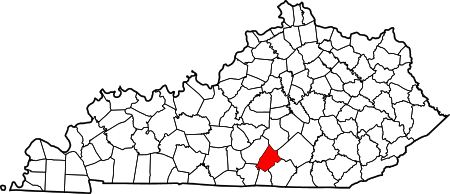
After Russell County school employees were educated about adverse childhood experiences, suspensions dropped by half

Russell County (Wikipedia map)
Suspensions of elementary-school students in Russell County have dropped by half since 2019, when teachers, staff, counselors, and bus drivers began getting intensive training on the effects of childhood trauma on students' mental and physical health, reports Nadia Ramlagan of Public News Service.

"More kids report feeling safe, cared for, and feel they 'belong' at school," Ramlagan reports, citing the Foundation for a Healthy Kentucky, which provided a grant for the project.

The foundation's senior policy and advocacy officer, Amalia Mendoza, told Ramlagan that rural communities face challenges in reducing behavior problems from adverse childhood experiences.

"We're talking about toxic stress, we're not talking about just any adversity," Mendoza said. "There's really that kind of stress that is ongoing, and that can produce changes even in the brain and in the immune system."

According to the Child and Adolescent Health Measurement Initiative, nearly 40% of American children have had at least one adverse childhood experience (ACE): neglect or abuse, living with someone with a drug, alcohol or serious mental-health problem, the death of a parent, or exposure to violence or discrimination in the home or community.

Tracy Aaron, director of health education for the Lake Cumberland District Health Department, told Ramlagan that adverse childhood experiences have been linked to heart disease, stroke, diabetes, cancer and mental-health problems in the 10-county district. "If you look at the data that backs up ACEs," she said, "we have a very high rate of poverty, we have teen pregnancy. Substance use is an issue."

Russell County School Supt. Michael Ford told Ramlagan that schools can't fix family problems, but can remove barriers that affect academic performance and provide spaces where students see de-escalation, self-care and effective problem-solving techniques, and healthy relationships.

Ford said, "We want our kids to be resilient, right? Number one, we want to prevent anything that we can help prevent. Kids, regardless, are going to have ACEs, but ACEs do not have to hold them back."

He said successful strategies in the district include parent and grandparent training on how to build kids' resilience, increasing support for school counselors, and changing discipline policies.

Wednesday, December 7, 2022

Foundation for a Healthy Kentucky's new five-year strategic plan focuses on children's health and access to health care

Major part of the one-page synopsis of the Foundation for a Healthy Kentucky's strategic plan
Directors of the Foundation for a Healthy Kentucky have approved a new, five-year strategic plan that narrows the foundation's focus to health-care access and children's health.

The board acted after an 18-month strategic planning process with "external and internal interviews, surveys, data, research and other inputs," the foundation said in a press release.

"While Kentucky's uninsured rate has declined, increasing chronic health issues and continued low rankings compared to other states, in areas such as cancer mortality, show Kentuckians still face many barriers to accessing health care," the foundation said. "Issues include a high number of medically underserved areas and a health care workforce shortage."

In this area, the foundation will address access to quality care, immunization, cancer screening, public health services and data on claims to insurance companies, which can show important trends.

On children's health, the foundation noted that the annual Kids Count Data Book ranks Kentucky 37th in the nation for the overall condition of its children and said, "Investing in our next generation may have the biggest impact of any investment in health. Historically, Healthy Kentucky has prioritized early intervention and prevention strategies with its children's health initiatives, building capacity and relationships to be successful in this area. 

In this area, the foundation will address childhood obesity prevention, children's mental health, equitable child health and reducing tobacco use by children.

The foundation's stated vision is "a Kentucky where every individual and community reaches their highest levels of health." It says its mission is "to address the unmet health needs of Kentuckians by developing and influencing policy, improving access to care, reducing health risks and disparities, and promoting health equity."

For a one-page synopsis of the plan, click here.

Thursday, November 17, 2022

Colorectal screening now available at participating Ky. pharmacies

L-R: Brooke Sorgi of Exact Sciences, maker of Cologuard, a
DNA-based screening test, and Capital Pharmacy pharmacist
Dr. Emily Wilkerson mark the first pharmacist-led colorectal
cancer screening via a stool-based test on Sept. 29.
Kentucky's pharmacists and health insurers have teamed up to offer what they say is the nation's first "pharmacist-led colorectal cancer screening via a non-invasive stool-based test."

The test was done Sept. 29 at Capital Pharmacy & Medical Equipment in Frankfort, the Kentucky Pharmacists Association and the Kentucky Association of Health Plans said in a Nov. 17 news release.

“Health plans and pharmacists are joining together to tackle a leading cause of death in the commonwealth,” KAHP Executive Director Tom Stephens said.

KAHP gave the Kentucky Pharmacists Education and Research Foundation a $50,000 grant to expand access to these screenings in Kentucky. Participating pharmacies are being reimbursed for pharmacist-led screening and follow-up.  

KPA Executive Director Ben Mudd said, “Adding assessment of and screening for colorectal cancer to existing pharmacy protocols can greatly impact our two-decade-long fight to increase CRC screening rates. With early detection, colorectal cancer is a preventable, treatable, and beatable disease.”

The screenings were authorized by a new protocol approved by the Kentucky Board of Pharmacy in September 2021. It lets pharmacists initiate dispensing of noninvasive, stool-based colorectal cancer screening such as a fecal immunochemical test or a stool DNA test. Pharmacies interested in providing the service can contact Dr. Emily Wilkerson at fellow@kphanet.org for more information.

As you spread the spirit of the holidays, don't spread sickness; shots reduce chance of flu and long Covid-19 by about 50%

By Ben Chandler
President and CEO, Foundation for a Healthy Kentucky

Holiday cheer won’t be the only thing spreading this season. As the weather cools and people start spending more time inside where viruses can easily spread, the risks of illness are high.

This winter, public health officials expect heavy traffic in urgent and primary care offices, increased hospitalizations, and more Kentuckians’ suffering from the long-term effects of Covid-19. More than two dozen school districts across the commonwealth have closed or moved to remote learning due to “widespread illness” already this November.

Kentucky families are dealing with flu, RSV (respiratory syncytial virus), Covid-19 and other respiratory illnesses. While most healthy people may bounce back in a few days or weeks, older people and those with compromised immune systems are at risk for potential hospitalization and death.

Ben Chandler
Although new Covid-19 variants might not be as deadly, the long-term effects could be devastating. The American Academy of Physical Medicine estimates nearly a half million Kentuckians are suffering from "long Covid." Symptoms include brain fog, problems sleeping, prolonged loss of taste and smell, increased likelihood of depression, heart, respiratory, gastrointestinal, and kidney issues, as well as skin rashes and hair loss. As more research is done, we continue to discover the brutal long-term effects on people.

Now for the good news. We know that Kentuckians who are up to date on their immunizations are less likely to develop long Covid or severe flu. People who have received a Covid-19 vaccine and boosters are 50 percent less likely to develop long Covid if they contract the virus. An Italian study found after a third dose of an mRNA vaccine, the odds of long Covid fell to 16 percent.

A seasonal flu shot reduces a person’s risk of sickness by 40 to 60 percent. That means less chance of having to go to the doctor, taking days off work, or missing family events or your kids’ activities. A 2021 study showed among adults hospitalized with flu, vaccinated patients had a 26 percent lower risk of being admitted to an ICU and a 31 percent lower risk of death from the flu.

Research shows the Covid-19 vaccines and boosters, as well as flu shots, are safe. While some people may have short-term side effect such as a sore arm, headache, or fatigue after receiving their vaccines, the risk of getting sick with Covid or flu without being up to date on immunizations are far greater.

Covid-19 has already taken enough from all of us. Let’s not let it ruin yet another holiday season. We encourage you to have a conversation with your doctor about getting your seasonal boosters. By doing so, you might be able to avoid long hours in crowded urgent care and emergency rooms, hospitalization, or canceled holiday plans with your loved ones.

Monday, August 1, 2022

Annual policy forum will focus on role of education in health

Individual and public health are influenced by many things, including the educational characteristics of people and their communities. Education will be the focus of the Foundation for a Healthy Kentucky’s 2022 Howard L. Bost Memorial Health Policy Forum, to be held virtually from 9:30 a.m. to 4:30 p.m. Oct. 17.

The forum will look at the connection between educational opportunities and health outcomes of Kentuckians, as one of the social determinants of health. Presenters and panelists will consider education as a cornerstone of Kentucky’s health outcomes. It is offred free of charge. Register here.

“Education is more than what happens between the four walls of a school building,” said Ben Chandler, president and CEO of the foundation. “Educational factors that influence health outcomes include everything from life skills — mental health, emotional literacy, financial literacy, and nutritional literacy — to local community programs, such as out-of-school care and workforce training, to equity issues. It’s important we consider all the factors of health to find ways to make a positive impact.”

Looking beyond the K-12 education system, panelists and presenters will discuss programs that can enhance education and provide more equitable access, while leading to better health outcomes for individuals and communities. Attendees will learn about replicable community-oriented collaborations and coordination between sectors that have led to improved health overall.

The 2022 Kentucky Teacher of the Year, Willie Carver, will give the keynote address. Sessions will include:
  • Making the Case for Funding, in Education and Beyond: Considering education as a social determinant of health, panelists will discuss school funding, social safety net programs’ impact on education, and real examples from urban and rural schools.
  • Literacy for Life (Critical Lessons for Positive Health): They’re lessons most don’t receive in school but can mean the difference between addressing and overcoming life’s challenges or becoming overwhelmed. Panelists will discuss mental health and emotional literacy, financial literacy and navigating systems, and how nutrition education impacts hunger long-term.
  • Linked but Addressable; Helping Families Overcome Obstacles: A look at how family income plays a critical role in the academic outcomes of students, and therefore, the lifelong health of individuals.
  • Breaking Down Barriers; Real Examples of Kentucky Communities Making Positive Change: Learn how local communities are lifting up families. Panelists will share about connecting families with early childhood intervention services; public schools and public health collaborating on mental health services; and, how a community is working to chart paths for non-traditional career building.
The forum is designed to raise awareness of the health issues impacting Kentuckians and highlights model strategies and policy opportunities to improve Kentucky’s health. The foundation created it to honor Dr. Howard L. Bost, a notable health economist and a founding member of the foundation’s board of directors. It welcomes a range of audiences, inside and outside the health industry – including health care advocates, providers and educators, business professionals, civic leaders, policy makers and more.

Updates on the forum are at Healthy-KY.org/bost-forum-2022.


Thursday, May 26, 2022

Campaign for healthy youth behavior cites exercise, nutrition, vaccination, managing stress, monitoring chronic conditions

Centers for Disease Control and Prevention photo
By Melissa Patrick
Kentucky Health News

The Foundation for a Healthy Kentucky and the Kentucky Department of Education have launched a public-service campaign to encourage Kentucky's children and their families to use the summer months to build healthy habits for the next school year and beyond. 

"We want to encourage Kentucky students to create and engage in healthy behaviors because research shows that healthy students are better learners. They often get better grades, they attend school more and stay focused longer in the classroom," Ben Chandler, president and CEO of the foundation said at a news conference to launch the campaign. 

The effort is part of a multi-faceted education and awareness "High Five for Health" campaign that includes animated videos, social media graphics, message points and materials to be distributed at sporting events, youth organizations and various other locations. All campaign materials are available for free download at HighFiveForHealth.org.

Chandler said the campaign is designed to help parents find no-cost or low-cost activities that the whole family can do together, and activities that older children may do independently.

The campaign focuses on five key areas to promote health, including prioritizing physical activity; practicing healthy eating; monitoring chronic conditions such as asthma, obesity and diabetes; staying up to date on vaccinations; and managing stress and emotions. 

The campaign website offers tips on each of these focus areas, including ways to prioritize physical activity and how to know if children are meeting the level of aerobic activity needed to make a difference. It also offers some healthy recipes and recommendations for how many fruits and vegetables a child should eat each day. In addition, it offers suggestions for how to help your child learn how to manage stress. 

When it comes to physical activity, the Physical Activity Guidelines for Americans recommends that children and adolescents get one-hour or more of moderate-to-vigorous physical activity daily.

Many of Kentucky's youth are sedentary. The latest Youth Risk Behavior Survey taken in 2019 found that 19 percent of Kentucky's high school students said they did not participate in at least 60 minutes of physical activity on at least one day in the week before they took the survey and 81% of them said they were not physically active at least 60 minutes per day on all seven days. 

Jim Tackett, the education department's healthy-school project director, encouraged Kentucky parents and youth to have fun as they incorporate some of these new healthy behaviors into their lives, but to also be intentional about it. He also encouraged parents and youth to be open to trying new things and to celebrate small successes. 

"Good health just doesn't happen by itself," Tackett said, adding later, "Each of our behaviors takes a little time to mold or to break. So over the summer months, we're hoping that the High Five for Health campaign will help us establish some new behaviors that we can carry with us down the road." 

Asked about the relationship between high screen time and low physical activity, Tackett recognized that this is an issue, but said this particular campaign largely addresses components suggested by the Centers for Disease Control and Prevention, which funded a large portion of it. 

He said reducing screen time would not only lead to increased physical activity, but also impact the mental health piece of this campaign.

"We would definitely support trying to take a break from those electronic devices," he said. "While they are necessary in the learning process today, we would like to strike that balance if at all possible. . . . I think there is a happy medium that we need to continually talk about." 

A recent University of Southern Denmark study, published in JAMA Pediatrics, found that children in the group that had their smartphones and tablets removed for two weeks and reduced their recreational screen media use to less than three hours per week had an average of 45 minutes more daily physical activity compared to children in the control group, which did not change their usual screen habits. 

"The difference between the groups were largest on weekend days where children in the screen reduction group had an average of 73 min more physical activity compared to children in the control group," lead author Jesper Pedersen said in the news release. 

In addition to making sure your child is up to date with their recommended schedule of vaccines, the campaign also encourages parents get their children who are five an older vaccinated against the coronavirus. To support this effort, the sponsors are offering a Covid-19 vaccine clinic in Lexington. 

In partnership with the state Cabinet for Health and Family Services and other health organizations, Chandler said the foundation and the education department will host Covid-19 vaccine clinics for youth five and older on June 3-4 and June 10-11 in Lexington, weekends when the Kentucky High School Athletics Association hosts the state boys and girls track, baseball and softball tournaments. They vaccines will be available in the green lot at Kroger Field. 

About 80% of the campaign is funded by the CDC and the U.S. Department of Health and Human Services.

Friday, January 7, 2022

America's Health Rankings provide a snapshot of Kentucky's health challenges, but also of its recent progress

Kentucky page of report from United Health Foundation; to enlarge or download, click on it.
By Ben Chandler
Foundation for a Healthy Kentucky

As we move into another year, the discussion of New Year’s resolutions and the noble quest for doing some things differently and better comes to the forefront. More than half of all such resolutions are health-related – namely losing weight, better diet, and regular exercise.

Each of us will decide individually what, if anything, we would like to improve during 2022. And perhaps collectively, as a commonwealth, we should consider areas for “self-improvement.” A review of the recently released 2021 America’s Health Rankings might be a good thought-starter. The rankings, released by the United Health Foundation, provide a snapshot of Kentucky’s overall health relative to other states. It does not merely “rank” states against one another; it evaluates each state through a set of health, environmental and socioeconomic categories to help shed light on our health challenges and successes.

The rankings are created to help states determine health benchmarks and establish goals moving forward.

This year’s report reinforces the Foundation for a Healthy Kentucky’s priorities regarding how we can collectively create a healthier commonwealth in 2022 and beyond. The foundation’s priorities include combating obesity, reducing diabetes by improving nutrition, and physical exercise.

Indeed, the report validates these priorities. It indicates 36.6 percent of Kentucky adults are obese (compared to 31.9% nationally), a higher percentage than all but five states. Kentucky ranks 50th in two other categories of concern – the amount of vegetables and fruit consumed, and physical activity and exercise.

It is my hope that individual Kentuckians, their communities, their local and state government representatives, and health-care advocates – among others – can have open, candid dialogue about increasing opportunities for physical activity and ensuring more access to healthy food. For Kentucky school children, stronger nutritional standards, increased participation in school nutrition programs, and quality physical education are needed.

As an organization whose mission is to address unmet health needs of Kentuckians by developing and influencing policy, improving access to care, reducing health disparities, and promoting health equity, we view these rankings as a call to action for leaders in government, health care, education and social services … as well as for individual Kentuckians.

Though Kentucky has the second highest percentage of adults who smoke tobacco products, there is a ray of good news: Smoking among adults has declined 26 percent during recent years – from 29% in 2011 to 21.4% in 2021.

While that is a positive trend, there is much more work to be done. Every Kentuckian who smokes should strongly consider quitting as a 2022 resolution. Tobacco-use prevention and cessation programs are available, though more funding is critically needed.

It is encouraging to see we are ranked 14th for percentage of residents (93.6%) covered by private or public health insurance. But barriers to health-care access remain. Consider that Kentucky ranks 42nd for percentage of homes lacking reliable internet. Kentuckians need this access to tap into telehealth services. Though telehealth was less common pre-pandemic, it is here to stay and a necessity for residents with limited access to transportation or who live an hour or more from the nearest health-care provider.

Another noteworthy but negative item from the report: Kentucky ranks 45th for non-medical drug use among adults and 42nd for drug deaths. Kentucky’s substance-use epidemic is spiraling in a dangerous direction. There is a crisis-level need for funding and support for expanded prevention, treatment and mitigation services.

While some may view the rankings as daunting, it’s important we view them as points of reference for Kentuckians’ health. Now is the time to challenge one another – to push for new and better ways to make our entire commonwealth healthier.

Ben Chandler is president and CEO of the Foundation for a Healthy Kentucky.

Friday, December 17, 2021

Campaign aims to get more kids 5 to 11 immunized for Covid-19

By Melissa Patrick
Kentucky Health News

A new public-service campaign aimed at getting more of Kentucky's young children vaccinated against the coronavirus places a strong focus on getting parents to talk to their doctor or pediatrician about it. 

"Parents trust their own pediatrician and their own family physician," Ben Chandler, president and CEO of the Foundation for a Healthy Kentucky, said at an online news conference. "They want a personalized recommendation about whether their child ought to get the Covid-19 vaccine or not." 

One of the biggest generators of vaccine hesitancy has been misinformation, so "Being able to get the facts from a trusted adviser, and that trusted adviser, being the pediatrician is really what we're striving to do," said Leon Lamoreaux, president of Anthem Blue Cross and Blue Shield Medicaid in Kentucky, which launched the campaign with the foundation.

The campaign, called High Five for Health, was designed to address concerns voiced by parents in focus groups, where a topic is discussed to get ideas for messages about it. The campaign provides answers to frequently asked questions and offers five steps for parents to consider when getting their child vaccinated.

The five-step action plan calls on parents to talk with their pediatrician or family doctor, to talk with their child, to schedule the vaccine appointment; to prepare a vaccine-ready kit that includes fluids and a non-aspirin pain reliever; and finally, to get your child vaccinated. 

"This is the winter break, and this is a great time to get the jab while maybe some of the required activities are not happening," Chandler said.

He said people in the focus groups pointed out that parents need to be able to fit a child's vaccine appointment into their busy schedules, and at a time that allows for dealing with possible side effects, including pain, redness and swelling at the injection site or tiredness, headache, muscle pain, chills fever or nausea. 

Parents also wanted the process to be easy, and wanted assurance that a record of the vaccine would be included in their child's medical records, especially if they got the vaccine from someone other than their primary care provider. Chandler said all vaccination records are sent to the state immunization registry, "so no matter where you get the Covid-19 vaccine, your doctor will be able to access your child's records." 

At this time, the Pfizer-BioNTech Covid-19 is the only vaccine approved for children 5 to 11. It is one-third of the adult dose, comes in an orange-capped vial and is delivered with a smaller needle, designed specifically for children. The vaccine requires two doses, three weeks apart. To find a location near you that offers this vaccine, go to vaccine.ky.gov

So far, only 14% of Kentucky's children from 5 to 11 have received at lease one dose of a vaccine and just 7% have been fully vaccinated. 

State health department data shows that 21% percent of all Covid-19 cases in Kentucky have been in people 18 and younger, and 7.2% have been in children younger than 9. Ten Kentuckians under 19 have died from Covid-19; two of them were younger than 9. 

Lamoreaux said Anthem is offering incentives to its providers who encourage the vaccine and to patients who get the Covid-19 vaccine. So are "multiple"  all of the managed care organizations, according to the Kentucky Association of Health Plans. 

"Vaccines are proven safe, and a highly effective way to protect our kids and the entirety of the commonwealth," Lamoreaux said. "We believe that this public service campaign will help to reinforce that critical message to parents and families."

Chandler acknowledged that some parents aren't rushing to get their children vaccinated because children don't get sick as often as adults, and if they do, most have mild or no symptoms. However, he said it's important to get them vaccinated because they can spread  the virus to those more vulnerable to severe illness and death. 

"It's important to talk with parents about creating a wall of immunity around people that you love, around your family, your friends, your community -- basically around those who for one reason or another cannot get vaccinated or who are especially vulnerable," Chandler said. 

Some vaccine-reluctant people say they fear side effects from vaccination, but Chandler said parents need to know that the possible effects of the virus are much worse than any possible side effect from the vaccine, especially if a child has asthma, diabetes or other vulnerabilities. 

The campaign's public-service announcement does not mention childhood obesity as a vulnerability, even though obese children have a greater chance of more severe Covid-19 disease, hospitalization and even death. Kentucky leads the nation in childhood obesity.

The High Five for Health campaign is a multi-faceted education and awareness effort that includes animated videos, social media graphics, message points and materials for use in doctors' office, youth organizations and various other organizations. Download the toolkit here.

Friday, October 29, 2021

'Take It From Me' campaign has 18 new video public-service announcements to promote coronavirus vaccination

The "Take It From Me" campaign of public service video announcements has released 18 more videos urging Kentuckians to get a coronavirus vaccine. The campaign is a partnership between the Kentucky Medical Association, its Kentucky Foundation for Medical Care, the Kentucky Hospital Association, the Kentucky Primary Care Association and the Foundation for a Healthy Kentucky.

"The partners encourage community organizations, health providers, and others to download and share the PSAs with their networks," the foundation said in a press release. To watch and download the videos, click here.

Friday, January 1, 2021

Mayfield wastewater testing shows promise for more targeted measures to thwart coronavirus infections, foundation says

Jeff Kelly of Mayfield Water and Electric Systems pulls
a sample of wastewater at treatment plant for analysis.
A wastewater testing project in Mayfield is helping pinpoint outbreaks of the novel coronavirus even before residents experience symptoms, and thus could allow more narrowly targeted measures to prevent further spread of the virus, the Foundation for a Healthy Kentucky said in a news release.

The partnership between the Graves County Health Department, the City of Mayfield, Murray State University, the University of Louisville Co-Immunity Project and the foundation began in early November.

"The project is essentially an early-warning system that gives health officials and policymakers the information they need to focus additional testing and treatment where there are specific outbreaks, thus helping avoid the need for more countywide or statewide shutdowns," said Ben Chandler, president and CEO of the foundation. "Wastewater testing can help more of us get back to normal more quickly by identifying where outbreaks are most prevalent over time."

The foundation paid for equipment to analyze samples, as part of a $60,000 grant to the Co-Immunity Project. While early data is still sparse, the project already has identified spikes in infections ahead of the traditional clinical and testing models. 

Samples are being taken from the wastewater treatment plant in Mayfield. Murray State chemistry and biology labs, led by Assistant Professor Dr. Bikram Subedi and Associate Professor Dr. Gary ZeRuth, respectively, analyze the samples to count copies of the RNA (ribonucleic acid, a genetic material) of the virus and look for changes.

Subedi said, “The virus that causes Covid-19 has been shown to be shed into the wastewater from infected persons regardless of whether they exhibit symptoms,” so wastewater sampling “serves as a comprehensive, non-invasive, near real-time, and cost-effective approach to monitoring Covid-19 infection within communities that is not dependent on individuals submitting to testing.”

Graves County Health Director Noel Coplen said, "This is similar to the practice of having canaries in a coal mine," which were once used to detect dangerous concentrations of methane. "It shows us that there is an infection in our community before symptoms present themselves in individuals."

Wastewater-based epidemiology has been used for many years to detect diseases in communities, but this is the first time it has been used in Western Kentucky to detect the novel virus.

“It’s a non-traditional partnership and we are proud to have the opportunity to do our part to slow the spread of Covid in our community," said Marty Ivy, general superintendent at Mayfield Electric and Water Systems.

Such testing was already being done in Louisville and Northern Kentucky as part of the Co-Immunity Project. That work has found that wastewater infection levels reflect community infection levels, said  Dr. Ted Smith, director of the Center for Healthy Air, Water and Soil at U of L's Envirome Institute. The University of Kentucky is also sampling campus wastewater to detect outbreaks.

Monday, December 21, 2020

Work on successful lawsuit against changes in Medicaid earns Rich Seckel the Gil Friedell Healthy Policy Champion award

Rich Seckel
UPDATE, Dec. 21: Seckel was named the Gil Friedell Health Policy Champion award, which comes with a $5,000 grant to a Kentucky-based nonprofit of his choice. (The original version of this story was published Dec. 13.)

The point man in a lawsuit that blocked changes to Kentucky's Medicaid program has been honored for his work by the Foundation for a Healthy Kentucky.

Rich Seckel, director of the Kentucky Equal Justice Center, which helps legal-service programs in the state, was named a Healthy Kentucky Policy Champion "for his work to protect health care coverage gains for persons living on low incomes in Kentucky," the foundation said in a news release.

The foundation gives the award to Kentucky individuals and organizations who help improve the health of people in their communities and/or the state through policy change.

Under Seckel 's direction, the KEJC filed a lawsuit that kept then-Gov. Matt Bevin from implementing a federal waiver that would have added work requirements, premiums and administrative penalties to Medicaid.

The waiver application said the state's Medicaid rolls would have 95,000 fewer people five years after implementation than they would have without it, much of it from noncompliance with the new rules.

Seckel was nominated by Louisville psychologist and mental-health advocate Sheila A. Schuster, who was one of 2019's Healthy Policy Champions.

"Rich is the absolute epitome of the excellent health policy advocate," Schuster said. "He has offered his considerable policy expertise, outstanding writing skills, incisive analysis and strategic thinking, and his utmost generosity in sharing his time and talents (and that of his staff) to nearly every significant health policy initiative that has happened in Kentucky over the past thirty years."

Jane Perkins, legal director of the National Health Law Program, which worked with Seckel on the lawsuit, said, "Through Rich’s passionate and organized work with a team of legal advocates, KEJC has provided effective advocacy, consumer assistance and empowerment, policy change, and education around social-justice and health issues."

Seckel is a member of the foundation's Community Advisory Council, and was instrumental in the creation of the foundation, leading a coalition effort to use the $45 million in charitable assets of Kentucky Blue Cross and Blue Shield when it merged with Anthem Inc. The money provides the endowment for the foundation's work.

At KEJC since 1979, Seckel often advocates on poverty-law issues before state agencies and the legislature. Before earning a master's in social work from West Virginia University, he was a volunteer boycott organizer for the United Farm Workers.

Nominations for the Healthy Kentucky Policy Champion Award are accepted at any time. See details on the foundation's website.

Saturday, December 12, 2020

Employee of convenience-store chain named Ky. Healthy Policy Champion for helping prevent tobacco sales to underage buyers

Albert Gray
Albert Gray of Five Star Food Marts has been named a Healthy Kentucky Policy Champion for his contributions to preventing the sale of tobacco products to underage consumers of the convenience stores.

The award is given by the Foundation for a Healthy Kentucky gives the award to recognize Kentucky individuals and organizations engaged in improving the health of people in their communities and/or the state through policy change.

Gray, now retired, was a human-resources and operations assistant at Five Star, which is based in Bardstown.

"Albert was an integral part of enacting a policy that required all FiveStar employees to receive training each year through the online Kentucky Tobacco Retail Underage Sales Training (TRUST) Program," Steve Cambron, director of the program that enforces age restrictions on tobacco-product sales, said in his nomination of Gray for the award.

Gray served on the TRUST advisory council to ensure that the training content was effective, made a Five Star store available for training videos, and has been a voluntary consultant to the program. "Thanks to his enthusiastic support, the TRUST program has been successful in reaching over 6,500 retail staff throughout the state," Cambron said.

Five Star has maintained a 97.6 percent compliance rate for tobacco inspections by the Food and Drug Administration, according to Koleen Slusher, director of the behavioral health in the state Cabinet for Health and Family Services. She said Gray "continues to share his expertise with our staff to guide their outreach to other tobacco retailers," and "has made a lasting contribution to our efforts to reduce underage youth access to tobacco and nicotine products and the harmful consequences associated with them."

Gray said, "I know one thing to be true of all addictions: Prevention is the absolute first line of defense."

Gray, of LaRue County, is now eligible for the Gil Friedell Health Policy Champion award, which comes with a $5,000 grant from the foundation to a Kentucky-based nonprofit of the winner's choice. The winner of the Friedell award will be announced later this month.

Nominations for the Healthy Kentucky Policy Champion Award are accepted at any time. See details on the foundation's website.

Director of UK Center for Excellence in Rural Health named Kentucky Health Policy Champion for her work in rural health care

Fran Feltner
Fran Feltner, director of the University of Kentucky's Center for Excellence in Rural Health in Hazard, has been named a Healthy Kentucky Policy Champion for her "trailblazing" work to improve rural health care in the state.

The award is given by the Foundation for a Healthy Kentucky to recognize Kentucky individuals and organizations engaged in improving the health of their communities and/or the state through policy change.

"Dr. Feltner has been a guiding light for health care in rural Kentucky for many years, and has pushed the rural agenda in ways that few academicians are willing to do," said former state health commissioner Robert Slaton, a former member of the foundation's Community Advisory Council, in nominating Feltner for the award.

Feltner has longstanding relationships with the people who live in rural communities, and a deep understanding of the health, social and economic challenges many rural residents face. She also has led numerous research studies on rural health disparities, Slaton added. "Such circumstances often require a new trail to be blazed and that is where strong and passionate leaders like Dr. Feltner rise to the challenge."

A recognized expert, Feltner often testifies on rural-health issues at the state and national levels, said Ernie L. Scott, director of the Kentucky Office of Rural Health. "She leads by example, challenging others to continue addressing health inequities and ensuring those who are disproportionately vulnerable to Covid-19 are at the center of all that we do," Scott said.

Melissa Slone, research interdisciplinary director at the Center for Excellence in Rural Health, elaborated on Feltner's work during the coronavirus pandemic in a letter supporting the nomination: "Dr. Feltner has spent countless hours serving on committees and participating in trainings to ensure that resources were in place to meet the needs of Kentuckians and that people were informed about the resources and how to access them."

Slone also recognized Feltner's leadership in the Kentucky Homeplace community health worker program, which provides health, social, and environmental services to those most in need in rural Kentucky. "One service at the heart of the KHP model is empowerment," Slone said. "Helping an individual gain knowledge and confidence to take charge of their own health is an investment upon which a dollar figure can never be placed."

Felnter has worked in rural health for 45 years, serving as a nurse in clinical and hospital settings and providing community education, among other roles. is a member of the foundation's Community Advisory Council. She received her doctorate in nursing practice from UK, and a master's degree in advanced-practice rural public-health nursing administration from Eastern Kentucky University.

Feltner is now eligible for the Gil Friedell Health Policy Champion Award, which comes with $5,000 for a Kentucky-based nonprofit of the winner's choice. The winner will be announced later this month. Nominations for Healthy Kentucky Policy Champion Awards are accepted at any time. See details on the foundation's website.

Friday, December 11, 2020

Louisville Urban League president Reynolds named Healthy Ky. Policy Champion for working to reduce racial inequities in health

Sadiqa Reynolds
Sadiqa Reynolds, president and CEO of the Louisville Urban League, has been named a Healthy Kentucky Policy Champion for working to reduce racial inequities in health and other inequities in Louisville's African American community.

The Foundation for a Healthy Kentucky gives the award to recognize Kentucky individuals and organizations engaged in improving the health of people in their communities and/or the state through policy change.

"Reynolds is an active, engaged, knowledgeable and respected voice," said Robert Slaton, a former member of the foundation's Community Advisory Council and former state health commissioner, who nominated Reynolds for the award. "She is regularly sought by media, health and academic organizations, and policy makers to speak about the policy changes that are needed to reverse the racism that is built into systems of justice, health care, housing, banking, education and other social determinants of health."

Slaton said Reynolds' spearheading of the Norton Sports Health and Learning Complex is an example of her ability to draw investment to an area with the city's worst social determinants of health.

"One of the things we respect most about Ms. Reynolds is her willingness to use her 'insider' status to credibly and clearly articulate the ways policymakers have failed and are failing to protect the health and lives of Black Kentuckians," wrote Rich Seckel and Ben Carter, director and senior counsel, respectively, of the Kentucky Equal Justice Center, in a letter supporting her nomination for the award. "Insiders are often reluctant to imperil their insider status with hard words for people in power. . . . By speaking up, Ms. Reynolds has provided Louisville with a model of what true leadership looks like during a time of multiple acute crises."

The first woman to head the Louisville Urban League, Reynolds served as chief of community building for Mayor Greg Fischer. She serves on several major boards and is a director of the Federal Reserve Bank of St. Louis. She was a district judge and the first African American woman to clerk for the state Supreme Court when she was chief law clerk then-Chief Justice Robert Stephens. She earned a psychology degree from the University of Louisville and a law degree from the University of Kentucky.

The award makes Reynolds eligible for the Gil Friedell Health Policy Champion award, which comes with a $5,000 grant from the foundation to be given to a Kentucky-based nonprofit of the winner's choice. The winner will be announced later this month. Nominations for the Healthy Kentucky Policy Champion Award are accepted at any time. See details on the foundation's website.

Thursday, December 10, 2020

Health foundation names Melissa Patrick, Kentucky Health News reporter, one of several Healthy Kentucky Policy Champions

Melissa Patrick
Melissa Patrick, the only staff reporter for Kentucky Health News, is one of several Kentuckians named a Healthy Kentucky Policy Champion this month by the Foundation for a Healthy Kentucky.

The foundation said in a news release that it recognized Patrick for "bringing attention to issues and policies that affect the health of Kentuckians, many of which are not covered by any other publication."

The release quoted Al Cross, editor and publisher of Kentucky Health News, as saying that her efforts and her "excellent grasp of Kentucky's health issues" and "dedication to the cause" help facilitate health advocacy in the state.

That is a key element of the award, which recognizes people and organizations engaged in improving the health of people in their communities and/or the state through policy change. 

"The commonwealth needs journalists like Melissa digging in the data, understanding the outcomes and root causes, and explaining proposed policy changes for concerned Kentuckians to turn to for objectivity and honesty in every story," said Mara Powell, chief communications officer at Kentucky Youth Advocates, in endorsing Patrick's nomination.

Cross said, "I believe we have offered the most comprehensive coverage of issues related to health in the legislature, and that is a direct result of Melissa’s dedication to the work. In the last session, for example, no one else really covered the issues of pharmacy benefit managers in Medicaid or the transformation of the state’s public-health financing system. Melissa has posed questions about health issues to dozens of legislators who wouldn’t have otherwise been questioned about them, and I believe her questioning of legislative leaders has elevated those issues on the General Assembly’s agenda."

Bonnie Hackbarth, vice president for external affairs at the Foundation (which provides an annual grant to Kentucky Health News), said  Patrick's "stories also give rural newspapers the tools they need to localize their stories; for example, a story about the top opioid-dispensing pharmacies in the state was localized by papers that could list the pharmacies in their own communities."

Patrick is in her sixth year of reporting for Kentucky Health News, a publication of the Institute for Rural Journalism and Community Issues at the University of Kentucky. She has received several competitive fellowships, including the 2016-17 Nursing and Health Care Workforce Media Fellow of the Center for Health, Media & Policy, which allowed her to focus on and write about nursing workforce issues in Kentucky; and the year-long Association of Health Care Journalists 2017-18 Regional Health Journalism Program fellowship. She is a former registered nurse and holds degrees in journalism and community leadership and development from UK.

Patrick is now eligible for the Gil Friedell Health Policy Champion award, which comes with a $5,000 grant from the Foundation to be given to a Kentucky-based nonprofit of the winner's choice. The winner of the Friedell award will be announced later this month. Nominations for the Healthy Kentucky Policy Champion award are accepted at any time. See details on the Foundation's website here

Two of the champions announced this week were a student and a convenience-store chain employee recognized for their work against tobacco use by young people. Others helped block changes in Medicaid, are leading in rural health and urban health.

Thursday, August 20, 2020

High schools stick to football plans, but Beshear could still blow the whistle; 14 covid-19 deaths raise state's three-day total to 38

Huey Cornelius, 81, of Lexington, was the covid-19 victim the governor highlighted at his briefing.
By Mary Meehan and Al Cross
Kentucky Health News

As numbers of coronavirus cases and covid-19 deaths made clear that the pandemic is not slacking in Kentucky, the state's high schools moved ahead with plans for fall sports, and Gov. Andy Beshear left open the possibility that he might block them.

The Kentucky High School Athletic Association’s Board of Control voted 16-2 to keep its schedule for fall sports, starting football practice Monday and games Sept. 11. Cross-country, field hockey, soccer and volleyball will begin Sept. 7.

The KHSAA noted that its plan is subject to approval by the state Department of Education, the Department for Public Health and Beshear himself -- who said he was surprised by the decision and will "spend some time to think it through."

“I don't know what's going to come out of it, if it’s going to be a strong recommendation, if it's going to be advice, if it's going to be something more than that,” he said.

Earlier, he said “I'll certainly be thinking about safety. First and foremost, I believe a student athlete is a student first and an athlete second.” And he implictly questioned the high-school officials' decision, especially for high-contact sports such as football.

“We know the closer the contact the easier it can spread,” he said, adding that starting too early poses more risk to having a full season and championships, and outbreaks at schools could lead to cancellations of other sports.

Hours after the KHSAA vote, Beshear announced 726 more cases of the virus in Kentucky, the eighth-largest one-day total, including 101 children; and 14 more covid-19 deaths, for a total of 38 in just three days. “I’d be very surprised if this isn’t our highest 3-day period,” he said.

The total death toll is 856; Thursday's deaths included two health-care workers, one of them an employee of a long-term-care facility.

A glimmer of good news was that the share of Kentuckians testing positive for the virus in the last seven days is 5.18 %, the lowest in two weeks.

As he has all week, Beshear pointed out school-age children testing positive for the virus, including a 16-year-old in Barren County, an 18-year-old in Hardin County, and five in Warren County, where schools will start Monday, contrary to Beshear's recommendation to wait until Sept. 28.

“It's going to present a heck of a challenge on Monday at a time when this virus is so hot,” he said.

Pandemic politics: Beshear gave one of his lengthier disquisitions about the politics of the pandemic and the burden of his job when asked about a bill five Republicans pre-filed for the 2021 General Assembly that would limit governors' emergency orders to two weeks and ban them from suspending any laws, and limit to three weeks anti-disease actions of the Cabinet for Health and Family Services -- unless the governor starts a special legislative session.

Beshear, a Democrat, said he hoped any time frame would not be "so short, that we lost our will to do the right thing too early. Could you imagine if we had to call in a legislature that said no to a mask mandate, where we’d be right now with that exponential climb" in cases, which he says his mask mandate stopped.

Dealing with the pandemic "is heavy, unlike anything that I have ever experienced," Beshear said. "I have to make decisions that I know are gonna cause harm to people, to try to help the most people we can stay safe and our economy strong. It is not an easy thing to do, and it’d be really hard by committee or by several hundred people making those decisions. . . . If they make us less effective in a time of crisis, if it was something like this, it’d result in more death."

Beshear said many legislators are upset that he does daily covid-19 briefings, "that I communicate directly to you. Well, first thing is, nobody gotta watch it if they don’t want to watch. But second, don’t you deserve to hear it yourself? Don’t I work for you? And shouldn’t you want your legislators to want to hear directly every day that you want to tune in?"

Some of Beshear's Republican critics have suggested that his administration is inflating the covid-19 death numbers by including people, for example, who have terminal cancer and are found to have had the coronavirus. Asked about that, he said no deaths are attributed to covid-19 unless it was a contributing factor.

"We do, I think, more than just about any state in doing not just the deaths but the probable deaths, and in having a committee that goes back through and reviews them to determine if covid was a contributing factor," he said, addign later, "We account for deaths like the federal government tell us to."

In cases of terminal cancer, he said, "They give you an amount of time, and sometimes you last longer . . . Let’s not act like just because somebody may have limited time, that that time is not precious. Maybe it’s even more precious, and for covid to steal it from that family is something that we need to recognize."

Asked if his mask mandate is working, Beshear said it is because case numbers are “not going up exponentially any more” and though cases are up “We would be well, well, well above that without it.”

He added, “It's going to take us a little bit of time to start coming back down. And remember, just because we have a mask mandate doesn't mean we're all wearing and doesn't mean we're staying six feet apart, but our compliance is a lot better.”

A busy life ended: The governor highlighted the life of 81-year-old Huey Cornelius of Lexington, a retired educator and coach who died of covid-19 with “no underlying health condition.”

“He was an educator, a principal, a coach, a neighbor, a Sunday-school teacher and insurance salesman, a friend, an uncle, a brother, a grandpa, a husband, and a father to four children,” Beshear said. He called Cornelius “an educator teaching us even after he's passed. I think it's an important lesson that we can all take. And I want people are hearing these lessons. They're seeing the importance of wearing masks. They're getting out there, trying to make good decisions there, hopefully staying six feet apart.”

In other covid-19 news Thursday:

  • The fatalities reported Thursday were a 66-year-old man from Barren County; a 95-year-old woman from Clay County; two men, 81 and 88, from Fayette County; an 88-year-old woman from Gallatin County; a 55-year-old man from Graves County; an 84-year-old woman from Harlan County; a 77-year-old woman from Hopkins County; an 89-year-old man from Jackson County; a 57-year-old man from Marion County; a 96-year-old woman from Oldham County; a 65-year-old woman from Pulaski County; and a 76-year-old man from Warren County, and one person whose family asked that their loved one’s information not to be shared.
  • Counties with 10 or more new cases were Jefferson, 164; Christian, 70; Fayette, 56; Warren, 45; Kenton, 34; Bullitt, 15; Knox, 14; Daviess, 13; Hardin, 13; Marion, 12; McCracken, 12; Nelson, 12; Boone, 11; Graves, 11; Hopkins, 11; Madison, 11; Campbell, 10.
  • The state's daily report said 638 people are hospitalized with covid-19 in Kentucky, 155 of them in intensive care, and 108 of those on ventilators.
  • Beshear formally announced a campaign to reverse big decline in child vaccinations. "Raise Your Guard, KY" urges Kentuckians to get themselves and their families back on track with scheduled immunizations to prevent life-threatening diseases and illnesses. The month-long campaign also reminds them to get their annual flu shots, which help keep their immune systems strong. The effort is funded by the Foundation for a Healthy Kentucky, the Kentucky Medical Association, its Kentucky Foundation for Medical Care and Anthem Blue Cross Blue Shield of Kentucky.