Showing posts with label research. Show all posts

Saturday, August 10, 2024

New study finds smoking and vaping dual use increases lung cancer risk; expert says it increases risk for other diseases too

By Melissa Patrick
Kentucky Health News

People who use electronic cigarettes and smoke traditional cigarettes are more likely to develop lung cancer than people who just smoke, according to a new study.

Centers for Disease Control and Prevention photo 
The Ohio State University study, published in the Journal of Oncology Research and Therapy, found that vaping combined with cigarette smoking was eight times more common in the cases with lung cancer than the control subjects, and the risk of developing lung cancer was four times higher among those who combined vaping and cigarette smoking than those who only smoked. These findings were consistent across genders and races and for all major cell types of lung cancer.
 
"This study presents clear evidence showing that vaping in addition to smoking can increase your risk for lung cancer," Marisa Bittoni, lead author and researcher at Ohio State's College of Medicine, said in a news release. "This is especially concerning given the rate of youth and young adults using these products." 

Dr. Randall Harris, co-author and professor of epidemiology at Ohio State's College of Public Health, added that while most people know that tobacco smoke contains cancer-causing chemicals, there is less known about the chemicals inhaled through vaping products. 

“Our findings provide the first evidence that smoking in combination with vaping significantly increases the risk of lung cancer compared to smoking alone," Harris said. 

Dual use and other chronic diseases

Amanda Bucher, director of tobacco policy research and outreach at the University of Kentucky College of Nursing, explained that because e-cigarettes contain a different mix of toxic chemicals than cigarettes do, including some new compounds that are formed when the chemicals are heated, people who are dual users are exposed to a broader range of toxins than they would be if they just used one device or the other. 

"Using both e-cigarettes and traditional cigarettes is associated with a higher risk of developing other diseases too, a higher risk than just smoking traditional cigarettes," Bucher said. "So not just a higher risk of developing lung cancer, but also cardiovascular disease, stroke, metabolic dysfunction, asthma, COPD and oral diseases."

Smoking cessation, prevention and lung cancer screening

Bucher said the good news is that Kentucky ranks second among states for lung cancer screening, but the bad news is that there is more work to be done because Kentucky continues to lead the nation in the rate of new lung cancer cases and deaths from it. 

Lung cancer screening with annual low-dose CT scans is recommended for people who: 
  • are 50 to 80 years old
  • smoke or have quit smoking within the past 15 years
  • have at least a 20-pack-year smoking history, which means a pack a day for 20 years or two packs a day for 10 years, and so on. A pack year is the number of packs smoked per day multiplied by the number of years the person smoked.
According to the Centers for Disease Control and Prevention, around 30% of adult smokers in the United States are dual users. In Kentucky, the Truth Initiative, a tobacco-control advocacy group,  reports that 10.5% of adults use e-cigarettes and 17.4% are smokers. Among the state's high-school students, 4.9% are smokers and 21.9% vape. All of these Kentucky rates are higher than the national averages.

Bucher encouraged anyone trying to quit smoking and/or vaping to reach out to the Kentucky Quit Line at 1-800-QUIT-NOW, go to QuitNowKentucky.org or text QUITKY to 797979. 

She said help can also be found with a primary care provider who can offer counseling support and access to U.S. Food and Drug Administration-approved medications to help with cessation. 

"Research definitely shows that using medicines to help with tobacco treatment can double your chances of successfully quitting," she said. 

In addition, she said 39 local health departments receive funds to support cessation and prevention programs. Asked why all of the state's 61 district and county health departments don't offer this service, she said they used to, but reductions in funding from the state tobacco program have led to fewer of them offering such programs. 

"We know that almost 50% of Kentucky adults who smoke have tried to quit in the last year," she said. "It's really important for us to do everything we can to support those individuals." 

Bucher said policy matters when it comes to decreasing lung cancer rates and deaths in Kentucky.  

"We know that individuals who live in a Kentucky community with a comprehensive smoke-free workplace law are 8% less likely to be diagnosed with lung cancer," she said. "So just living in a place that has a certain kind of law means that you're less likely to get lung cancer. It doesn't matter what behavioral choices you are making." 

She added that only 38.1% of the state's population is covered by a comprehensive smoke-free workplace law, which means there is a lot of opportunity for communities to pass such laws to provide protections for their citizens. 

Further, she said, "We know that smoke-free laws make it easier for people to quit because they aren't exposed to those triggers. And, we also know that when fewer people are smoking and vaping inside public places, youth are less likely to start using tobacco products. So a smoke-free policy can also be something that is protective." 

Friday, August 2, 2024

Study finds blood test diagnosed Alzheimer's disease 90% of the time; early diagnosis is crucial with new medications available

2024 Alzheimer's disease facts and figures
special report graphic
By Melissa Patrick
Kentucky Health News

A new blood test can diagnose Alzheimer's disease better than a memory specialist or a primary care physician, according to a new study. 

The study, published in the Journal of the American Medical Association, found that the blood test, called PrecivityAD2, was 90% accurate in diagnosing Alzheimer's disease, compared to a 61% success rate among primary care doctors and a 73% success rate among memory specialists. All of the physicians used standard clinical methods for diagnosis that did not include brain scans or spinal taps. 

The researchers at Lund University in Sweden followed 1,213 people with an average age of 74 who were undergoing cognitive evaluations in both primary care and specialty clinics in Sweden.

Dr. Greg Cooper, director of the Norton Neuroscience Institute Memory Center in Louisville, explained that there are protein biomarkers that are indicative of Alzheimer's disease and can be identified through a a spinal tap, which is invasive, or a brain scan called a PET scan, which he said are not always available, are expensive and are not well-covered by insurance. 

But now, he said, there is a blood test that can accurately detect these biomarkers. The blood test works by measuring a combination of two ratios within a blood sample, including the phosphorylated tau protein and two amyloid-beta proteins, both considered  hallmarks of Alzheimer's disease. 

"Most people would prefer a blood test over a spinal fluid exam, a spinal tap," he said. 

Cooper added that the blood test should be used only on people who show signs of memory loss or have a diagnosis of mild cognitive impairment or dementia. In this group, he said, "It is a very accurate test." 

Further, he said this blood test will help people get an early diagnosis, which is needed to qualify for the two new drugs approved to modestly slow the symptoms of Alzheimer's: Leqembi and Kisunla. At this time, Cooper said it can take months or even years before a person can receive a diagnosis. 

"As newer medications become available . . . we need to do a better job of identifying people very early on, when they are the best possible candidates for these medications that we believe actually slow the progression of the disease."

According to the Alzheimer's Association, nearly 7 million Americans are living with Alzheimer’s disease, with this number projected to rise to nearly 13 million by 2050. In Kentucky, the association reports that 81,000 people aged 65 and older are living with Alzheimer's.

Cooper said the Norton memory center is already using this blood test, but there remains some barriers.

"The biggest barrier right now has been in terms of payments," he said. "So we are using this exact same test that was used in this study and the results are really quite good. But payment is an issue.Insurance does not always cover this and so there is often an out-of-pocket expense."

He said he is hopeful that with studies like this one and future U.S. Food and Drug Administration approval, insurance will eventually pay for it. " I think it is only a matter of time before insurance starts paying for it, "he said. "At this time, it's just simply too new." 

He said it "remains to be determined" if primary care doctors should do this blood test, largely related to their ability to do cognitive memory testing in their practices. With the advent of these new medications that require early diagnosis, he said there is a sense of urgency to diagnose people early on and a patient's first point of contact is often their primary care provider. 

"The worst thing in the world is to tell someone had I seen you six months or a year earlier, you might have been a candidate for one of these new treatments -- and now you're not," he said. "Tests like this will help accelerate that process and allow more people to benefit from these therapies."

Recognizing that many people are afraid of getting an Alzheimer's diagnosis, Cooper said: "I would simply argue that not receiving a diagnosis, if you have that underlying disease, doesn't make the disease go away. You can't ignore it. It will catch up with you eventually. But now, we have opportunities to take a proactive approach. Maybe we can't cure it, but we can do things that meaningfully impact the disease and can meaningfully impact and promote our quality of life. So it is an awful diagnosis, I can't take that away. But we can't help unless we take that first step. And so always keep in mind, there may be things that we can do. Don't run away from that." 

Tuesday, July 16, 2024

Study to help reduce risk of heart disease and diabetes, to be done via Zoom, is looking for participants in 16 Kentucky counties

Kentucky Health News map
By Gia Mudd-Martin
University of Kentucky

Heart disease and Type 2 diabetes are often preventable, but Kentucky has the nation’s ninth-highest rate of heart disease and the fifth highest rate of diabetes. Plus, many Kentuckians have pre-diabetes but don’t know they have it.

A team of at the University of Kentucky is leading a health study called “Heart of the Family” to help people learn to reduce their risk for these illnesses, and the team is inviting participants to join.

What do participants get?  
  • “Heart of the Family” participants receive eight one-on-one, personalized health education sessions based on their risk factors and health. The sessions are over Zoom — no travel required.
  • Free screenings to check health measurements such as blood pressure and cholesterol; these can be done in your home community (team members can come to you) or at an off-campus UK office
  • Gift card for participation
Who can join? You may be eligible to participate if you are:
  • At least 18 years old
  • Do not have heart disease or diabetes
  • Live in one of these Kentucky counties: Anderson, Bourbon, Boyle, Casey, Clark, Franklin, Garrard, Harrison, Jessamine, Lincoln, Madison, Marion, Mercer, Pulaski, Scott, Woodford
  • Have two or more of these risk factors: family history of heart disease or diabetes; personal history of gestational diabetes or polycystic ovarian syndrome; little or no exercise; unhealthy diet; high blood pressure; high cholesterol; elevated blood sugar; stress; depression; overweight; cigarette smoker
Some participants will be invited to have a friend or family member join with them as a “study buddy,” so make sure you have someone willing to participate with you. They can participate even if they have diabetes or heart disease. Study buddies will receive the same benefits listed above.

What is required of participants? Participants should be willing to complete eight virtual health-education sessions, share health information with the study team, and have blood drawn. All your information will be kept completely confidential, just like in regular medical care.

How can I get involved? If you’re interested in learning more or joining, contact Emily Cravens at emcravens@uky.edu or 859-218-6827. Learn more about participating in research at UKClinicalResearch.com.

Saturday, July 13, 2024

Kentucky is a national leader in lung-cancer screening, but still has a long way to go to get all eligible people screened

American Cancer Society photo illustration
By Melissa Patrick
Kentucky Health News

Kentucky ranks second among states for lung-cancer screening, but experts say many more Kentuckians need to be screened. Only 10.6% of those at high risk have received screening; the national rate is 4.5%.

A recent study led by American Cancer Society researchers, published in the Journal of the American Medical Association Internal Medicine, shows fewer than one in five eligible individuals in the United States were up-to-date with recommended lung-cancer screening. 

"This research does show an improvement over screening rates reported for previous years. But we clearly, still have a long way to go. We must push harder to move the needle in the right direction,” Dr. Priti Bandi, ACS's scientific director for risk factors and screening-surveillance research, said in a news release.

The U.S. Preventive Services Task Force and ACS recommend annual low-dose CT scans for lung-cancer screening for individuals who:
  • are 50 to 80 years old
  • smoke or have quit smoking within the past 15 years
  • have at least a 20 pack-year smoking history, which means a pack a day for 20 years or two packs a day for 10 years, and so on. A pack year is the number of packs smoked per day multiplied by the number of years the person smoked. 
Jennifer Redmond Knight, who serves as co-principal investigator for the lung-cancer screening project under the Kentucky Lung Cancer, Education, Awareness, Detection, Survivorship Collaborative, said one reasons lung-cancer screening remains low is because it is a relatively new cancer screening. The first recommendations for annual screenings were issued in 2013 and the eligibility for screenings expanded in 2021. 

"What that means is more people are now eligible for screening, which means the percentage of people who have been screened has gone down because there are more people eligible," Knight said. 

Another challenge is stigma, said Knight, who is also an assistant professor in the University of Kentucky's College of Public Health and a member of the UK Markey Cancer Center's Prevention and Control Research Program.

For years, Knight said people with a "significant smoking history" have felt shamed when their health-care providers ask them if they've quit smoking and they haven't, so when their provider encourages this new screening, there are often trust issues.

Knight said much work is being done in Kentucky to reduce stigma associated with lung cancer, largely through the Lung Cancer Screening Program the legislature created in 2022. Knight is on the program's advisory board.

"Kentucky is actually leading the way in many ways with quality lung-cancer screening and addressing the stigmas and helping lung-cancer screening programs throughout the state work in that space," Knight said.

She also talked about the value of early detection, which lets cancer be treated more effectively. Early screening is also important because it can often identify cancer before it spreads or causes symptoms. 

"We have hope now with lung cancer that we never had before," Knight said. "The story used to be if you get lung cancer, you're not going to make it very long. But now there's a story of hope that has to be changed. . . . So there's a lot of cultural shifts around this." 

The cancer society's research found that screening was much less common in persons without health insurance or a usual source of care, and in Southern states, which have the highest lung-cancer burden. Lung cancer is the leading cause of cancer deaths in Kentucky.

Most Kentuckians can pay for lung-cancer screenings through insurance or a program that offers low-cost screenings. Most Kentuckians have access to health insurance because the state expanded Medicaid in 2014, under the Patient Protection and Affordable Care Act, to include people making up to 138% of the federal poverty level. 

"If you meet the eligibility criteria, lung-cancer screening is covered by Medicare, Medicaid and most private insurance plans without cost-sharing. In rare instances where insurance coverage is unavailable, many programs including UK’s Lung Cancer Screening Program, offer screenings at a relatively low cost," Dr. Timothy Mullett of UK wrote in an article to debunk myths about such screenings.

The state Department for Public Health offers a service called Quit Now Kentucky to help Kentuckians of all ages quit smoking. To learn more go to QuitNowKentucky.org, text QUITKY to 797979 or call 1-800-QUIT-NOW.

Saturday, July 6, 2024

Debunking myths, misconceptions and misinformation about sunscreens: no evidence they cause cancer, but they do expire

Photo illustration from M.D. Anderson Cancer Center
By Gina Van Thomme and Kellie Bramlet Blackburn
MD Anderson Cancer Center

Sunscreen is a hot topic – and not just because it’s a summertime staple!

There are also many myths and misconceptions surrounding sunscreen’s safety, effectiveness and usefulness.

So, if you’ve ever been confused about when – or if! – to use sunscreen, you’re not alone.

We asked MD Anderson Cancer Center dermatologist Anisha Patel about common sunscreen myths. Read on for her answers.

Myth 1: All sunscreens work the same way.
False. Sunscreens can prevent sunburn in different ways:
  • Chemical sunscreens: The active ingredients in chemical sunscreens absorb ultraviolet (UV) rays as they hit the skin, Patel explains.
  • Physical blocker sunscreens: Physical sunscreens, which are also called mineral sunscreens or sun blocks, use ingredients such as zinc oxide and titanium dioxide to form a barrier on the skin’s surface that reflects UV rays.
Not sure whether to use a chemical or physical sunscreen? Hybrid sunscreens contain both chemical absorbers and physical blockers.

When selecting a sunscreen, Anderson dermatologists recommend choosing a broad-spectrum product with at least sun protection factor (SPF) 30. 'Broad spectrum' means the product protects from both UVA and UVB rays which can lead to sun damage and skin cancer. SPF refers to the amount of UVB rays it blocks.

Myth 2: It doesn’t matter what kind of sunscreen I choose.
False. While wearing sunscreen is always a good choice, each type of sunscreen has instructions that must be followed to ensure your skin is protected.

Sunscreen comes in formats including cream, lotion, spray, powder and stick.

Each type of sunscreen has benefits and limitations. For example, many spray sunscreens are clear and absorb into the skin quickly, but this feature can make it challenging to see if you’ve missed a spot.

Overwhelmed by options? Anderson dermatologists recommend physical blocker sunscreens. Patel says this is because they have the broadest range of UVA and UVB protection.

Whatever type of sunscreen you choose, always review its instructions for information on how – and how frequently – to apply and reapply.

Myth 3: Sunscreen causes cancer.
False. There is no medical evidence that sunscreen causes cancer. However, there is a lot of evidence that UV rays from the sun and tanning beds do.

In the past, some sunscreens were recalled for being contaminated with a chemical called benzene. Benzene is not normally found in sunscreen. This recall doesn’t mean you should stop wearing sunscreen, dermatologists say.

Still, some may feel more comfortable using sunscreens that don't absorb into the skin – that is, those physical blockers sunscreens described above.

Additionally, sunscreen isn’t the only way you can practice sun safety. “There are a lot of sun protective options outside of just the creams and sprays,” Patel says.

Other ways to protect yourself from sun damage include:
  • Wearing protective clothing that is dark and tightly woven, with ultraviolet protection factor (UPF) 50+
  • Wearing a wide-brimmed hat
  • Wearing sunglasses with UVA and UVB protection
  • Seeking shade between 10 a.m. and 4 p.m. when sun rays are strongest
Myth 4: I have dark skin. I don’t need to wear sunscreen.
False. Dark skin is susceptible to sun damage.

It takes more sun exposure for darker skin types to get sun damage, Patel says. She explains this is because melanin, which gives skin its color, provides DNA with a small amount of sun protection. Still, this small amount of protection doesn’t prevent sun damage altogether.

“Darker-skinned people can still get a sunburn, still get skin cancers and definitely still get photoaging from UV exposure,” Patel says.

Regardless of your skin color, apply sunscreen liberally 30 minutes before going out in the sun, and don’t forget to reapply every two hours or after swimming or sweating.

Myth 5: My sunscreen is waterproof, so I don’t need to reapply it after swimming or sweating.
False. According to the Food and Drug Administration, there is no such thing as waterproof sunscreen.

There is, however, water-resistant sunscreen. The FDA says these products offer water-resistant sun protection according to the time and SPF level specified on each product.

Heading for a beach day or outdoor workout? Choose a water-resistant sunscreen and follow the product instructions on how often to reapply.
 
Myth 6: My sunscreen is SPF 50, so I don’t need to apply it as often.
False. No matter the SPF number, chemical absorber sunscreens only work for about two hours and should be reapplied after swimming or sweating.

Regardless of the SPF level you choose, you need to reapply with the same frequency, Patel says.

If you have trouble remembering to reapply, Patel suggests using a physical blocker sunscreen. These products don’t rub in or disappear into the skin, so it is easy to determine when to reapply.

“If you can see the white on your face, it's still working,” she says.

Myth 7: There is SPF in my makeup. I don’t need to wear sunscreen.
False. While Patel says that sunscreen in makeup counts, it usually doesn’t provide the recommended SPF levels.

“It's typically only 5 to 15 SPF, and we recommend 30,” she says.

Check that your makeup offers at least 30 SPF, and supplement with additional sunscreen as needed. Finally, don’t forget to apply sunscreen to other exposed areas of your body, and make sure you reapply sunscreen as directed throughout the day.

Myth 8: I only need sunscreen when it is sunny.
False. Sunburn and sun damage may be associated with hot, sunny weather, but they can also occur in cold, cloudy conditions.

“Even when it's cold, sun is getting through the clouds,” Patel says.

While clouds filter some UVB rays, they don’t block UVA rays which are a risk factor for melanoma, she adds.

So even if it’s cloudy or cold, you need to apply your sunscreen the same way you would if it were a warm sunny day.

Myth 9: Sunscreen doesn’t expire.
False. “You cannot rely on expired sunscreen,” Patel says. “Nothing bad is going to happen if you use an expired one in terms of increased toxicity. It just won't work.”

It is also important to store sunscreen properly. Specific storage instructions can be found in the product’s ‘Drug Facts’ section.

For example, if you store your sunscreen in a hot car or in direct sunlight, Patel says the product could degrade earlier than its expiration date.

"You have to look at the storage recommendations. Sunscreen will only last until the expiration date if you keep it within those temperature ranges," she says. "If you go outside of those temperature ranges, the molecules that are protecting your skin will degrade faster.”

Monday, July 1, 2024

Your Local Epidemiologist says gun violence is public-health issue

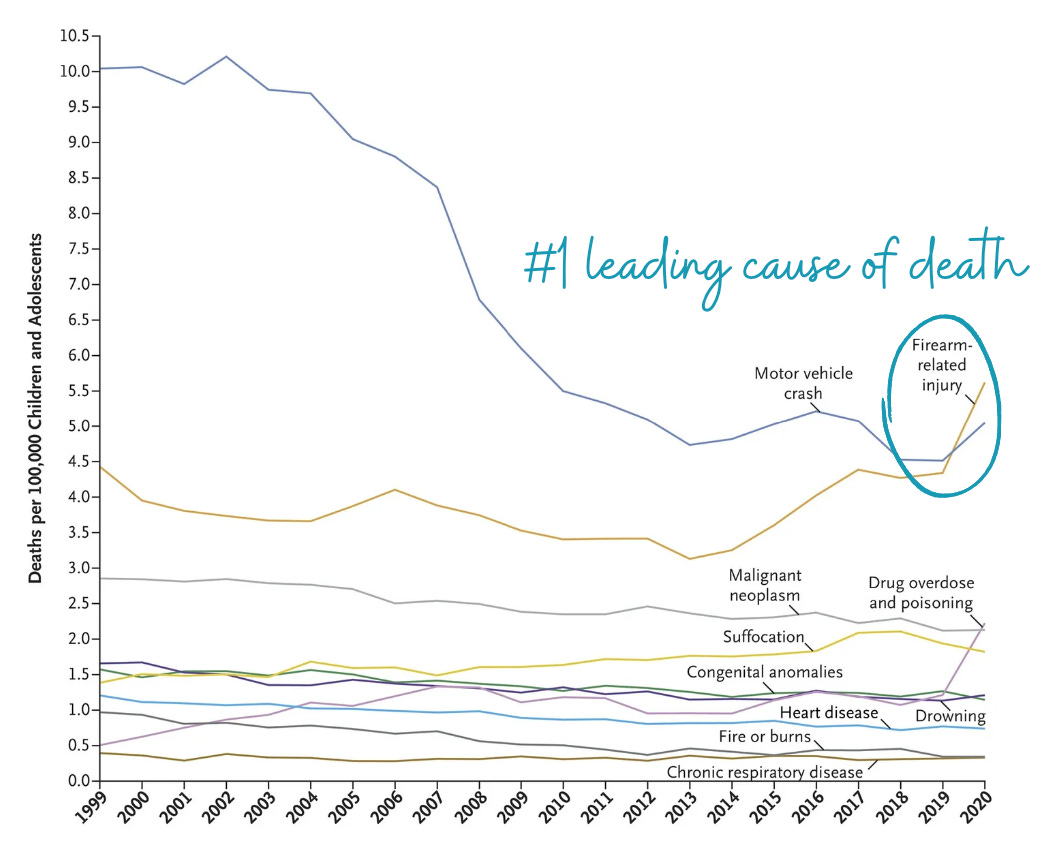
Graph from New England Journal of Medicine; Annotated by Your Local Epidemiologist
OPINION By Katelyn Jetelina
Your Local Epidemiologist

On June 24, U.S. Surgeon General Vivek Murthy declared gun violence a public-health crisis. Many narratives immediately pushed back that this isn’t public health’s lane.

Let me say this loud and clear: Gun violence is absolutely in the purview of public health. And until society accepts it as such, we will continue to lose tens of thousands of Americans annually, leaving behind massive ripples in the community. Thankfully, momentum is changing.

What is public health? It’s broader than you might think. Public health—also called population health—came into the limelight with Covid-19, but it’s much broader than a pandemic or infectious diseases. It is the science of protecting and improving the health of people and their communities.

Public health is everywhere—think seatbelts, non-smoking areas, vaccines, airbags, clean drinking water, cleaner indoor air, food security, and cancer prevention. Experts are in health departments, nonprofits, government agencies, academic institutions, and the private sector. That’s because public health is most effective when combining science, education, policy, advocacy, and innovation.

Epidemiology, one subset of public health, is charged with finding patterns: Who is impacted? What predicts certain health outcomes? Because if it’s predictable, it’s preventable.

Violence epidemiology was born out of a case study a few decades ago, which showed that clusters of cholera in Bangladesh mirrored clusters of gun violence in Chicago. This meant gun violence wasn’t random; certain factors predispose a person or community. The field has grown to study suicide, child abuse, domestic violence, and, yes, gun violence.

Gun violence patterns—who are being impacted, where, and why—have slowly emerged, providing hints about tangible and effective public health solutions. For example:
  • Firearm injuries are the leading cause of death in children. It surpassed motor vehicle crashes in 2020 for the first time.
  • 2 out of 5 homes have at least one firearm.
  • 4.6 million kids live with unlocked, loaded gun.
  • 1 in 3 youth suicides and unintentional deaths can be prevented by securing guns.
  • 8 out of 10 children that used a firearm say it belonged to a family member.
These patterns suggest safe storage and education for parents, for example, could (and are) move the needle.

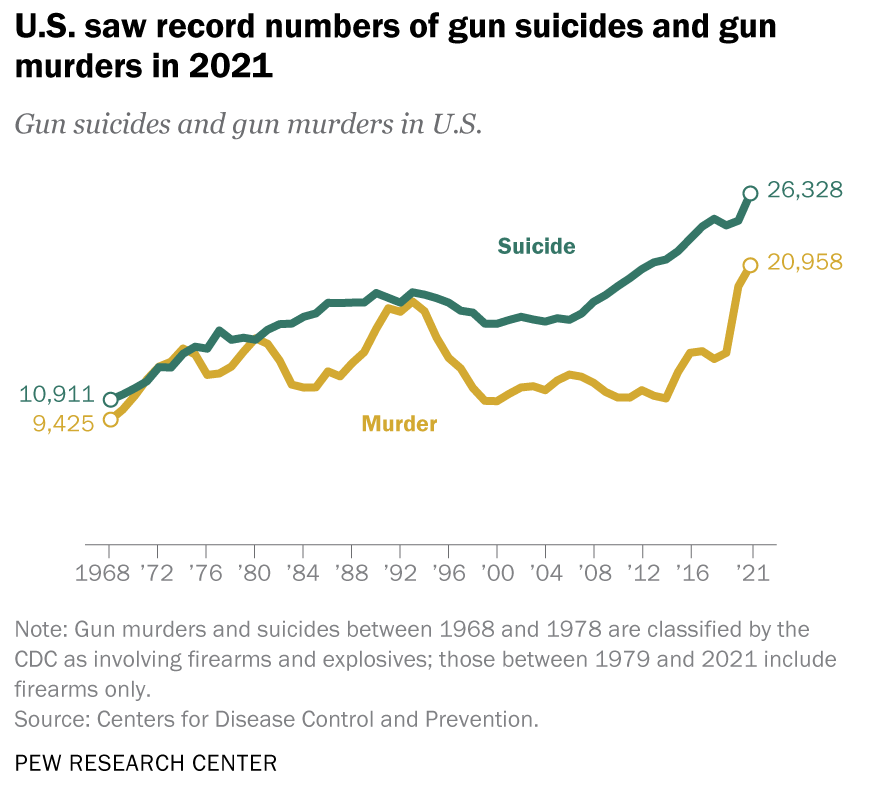
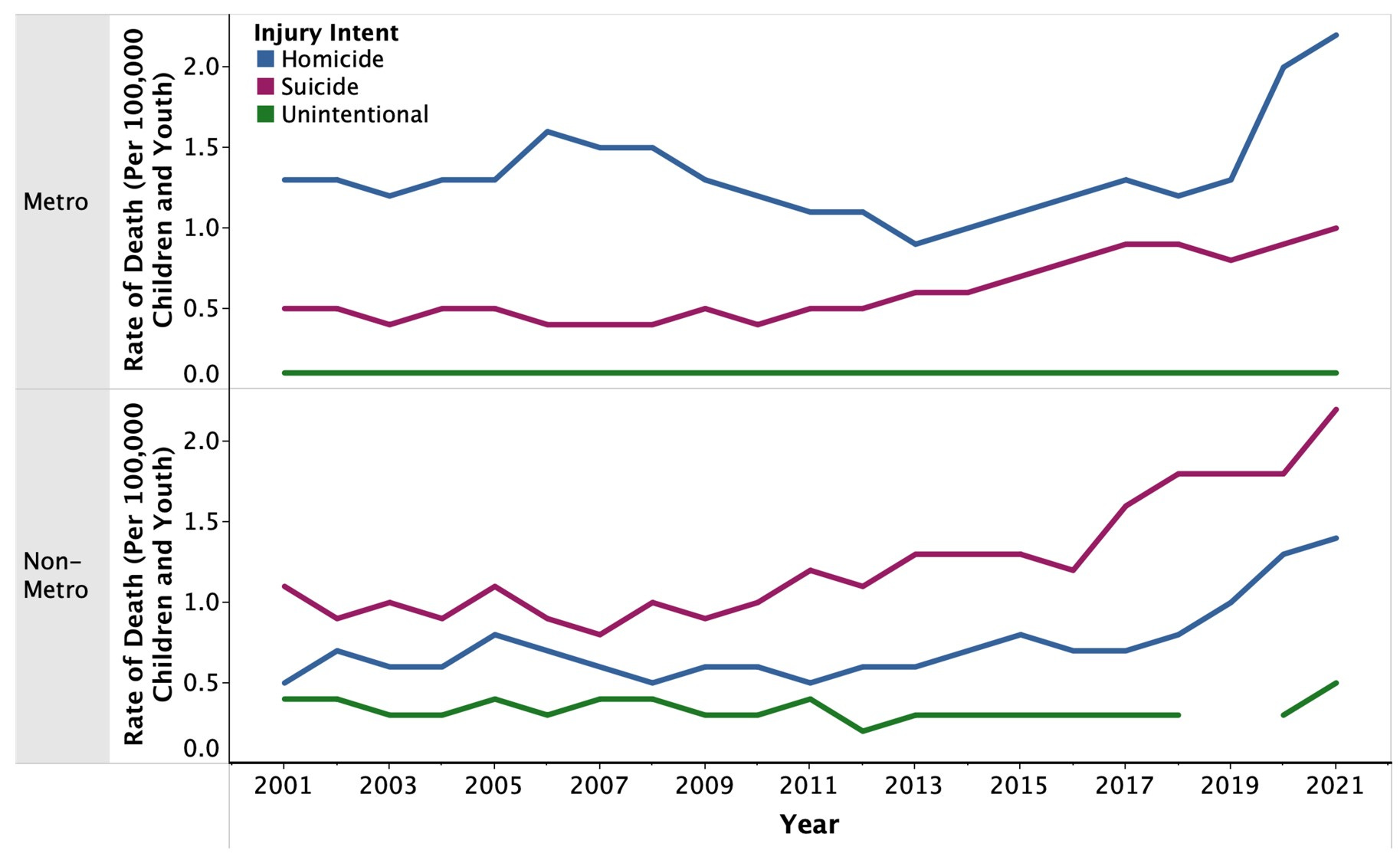
Suicides account for most gun deaths, followed by homicides. This is why some states have passed bipartisan legislation, like red-flag laws, to temporarily remove firearms from people who have been deemed a threat to themselves. It’s estimated one suicide is prevented for every 10–20 red flag orders issued.

Cause and risk are not uniform. Gun injuries and deaths differ by race/ethnicity, physical location, age, and many other factors. This suggests who and how we engage with matters to make an impact.

There are ripple effects. A single neighborhood murder can impact as many as 200 people in a community. Randomized control studies have shown that community-level interventions, like replacing vacant spaces with green spaces, break cycles of violence.

Finding answers has been a slow crawl. Although we’ve found some patterns, we’ve only scraped the surface. Progress has been plagued by an unfortunate series of events.

Rewind to 1993. A famous study published in the New England Journal of Medicine found that having a gun in the home increased the risk of homicide in the home. This set off a political domino effect, and three years later, Congress inserted the Dickey Amendment into the CDC spending bill. The provision stated, “None of the funds made available for injury prevention and control at the Centers for Disease Control and Prevention may be used to advocate or promote gun control.” The language was unclear; the epidemiologist on the 1993 study famously said, “Precisely what was or was not permitted under the clause was unclear. However, no federal employee was willing to risk his or her career or the agency's funding to find out. Extramural support for firearm injury-prevention research quickly dried up.”

This set gun violence research back decades, as it was completely reliant on nonprofits and philanthropy support. This is helpful but not enough to match the scope of the problem.

But, momentum is shifting. We see this from several angles:
  • Engagement from the bottom up. A plethora of public-health experts have partnered with groups directly impacted by gun violence. For example, working with gun owners and gun ranges to curb suicide or communities (see Cure Violence) to build solutions.
  • Funding for research. In 2020 —for the first time in 25 years—our federal budget included $25 million for the CDC and NIH to research reducing gun-related deaths and injuries. This is a start, but to be clear, it’s estimated that we need $1.4 billion to curb this epidemic. (For context, NIH gets $6.56 billion allocated for cancer research.)
  • State and federal initiatives. For example, the Office for Violence Prevention was established in 2023 to focus on key legislative actions. You may be surprised to hear that many policies have bipartisan support. Earlier this month, the office hosted 160 hospital executives and leaders to discuss the importance of using health system data to better understand patterns.
Gun violence is absolutely in the public-health lane. This is what we do. We’ve been able to do unimaginable things and save millions of lives by approaching problems with a public-health lens, like cigarettes and motor-vehicle crashes. Public health can help reduce gun violence in the U.S., and we will. But only at the speed at which society recognizes and supports it.

Tuesday, June 25, 2024

Cervical-cancer screening declined in pandemic, UK study finds

A Pap test (Photo by Rabizo, iStock/Getty Images Plus)
By Elizabeth Chapin
University of Kentucky

New research at the University of Kentucky reveals concerning declines in cervical cancer screening rates among women in the U.S. during the Covid-19 pandemic, especially in rural areas.

The study, led by UK Markey Cancer Center researcher Ty Borders, analyzed nationally representative survey data from the National Cancer Institute to examine Pap test screening rates before and during the pandemic. A Pap test (or Pap smear) is a screening method that can detect cervical cancer or cell changes that may lead to cervical cancer, allowing for early detection and treatment.

The analysis showed that the odds of a woman receiving a Pap test in the past year were 30% lower in 2022 compared to 2019, before the pandemic began.
research published in JAMA Network Open 

The substantial decline is concerning, given that cervical cancer is largely preventable with regular screening and early intervention says Borders, a professor in the UK College of Nursing and director of the Rural and Underserved Health Research Center.

The study also found increased disparities in screening rates between rural and urban women. In 2022, only 48.6% of rural women reported receiving a Pap test in the past year, compared to 64% of urban women.

Women from rural areas have historically had higher rates of cervical cancer incidence and mortality, so a widening urban-rural gap in screening during the pandemic is particularly troubling, Borders says.

“The findings point to a need to expand access to cervical cancer screenings among all women, but especially those residing in rural areas, to prevent a possible uptick in future cervical cancer incidence and mortality,” said Borders.

Disruptions to health care services during Covid-19 lockdowns likely contributed to the declines in screening, as many clinics temporarily suspended or scaled back routine procedures like Pap tests.

Based on the results, health care providers may want to consider extra measures to ensure patients are up to date with recommended screenings, including expanding the availability of appointments for cervical cancer screenings and reminding patients of screening due dates.

The research was published in JAMA Network Open, a publication of the American Medical Association

Friday, June 21, 2024

Huge grant fails to reduce ODs by 40%; does show a 9% drop over four states, saving an estimated 483 lives, but few in Ky.

The National Institues of Health’sNational Institute on Drug Abuse and the Substance Abuse and Mental Health Services Administration funded the study through the NIH HEAL Initiative.
By Melissa Patrick
Kentucky Health News

A four-state, $350 million research grant that included Kentucky fell far short of its goal of reducing opioid overdose deaths by 40% over four years, instead showing an estimated 9% drop in such deaths. 

"That translates into an estimated 483 opioid-overdose deaths that were averted in the communities that received the intervention," said Patricia Freeman, part of the HEALing Communities Study research team and an associate professor of pharmacy at the University of Kentucky.  

Another model, comparing those to communities to a control group of counties with similar charcteristics, showed a 15% average reduction in opioid-overdose deaths in the intervention communities, which Freeman said was "very close to reaching statistical significance."

"It's still consequential even though it didn't reach statistical significance," said Freeman. "An estimated 483 lives were saved. And just because it didn't reach statistical significance doesn't mean that it was not a meaningful public-health impact." 

In Kentucky, there was no real difference in the adjusted rate of opioid-related overdose deaths between the intervention counties and the control-group counties, with 59.8 deaths per 100,000 residents in the intervention communities and 59.3 per 100,000 in the control communities. 

The study compared the control and intervention communities for one year, July 2021 through June 2022. 

"In retrospect, I think people will say that the 40% was a very ambitious goal," said Freeman. The researchers in the paper said likewise, adding, "The trial may have been underpowered to detect substantially smaller yet clinically meaningful differences."

An underpowered study does not have a sufficiently large sample size to answer the research question of interest,"  says the National Library of Medicine. according to L.D. Case and W.T. Ambrosius in an article titled "Power and Sample Size," published in Topics in Biostatistics.

The study, published June 16 in The New England Journal of Medicine, found no differences in estimated opioid-overdose deaths among the four states, nor any statistical differences between urban and rural communities, by age, by sex or among racial and ethnic groups. 

The research paper identifies several unforeseen challenges that likely diminished the impact of the interventions. Those include the Covid-19 pandemic, which began just two months after the start of the study’s intervention, an increase in the prevalence of fentanyl in illicit drug markets, and a 10-month implementation period, which may have been too short for communities to fully implement and see the effects of their efforts, says a UK news release.  

The four-year study, launched in 2019, included 67 communities affected by opioid abuse, including 16 Kentucky counties. UK  received $87 million from the National institutes of Health for the study, the largest competitive award UK has ever received. 

The other participants were Boston Medical Center in Massachusetts, Columbia University in New York City and Ohio State University

The Kentucky counties where interventions were made were Boyd, Boyle, Clark, Fayette, Floyd, Franklin, Kenton and Madison. The control-group counties were Bourbon, Campbell, Carter, Greenup, Jefferson, Jessamine, Knox and Mason.

Freeman noted that the published study results don't reflect county-level data, but the impact of the interventions in all 67 communities.  

The interventions involved increasing education about overdoses; increasing overdose-prevention education and distribution of the anti-overdose drug naloxone; increasing access to and retention of medications to treat opioid-use disorder, including methadone and buprenorphine; safer opioid prescribing, dispensing and disposal practices; and reducing the stigma of addiction.

"Specific efforts in Kentucky included partnering with 145 organizations to distribute more than 40,000 naloxone units," the news release says. "Strategies to help people find and stay in treatment deployed 26 peer-recovery coaches and 16 care navigators and provided $411,848 in transportation support.

"Other activities included partnering with 35 pharmacies to install permanent medication-disposal drop boxes, which has resulted in the incineration of more than 6,500 pounds of leftover medication. Efforts to reduce stigma and increase awareness of treatment resources produced 64 communication campaigns, resulting in 73 million engagements."

The study's principal investigator, Sharon Walsh, a professor in the College of Medicine and College of Pharmacy and director of the UK Center on Drug and Alcohol Research, said in the release, “Our findings demonstrate that implementing these evidence-based practices through community-engaged strategies and partnerships can make a meaningful impact on combating overdoses, even amid the rapidly evolving opioid epidemic and unprecedented disruptions like the Covid-19 pandemic,”  

Freeman said researchers are continuing to analyze the data to look at the impact of each strategy used in the study, and have written a paper that is under peer review, looking at how naloxone distribution changed in the intervention and control communities.

She said they will also continue to analyze the impact of the interventions on non-fatal overdoses, the impact on overdoses that involved opioids and other substances, since this study was specific to opioids, among other things.

Also coming are results from the control communities, which received the interventions after the comparisons between the control communities and intervention communities were complete.

"We'll be trying to really understand what were the strategies that were the most impactful in our communities," Freeman said. 

Looking forward, Freeman said she thought Kentucky could see some long-term benefits from this study because of the infrastructure, technical assistance and training that was set up with the agencies and organizations to implement the study. "I'm interested to see what's going to be a longer term impact," she said. 

The good news is that Kentucky has experienced two years of declines in overdose deaths. In  2022, it was one of only eight states that saw a decrease in drug overdose deaths, and in 2023, it saw a 10% drop in such deaths, according to the state's Office of Drug Control Policy.

Updated 06/25/24: This article has been updated to reflect the correct attribution for the definition of an "underpowered study" to be  L.D. Case and W.T. Ambrosius in an article titled "Power and Sample Size," published in Topics in Biostatistics.

Wednesday, June 19, 2024

Curious about new, popular weight-loss drugs? Here's a lowdown

Axios Visuals map adapted by Ky. Health News; click to enlarge
Editor's note: At the end of 2023 Kentucky led the nation in the percentage of state residents, 2.1%, who had received the new class of diabetes and weight-loss drugs.

By Katelyn Jetelina
Your Local Epidemiologist

You’ve probably heard of Ozempic by now. It is everywhere. Sales are up more than 300% and research studies are coming out like a firehose, but future population-level implications are unknown. Here, we catch you up on the science and what it may mean for you.

Ozempic (one brand name for the substance semaglutide) is one of many medications under the umbrella of “GLP-1 receptor agonists.” Others are Trulicity (dulaglutide), Wegovy (semaglutide) and Mounjaro (tirzepatide).

GLP stands for glucagon-like peptide 1. GLP-1 is a hormone produced in the intestinal system and released when you eat food. It is a natural signal saying you have eaten enough food. Naturally occurring GLP-1 comes and goes in a few minutes.

These medications mimic this natural process but for longer. Ozempic, for example, stays in our system for an entire week. It also slows down gastric emptying, thereby slowing down digestion.

How effective are these drugs? Very. The original clinical trials that supported initial FDA approval for patients with diabetes blew expectations out of the water. It improved:
  • Blood sugar control (A1c reduction)
  • Weight loss (average 15 pounds)
  • Unexpected positives, like reduced kidney disease (24% less likely to experience kidney failure and death due to kidney complications)
Since the first clinical trials, studies have tested its use in non-diabetic individuals, and its is effective in weight loss. A meta-analysis of eight studies found a significant decrease (about 10% of body weight). None saw an increase. Also, it has protective effects on the heart, such as reduced blood pressure and triglycerides.
 
What happens if you stop taking it? Unfortunately, weight (and other outcomes) rebound. As shown below, after the original clinical trial (68 weeks), people who stopped taking it regained their weight.

The use of GLP-1’s as a motivating tool for sustained change has been less studied. Will these be lifetime drugs like other medications (e.g., statin drugs for heart disease) or a tool to titer up or down in times of need? This is a big unanswered question.

While obesity often involves an energy imbalance where calories consumed exceed those expended, it’s influenced by genetics, socioeconomic status, environmental factors, and mental health. These factors contribute to a complex web of challenges that may extend beyond individual choices alone.

What about kids? Ozempic isn’t officially approved by the FDA for children (but can be used off-label), but Wegovy is approved. In 2023 alone, about 31,000 children aged 12 to 17 and 162,000 aged 18 to 25 used these medications.

A recent meta-analysis found treatments led to modest reductions in body weight and improved glycemic control in children with insulin resistance.

Ozempic babies? The term refers to a recent phenomenon where women are reporting unplanned pregnancies. This has sparked discussions on social media and in the medical community about the potential impact of these drugs on fertility. Why could this be happening? Two hypothesized pathways:
  • 1. These drugs delay gastric emptying, which can impact the effectiveness of oral birth control by slowing down the rate of absorption
  • 2. Weight loss enhances fertility, making it easier for women to become pregnant. This is particularly true for women with Polycystic Ovarian Syndrome, in which weight loss is known to boost fertility significantly.
However, it’s recommended to stop the medication two months before trying to get pregnant (see more below).
 
Datawrapper graph by YLE; data from Ghusn et al., JAMA
Are there downsides to the meds?
Like any medication, there are side effects and risks, some known and some theoretical, and many with mixed study results. Individuals must weigh the risks of obesity with the small but meaningful risks of the medication.
 
Many people experience side effects, particularly nausea and diarrhea. A recent analysis from an insurance agency found that 6 in 10 people who start the drugs quit before they see benefits because of side effects. These tend to go away after a few weeks, but they can substantially impact the quality of life until then.

Muscle loss: Most (60-75%) weight loss is from fat, but some is from non-fat, including muscle. This could lead to a rare condition called sarcopenia—loss of muscle mass and strength where you can’t do much because you’re physically weak. Research is mixed, though, on how often this happens, and it may be minimal when combined with exercise and adequate protein intake.
 
Increased risk of thyroid cancer. A small French case-control study found an elevated risk of thyroid cancers (58% elevated relative risk) and medullary thyroid cancer (78% elevated relative risk) after GLP-1’s. However, another study in Scandinavia with more than 400,000 people found no risk of thyroid cancer after 3 years. Regardless, the potential increase in absolute risk is very small.

Mental health. There is a big debate on what is happening in the brain. GLP-1 is not only produced in the gut but in the brain as well. Some evidence has correlated the usage of GLP-1 medications with suicidal ideation. However, recent evaluations by regulatory agencies found no substantial evidence after extensive review. Some studies have even suggested a potential decrease in the likelihood of anxiety and depression.

Eating disorders. It is a growing concern that GLP-1s may increase the risk of disordered eating, particularly among those who are high-risk (e.g., prior history of eating disorders).
 
Pregnancy. Pre-clinical trials on rats found GLP-1s are more likely to have offspring with birth deformities, so it’s not recommended to take during pregnancy.

While these new drugs have a strong safety profile based on available data, human studies are only about 5 years old. This means the long-term effects are not yet fully understood. However, we do have data from drugs in the same class that started testing in 2006, showing a consistent safety profile. Continued monitoring and research are essential to determine whether theoretical risks are real in light of new data.

This means decisions today must be made based on what is available and in the context of individual risk factors. For example, if you have a history of eating disorders, the risks of taking the medication may outweigh the benefits.

What does the future look like? After a century of fad diets and weight loss gimmicks, people are tired: some from fighting stigma and others from trying to lose weight unsuccessfully. These medications have proven to work, and the market shows it: GLP-1 prescriptions have increased by over 300% since 2020. A recent poll indicates that nearly half of adults express interest. But there’s no sugarcoating it: It’s expensive, about $1,000 per month without insurance. The price should decrease dramatically in about 8 years once the patent expires and the generic version comes to market.

On a population level, these drugs will likely have widespread impacts, just like the iPhone, which can be good or bad, depending on who you ask. Given the massive impact obesity has had on health in the past two decades, this could be extraordinary for lifespan and quality of life. It could also have ripple effects on the fast-food industry and save millions of dollars in health care costs.

But it could further widen health disparities, given the cost, and hurt body positivity, losing much ground gained. We also cannot ignore that these drugs benefit a billion-dollar pharmaceutical industry when underlying societal causes should be addressed for prevention. And, the fact there are numerous other benefits to a healthy lifestyle.
Bottom line

GLP-1 drugs offer much-needed hope to individuals, and a flood of studies show their effectiveness. However, there are both demonstrated and theoretical risks to consider. Regardless, obesity deserves compassion, and perhaps 21st-century tools can help foster a supportive environment that promotes lasting progress.

Thursday, June 13, 2024

Deaths from colorectal cancer in Appalachian Kentucky have declined, but far less than in the rest of the nation, UK study says

County rates per 100,000 are seen in five ranges or quintiles.(Map adapted by Kentucky Health News)
Kentucky Health News

Deaths from colorectal cancer in Appalachian Kentucky declined from 1999 to 2020, but far less than the rate of decline in the rest of the nation.

That's the upshot of a University of Kentucky study analyzing death data.

It found that in the 54 Kentucky counties served by the Appalachian Regional Commission, the mortality rate fell from 31.24 deaths per 100,000 residents in 1999 to 24.46 per 100,000 in 2020. But the national rate dropped by almost half, from 27 deaths per 100,000 Americans in 1999 to 14.81 in 2020. In non-Appalachian Kentucky, the rate dropped from 27.6 to 17.1.

During the entire 21 years covered by the study, the colorectal-cancer death rate in Appalachian Kentucky was 25.8 per 100,000 residents. In the 66 non-Appalachian counties, the rate was about 22 per 100,000. The national rate was 19.43 deaths per 100,000. Kentucky has the fourth highest death rate. 

The Kentucky county with the highest age-adjusted rate from 1999 through 2020 was Fleming, at 39.6 deaths per 100,000 residents. The next highest were Harlan, 34.4; Bath, 33.2; Pike, 32.1; Breckinridge, 31.6; Henry, 31.5; Todd, 31.1; Carter, 30.7; Lewis, 30.7; Cumberland, 30.6; Mason, 30.5; Lawrence, 30.4; Morgan, 30.4; Clay, 30.2; Letcher, 29.7; Washington, 29.4; Nicholas, 28.6; Breathitt, 28.5; Perry, 28.5; Floyd, 28.3; Monroe, 28.3; Powell, 28.2; and Nelson, 27.9 (all in dark blue on the map).

The counties with the 10 lowesr rates were Lyon, 14.9 per 100,000; Trimble, 16.97; McCracken, 17.7; Jessamine, 18.2; Shelby, 18.3; Madison, 18.4; Bullitt, 18.7; Trigg, 18.8; and Owen, 18.8.  Rates for Hickman and Robertson counties were not reported due to small case numbers.

The study, in the journal Gastroenterology, used data from the Centers for Disease Control and Prevention on the causes of death for Americans 15 or older. Its lead author is Dr. Syed Hassan, a research coordinator and clinical research scientist in UK's Department of Internal Medicine.

Hassan "said efforts to enhance screening rates should be improved and more education on colorectal cancer is needed," according to a UK news release.

He noted that In Appalachian Kentucky, nearly 41% of the colorectal cancer deaths occurred at home, suggesting that many victims might not have been seen by a doctor until the cancer had significantly advanced.

“That’s concerning, in my opinion,” Hassan said. “Access to health care, lifestyle related modifiable risk factors and education are important factors we should further work upon.”

Hassan also said anxiety about colonoscopies and other cancer screenings, and lack of education about the disease, may also play a role: “Many of these patients might’ve believed that they probably wouldn’t be able to afford as much care due to their socioeconomic status.”

Screening for colon cancer is recomended to start at age 45, because cancers of the colon and rectum tend to occur after age 40, but recent studies have shown increases in younger people, especially those with risk factors.

These cancers tend to run in families; studies show that if a close relative has had colorectal cancer, you can be predisposed to polyps — pre-cancerous lesions that can lead to the development of the cancer,

Other risk factors include age and lifestyle factors such as smoking, sedentary living, obesity, a diet rich in red meat, salt and saturated fats or a low-fiber diet.

Tuesday, June 11, 2024

National Institutes of Health boss, at UK, says U.S. is better set for next pandemic but needs more 'really snappy real-time data'

National Institutes of Health Director Dr. Monica Bertagnolli spoke at UK. (WUKY photo by Josh James)
Kentucky Health News

The new director of the National Institutes of Health said at the University of Kentucky on June 10 that the U.S. hasn’t fully recovered from the Covid-19 pandemic, and long Covid remains a problem, but the nation is readier for the next pandemic than it was for the last one.

"We're better prepared, but we're not at all complacent about how awful pandemics are and the great suffering that comes from this, and the need to be constantly ready to spring into action," Dr. Monica Bertagnolli told Josh James of WUKY.

"We really hadn't before had a good, real-time feedback link with really snappy real-time data," she said, noting that she is starting a new reporting network for doctors to share such information.

"That data – both its reliability and collection – was one of the themes of Bertagnolli’s talk at UK," James reports. "She said the pandemic showed medical officials the necessity of creating a more responsive data ecosystem running all of the time, not just during major health emergencies."

Asked about efforts to combat distrust toward medical authorities, Bertagnolli said part of the solution is delivering tangible results for patients. She pointed to recent polling from the Pew Research Center about who people trust the most when it comes to medical information.

"The very highest trust was with their primary-care providers," she said, "which is why we're launching this new primary-care research network, because we want to put the research into the hands of people who are trusted, so that everybody can have the benefit."

Tuesday, June 4, 2024

The science of sunscreens: Sorting out advice and rumors

Slip on a shirt, slop on sunscreen, slap on a hat, seek shelter, slide on sunglasses. (YLE illustration)

By Katelyn Jetelina
Your Local Epidemiologist

Summer is here! While sunscreen may seem like an easy health decision, many people, especially younger and health-conscious ones, have doubts. Sunscreen health advice and rumors are everywhere on social media, and we’re seeing it reflected in national surveys:
So, what’s going on with sunscreen? With the help of many people, including Dr. Michelle Wong, an Australian cosmetic chemist, I went down a rabbit hole. Ultimately, it comes down to a general lack of scientific nuance in sunscreen discussions and differing risk tolerance.

Here’s what we know about sunscreen, what we don’t know, and what it may (or may not) mean to you.

First, skin cancer is bad. It is the fifth most common cancer in the U.S. While rates have steadily increased over the past few decades, recent years may suggest rates are plateauing. We don’t know why, but some have attributed it to a new awareness of sun protection, including reducing tanning-bed use.
New cases and deaths from melanoma of the skin over time (National Cancer Insitute, annotated by YLE)
Is sunscreen effective against skin cancer? Yes. But this is hard to study.

Theoretically and at a microscopic level, sunscreen makes sense. It stops burns and prevents microscopic changes from accumulating over time that eventually cause cancer.

When we look at “real world” studies among humans, though, there is mixed evidence of sunscreen’s effectiveness against cancer. Two recent meta-analyses that pooled all these studies found no effect. However, sunscreen use is notoriously hard to measure—many other things could explain the link (i.e., confounders), it takes time to see an impact on cancer, and there is variability in how people use sunscreen.

Australian study of sunscreen effect on skin cancer (Graph from YLE; study discussed below)
If we pull out the most rigorous studies (randomized controlled trials, or RCTs) that followed people over a long period of time, there is a consistent positive effect:
  • A well-conducted RCT of adult Australians was followed for more than 15 years and found a 40% lower incidence (876 vs. 996 per 100,000) of cancer among participants randomized to daily sunscreen compared with participants assigned to use sunscreen on a discretionary basis.
  • Some populations are at higher risk of skin cancer, mainly because the medications they take make them more susceptible. Among organ transplant recipients—some of the highest-risk people for skin cancer—studies have found sunscreen prevented cancer.
Is sunscreen effective against photoaging? This is a clear yes. Evidence from many studies and different populations, including a large RCT, shows that sunscreen prevents signs of photo-aging, including wrinkles and pigmentation.
 
Do-it-yourself sunscreens don’t work for two reasons:
  • Sunscreen developers use special grades of zinc oxide with very small particles, which absorb more UV and can cover a larger area. These powders are also often coated to improve dispersion, while DIY recipes usually specify “uncoated” powders.
  • Even with the right ingredients and equipment, sunscreen formulators must optimize the formula extensively to achieve consistently high SPF—sunscreens are considered one of the hardest products to create!
What about the safety of ingredients? Safety is always important; we must ensure benefits continue to outweigh the risks on a population level. A lot has happened regarding sunscreen ingredients in the past few years:
  • FDA studies. In 2019, FDA conducted safety studies on four specific ingredients. Public concern escalated after 2019 and 2020 randomized controlled studies confirmed that common sunscreen ingredients, like oxybenzone, were found in the bloodstream. In 2021, the FDA stated two out of 16 ingredients (zinc oxide and titanium dioxide) were considered safe, two were unsafe (thankfully, these aren’t included in U.S. market sunscreens), and the rest needed more data.
  • Sunscreen contaminants caused a recall. In 2021 and 2022, a private lab found traces of benzene—a chemical that causes cancer—in some sunscreens. Importantly, benzene was a contaminant, not a sunscreen ingredient.
  • Continued research on sunscreen ingredients. Some independent studies have found links between chemical sunscreen ingredients and hormone and reproductive function.
Are these safety signals enough to change population-level behavior? The scientific consensus is “no” given three reasons:
  • Most are lab or animal studies. Petri dishes (bacteria, cells, yeast) and animal studies (rats, fish, etc.) differ from ours, so these studies must be interpreted cautiously.
  • Dose determines the poison. Animal studies often use very high doses, administered orally. With the right dosage and route of exposure, anything can be a poison, even water.
  • Human studies suggest correlation vs. causation. One human study, for example, linked sunscreen ingredients to hormone disrupters in children, but the link was correlational—even the authors stated that many other things could explain the relationship. Another study found more than 96% of people had oxybenzone in their urine. However, fewer than 96% of people use sunscreen, suggesting other environmental sources contribute to levels. Multiple systematic reviews of human studies have concluded there is no support for sunscreen causing infertility, differing hormone levels, body fat, kids’ growth, or cancer.
In other words, just because we can measure something doesn’t necessarily mean it’s harmful. It does suggest that more studies should be done.

The FDA has requested manufacturers test the 12 ingredients with “insufficient evidence,” but there’s a problem: The FDA’s requirements would violate animal-testing bans. So, these older sunscreens may be removed from the US market, even though they are widely used and considered safe in other regions like the European Union, Australia, Japan, and Korea, alongside newer sunscreen ingredients unavailable to Americans (more on the complex regulatory situation here).

In the EU, as a precaution, they have lowered the allowed percentages of a few ingredients, particularly homosalate and oxybenzone. “Unsafe” in the EU means there isn't a 100-fold margin of safety with daily full-body application. These regulatory changes are small shifts to improve the safety of already safe products on a population level.
 
The health policy in the U.S. holds strong: Sunscreen’s known benefits outweigh the unclear risks. Will this change over time? It's possible, but it’s worth noting that the oldest chemical sunscreen ingredients have been used extensively worldwide for over 40 years without clear health risks emerging.

Population-level consensus can be different from individual-level decision-making, though. I still use sunscreen every morning and grab whatever I can for my family while rushing to the beach. Of all the risks we face every day, sunscreen is a very small one to me.

But everyone’s risk tolerance is different. For those who are more hesitant, the good news is that there are options:
  • Concerned about effectiveness? Whether you're using sunscreen or not, layers are the name of the game. The Covid-19 Swiss cheese model applies to sun protection.
  • Concerned about unclear risks? Check the ingredient list—luckily, many different sunscreen formulas are available.
  • Concerned with sunscreen being white cast or heavy? There are two types of sunscreens. A “chemical sunscreen” is likely more suitable for you.
  • Concerned with skin sensitivity or oiliness? A “mineral sunscreen” is more suitable.
Overall, keep in mind:
  • “Broad spectrum” sunscreen is best. The SPF rating on American sunscreen bottles mostly denotes a sunscreen’s ability to block UVB rays. Importantly, these are the most damaging type—they cause burning, skin cancer, and premature skin aging. Some sunscreens in the U.S. don’t cover UVA rays well. Sunscreens labeled "broad spectrum" have a better UVA/UVB protection balance.
  • Higher SPF gives higher protection. You may have seen that SPF 50 blocks 98% of UV while SPF 30 blocks 97%, so there's only a 1% difference. However, this is only true if you apply the correct amount perfectly evenly, which is impossible. If the same amount is applied, SPF 30 will always let 1.67 times more UV than SPF 50.
  • Vitamin D can still reach the skin. High SPF sunscreens are designed to filter out UVB rays, the exact type of rays needed to produce vitamin D in our bodies. However, sunscreen doesn’t filter out all of these rays, and sunscreen application is uneven because humans are humans. Many studies show that people who use sunscreen daily can maintain their vitamin D levels. We also get Vitamin D from food sources.
Bottom line: Sunscreen can help fight skin cancer and prevent photo-aging. Given how difficult sunscreen is to study, there are some unclear risks. Uncertainty can be uncomfortable, so it’s unsurprising that there is much contradicting information about sunscreen (and really anything in health). The good news is that options exist, and the best type of sunscreen is one that you will use.