Friday, March 11, 2022

Number of Ky. counties where masks are advised is down to 32

Ky. Dept. for Public Health version of CDC map, adapted by Kentucky Health News

Only 32 Kentucky counties have such a high risk of coronavirus infection and hospitalization that residents should wear masks in indoor public spaces, according to the latest weekly ratings by the federal Centers for Disease Control and Prevention.

Most of those counties are in Eastern Kentucky, but include Fayette and four adjoining counties, and Crittenden and Livingston counties in Western Kentucky. Crittenden County has the state's highest rate of new coronavirus cases; Pike County is second, according to CDC data in The New York Times.

Rated at medium risk are 38 counties, where the CDC says residents who are immunocompromised or at high risk for severe illness should talk to a health-care provider about "additional precautions, such as wearing masks or respirators indoors in public. If you live with or have social contact with someone at high risk for severe illness, consider testing yourself for infection before you get together and wearing a mask when indoors with them."

The plurality of counties, 51, are rated at low risk. There, the CDC recommends residents "stay up to date with Covid-19 vaccines and boosters" and "maintain improved ventilation throughout indoor spaces when possible." The ratings are based on new coronavirus cases and Covid-19 hospitalizations.

As a whole, Kentucky ranks fifth in the rate of hospital patients with Covid-19 in the last seven days, and has the nation's eighth highest rate of new cases over that time. Many Kentucky counties are in the Times list of the 100 counties with the highest rates of new cases.

Here's how Kentucky's map fits into the national map:


Latest bill to aid independent pharmacies passes first hurdle; would ban requiring or incentivizing patients to use mail order

UPDATE: On March 21, HB 457 was sent to the Senate on an 88-3 vote. 

By Melissa Patrick
Kentucky Health News

Many Kentucky lawmakers keep siding with independent pharmacies against pharmacy benefit managers, the insurance middlemen between pharmacies and drug makers. Thursday a committee approved a bill to ban requiring patients to use mail-order pharmacies or using incentives for mail order.

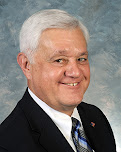
Rep. Steve Sheldon
"This is truly about the consumer," Rep. Steve Sheldon, R-Bowling Green, told the House Health and Family Services Committee while presenting House Bill 457. Besides Sheldon, who is a pharmacist by trade, its sponsors include 55 of the 100 House members.

Pharmacy benefit managers determine what drugs are offered in insurance plans, where and how a patient gets their drugs, how much someone pays for the drug, and how much the pharmacists are paid. 

Sheldon's bill would also ensure that patients can pick their pharmacy, instead of being required to use one affiliated with the PBM, and ban PBMs from retroactively denying a pharmacy claim after adjudication, a process commonly referred to as "clawing back."  

Sheldon said it had taken three years of collaboration to produce this bill, with upwards of 20 organizations supporting it. 

"I'm a legislator. I'm a pharmacist, I serve as a division CEO for a very large self-insured company with several thousand employees, so I'm very sensitive to that issue and how this could affect that. I'm convinced I'm doing what's right for every single one of those," he said, adding that it also addresses the issues for consumers. "I feel like this addresses all four."

The bill also includes language to increase transparency between insurers and PBMs and would halt the a practice of "white bagging," in which a medication must be prepared and distributed by a third-party specialty pharmacy, instead of allowing providers to prepare, administer and bill for the medication. 

Kentucky lawmakers have been working on PBM issues for years, most recently passing 2020 Senate Bill 50 to require the state to hire a single PBM to manage Kentucky Medicaid's prescription-drug business of more than $1 billion a year. A 2019 state analysis found PBMs made $123 million through spread pricing.

Kentucky Pharmacists Association President Cathy Hanna said Sheldon's bill would "ensure Kentuckians have safe, reliable access to the brick-and-mortar community pharmacy of their choice," adding that rural pharmacists "are often the most direct and trusted provider contact for many individuals and families." 

Hanna said requiring patients to get their drugs through mail-order or at a specific PBM-owned pharmacy has contributed to the closing of community pharmacies, saying four have closed in the past month. She cited a recent Public Policy Polling survey that found 84% of respondents did not support mandated mail order.

On the other side of the argument in committee were lobbying groups for PBMs, insurers and some employers.

Conner Rose of the Pharmaceutical Care Management Association, the PBM lobby, said PBMs strive to make drugs affordable and the bill could increase costs. For example, he said employers support "white bagging" because PBMs can provide these expensive drugs at less cost than a provider's office.

“HB 457 continues to include provisions that restrict PBM cost saving tools and therefore will increase prescription drug costs by $213 million in the first year alone," Rose said in an e-mail. 

Frank Jemley, executive director of the Kentucky Association of Manufacturers, expressed concern that the bill would increase health-care costs for Kentucky businesses and manufacturers.  

Scott Brinkman, a former House member and Cabinet secretary representing the Kentucky Association of Health Plans, targeted the contract portion of the bill: "It is invariably a very tricky proposition when government through legislation defines the terms of a contract between two private entities." 

KAHP executive director Tom Stephens said in a statement after the meeting, “I think it’s fair to say that if this government-mandated prescription-drug price-hike bill is passed, the General Assembly will be directly responsible for pricing many Kentuckians out of the market” by removing “cost containment measures that keep health coverage and prescriptions affordable.”

As for community pharmacies, Stephens said, “It’s a solution in search of a problem because Kentucky is in the top five in the nation when it comes to concentration of independent pharmacies.”

Mindy Farnsley, president of the Kentucky Association of Health Underwriters, said the bill "does nothing to address the cost of prescription drugs," would disrupt the health insurance market, and increase employer and consumer premiums.

But the Pharmacists Association said, "The committee's passage of HB 457 brings us one step closer to meaningful reforms that will put an end to PBMs' profit-driven practices that threaten the patient-pharmacist relationship."

Closed hospital in Ashland area to become drug-treatment center

Our Lady of Bellefonte Hospital in Russell, Ky. (Photo from Addiction Recovery Care)
A major drug-treatment company says it has completed its purchase of part of Our Lady of Bellefonte Hospital in Greenup County and will make it a comprehensive center for treating substance-use disorder.

Addiction Recovery Care bought part of the hospital campus from Bon Secours Mercy Health, which closed it in April 2020. ARC announced its plan in December, saying it would create 250 local jobs.

Gov. Andy Beshear said in an ARC news release, “My faith tells me that second chances are possible. This initiative is going to ensure second chances for deserving Kentuckians struggling with addiction who are ready to transform their lives and show up for themselves, their families and their communities.”

ARC President Tim Robinson said, “For many of our fellow Kentuckians, addiction and substance use continue to be a daily challenge. ARC remains committed to helping more of these men and women reach long-term recovery and showing them the many opportunities that await them in their next chapter of life.”

Wikipedia map, adapted by Ky. Health News
ARC says it operates more than 30 programs in 21 Kentucky counties. It uses a "Crisis to Career model" that combines drug treatment with job training.

State Sen. Robin Webb, D-Grayson, said, “As we all know, substance abuse has taken a heavy toll on individuals and families in northeastern Kentucky. Addiction Recovery Care is a reputable treatment provider that brings jobs and experience to help those struggling with addiction.”

Rep. Danny Bentley, R-Russell, said “This a great day for our community This announcement brings the promise of a second chance not only for a facility that has served generations of our people, but also for those who will find recovery within its walls. It will also create a lot of good jobs.”

Bentley is shepherding a bill in the legislature that would allow ARC to use the state's new Rural Hospital Loan Program.

Thursday, March 10, 2022

Senate passes its version of state budget with many health items; $100 million would 'support a response to the nursing shortage'

By Melissa Patrick
Kentucky Health News

The state Senate passed its version of a two-year state budget by a 30-6 vote Wednesday, the same day it passed out of committee. The bill will soon head to a House-Senate conference committee that will write the final version.

The Senate-revised House Bill 1 has a number of health provisions, with some variations from the House version and Gov. Andy Beshear's proposals.

The Republican-controlled chambers and the Democratic governor have three different approaches to addressing the nursing shortage, which has been exacerbated by the coronavirus pandemic. 

Photo from American Nurses Association
The Senate allocated $100 million of federal relief money in the first year of the budget, starting July 1, "to support a response to the nursing shortage," without giving any details. The House included no money for the retention and recruitment of nurses.

Beshear, who said Thursday that the focus needs to be on retention, called for $6 million each year from the General Fund for nursing scholarships; and from relief funds, $5 million a year for five years to create a new student loan-forgiveness program and $2 million for a marketing and outreach campaign.

The House budget and Beshear's budget both include $17.7 million in the first fiscal year and $19 million in the second fiscal year to cover the costs of local health departments required services, but the Senate's budget only allocated money for the second fiscal year in the amount of $19 million. 

Randy Gooch, executive director of the Jessamine County Health Department, said the Kentucky Health Department Association isn't sure why the Senate would have left out an allocation for fiscal year 2023 and Sen. Chris McDaniel, R-Ryland Heights, who crafted the Senate budget has not yet returned a call for clarification. 

The Senate budget includes Beshear's wish for for 500 new Michelle P. waiver program slots for people with intellectual or developmental disabilities; the House provided for 100. The Senate added 200 slots to the Supports for community Living waiver program for similar beneficiaries, double what Beshear and the House proposed. Both programs have thousands of Kentuckians on their waiting lists.  

The Senate agreed with the House on extra funding for domestic-violence shelters, rape crisis centers and child-advocacy centers, allocating $500,000 more for each in each fiscal year. Beshear proposed a 36% increase each year for each type of organization: $2.5 million, $1.78 million and $1.3 million, respectively.

And while the Senate and House budgets both would fund 200 more social workers, Beshear's budget proposal would have funded an additional 350. 

To implement the new 988 suicide hotline, a three-digit number set to replace the National Suicide Prevention Lifeline in July 2024, the Senate budgeted $3.37 million in the first year and $9.9 million in the second, the amounts Beshear recommended. The House allocated much more: $12.4 million in the first year and $17.6 million in the second, but directed that the money also be used to create more mobile crisis units. 

The Senate allocated $500,000 in each year for the Lung Cancer Screening Program that would be established with the passage of HB 219. The bill passed the House in late January and in the Senate Appropriations and Revenue Committee, which wrote the revised budget. 

The Senate budget also says that each Medicaid managed-care organization that has a participating contract with Kentucky in the next contract renewal will cover lung-cancer screenings.  

Here are some other health-related provisions in the Senate budget. 

From the Tobacco Settlement Fund:
  • $500,000 in each fiscal year to support the Kentucky Rural Mental Health, Suicide Prevention and Farm Safety Program, titled the "Raising Hope Initiative."
  • $1.4 million each year for substance-abuse prevention and treatment for pregnant women with a history of substance-use disorders;
  • $7 million each year for the Health Access Nurturing Development Services Program (HANDS) for poor families with young children;
  • $900,000 per year for the Healthy Start initiatives;
  • $900,000 a year for early-childhood mental health;
  • $900,000 a year for early-childhood oral health;
  • $2 million a year for smoking cessation. Advocates have long asked for more smoking cessation funding, asking recently on a Kentucky Educational Television lung-cancer forum that this amount, at minimum, go back to the pre-pandemic level of $3.3 million.

From the General Fund:

  • $6.25 million in each fiscal year for cancer research and screening to be equally shared by the University of Kentucky and the University of Louisville;
  • $500,000 in the first year and $493,500 in the second year for spinal-cord and head-injury research (an amount that was previously taken from the Tobacco Settlement Fund); 
  • $93,700 in each year for grants to the Brain Injury Association of America, Kentucky Chapter and the Epilepsy Foundation of Kentuckiana to help veterans who have experienced brain trauma;
  • $500,000 each year for the Kentucky Colon Cancer Screening Program;
  • $100,000 per year for The Hope Center of Lexington for addiction recovery;
  • $900,000 a year for The Healing Place, a Louisville recovery program;
  • $1,495,000 a year to support the Lee Specialty Clinic, which provides specialty medical services for individuals with moderate developmental and intellectual disabilities living in residential and community settings. 
  • $7.2 million in the first year and $14.48 million in the second fiscal year to expand the senior citizens' meal program. The appropriation will come from federal relief funds. 
  • $1 million in the first year to support external performance reviews of substance-use treatment programs administered or funded by the health cabinet. 
  • $2.5 million in each year to the Kentucky Pediatric Cancer Research Trust Fund; Beshear's proposal provided $3.75 million in each fiscal year. 
  • $750,000 per year for the Kentucky Poison Control Center, unless federal emergency relief funds become available;
  • $1 million a year for the Ovarian Cancer Screening Outreach Program at the University of Kentucky; the House budget had $500,000 a year. 
  • Federal and state funds are allocated in both years to maintain the pandemic-elevated reimbursement of $29 per day per Medicaid patient in nursing homes.
  • Money is provided to support expansion of of a pilot program for Tim's Law to additional locations as a way to ensure statewide access. Tim's Law allows judges to order assisted outpatient treatment for people who have been involuntarily hospitalized, aimed at stopping the revolving door them going in and out of jails and state psychiatric hospitals.

Bill moving in legislature would ban abortions after 15 weeks

Max Wise (Photo by Ryan C. Hermens, Lexington Herald-Leader)
Update 3/16/2022: Senate Bill 321 passed out of the Senate on a 31-6 vote. 

Abortions in Kentucky would be illegal after the 15th week of pregnancy, if the legislature passes a bill that cleared its first hurdle Thursday.

The Senate Judiciary Committee voted along party lines to approve Senate Bill 321, which sponsor Max Wise, R-Campbellsville, said is “closely modeled” after a Mississippi law that awaits a U.S. Supreme Court ruling.

Many legal observers expect the court to uphold the law, setting a new limit for abortions in the U.S. Wise said, “I’m bringing this bill to you so that in the event the Supreme Court upholds the Mississippi legislation . . . we will have a pro-life law in place not subject to a good-faith legal challenge.”

The 2018 legislature banned "dilation and evacuation" abortions, which typically take place after 15 weeks, but that law was found unconstitutional under the Supreme Court's 1973 decision that established a right to abortion until the fetus could live on its own, about 23 weeks.

Andy Beshear, then attorney general and now governor, did not appeal the federal district court's ruling, but the high court recently allowed current Attorney General Daniel Cameron to file an appeal. Beshear said yesterday that any laws limiting abortion should have exceptions for cases of rape or incest.

Wise's bill would allow abortion after 15 weeks “to avoid a serious risk of the substantial and irreversible impairment of a major bodily function of the pregnant woman,” or to save her life.

It also "finds and declares according to contemporary medical research" that most abortions after 15 weeks "involve the use of surgical instruments to crush and tear the unborn child apart" and "that the intentional commitment of such acts for nontherapeutic or elective reasons is a barbaric practice, dangerous for the maternal patient, and demeaning to the medical profession."

Dr. Brittany Myers, a Louisville obstetrician-gynecologist, told the committee the bill has “false information and inflammatory language that is focused on shaming and falsely informing the non-medical community,” and said 15 weeks is an arbitrary limit, the Lexington Herald-Leader reports.

Wise's bill says that at 12 weeks, a fetus "can open and close his or her fingers, starts to make sucking motions, senses stimulation from the world outside the womb, and has taken on 'the human form' in all relevant aspects" under the Supreme Court decision upholding the 2003 Partial Birth Abortion Ban Act.

Though Wise's bill depends on the Supreme Court overturning the 1973 Roe v. Wade decision, the legislature has been "moving ahead as if the landmark law has already been struck down," writes Alex Acquisto of the Herald-Leader. "Over the past six years, Kentucky has not only adopted laws that would make abortion illegal (a 2019 “trigger law” bans abortion immediately if Roe is overturned), and revoke one’s constitutional right to the procedure (Kentuckians will vote on whether to do this in a statewide referendum later this year). But Republican lawmakers have buttressed those laws with a patchwork of other regulations to make the procedure as difficult as possible to access."

House Bill 3, in the Senate Health and Welfare Committee, "would disallow the mailing of abortion pills,' which now are used in most reported Kentucky abortions, "and create a new arduous certification and monitoring program that the Board of Pharmacy says it simply lacks the staff and resources to manage," Acquisto writes.

Wednesday, March 9, 2022

Must-pass spending bill will let FDA regulate synthetic nicotine, which electronic cigarette makers adopted to avoid regulation

The Puff Bar e-cigarette (Photo by Marshall Ritzel, AP)
The spending bill Congress is passing to keep the federal government going until the fall will let the Food and Drug Administration regulate synthetic nicotine, "which is used in e-cigarettes popular with young people," reports Laurie McGinley of The Washington Post.

"The FDA already has authority over nicotine extracted from tobacco plants. The new legislation would provide the agency with explicit jurisdiction over nicotine made in labs. In the last few years, as the agency has cracked down on e-cigarette makers to curb youth use, some companies, including the popular Puff Bar brand, have switched to synthetic nicotine to avoid regulation."

The FDA gave Puff Bar a big boost in 2020, when it temporarily banned "sweet and fruity e-cigarettes featuring refillable cartridges," McGinley notes. "The restrictions did not apply to Puff Bar’s products because they are not refillable," so "young people flocked to the brand." It was the most popular among high- and middle-school students in a 2021 survey by the FDA and the Centers for Disease Control and Prevention.

The FDA ordered Puff Bars off the market in July 2020, "saying they did not have the needed authorization," McGinley reports. "Last year, Puff Bar reemerged, using a new synthetic nicotine formula that put it beyond the reach of the FDA tobacco regulators. Some other vaping companies took similar steps and still others are considering it, including ones whose marketing applications for tobacco-derived products were rejected by the FDA."

Matthew L. Myers, president of the Campaign for Tobacco-Free Kids, told McGinley, “There has never been a more blatant attempt to circumvent regulation. Some companies announced they were using synthetic nicotine for exactly that purpose.”

Amanda Wheeler, president of American Vapor Manufacturers, which represents companies that make electronic cigarettes and e-liquids, told McGinley, “Like nearly the whole of our industry, we believe synthetic nicotine is a positive innovation that enhances consumer choice and provides a crucial pathway for cigarette smokers to switch to vaping.”

The bill passed the House Wednesday and the Senate is expected to pass it soon. "I’ll be encouraging my colleagues to support this bill," Senate Republican Leader Mitch McConnell said in a press release. "This compromise is not the bill that Republicans would have written on our own. But I am proud of the major concessions we have extracted from this all-Democrat government."

Sixty days after the bill becomes law, the manufacturers would have to apply for FDA authorization, and "Any product not authorized by the agency within 120 days of enactment would become illegal," McGinley reports. "Industry officials said they doubted that the synthetic-nicotine companies would apply to the FDA for permission to sell their products, given that some acknowledged they were striving to avoid FDA regulation. And they questioned whether the firms would have the scientific data necessary to meet the FDA’s standard for granting marketing clearance — that the product be 'appropriate for the protection of public health'."

McGinley notes, "For more than a year, the FDA has been going through the time-consuming task of deciding which vaping products can remain on the market. (Products introduced before August 2016 were given until September 2020 to apply for FDA authorization.) The agency has ordered a halt in sales for a multitude of products but has not acted on the applications of some big players, including Juul. And some of the companies that have been denied marketing authorization are suing the agency."

Tuesday, March 8, 2022

House sends Senate bill for opt-out from mask mandates, testing and vaccines, ban of mandates in public colleges and universities

By Melissa Patrick
Kentucky Health News

A bill to allow parents and guardians to opt their children out of mask mandates in public schools, and ban general mask mandates at public colleges and universities, passed the state House 56-35 Tuesday. 

Rep. Lynn Bechler
House Bill 51, sponsored by Rep. Lynn Bechler, R-Marion, would allow a parent or guardian to opt out of any masking, testing or vaccination requirements imposed in response to the coronavirus. 

Colleges and universities would be able to require masks only for delivery of medical or dental services or to the integrity of clinical research.

“This legislation doesn’t outlaw mask wearing,” Bechler said during a debate that lasted almost an hour. “It simply makes mask wearing optional from preschool through college.”  

The bill would have allowed a parent to refuse facial coverings for children in a child-care facility. That was removed by a floor amendment, but it would still prohibit the state from penalizing a child-care center for not requiring facial coverings in response to the Covid-19 pandemic. 

The action came after most Kentucky school had already dropped their masking requirements. The University of Kentucky did so, effective Wednesday.

The Centers for Disease Control and Prevention recently released new masking guidance that encourages more schools to drop masks, but still recommends they require them in areas with high virus transmission -- including 64 of the state's 120 counties, most in Eastern Kentucky.

As the House gathered Tuesday, the CDC published research showing that Arkansas schools that required masks had 23 percent fewer coronavirus cases than those that didn't.

Legislators from both parties pointed out that the General Assembly voted last year to end the statewide mask mandate and to give local school boards the authority to require masks.

Rep. Adam Koenig, R-Erlanger, spoke in favor of local control and then asked his fellow Republicans how they feel when the federal government takes power from the state: "What is the difference?"

"I'm not excited about sending power six months ago to the locals and then saying, 'You know what? You're not doing it right. We're gonna take it back,'" he said. 

Rep. Jim DuPlessis, R-Elizabethtown, voted no after saying he was torn over his vote, said he had concerns over how the bill would affect schools if the state faced with another deadly variant of the virus.

“If we choose to take away a local school board’s ability to mandate an N-95 mask, which we admit works, they can shut the school down for a couple of weeks, or three weeks or four weeks. They can do NTI, which doesn't work,” DuPlessis said, referring to non-traditional, or remote, instruction. “We’re going to do something that could cause an unforeseen circumstance . . .” 

Bechler, asked how schools would deal with a new variant, said, "I believe most parents would make the intelligent decision for the health of their children. I want to point out that as I said earlier, that unless someone is wearing an N-95 mask properly, the masks do not prevent Covid from spreading." 

Asked to be more specific, he said, “The lever is the school board, the superintendent, the principals talking to the parents. If they are as good as I’ve heard they are today, then they can make the case the masks are in fact necessary." 

Bechler's assertion about masks conflicts with the new CDC study, which did not differentiate among types of masks, and a CDC list of studies that show masks slow the spread of the coronavirus.

One study, released Feb. 11, found that consistent use of a face mask or respirator (KN95 or N95) in indoor public settings was associated with the lowest odds of getting Covid-19, and that cloth and surgical masks also offered protection. 

Among the 534 study participants who reported the type of mask they used, cloth masks offered 56% more protection than wearing no mask; surgical masks offered 66% more; and respirator masks offered 83% more.

Rep. Lisa Willner, D-Louisville, said the bill, which now goes to the Senate, would present challenges for medically fragile students and infringe on their right to attend school safely: "We are all tired of the pandemic. We are all tired of the masks. . . . But the fact is that it is not over and why we would take away such a simple and useful tool in our public schools is simply beyond me." 

In a news release, the American Civil Liberties Union of Kentucky said, "HB 51 would force some students with disabilities to choose between their health and their education [and] force educational institutions to neglect their responsibilities under federal law to ensure equal access for students with disabilities."

Rep. Jason Nemes, R-Louisville, spoke for the bill, saying it is what his constituents have been asking for: “What we’re doing here today is we're removing governmental control over that decision and putting it again to the most local level, which is their parents.”

Rep. Felicia Rabourn, R-Turners Station, also spoke in favor of the bill. 

"My vote sends a strong message to parents, teachers and students," she said. "It sends a message that I hear them loud and clear and I support the parents' decision to make the best decision for their child based on their individual needs."

Fentanyl-driven addiction crisis requires more investment in prevention and treatment, says president of treatment company

OPINION By Tim Robinson

Every day in the United States, more than 270 people die from drug overdoses. That’s one person roughly every five minutes.

Behind these staggering statistics are real people—mothers, fathers, sons, daughters, colleagues, friends—and their loved ones whose lives have been forever changed. With more than 2,300 Kentucky lives lost to overdoses just last year, our communities here at home have certainly felt the impacts firsthand.

In recent years, fentanyl has become an unprecedented and driving force of overdose fatalities, accounting for the deaths of more than 79,000 adults ages 18 to 45 and becoming the leading cause of death for Americans in that age range. Officials in Kentucky have also linked fentanyl to increases in drug overdose deaths.

If you take a look at headlines from across the country, you’ll find heartbreaking story after heartbreaking story of the individuals behind these facts and figures—many of whom are shockingly young. Between 2019 and 2020, drug deaths among children ages 10 to 14 more than tripled. Researchers estimate that adolescents and young adults have lost 1.2 million years of life due to unintentional drug overdoses over a five-year period.

As a result, more conversations are happening at the state and federal levels about the road ahead. In February, lawmakers in Washington, D.C., released a bipartisan report outlining strategies to address our nationwide fentanyl problem and reduce the number of overdose deaths, which include increasing prevention resources and access to treatment.

Much like the comprehensive public health response to the HIV/AIDS epidemic back in the 1980s, the addiction crisis requires an all-hands-on-deck approach. This is a problem that’s worse today than it was just a couple years ago. To start moving in the right direction, we must invest in education, prevention, treatment and recovery—and without delay.

As frontline treatment providers, our organization is constantly working to identify and reduce barriers to recovery. When an individual decides to seek help, our transportation team will pick them up, wherever they are, and bring them to treatment. Addiction Recovery Care’s team of community liaisons serves as our boots on the ground throughout the state, working to connect with some of our most vulnerable community members and the hospitals, doctors and corrections facilities that routinely interact with them. Our ARC Anywhere program takes advantage of advances in telehealth and broadband to offer services via phone and computer.

While accessible treatment is a critical part of the equation, equally important is prevention, especially among our younger community members who still have so much of their lives ahead of them.

In Kentucky, we’re fortunate to have partners like Operation UNITE that have led the way on prevention since the earliest days of the addiction crisis. Operation UNITE has consistently been ahead of the curve with their programs that educate children and teens on the dangers of substance use. And while prevention alone won’t stop addiction in its tracks, I know that many teens and adults who are struggling with addiction today would have benefited from learning about substance use from a younger age and being equipped with the proper tools and information.

At the end of the day, treatment and prevention are two sides of the same coin. That’s why we also work hand-in-hand with Operation UNITE to ensure that anyone who wants treatment services can receive them, regardless of their ability to pay. Operation UNITE’s Treatment Voucher Program provides financial assistance to low-income Kentuckians pursuing long-term residential treatment for a substance use disorder. Over a 15-year period, Operation UNITE has provided more than $18.6 million in vouchers for treatment.

With so many lives lost already—and many more at risk—we must continue to invest and expand thoughtful, comprehensive prevention initiatives and programming throughout our schools, communities and workplaces, not just in Kentucky, but nationwide.

No American wants to live in a world where more than 270 lives are lost to drug overdoses each day. That’s certainly not the reality I want for my children, grandchildren and future generations. By prioritizing both treatment and prevention, we can forge a path that leaves our communities in better shape for future generations—but the work has to happen today.

Tim Robinson is president and CEO of Addiction Recovery Care (ARC), which offers treatment and recovery services throughout Kentucky.

Monday, March 7, 2022

Covid-19 metrics in Kentucky continue to decline, but deaths from the disease remain high and vaccination rates are still low

Daily state Dept. for Public Health map, adapted by Ky. Health News; for a larger version, click on it.
For the latest weekly map showing risk of hospitalization, suggesting masking practices, click here.
By Melissa Patrick and Al Cross
Kentucky Health News

As Kentucky moved to weekly reporting of Covid-19 measurements, signaling a new phase of the pandemic, Gov. Andy Beshear said "All the trends are headed in the right direction, except for vaccination."

Covid-19 deaths are still slowly rising, but they are a lagging indicator of the pandemic, and Beshear has said he expects them to start falling soon.

Kentucky saw a 3% drop in Covid-19 vaccinations week to week, with an average of 2,835 doses per day last week, The Washington Post reports.

The state's latest weekly pandemic report suggested that the fall in new cases was slowing, perhaps even hitting a plateau, but Beshear attributed that to a lag in testing and reporting around the Presidents' Day holiday, which pushed cases into the most recently reported week.

"We do not believe that we are at any plateau," Beshear said, "but we will only know if we hit one when we see it over the course of a couple of weeks." He said a better indicator is the percentage of people testing positive for the coronavirus, which dropped to 6.04% in the Monday-to-Sunday reporting week.
Dept. for Public Health graph, adapted by Kentucky Health News; to enlarge, click on it.
In that week, the state reported 12,010 new virus cases, down from 13,305 in the prior report. This is the sixth consecutive week of decline for both metrics. 

"Our hope certainly is this next week you will continue to see a larger decline," Beshear said.

In the same week, Kentucky attributed 275 more deaths to Covid-19, up from 196 in the prior week.

Kentucky's Covid-19 hospital numbers keep falling, but the hospitalization rate remains third in the nation and its new-case rate is fifth, according to federal data processed by The New York Times. Beshear said Kentucky's Omicron surge peaked later than most states, so its recovery is later.

Kentucky hospitals report having 652 patients with Covid-19, with 148 in intensive care and 88 on mechanical ventilation. Beshear noted that those numbers are below the level found between the end of the Delta surge and the beginning of the Omicron surge in late June. 

"It feels a lot like last summer," Health Commissioner Steven Stack said at Beshear's weekly Covid-19 press conference. Beshear said that if the numbers "continue to decline at a steady rate, he would "pause" the weekly events.

"The last time I said we were going to stop it, we had another variant that flared up," he said. That was Omicron, the most contagious variant proven yet.

Asked the odds that another such variant will arise, Stack said, "All of our crystal balls are cloudy" because most people in the world are not vaccinated against the virus and there are Kentucky counties with only one-third of residents vaccinated, "so there's abundant opportunity for mutations to arise."

But the pandemic has clearly entered a new phase, as Kentucky joins most other states in shifting to weekly reports. Stack said daily reports no longer "reasonably inform" prevention decisions by individuals and governments.

While the state and the Centers for Disease Control and Prevention have adopted a new map to better show the risk of infection, the state Covid-19 website continues to offer a map with a daily update of the seven-day infection rate by county. On Monday, the rate was 16.88 daily cases per 100,000 residents, far below the top 237/100K rate recorded Jan. 21.

Stack said the CDC would release data and a community-level map late on Thursdays and the state would update its version of the map on Fridays. Weekly data reports will be posted on Mondays. 

The new map drops the color orange, using only red, yellow and green to show risk, based more on hospital data than new-case data. Eight counties are in green, 47 are in yellow and 51 are in red, a zone in which mask wearing is still recommended in indoor public spaces.

Beshear said he expects more Kentucky counties will move into the yellow zone next week, but cautioned that decision-makers on masking in schools should remember that children spend hours at a time in close quarters, often with poor ventilation, among a population with low vaccination rates.

Asked for his mask advice to the general public, Beshear said, "The No. 1 piece of advice I can give is, don't feel pressure." He said people should consider their daily activities and the infection level in their county, and those with pre-existing conditions should wear one because "there is still a lot of Omicron out there."

Stack said, "We are in a phase now where with vaccines, with therapies, with abundant access to testing and with all the information we know about this disease, that we can hopefully now take individual responsibility in a different way and enable people to have more flexibilities in how they live their lives."

Asked to elaborate, he said "It's about taking focused steps to protect those who would get severely hurt by it, while the rest of us move on and can do more of the activities we used to do and  for all of us to feel comfortable in doing those things." 

Beshear reminded Kentuckians that they can order four additional free at-home rapid antigen at-home tests at covidtests.gov.

House hopes third bill is the charm as it sends the Senate compromise legislation to address ambulance delays

Update 3/16/22: House Bill 777 was heard in the Senate Health & Welfare committee today, but was delayed after the Kentucky Association of Counties objected to parts of it. Chairman Sen. Ralph Alvarado asked the stakeholders to go back to the negotiating table and try to work out their differences before they vote on it. 

By Melissa Patrick
Kentucky Health News

The House has passed and sent the Senate a bill aimed at improving ambulances' response times, for both emergent and non-emergent transfers.

Rep. Ken Fleming, R-Louisville
The bill, sponsored by Rep. Ken Fleming, R-Louisville, is the third measure on the topic this year, after 13 stakeholders put in more than 1,000 hours of work to reach a compromise. 

"House Bill 777 has been a wild and wooly ride," Fleming said while presenting the bill Monday on the House floor, where it passed 77-15 after little debate.

The Kentucky Hospital Association initiated the legislation, citing a statewide poll that found Kentuckians offered broad support for measures to increase the number of ambulance services in the state.

Fleming commended the work of stakeholders' efforts to find solutions that were in in the best interest of the patients and their quality of care, while also addressing the needs of the industry. 

"This bill basically comes down to this: transporting patients from one point to another," he said, later adding, " "We've got a problem, and 777 is trying to address those timing issues." 

Fleming said he had heard from individuals who waited eight hours to several days for a transfer, and he said a friend's sister died because she was not transported in a timely manner.

Co-sponsor Rep. Kim Moser, R-Taylor Mill, said "This is about strengthening our system, our emergency services in Kentucky. This is not and it should never be about revenue. . . . Our job is to ensure quality patient care."

A key provision in HB 777 would establish a task force to meet between legislative sessions to study emergency medical services and make recommendations to the next General Assembly. It would require the Kentucky Board of Emergency Medical Services to create a special committee to study issues defined in the bill, such as needs of patients with behavioral-health issues.

The bill would also change the certificate-of-need requirements to allow cities, counties and hospitals to transport patients under certain conditions without obtaining a certificate, effectively a license. For example, a hospital could create an ambulance service limited to transporting patients from that hospital.

Rep. Jim DuPlessis, R-Elizabethtown, said picking and choosing groups for different certificate-of-need rules opens the door for others, noting that birthing centers have been asking for this for years. 

HB 777 would also:

  • Require the state health cabinet to investigate and hold hearings regarding complaints related to ambulance services, while leaving disciplinary enforcement to KBEMS;
  • Make it easier for patients to register complaints;
  • Give the cabinet complete and immediate access to all data and records of KBEMS and its contractors;
  • Make KBEMS an independent agency of state government, rather than part of the Kentucky Community and Technical College System;
  • Add KBEMS to the list of boards and commissions for which the Public Protection Cabinet provides administrative services, technical assistance and advice;
  • Exempt organ-procurement organization vehicles from speed limits and traffic-flow patterns while transporting a human organ or tissue in an emergency situation; and
  • Create a Technical Advisory Committee on Emergency Medical Services to advise regarding Medicaid EMS issues.

Sunday, March 6, 2022

On second anniversary of the start of the pandemic, governor and first lady seek stories of loss and sacrifice

Britainy and Andy Beshear (Image from Facebook)
Gov. Andy Beshear and his wife marked the second anniversary of Kentucky's first Covid-19 case with a Facebook post that invited Kentuckians to share their stories of loss or sacrifice.

"This is a hard day for so many of us, but our hope is, by coming together and sharing our stories, we can find comfort," Britainy Beshear said.

The couple stood on the site, on the north-northwest side of the Capitol grounds, where the state's pandemic memorial to the victims, now more than 14,000, will be built.

"My faith tells me that these are all God's children, unique and irreplaceable individuals who meant something special to their loved ones," the governor said, adding thanks to "health-care workers, educators "and every other Kentuckian who stepped up."

Tornadoes caused unseen damage to residents' mental health; in such cases, ramifications are often delayed, but help is available

Toskia Adamson at her mother's trailer site Feb. 11, two months after a tornado destroyed it and sucked her son and mother out of it and into the air. (Photo by Ryan C. Hermens, Herald-Leader)
Almost three months on, the devastating tornadoes of December are receding from the day-to-day memory of most Kentuckians, but thousands of people in the western half of the state "who’ve lost loved ones, homes and their livelihoods . . . are still battling with the toll on their mental health," reports Aaron Mudd of the Lexington Herald-Leader.

Mudd's story accompanies a long one by Alex Acquisto about one Dawson Springs family's struggle to recover from the damage, injuries and near death caused by the EF-4 twister that largely flattened the town of 2,500, sucked two of them out of one's trailer and threw them through the air. One thinks he has post-traumatic stress disorder, and there are many like him in the region, not all diagnosed. A study of the aftermath of the EF-5 tornado in Joplin, Mo., "found that emotional ramifications were often delayed, and that it may have correlated directly with a lack of mental health support services," Acquisto reports.

"In the first round of surveys six months out, close to 13% of participants showed signs of probable PTSD. At two-and-a-half years post-disaster, that amount more than doubled to nearly 27%. . . . Children, especially of parents who developed PTSD or depression, were more likely to exhibit borderline or abnormal behavior, the study found."

Mudd notes the 24-hour regional crisis hotlines in Western Kentucky:

"These clinics are also offering support groups, one-on-one therapy sessions, and treatment for substance-use disorder," Mudd reports.

For mental health counseling, the Kentucky Counseling Center says it has more than 100 providers and accepts all major insurers, Mudd reports. If you don't have insurance or don't want to use it, “Kentucky Counseling Center offers some of the most affordable prices for mental health treatment in Kentucky,” its website says. Mudd reports, "According to a representative at the center, its therapy sessions are $100 per session. Medication appointments are $100 for the first visit and $75 for medication follow-ups, as needed."

Also, Open Counseling has a list of community mental health centers, which have income-based fees for patients without insurance.