Tuesday, August 23, 2022

Agency that handles Medicare and Medicaid says it will propose a rule next spring for minimum levels of staffing in nursing homes

Photo from RTI.org
Efforts to require minimum levels of nursing-home staffing, which have failed in Kentucky and some other states, are now focused on the federal level, where the Biden administration is working on it.

The Centers for Medicare and Medicaid Services says it will issue a draft rule in spring 2023 after studying the issue and gathering opinions of stakeholders.

CMS says it has received more than 3,000 comments from "advocacy groups; long-term care ombudsmen; providers; labor unions and organizations; nursing home staff and administrators; industry experts and researchers; family members; and caretakers of nursing-home residents," reports Bridget Early of Inside Health Policy.

"A vast majority of the comments CMS received from families, beneficiary advocates and caretakers of nursing home residents highlighted deep concerns about unsafe care stemming from a lack of staff," Early reports. CMS said, “Multiple comments stated that residents will go entire shifts without receiving toileting assistance, leading to falls or increased presence of pressure ulcers.”

The nursing-home industry told CMS "that staffing in nursing homes has not rebounded from the Covid-19 pandemic and recruiting is a challenge -- and facilities will allegedly have to close because they are unable to meet minimum staffing levels," Early reports.

Monday, August 22, 2022

The pandemic is on a rough plateau in Kentucky, which still has highest rate of new coronavirus cases of any state in last 7 days

New York Times maps show Kentucky is the U.S. hotspot, mainly because of southeastern counties.
By Al Cross
Kentucky Health News

The pandemic remained at a rough plateau in Kentucky last week, with 14 percent fewer cases than the week before, but other indicators reflected the fact that Kentucky's rate of new cases in the past seven days, as reported by The New York Times, remained the highest among the states.

The state's latest report for the Monday-through-Sunday reporting week showed 12,381 cases, down from 14,409 the previous week. The daily average declined to 1,769 from 2,058.

In a statistical anomaly, the state Department for Public Health's incidence rate of new cases per 100,000 population rose to 41.07, from 35.32 the week before. Susan Dunlap, spokeswoman for the department, said the rate "includes only newly reported cases that had onset/test date in the prior 14 days. By doing this, older cases that are reported late do not artificially inflate the weekly case counts. Covid-19 surveillance data are dynamic and subject to change as data are reviewed."

The state report showed the counties with the top 10 rates were Harlan, 218 per 100,000; Wolfe, 169.7; Perry, 133.7; Leslie, 105.6; McCreary, 99.5; Knox, 91.3; Powell, 89; Martin, 88; Whitley, 84.3; and Knott, 83. The New York Times said McCreary had the nation's highest rate over the last week, 185 per 100,000, followed by Perry at 156. Other Kentucky counties high in the Times list Monday were Rockcastle, Harlan, Knott, Letcher, Knox, Breathitt and Jackson, ranging from 127 to 99 per 100,000.

Kentucky's rate has led the nation for more than a week on the Times report, not counting U.S. territories such as Puerto Rico and Guam. Among the states, West Virginia ranks second, followed by Alaska, Mississippi, Alabama, Tennessee, South Carolina, North Carolina, Georgia and Oklahoma.

In every region of the U.S., "All metrics (reported cases, test positivity rate, hospitalizations, and wastewater) remain high but have clearly peaked and well into their descent," California epidemiologist Katelyn Jetelina reports on her Your Local Epidemiologist newsletter on Substack.

The state report showed the percentage of Kentuckians testing positive for the coronavirus in the last seven days rose slightly, to 18.96% from 18.51%. The numbers do not include results of at-home tests.

The report showed 570 patients with Covid-19 in Kentucky hospitals, down from 615 a week earlier. Those in intensive care numbered 76, up two, and those on mechanical ventilation fell by one, to 26.

The state attributed 63 more deaths to Covid-19, or nine per day. That was down from the previous week's figure of 76, which was the highest in 12 weeks. The state's pandemic death toll is 16,603.

In other pandemic news Monday:

Pfizer and BioNTech applied to the Food and Drug Administration for emergency use of a new coronavirus booster. "This adapted bivalent vaccine booster – meaning it stimulates an immune response for both the original virus strain and the Omicron variant – would target the BA.4/BA.5 Omicron subvariant in people 12 and older," reports Sabrina Malhi of The Washington Post.

“Given the ongoing evolution of SARS-CoV-2 and its variants, it's of great importance that vaccines can be rapidly adapted to the major circulating Omicron lineages,” said Ugur Sahin, CEO and co-founder of BioNTech, a German firm. Clinical trials of the new booster are expected to start this month.

The virus continues "mutate at a remarkable rate," Your Local Epidemiologist reports. "Another Omicron subvariant, BA.2.75, is on the horizon. . . . It will likely take over in the U.S., but relatively slowly, causing a small blip on our radar. Another possibility is that, for the first time, we see two subvariants co-circulating at the same time."

Jackie Starkey of the Lexington Herald-Leader answers readers' questions about Covid-19 testing, undercounted cases and more.

Seven Healthy Kentucky Champions named by Foundation for a Healthy Kentucky; finalists for Friedell Award to be given Oct. 17

The Foundation for a Healthy Kentucky has announced its 2022 class of Healthy Kentucky Champions. The awards recognize individuals dedicated to improving the health of Kentuckians at a community level or state level; they are finalists for a statewide award to be announced in October.

“These seven Healthy Kentucky Champions are an inspiration to all working to better the health of our state,” said Ben Chandler, president and CEO of the foundation. “We owe them much gratitude for their dedication to addressing some of the health challenges Kentuckians face. The commonwealth is better because of these Healthy Kentucky Champions.”

The seven Healthy Kentucky Champions are nominees for the 2022 Gil Friedell Memorial Health Policy Champion Award, which comes with a $5,000 grant from the foundation to a Kentucky-based nonprofit of the winner’s choice. This year’s Friedell Award winner will be announced at the Howard L. Bost Memorial Health Policy Forum Oct. 17. The forum will focus upstream the social determinants of health on the connection between educational opportunities and health outcomes of Kentuckians. To learn more and register for this free, virtual event, click here.

The Healthy Kentucky Champions are Dr. Patricia Bautista-Cervera of Louisville, Eric Crawford of Maysville, Terry Gehrke of Louisville, Denise Hall of Trimble County, Michelle Howell of Scottsville, Dr. Patrick Kitzman of the University of Kentucky and Mark Thomas of Todd County.

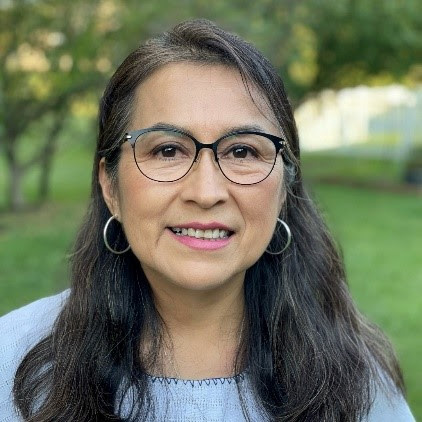
Dr. Patricia Bautista-Cervera
Dr. Patricia Bautista-Cervera is a pediatrician and pediatric allergist at the La Casita Center, an organization dedicated to enhancing the well-being of Louisville’s Latinx and immigrant community. As health empowerment coordinator, Bautista-Cervera works to promote health through workshops, informational videos, one-on-one communications, and other various means. During the COVID-19 pandemic, she delivered important information to the Spanish-speaking community through the online video series, “Consejos de Salud con la Dra. Paty.” She also was instrumental in developing virtual forums with stores and restaurants to educate the Hispanic community about the virus and promote preventive measures and vaccination. In 2020 she supported 994 Covid-19-positive patients, offering medical guidance and, through an empowering model, connecting them to LCC’s wrap-around services and other resources in the community.

Eric Crawford
Eric Crawford, a Maysville native, joined Kentuckians for Medicinal Marijuana in 2013. Crawford’s education in the endocannabinoid system and cannabis, as well as his experience as a quadriplegic, has fueled his passion for advocating for the legalization of medical marijuana in Kentucky. He has been involved in crafting legislation and has testified at the state Capitol about how cannabis improves his quality of life. He is a member of the Governor’s Medical Cannabis Advisory Committee and has also traveled the state with Kentuckians for Medicinal Marijuana for more than 50 medical cannabis educational seminars. Crawford remains active in the Maysville community by serving on the Lions Club and volunteering at a nursing home. He is a Finis Davis Fellowship recipient through the Kentucky Lions Eye Center and a past member of Kentucky Partners in Policymaking through the Commonwealth Council for Developmental Disabilities.

Terry Gehrke
Terry Gehrke has been in the fitness-wellness industry for more than 30 years. She founded Balanced Wellness LLC in 1999 in Jefferson County and still leads the organization as president and wellness consultant/health educator. Gehrke joined the Kentucky Diabetes Network in 2019 as executive director and has guided the organization to promote better health for Kentuckians at-risk for and living with diabetes. She leads KDN’s symposium committee each year to offer the largest professional education opportunity for diabetes training in the state, the Kentucky Diabetes Symposium. Gehrke’s background includes teaching in the University of Louisville Health and Sport Sciences Department and working with Southeast Christian Church’s Sports & Fitness Ministry. Gehrke is a member of several organizations including the National Wellness Institute, the National Physical Activity Society, and Exercise is Medicine.

Denise Hall
Denise Hall of Trimble County began working in the substance use prevention field in 1998 at Seven Counties Services. In 2003, she became coordinator for Trimble County Family Resource and Youth Services Center before writing two Drug Free Communities grants and directing them. The DFC grant is now in its 10th and final year. Hall’s work includes implementing a Drug Education Series in Trimble County and a Sources of Strength group at Trimble County Junior/Senior High School. She administers a survey to middle and high schoolers to understand the needs for substance-misuse prevention. Hall was crucial in getting vape detectors installed at the high school and is managing director of the Trimble CARES Coalition.

Michelle Howell
Michelle Howell co-owns Need More Acres Farm in Scottsville with her husband Nathan. She has an agriculture degree from Western Kentucky University and previously worked for University of Kentucky Cooperative Extension assisting tobacco farmers as they transitioned to fruit and vegetable production. She collaborates with local and state partners to increase equitable opportunities for farmers. Howell has also been involved in writing grants worth more than $2.4 million to benefit food access, women’s life courses, and urban-rural development. Need More Acres co-founded the Community Farmers Market in Bowling Green, which piloted several Supplemental Nutrition Assistance Program incentives. CFM was essential to growing Kentucky Double Dollars into a statewide program and CFM is one of the organization's pilots of the Fresh Rx MOMs program for expecting mothers on Medicaid. Both programs help under-resourced Kentuckians access fresh, healthy food from farmers markets. Additionally, Howell partners with UK, WKU and Kentucky State University for interactive professional development on diversity and inclusion.

Patrick Kitzman
Dr. Patrick Kitzman is a professor in the University of Kentucky Department of Physical Therapy. He’s also founding director of the Kentucky Appalachian Rural Rehabilitation Network, a team that develops strategies to reduce disability and improve the quality of life for individuals with neurological impairments living in underserved rural Appalachian counties. Kitzman and his team established projects CARAT and CARAT-TOP. In CARAT (Coordinating and Assisting the Reuse of Assistive Technology) students learn to refurbish used medical equipment and donate it to those in need in the community. CARAT-TOP (Coordinating and Assisting the Reuse of Assistive Technology- Together One Priority) is a training program created through a partnership with the UK Center of Excellence in Rural Health. It brings together community members and high-school students of all abilities to learn new skills to help individuals and communities affected by disability.

Mark Thomas
Mark Thomas, Todd County Schools superintendent, was instrumental in establishing the AXIS Program: Centering All Services in the district. In partnership with the Todd County Health Department, the program addresses students’ social and emotional well-being through mental-health case management. The program also assists with basic needs such as nutrition, clothing, toiletries, housing, transportation, and treatment for substance use disorder. Thomas played a crucial role in gaining needed buy-in of the program from staff and the community. Through his support, the program is expanding services to include parenting classes, prenatal classes, and mental health awareness programs for students and staff. Thomas began his career in Shelby County in 1996 as a middle school teacher. He has served in a number of school and district administrative roles across Kentucky before starting his current position in 2020.

Sunday, August 21, 2022

Ky. has had 18 monkeypox cases: 10 in Jefferson, 2 in Warren, 1 in Barren, Fayette, Kenton, McCracken, Montgomery counties

By Melissa Patrick
Kentucky Health News

While the number of American with monkeypox increases every day, so far only 18 of them have been reported in Kentucky. Monkeypox was declared a public health emergency in the U.S. on Aug. 4. 

On Aug. 18, the Centers for Disease Control and Prevention reported 18 cases of monkeypox in Kentucky, among 14,115 cases confirmed nationwide. The top five states for cases on that day were New York (2,774), California (2,663), Florida (1,372), Texas (1,079) and Georgia (1,066).  

The day before, that number was only 17 in Kentucky, with 10 in Jefferson County (Louisville Metro), two in Warren County (Bowling Green) and one each in Barren, Fayette, Kenton, McCracken and Montgomery counties, according to the state Department for Public Health. Sixteen of the cases were in adult men and one case was in a woman.

Monkeypox is a viral disease that is part of the same family of viruses as smallpox that causes flu-like symptoms and a rash. It is not related to chickenpox. 

 Symptoms can include chills, fever, body aches, swollen lymph nodes, headache, respiratory symptoms  and a rash. The CDC says you may experience all or only a few of these symptoms. 

The rash may be located on or near the genitals or anus, and could be on other areas like the hands, feet, chest, face or mouth. The rash initially looks like pimples or blisters and may be painful or itchy.

Symptoms usually start within three weeks of exposure to the virus and the illness typically lasts two to four weeks. 

Individuals are infectious from the time the symptoms start until the rash has completely healed, meaning that every scab has fallen off and a fresh layer of skin has formed. 

It can be spread through close, personal contact, often skin-to-skin; by touching objects and surfaces that have been used by someone who has the virus; and through contact with respiratory secretions. 

So far, men who have sex with men have been among those most infected with monkeypox in the U.S., but it's important to remember that the virus can be transmitted by close contact of any kind. It is not considered a sexually transmitted disease. ABC News reports that so far the U.S. has confirmed nine pediatric cases of monkeypox.

"To reduce the risk of transmission, individuals should avoid close contacts with partners who have skin rashes or lesions," Gov. Andy Beshear said at an Aug. 17 news conference.  "Anyone's concerned they may have symptoms, or who may have been exposed to the monkeypox virus, should go talk to their health care provider right now. Anybody eligible for a vaccine, go get it." 

The CDC advises that if you have a new or unexplained rash or other symptoms, avoid close contact, including sex, with others until you have been checked by a health-care provider. 

Vaccines exist for monkeypox, but because of the limited supply, the U.S. does not have enough for every at-risk American, let alone for broad, preventive campaigns. 

At this time, the state health department says the following are eligible for the vaccine:
  • Anyone with a high or intermediate risk of exposure to someone with the virus
  • Men who have sex with men, including those who identify as gay, bisexual, transgender, gender-nonconforming or gender nonbinary AND have had multiple or anonymous male, transgender or gender-nonconforming sex partners in the past 14 days; or had a diagnosis of gonorrhea and/or early syphilis in the last year; or are on HIV pre-exposure prophylaxis (PrEP). 
  • People who who have attended an event/venue with a high risk of exposure to a confirmed case via skin-to-skin or sexual contact in the last 14 days. 
  • Individuals who are determined to have reasonable suspicion of recent direct skin-to-skin contact to a known or suspected case. This determination is done on a case-by-case basis.
If you think you are eligible to receive a monkeypox vaccine, contact your local health department for vaccination options. 

Saturday, August 20, 2022

Judge says UK should repay money to patients whose debts it 'improperly' referred to state Revenue Department for collection

A judge has ruled that the University of Kentucky "improperly used the Kentucky Department of Revenue and state tax statutes to collect unpaid bills from patients," reports Monica Kast of the Lexington Herald-Leader: "Douglas Richards, attorney for the plaintiffs, said the final amount that will have to be repaid is not yet known, but he estimated it could be upwards of $90 million."

The Revenue Department stopped collecting debts for UK HealthCare this year because the legislature passed a law that keeps it from collecting “any consumer debt owed for health care goods and services.”

Judge Thomas Wingate
Franklin Circuit Judge Thomas Wingate ruled in a class-action lawsuit filed in 2018 on behalf of more than 5,000 debtors whom UK had referred for collection. "The department added interest . . . and a 25% collection fee, taking payment from patients’ wages and tax returns to cover the bills." Kast notes.

Wingate's ruling is not the end of the controversy, which has gone on for years. In 2018, a Fayette circuit judge ruled that UK couldn't use the Revenue Department as a collection agency, on grounds that it is not part of the state executive branch. The state Supreme Court said it was.

In defending the class-action suit, UK cited state laws that executive agencies use to recover funds that were improperly paid, but those laws "only relate to collections for payments that were improperly made because of error, fraud or abuse, Wingate wrote in Monday’s ruling," Kast reports.

UK spokesman Jay Blanton said Wingate's ruling did not address a law that allows the university to refer debts to the Revenue Department, under an agreement between the two agencies.

Kast writes, "Because it is a class-action lawsuit, people who were impacted by this policy will have the option to opt in or out of the payout. The process of gathering information from people affected and returning payments to patients could take several years," according to plaintiffs' attorney Douglas Richards.

Richards told Kast, “This is just completely bad public policy and morally indefensible, because these are two of the biggest institutions in the state — UK and the Department of Revenue — and they’re punching down on people who generally make $10 to $12 an hour,” That's why they lacked the money to pay and fell behind, he said.

Thursday, August 18, 2022

Fewer counties at high risk, but Ky. new-case rate remains No. 1 among the states; counties in southeast among nation's top 10

Centers for Disease Control and Prevention map
By Al Cross
Kentucky Health News

The pandemic slacked a bit in Kentucky in the last week, but the Bluegrass State still has the highest rate of new coronavirus cases of any state, according to The New York Times.

The latest weekly Covid-19 risk map, issued Thursday by the Centers for Disease Control and Prevention, shows 16 fewer counties at high risk, down to 73 from 89 last week.

The CDC map shows 38 counties at medium risk and nine at low risk. Last week, 20 were at medium risk and 11 were at low risk.

In high-risk counties, the CDC recommends that you wear a well-fitting mask in public indoor spaces, and if you are at high risk of getting very sick, consider avoiding non-essential indoor activities in public where you could be exposed.

If you live in a medium or high-risk county, the CDC advises wearing a well-fitting mask when indoors and in public and to consider getting tested before having social contact with someone at high risk for getting very sick and consider wearing a mask when indoors when you are with them.

The Times, which updates its figures at least daily, shows that new cases in the state have declined 18 percent in the last two weeks, but Kentucky still has the highest new-case rate among the states for the last seven days. Puerto Rico and Guam have higher rates, but they are not states.

The Times shows McCreary County with the highest rate of any county or county equivalent in the nation, with Perry County second. Rockcastle, Harlan and Knott counties are fifth, sixth and seventh.

State Supreme Court keeps abortion ban in place; oral arguments to be heard Nov. 15, a week after voters may decide the issue

By Melissa Patrick
Kentucky Health News

A divided Supreme Court of Kentucky upheld Thursday an appeals-court ruling that made nearly all abortions illegal in Kentucky while a lawsuit on the issue moves through the court. But the voters may have the final say, in a referendum a week before the court is set to hear oral arguments in the case.

The American Civil Liberties Union, ACLU of Kentucky and Planned Parenthood Federation of America had sought emergency relief for the state's two abortion providers, EMW Women's Surgical Center and a Planned Parenthood clinic, both in Louisville.

They wanted the court to restore a Louisville judge's injunction that blocked two abortion bans the state legislature passed in 2019: a "trigger law" that took effect when the U.S. Supreme Court overturned Roe v. Wade, making abortion illegal in Kentucky except when the woman's life is threatened; and a ban on abortions after six weeks of pregnancy, about the time that fetal heart activity can be detected. 

Jefferson Circuit Judge Mitch Perry's injunction was based on his finding that the laws violate the rights to privacy, self-determination and religious freedom established by the state constitution and court decisions based on it. But the injunction was vacated by Court of Appeals Judge Larry Thompson of Pikeville, who said abortions performed while the case is pending "cannot be undone."

The court was divided. Only three of the seven justices (Robert Conley of Russell, Debra Lambert of Somerset and Laurance VanMeter of Lexington) fully concurred; the majority was made by Justice Michelle Keller of Fort Mitchell, who concurred in the result only and wrote a separate opinion, and Justice Shea Nickell, who joined in that opinion.

Justice Michelle Keller
Keller wrote that Thompson "not only failed to give appropriate deference to the trial court but also failed to undertake a thorough analysis that is required in a case of this magnitude, failing to even set forth the appropriate standard of review. That being said, remanding this matter to the Court of Appeals to engage in a proper analysis would only further delay the final resolution of these compelling issues."

Keller and Nickell said they shared many of the concerns voiced in the dissent by Chief Justice John Minton of Bowling Green and Justice Lisabeth Hughes of Louisville, the two members of the court who are retiring at the end of the year.

In an opinion written by Minton, they disagreed with the majority's finding that the issue did not present the "extraordinary cause" required for intervention in a pending case; they noted the importance of the case and said Court of Appeals Judge Larry Thompson of Pikeville had abused his discretion by vacating Jefferson Circuit Judge Mitch Perry's injunction. It said Thompson "failed to engage in any analysis regarding whether the circuit court abused its discretion" and the injunction should remain in effect while the case is decided.

"Failure to find extraordinary cause justifying interlocutory review under the circumstances presented here would constitute this court dodging its responsibility to settle legal issues of great legal importance facing the commonwealth," Minton wrote. "It is difficult to comprehend a more important or serious legal issue than legal access to abortion in the commonwealth."

Justice John Minton
Minton also wrote, "This court cannot turn a blind eye to the fact that this case involves one of the most contentious policy and political issues of our time. This case raises serious and important issues involving access to abortion, and movants make a compelling argument that women may suffer irreparable and permanent harm absent emergency relief from this court. And the attorney general also advances serious allegations of irreparable harm, alleging that any abortions performed during the pendency of this litigation cannot be reversed." Read the three opinions here.

The Supreme Court took the case from the Court of Appeals, as that court and all sides had requested, and scheduled oral arguments for Nov. 15. That is one week after the Nov. 8 election, which includes a ballot question that would add to the state constitution a statement that would negate Perry's findings, by saying that the constitution does not grant a right to an abortion or funding of it.

"We look forward to that expression of the will of the commonwealth," Keller wrote in her opinion.

Also on the Nov. 8 ballot is a nonpartisan race between registered independent Keller and state Rep. Joseph Fischer, R-Fort Thomas, who sponsored the proposed amendment and the trigger law. Four of the Supreme Court's seven seats are on the ballot. There are contested races for the seats that Minton and Hughes are giving up; Nickell is unopposed. 

Asked about the ruling, Democratic Gov. Andy Beshear, who generally favors abortion rights and is seeking re-election, again noted that neither of the two abortion bans have exceptions for rape or incest. 

"The Kentucky Supreme Court has left in place one of the most extremist laws across the United States," Beshear said. "It bans options for everyone, meaning that victims of rape and incest have absolutely no options and have to potentially carry their rapists child. It means a victim of incest. and we've seen young girls 10, 11, 12 violated by a family member has no options. I think that's wrong. And I think the majority of Kentuckians agree with me." 

Attorney General Daniel Cameron, who is seeking the Republican nomination to oppose Beshear and got Thompson to negate Perry's injunction, said in a statement, saying that since the U.S. Supreme Court has given abortion decisions back to the states, we "must allow our policymakers in the General Assembly to speak for the people they represent."

The ACLU said, “The Supreme Court’s decision to allow Kentucky’s abortion bans to remain in effect puts nearly a million people’s health care in jeopardy. Abortion is not only health care but also a critical individual freedom. Make no mistake: abortion bans result in tragic health outcomes and are a form of control over our bodies. Despite this setback, the fight continues. We will proceed with our case to restore and protect reproductive freedom in Kentucky. Politicians and the government should never have the authority to force a person to remain pregnant against their will.”

Wednesday, August 17, 2022

Health insurers offer $25 gift card and unlimited-ride wristbands to people getting a Covid-19 shot at the Kentucky State Fair

At the Kentucky State Fair, the Kentucky Association of Health Plans is giving free, unlimited-ride wristbands and $25 gift cards (while supplies last) to attendees who go to booth B419 in the Health Horizons Pavilion in South Wing B to get a Covid-19 vaccine or booster shot. Hours are 10 a.m. to 6 p.m. Monday through Saturday.

Medicaid members may also be eligible to receive an incentive offered by their health plan in addition to the giveaway, KAHP said in a news release.

On Aug. 19, KAHP is partnering with Kentucky Sports Radio for a live KSR pre-show and KSR broadcast at the Fair from 9 a.m. to noon ET.

“Offering vaccines and incentives in non-traditional environments has been a winning formula,” said Tom Stephens, executive director of KAHP. “We had tremendous traffic at the fair last year. We also gave away gas cards at a June pop-up clinic during the Kentucky High School Athletic Association baseball and softball championships and we’re proud to vaccinate 700 people.”

KAHP says it has been engaged in a 16-phase effort for vaccination, including a KSR tour, to a theme-park vacation-getaway drawing, gas-card giveaways, non-profit vaccine-clinic competitions with large grant payouts, school vaccine-clinic incentives.

Cameron urges Louisville schools to end their mask mandate

By Melissa Patrick
Kentucky Health News

Attorney General Daniel Cameron is urging Jefferson County school officials to end their mask mandate and telling them that he is investigating whether they are even allowed to institute it.

"While my office continues to review whether JCPS has the authority to impose such health policies, I write to urge the board to terminate its mask mandate immediately. The mandate harms children, unduly burdens teachers, and is bad public policy," Cameron said in an e-mailed letter to the Jefferson County Board of Education, selectively citing research that he said supported his claims. He also said the district is the only one in Kentucky that requires masks.

Cameron's letter was dated Aug. 16, the same day as a school board meeting. Mask policy was not on agenda, so board member James Craig made a motion to add it. The motion lost on a vote of 4 to 3. Craig said he wanted a discussion about changing the policy to only encourage masks while the county is rated at high risk, Olivia Krauth reports for the Louisville Courier Journal.

On Aug. 16, the incidence rate of new coronavirus cases in Jefferson County was 35.2 per 100,000 residents. Anything higher than 25 per 100,000 is considered to pose a high risk of transmission. The Centers for Disease Control and Prevention's weekly risk map, which looks at hospital admissions and capacity as well as new cases, also places Jefferson County, along with 88 other Kentucky counties, at high risk.

Last year, the state legislature allowed local school districts to implement their own mask policies.

The CDC recently changed some of its Covid-19 guidelines for schools, and no longer recommends that they do random screenings or participate in "test-to-stay" programs, it still recommends universal indoor masking in schools if they are in a county with high levels of transmission: "At a high Covid-19 community level, universal indoor masking in schools . . . is recommended, as it is in the community at large."

Tuesday, August 16, 2022

Meth use dramatically increases odds of nonfatal overdose among rural drug users, whether used with opioids or by itself

Nearly 80 percent of recreational drug users in rural areas have taken methamphetamines in the past month, according to a newly published study that included Kentucky. That's concerning, because meth use greatly increases the risk of non-fatal overdose—whether it's used alone or with opioids—and because rural drug users are more likely to suffer consequences from meth use but less likely to have access to treatment or prevention measures. Other studies have found that opioids were involved in about two-thirds of overdose deaths, and that fentanyl contamination increasingly drives opioid and meth-associated overdose deaths.

Overall, 22% of survey participants who co-used opioids and meth had survived an overdose in the past six months, compared to 14% of those who used opioids alone and 6% who used meth alone. Participants who co-used most often (44%) were also more likely to have tried and failed to access drug treatment measures than those who used opioids alone (36%) or meth alone (30%).

Publishing in the Journal of the American Medical Association, the researchers noted that meth use has been endemic in rural areas for decades, and that meth-related hospitalizations nationwide skyrocketed 270% from 2007 to 2015. Even so, not much research has focused on the characteristics of purely rural meth use, or meth use combined with opioid use.

Researchers gathered data for the study between January 2018 and March 2020, surveying drug users in rural communities in the 10 states participating in the Rural Opioid Initiative Research Consortium: Kentucky, Illinois, Massachusetts, New Hampshire, North Carolina, Ohio, Oregon, Vermont, West Virginia, and Wisconsin. The findings suggest that harm reduction and drug treatment programs must address meth use as well as opioids to decrease overdoses in rural communities, the researchers write.

Monday, August 15, 2022

Kentucky continues have the nation's highest rate of new Covid-19 cases, even though case numbers dropped 7.9% last week

New York Times map shows Kentucky continues to be the national hot spot. Click to enlarge.

By Melissa Patrick

Kentucky Health News

New coronavirus cases in Kentucky have gone up and down over the last few weeks in what could be the beginning of a plateau. Last week, they dropped 7.9% after increasing 6.8% the previous week. 

The state's weekly report for the Monday-to-Sunday reporting period shows 14,409 new cases last week, an average of 2,058 per day. The prior week, it was 2,236. 

Of the new cases, 19.5% were in people 18 and younger, up from 16% in last week's report. This increase in new cases among youth comes as Kentucky children head back to school amid new guidance from the Centers for Disease Control and Prevention, which no longer calls for routine testing or "test-to-stay" programs. Health officials still urge school-aged children to get a Covid-19 vaccine. 

The percentage of Kentuckians testing positive for the coronavirus increased slightly to 18.51%, up from 18.41% the week before. The numbers does not include at-home tests. 

The statewide incidence rate of new cases declined again, to 35.32 per 100,000 residents. Last week that rate was 39.05. The top 10 counties were: McCreary, 154.2; Harlan, 95.6; Perry, 95.4; Leslie, 94; Wolfe, 87.8; Menifee, 81.5; Letcher, 78.2; Breathitt, 73.5; Knott, 73.3; and Knox, 71.1.

The New York Times ranks Kentucky's infection rate first among the states, even with an 11% drop in cases in the last two weeks. The Times says McCreary County has the highest rate in the nation, at 149 cases per 100,000. A federal prison there has had outbreaks in the past. State officials have attributed the differing numbers to differing methodologies, including the state's removal of duplicate test results.

Kentucky hospitals reported fewer Covid-19 hospitalizations last week, but the same number of Covid-19 patients in intensive care and on mechanical ventilation. They reported 615 Covid-19 patients Monday, down from 623 a week earlier. They reported 74 Covid-19 patients in intensive care and 27 on mechanical ventilation. 

The state attributed 76 more deaths to Covid-19 last week, up from 67 the week before. The pandemic death toll is now 16,540.

Keynote speaker at harm-reduction summit calls for not requiring abstinence for drug users to get access to 'recovery capital'

By Melissa Patrick
Kentucky Health News

Helping people in addiction recovery meet their basic needs should not focus on abstinence, but instead should be provided along the continuum of a person's drug use as a way to mitigate harm, with a focus on wellness and autonomy, says an expert who knows recovery from his own experience. 

Alex Elswick
Alex Elswick, an assistant extension professor for substance-use prevention and recovery at the University of Kentucky, was the keynote speaker for the virtual Kentucky Harm Reduction Summit Aug. 10 and 11.

"Harm reduction and capital building are the things that we should be doing all the time for everyone," Elswick said. "We shouldn't be waiting until someone becomes abstinent, or until they become involved in the criminal legal system, or until they reach out for treatment. We can go and engage people who are suffering in our communities and we can mitigate harms. And we can build capital right now, without any barriers to access." 

Elswick, who is in long-term recovery, often says that there is nothing special about his addiction to OxyContin and heroin, since it followed the same path as many others have experienced. What he says is special is his recovery, largely because of the abundance of resources that were available to support him, including housing, transportation, employment, education, access to medical and mental-health care, and relationships with family and community.

Elswick calls those resources "recovery capital" and described them as anything that promotes recovery, or anything that improves the odds that a person will be successful in their recovery. 

He stressed that everyone recovery needs such resources, and not just after they stop using drugs. And just like Maslow's Hierarchy of Needs, which describe motivation, he said a person who has an addiction to drugs must have their basic needs met first before they can even consider seeking treatment and recovery.

But the problem, he said, is that we often use abstinence as a precondition to providing these basic needs for people in the recovery process. 

"I want to suggest that we're flipping it upside down. We're expecting people to do the incredibly, in some cases impossible, work of becoming abstinent without providing them with all the resources that they need in order to do so." 

A key example of this upside-down thinking is housing, because there is little to no housing available for people who use drugs or who are in the early stages of the recovery process, Elswick  said. Nor is there housing for people who are abstinent but are on a medication for opioid-use disorder, like buprenorphine or methadone.

Instead, he said, we have sober housing for people who are already abstinent -- and if a person living in one of these houses experiences a recurrence, which is common, they are kicked out. 

He added that the same is true for drug users' access to social services, which often requires a drug test; that people are kicked out of treatment if they relapse, even if they sought treatment for exactly that problem; and that families are often told to deny support of a loved one if they are using drugs, regardless of circumstances.

In each of those circumstances, "You're going to be deprived of your recovery capital, despite the fact that research says that would improve your odds of recovery," he said. And the only way to change this, he added, is to prioritize recovery above abstinence. 

Elswick traced the concept of recovery capital to a study by University of Denver Professor William Cloud, who found that college students with addictions were recovering at a significantly higher rate, than the general population, sometimes with no formal interventions. 

Cloud determined that the students recovered better because most came from relatively privileged backgrounds and had access to most of the social supports that they needed to recover. 

"The value of recovery capital and harm reduction is that it allows us to have a relationship with someone, as opposed to saying, 'Come to me when you're sober'," said Elswick. "It allows us to have a relationship so that that relationship itself can be a therapeutic. That relationship itself can be a component of recovery capital." 

Elswick concluded with pushes to battle the stigma that still plagues drug users, even among health-care providers and treatment centers, and to make medication-assisted treatment for opioid-use disorder more accessible. He cited studies that prove this is the gold standard of care, but 90% of people who need treatment don't get it. 

"My main takeaway message is, I want us to shift the focus away from abstinence toward recovery capital and building recovery capital and mitigating harms, because it's the more effective approach and I think you might find it'll lead to more abstinence than you realize." 

Elswick is the co-founder of Voices of Hope, a recovery community organization.